Sheep
What it is
Whole sheep's milk from the island is the only milk used for the protected cheese. It is made in two styles, Dolce and Maturo, and they differ in age, texture, and bite. Dolce is the milder table cheese. Maturo is drier, sharper, and suited to grating as well as the board.
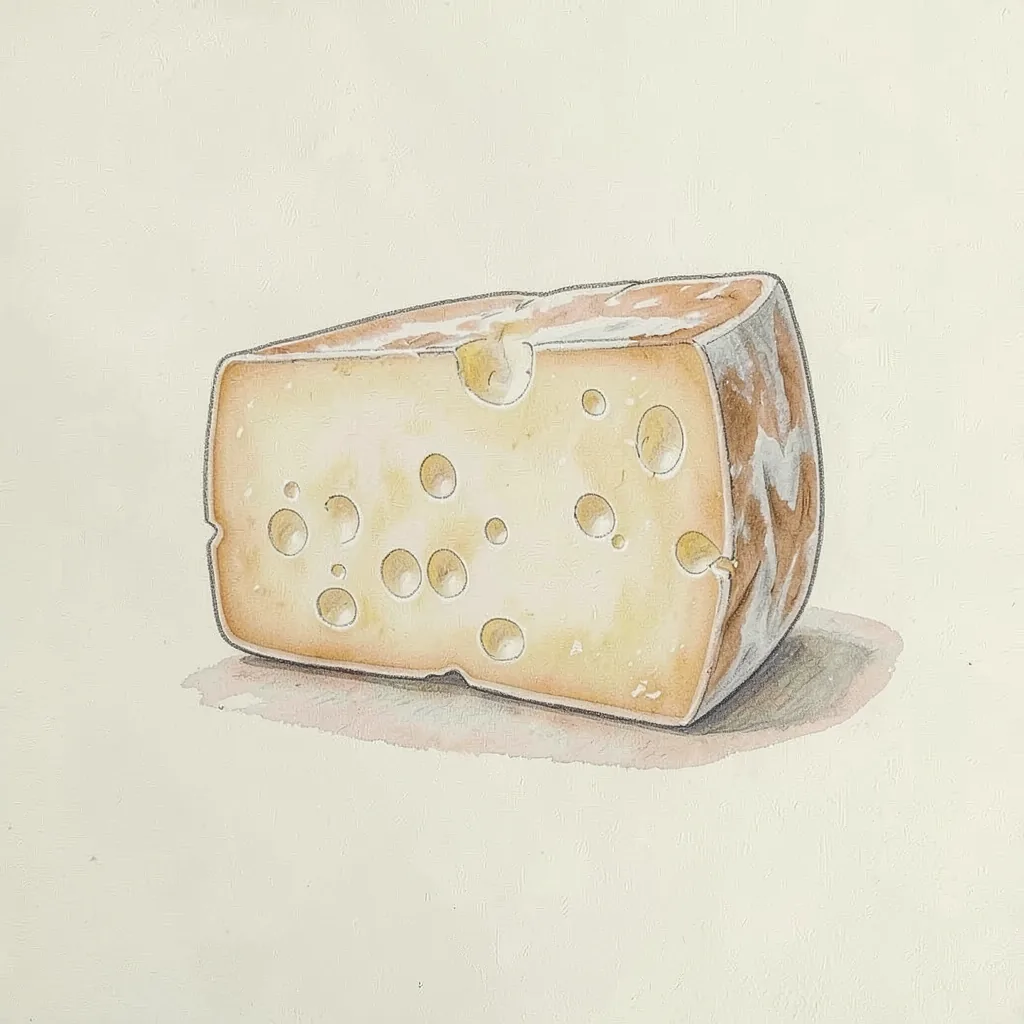
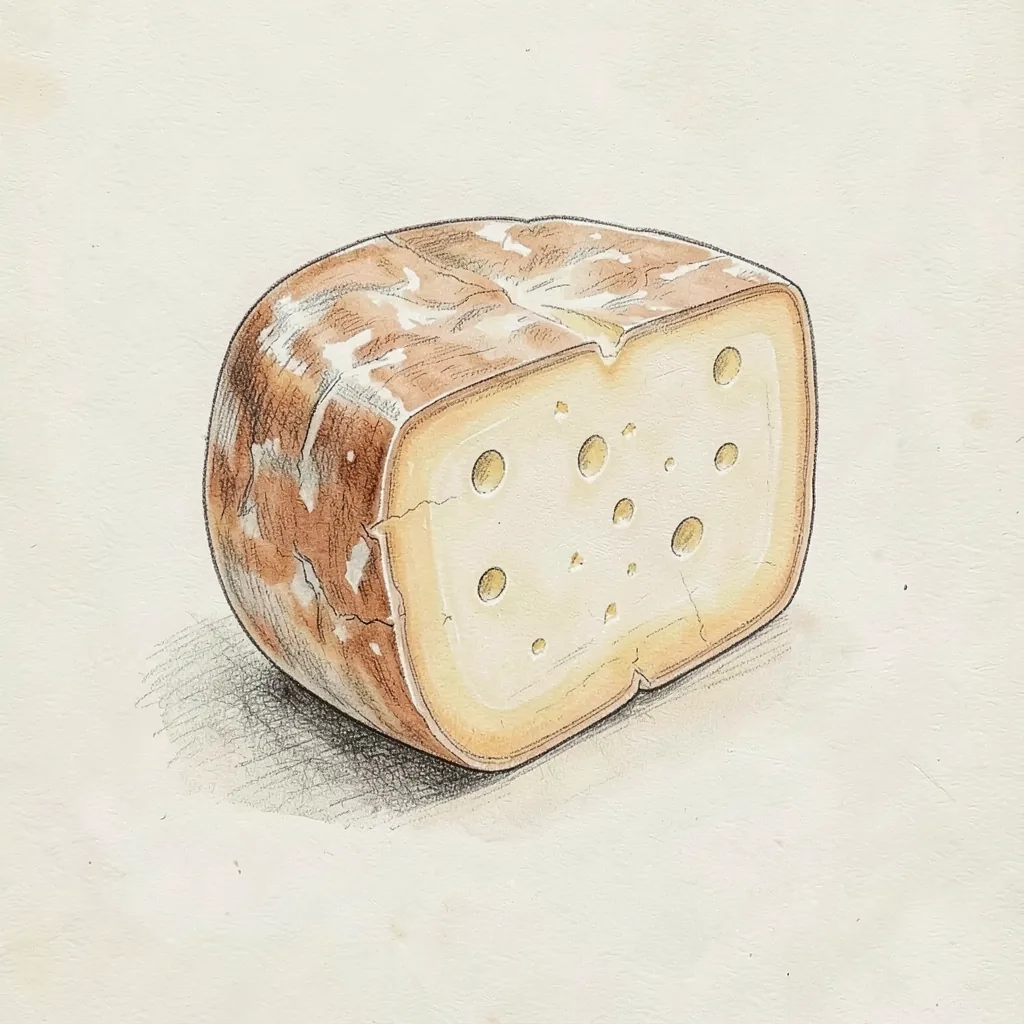
Wheels are cylinders with flat faces and a smooth rind that darkens as the cheese matures. The paste runs from white to pale straw, and small eyes may appear. Dolce stays elastic and compact. Maturo turns firmer and a little grainy, and the flavor grows pleasantly piquant. Both are ordinary shop cheeses in Italy, and both travel well when they are kept cool and dry.
History
Sheep's milk cheese has a long place in Sardinian food, and Pecorino Sardo is the island's best known firm pecorino. Herds feed on pasture, and that milk gives the cheese its character. The protected name covers only cheese made on the island from local sheep's milk. Dolce and Maturo are both part of that name, not separate brands. Shoppers should read the label, because other pecorino cheeses come from other parts of Italy.
The two styles grew from the same sheep's milk tradition, and makers adjusted the cut of the curd and the length of ripening. Dolce was kept as a table cheese with a softer paste. Maturo was given more time so it could be grated and kept. The split is now written into the rules for the protected name. Nothing in that history makes one style a flavored cheese or a blend with cow's milk.
How it is made
Whole sheep's milk is set with calf rennet and cultures taken from the local tradition. The curd for Dolce is cut into larger pieces, and the curd for Maturo is cut finer. Both are heated only to a semi-cooked stage, then put into round molds and pressed so whey can leave. Salt is added dry or in brine. The wheels then ripen in controlled rooms on the island.
Dolce leaves the ripening room while the paste is still elastic and the rind is thin and pale. Maturo stays longer, and the rind becomes thicker and darker while the paste firms. Milk may be thermized or pasteurized, and the finished cheese is still a sheep's milk pecorino. Makers mark wheels so the dairy can be traced. A buyer who wants the protected cheese should see Pecorino Sardo on the label, not only the word pecorino.
Taste
Dolce tastes sweet, aromatic, and slightly acidic, with a sheep's milk note that is clear but not harsh. The paste is white, tender, and compact, and it slices without crumbling into dust. Salt is present, and it does not dominate the flavor. The rind is edible for many people, though it is firmer than the paste. A young wheel is a table cheese first.
Maturo keeps the sheep's milk aroma and adds a pleasant piquant edge. The color moves toward straw, and the texture grows drier and a little grainy. Longer ripening brings a fuller savory taste, and the cheese still should not be bitter. It is sharp enough for grating, and it remains good in slices if the wedge is not over-dried. Compare the two side by side and the family link is obvious.
In the kitchen
Dolce belongs on a board with bread, fruit, and a few plain accompaniments. It can be shaved over salads or warm vegetables, and it softens in a pan without becoming oily at once. Cubes work in baked pasta if the heat is not fierce. It is less salty than some other pecorino cheeses, so taste before you add more salt. A thick slice is better than a fine grate for this younger style.
Maturo is the grating cheese of the pair, and it finishes soups, pasta, and roasted vegetables. Use a fine grater and add it near the end so the aroma stays. Thin shavings still work on a board when the wedge is not too dry. It can replace other firm sheep's milk cheeses in cooking, but the Sardinian taste is a bit sweeter and less fierce than the saltiest Roman style. Keep the rind for the stockpot if you like a deeper savor.
Around the world
Pecorino Sardo is sold across Italy and in cheese shops abroad, often next to other pecorino wedges. The word sardo on a label can mean this cheese, and it can also mean a more generic Sardinian-style wheel. The protected name is the safer guide. Dolce is sometimes harder to find outside Italy than Maturo, because the firmer cheese ships more easily. Ask which style is in the case if the label is vague.
Cooks use Maturo where a recipe calls for grated sheep's milk cheese, and they use Dolce where slices are eaten as they are. Pecorino Romano is saltier and more pungent, and Pecorino Toscano is often milder and made on the mainland. Those cousins can stand in, and they will change the dish. Fiore Sardo is a different Sardinian sheep's milk cheese, so the names should not be swapped without a look at the label. A clear Dolce or Maturo line saves that mix-up.