Sheep
What it is
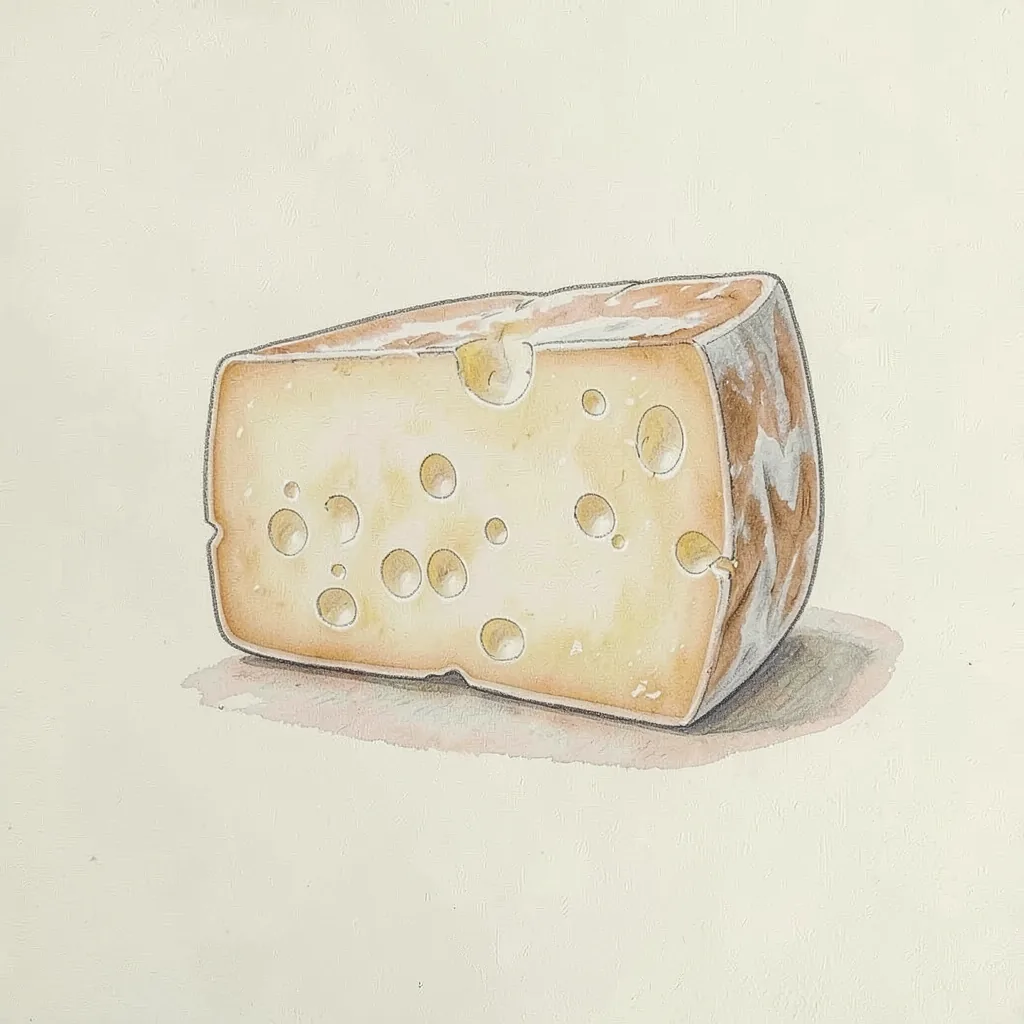
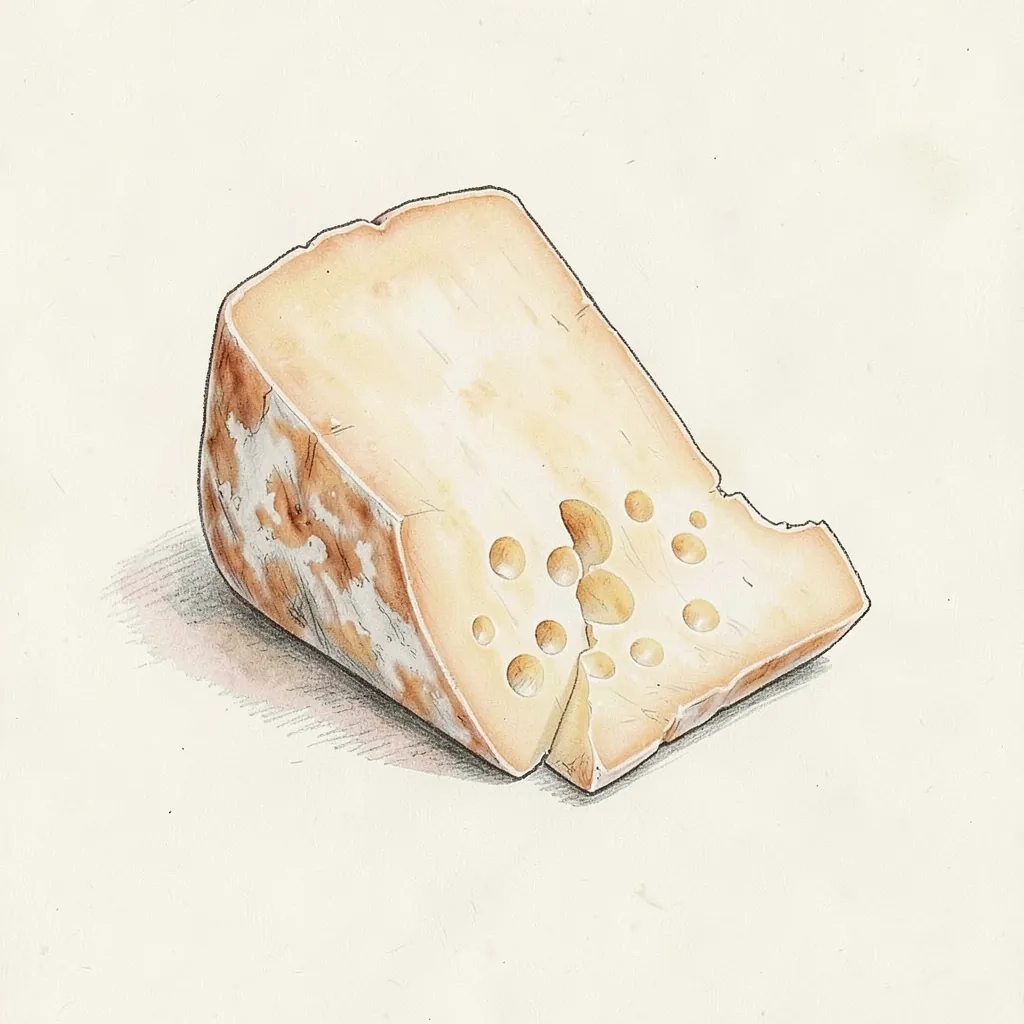
The name means peppered, and the spice is mixed through the paste rather than rubbed only on the outside. It belongs with the firm pecorino cheeses made from sheep's milk. A typical piece is pale and dense, and the dark peppercorns are easy to see on the cut face. With age it moves from a sliceable table cheese toward a drier cheese for the grater.
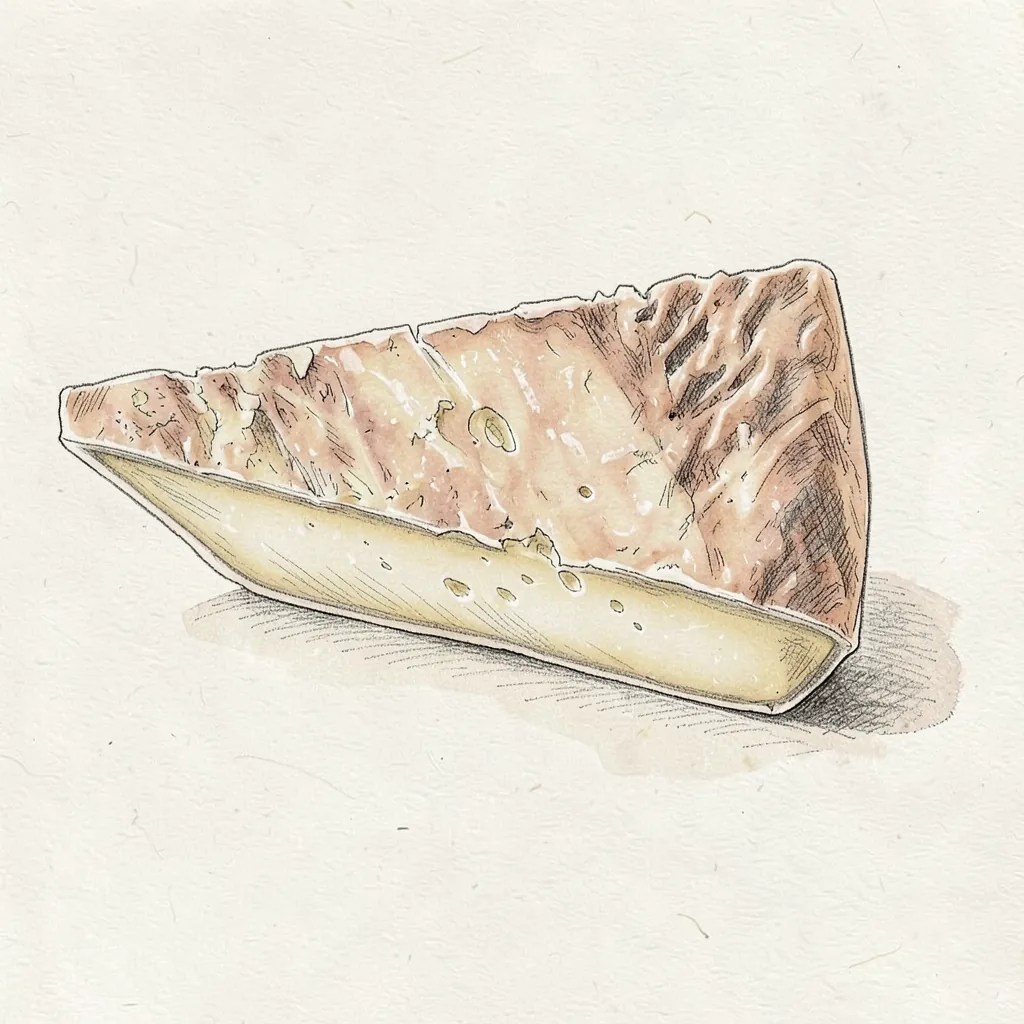
The peppercorns stay whole, so one bite may catch a burst of spice while the next bite is mostly cheese. Under the pepper, the sheep's milk tastes savory, tangy, and a little nutty. The rind is natural and dry, not bloomy and not washed. Pepato is sold in wedges cut from larger wheels. It works in the kitchen as well as on a board, because the pepper seasons a dish while the cheese salts it.
History
Peppered pecorino grew from the Italian habit of pressing and salting sheep's milk, then adding spice for flavor and for keeping quality. Whole peppercorns were mixed into the curd so the heat would remain after the wheel dried. The style sits beside plain pecorino rather than replacing it. Makers in more than one part of Italy have sold a pepato, so the name describes the pepper more than one town. Read the dairy name on the label if you want to know which flock supplied the milk.
Shoppers sometimes meet pepato as a peppered version of a known pecorino, including wheels in the Romano style. Those pieces are often harder and saltier, and the pepper rides on top of that bite. Other pepato wheels are younger and more supple, with the same sheep's milk base. The shared point is sheep's milk plus peppercorns in the paste. There is no single shape that every maker must follow, so trust the cut face more than the package photo.
How it is made
Makers set sheep's milk with rennet, cut the curd, and work the grains until they firm up. They drain the whey and mix in salt together with whole black peppercorns. The curd goes into molds and is pressed into a wheel. A natural rind forms as the surface dries in the aging room. The peppercorns stay scattered through the interior, which is why a slice looks speckled with black.
Aging firms the paste and concentrates the flavor of the sheep's milk. A shorter rest leaves a moister, milder cheese that still slices cleanly. A longer rest makes it drier, sharper, and better suited to a grater. The rind may be rubbed with a little oil or left plain, depending on the dairy. Pepper does not replace salt, and both show up clearly when you taste the finished wheel.
Taste
The first taste is salty and tangy, and then the pepper heat arrives. Sheep's milk gives a savory note that is fuller than a mild cow's milk cheese. A peppercorn tastes floral and hot when you bite one, and quieter when you taste only the paste around it. The finish on an aged piece can be sharp and lightly lemony. A younger piece is rounder, with the pepper still easy to pick out.
Texture runs from supple and flaky to hard and slightly crystalline, depending on age. Small crystals, when they appear, add a faint crunch and signal a longer aging. They are not grains of pepper. The paste is ivory to pale straw, which makes the black peppercorns stand out. Fat from the sheep's milk keeps a thin slice from tasting chalky, even when the wheel is quite firm.
In the kitchen
Shave pepato over salads, roasted vegetables, or a bowl of beans when you want salt and pepper in one ingredient. Grate a drier wheel onto pasta, risotto, or polenta. On a board, set it beside cured meat, pear, or a plain cracker. The pepper already in the cheese means you can use less ground pepper in the pan. Taste the dish before you season it again.
A younger wheel slices for sandwiches and softens at the edges when warmed, but it does not become a smooth cheese sauce. A drier wheel is better grated than laid on in thick slices. Do not confuse pepato with a cheese that has chili only on the rind. Here the peppercorns are inside the paste. Wrap the cut face so the smell of pepper does not take over the refrigerator.
Around the world
Pepato travels well because it is firm and salted, so Italian shops in many countries keep a wedge. Some brands sell a peppered sheep's milk wheel next to their plain pecorino. The two are kin, not copies of each other. If the label says pepato, look for visible peppercorns in the paste before you buy. A cow's milk cheese rolled in cracked pepper is a different product, even when the spice looks similar at a glance.
Pecorino Romano is the practical substitute, with a grind of black pepper added at the table. It has the salty sheep's milk bite, but the pepper is not mixed into the curd. Pecorino Sardo is another firm Italian sheep's milk cheese that can stand in on a board or over pasta. It may or may not include pepper, so check the piece. Use pepato anywhere you would use a sharp pecorino and still want a little heat.