What it is
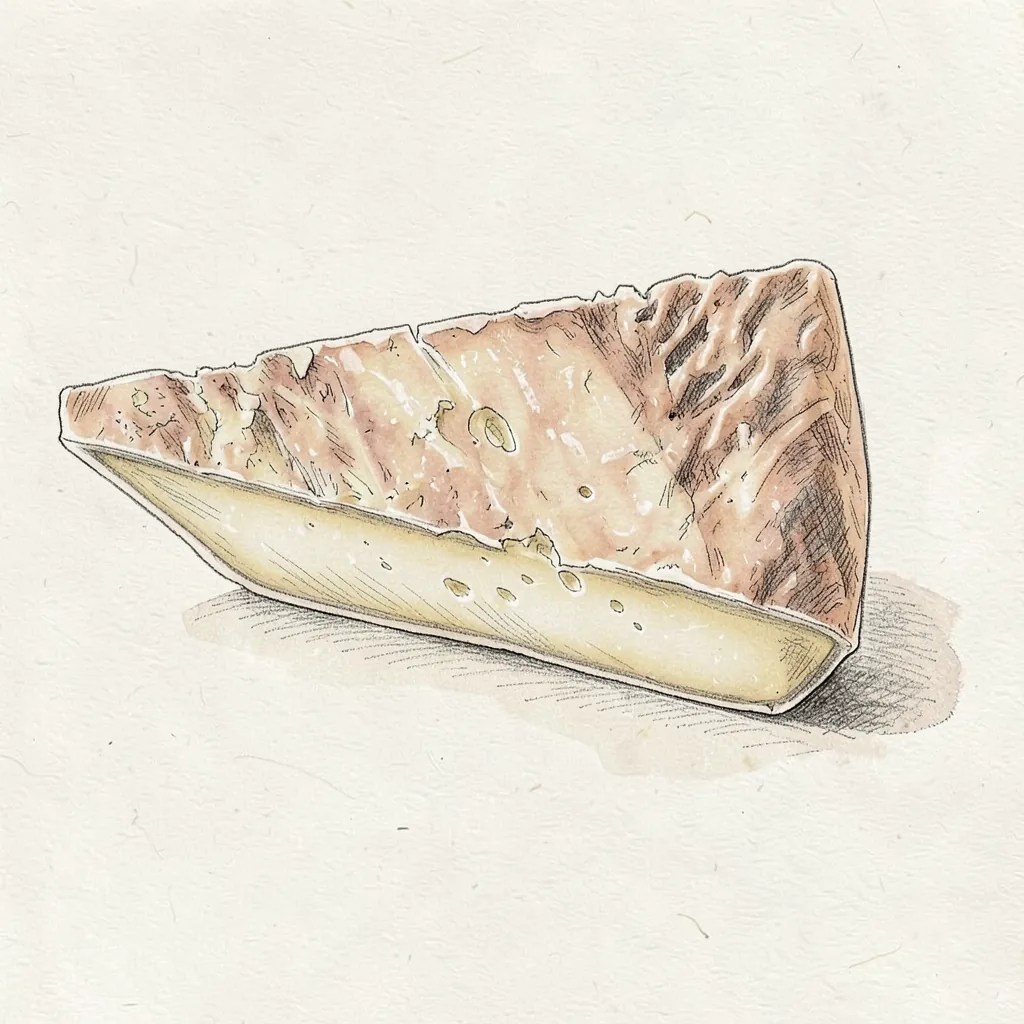
The basket leaves a woven pattern on the rind, and that mark is the shared sign across many local wheels. The regions tied to the name include Trentino, Apulia, Basilicata, Sicily, and Sardinia. Most pieces are pressed, aged, and firm, with a natural rind and a savory paste. A young wheel can be cut for the table, while an older one is kept for grating.
There is no single recipe for every cheese that carries this name. Southern wheels are often drier and sharper, and they stand in for other firm Italian grating cheeses. A wheel from Trentino can be a little milder and more moist. Pepper shows up in some batches. Read the label for the region, because the basket pattern alone does not tell you how strong the cheese will be.
History
The basket method is an old practical step in Italian cheesemaking. Makers needed a form that let whey run off and that left the cheese sturdy enough to salt and store. Rush, reed, or wicker baskets did that job, and the ridges they left became a mark of identity. Separate districts kept the method and attached their own habits to the same broad word. The cheese stayed part of farm and small-dairy work rather than one factory brand.
Apulia, Basilicata, Sicily, and Sardinia each built a firm aged wheel in this form, and Trentino kept a related basket cheese of its own. Local names sit beside the general word, so a label may be more specific than Canestrato alone. The pattern on the rind told buyers how the curd had been drained even when the milk and the aging differed. That is why one name covers more than one cheese. The basket is the link, not a promise that every wheel tastes identical.
How it is made
Milk is warmed and set, and the curd is cut so whey can leave the solids. The curd goes into the basket, where it drains and takes on the weave of the mold. Makers press it, salt it, and turn it while a natural rind forms. Many wheels are rubbed with oil later so the rind does not crack. Aging continues until the paste is firm and the flavor has deepened, so a shorter rest leaves a cheese you can slice and a long rest leaves one you grate.
The basket is more than a picture on the rind. It shapes the wheel and marks the sides with ridges that remain after the cheese leaves the mold. Dry salting is common, and the cheese is brushed or turned during the aging. Some makers add pepper to the curd, which shows as dark specks in the paste. The finished rind is firm, patterned, and usually darker than the interior, and the method does not make a fresh cheese or a blue.
Taste
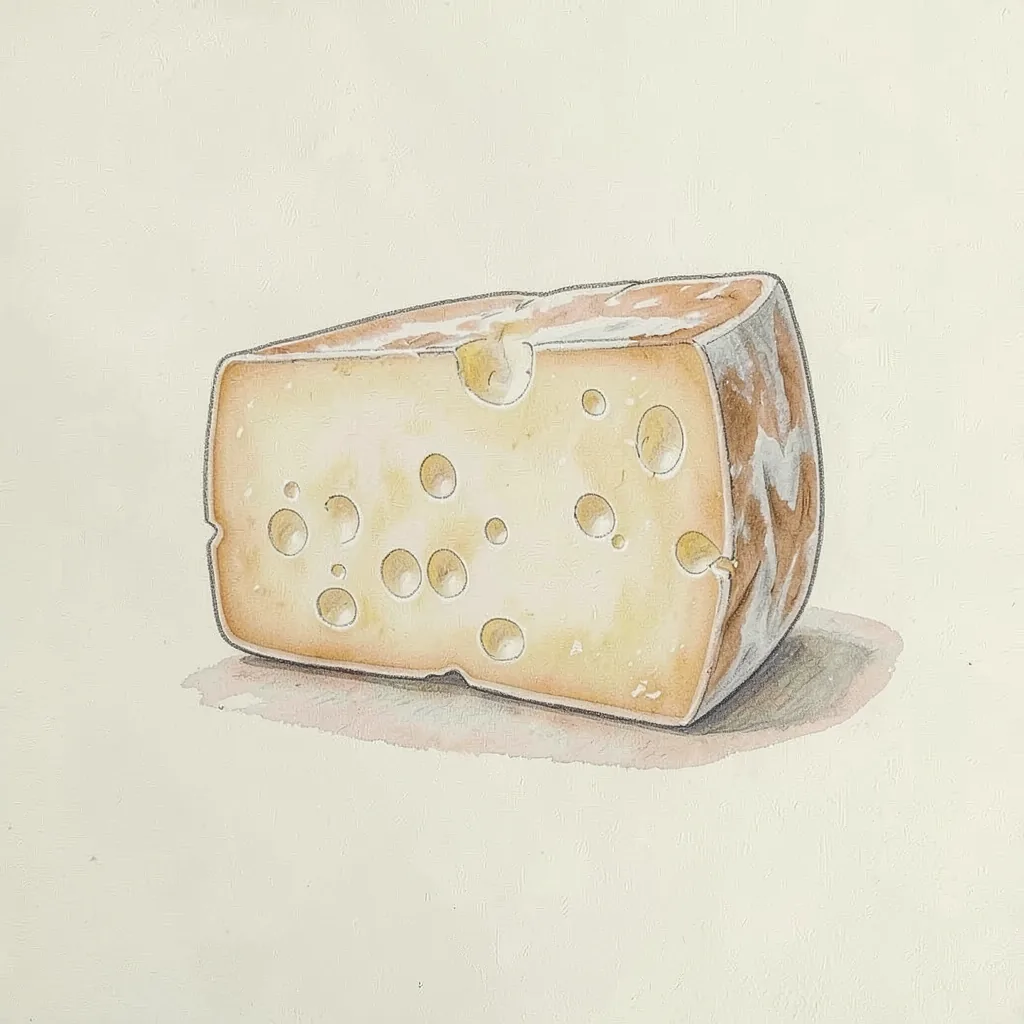
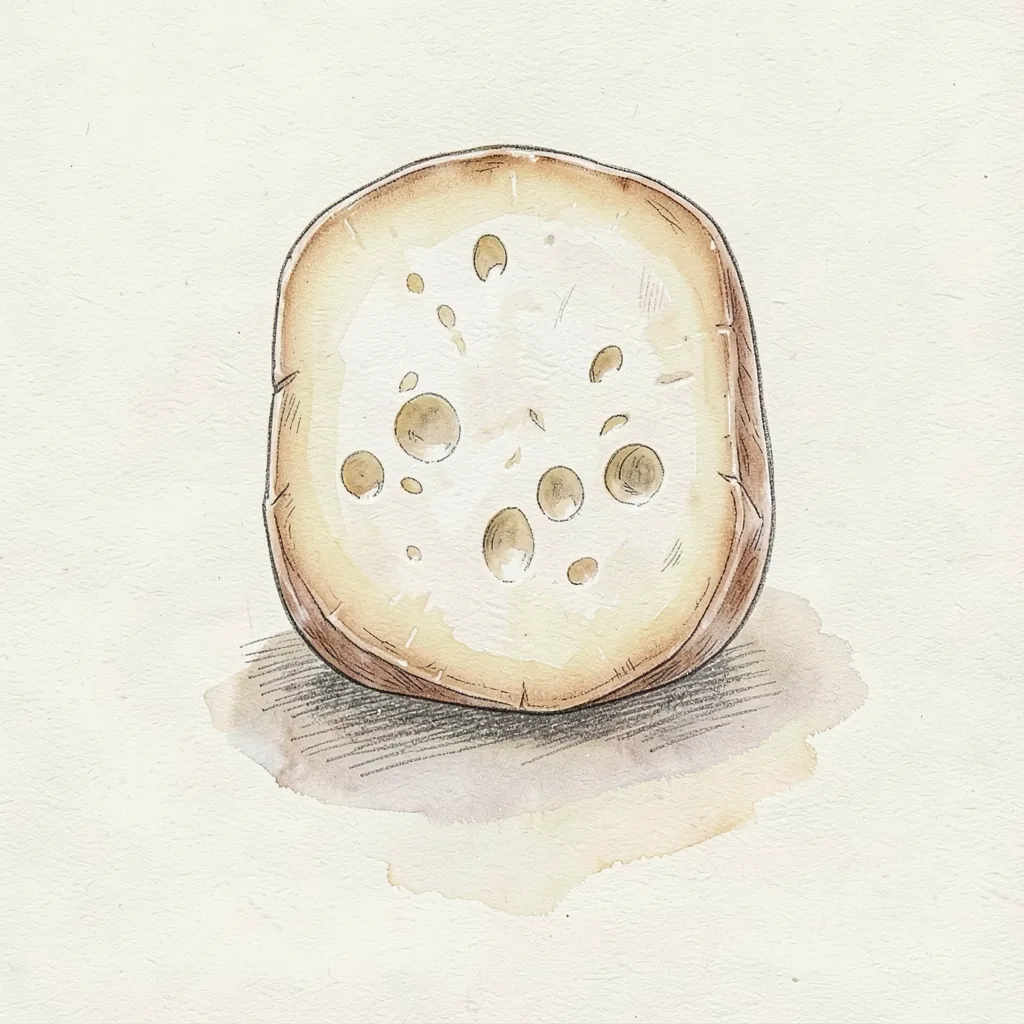
The taste is savory, salty, and often a little sharp, with a clean dairy base under the age. Older cheese picks up a piquant edge and a drier, crumbly break. Younger cheese is gentler, nuttier, and easier to eat in slices. The rind is firm and patterned, and most people leave it aside rather than eat it in thick pieces. Small eyes may dot the paste, but this is not a cheese full of large holes.
Pasture, salt, and time change the finish from batch to batch. A southern wheel can taste robust and slightly spicy, while a younger or more northern wheel stays quieter. Pepper, when it is used, adds a warm bite that should not overwhelm the cheese. The aroma is pleasant and savory, not the wild smell of a pit-aged or washed-rind cheese. Let a piece warm before you judge a board serving, and grate the drier wheels straight from the cold.
In the kitchen
Grate aged Canestrato over pasta, soup, or roasted vegetables. Shave a younger piece onto a salad or set it on a board with bread and fruit. It melts only partly, so use it to season a dish rather than to make a smooth cheese sauce. If the wheel already contains pepper, taste the dish before you add more spice. Wrap the cut face so the paste does not dry out faster than you can use it.
A coarse grater gives better flavor than a powdery pile, because the salty pieces stay distinct. On toast or in a baked pasta, add the cheese late so it softens without frying in its own fat. Pair a board wedge with pears, walnuts, or a plain cracker. Keep strong honey or a very sweet jam for a small bite, not for the whole plate. Store the wheel wrapped and cold, and bring only the portion you need out to warm.
Around the world
Outside Italy, Canestrato appears in Italian shops and at counters that stock aged grating cheeses. The region on the label matters more than the shared name. A wheel from the south is the one to buy for the grater, and a milder wheel is the one to slice. If the label is only the general name, ask how long it was aged and whether it is meant for the table or the kitchen. A dry, hard piece will disappoint if you wanted thin slices.
Pecorino Siciliano is a close neighbor and sometimes shares the basket look, so check the name before you assume the cheeses are the same. Pecorino Romano is saltier and more uniform, and it can replace Canestrato on pasta when the basket wheel is missing. American basket cheese is a fresh, soft cheese. The shared word basket does not make it Canestrato. Use that fresh cheese in a salad, not on a grater.