What it is
The Turkish name is sepet peyniri, which means cheese of the basket. Makers drain the curd in a woven basket, and the weave leaves a pattern on the surface. A fresh piece is mild, moist, and often almost without salt. A drier piece is firmer and only lightly salty, but it is still a young cheese.
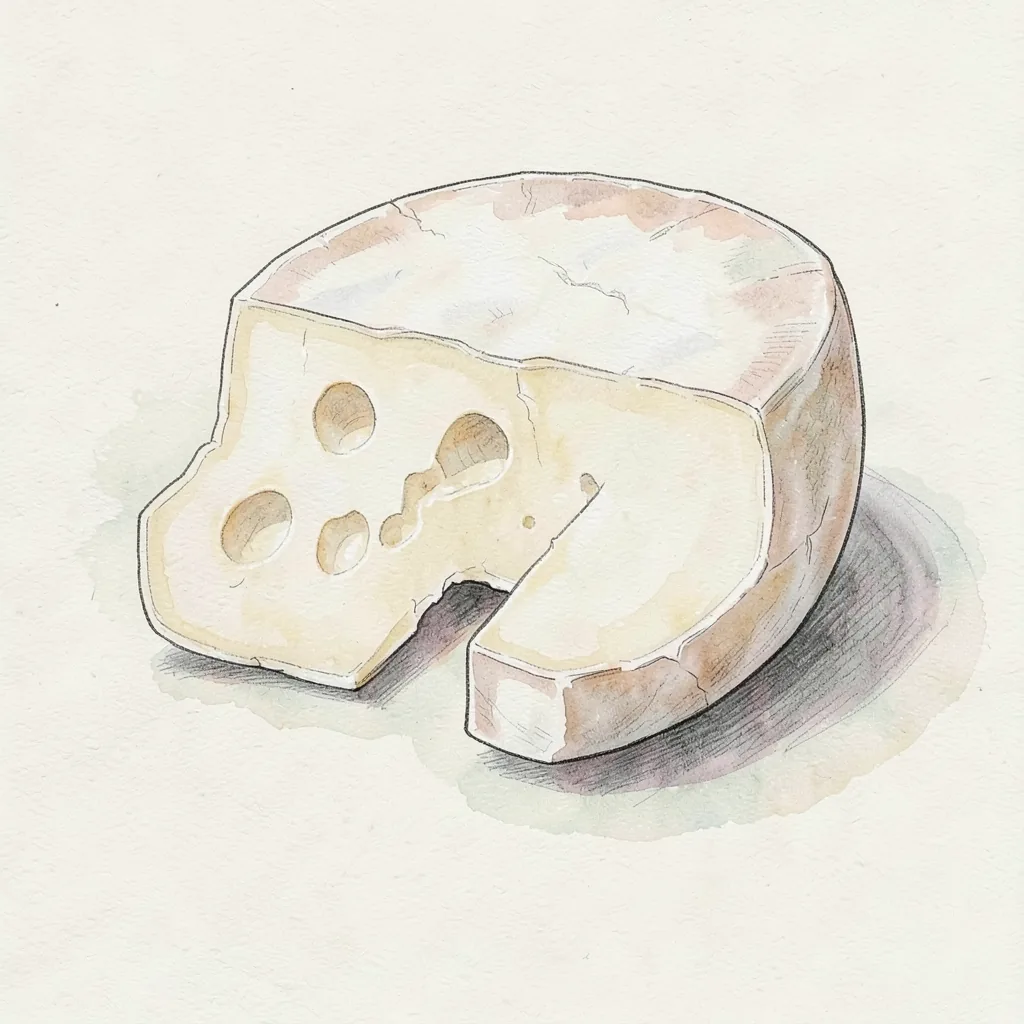
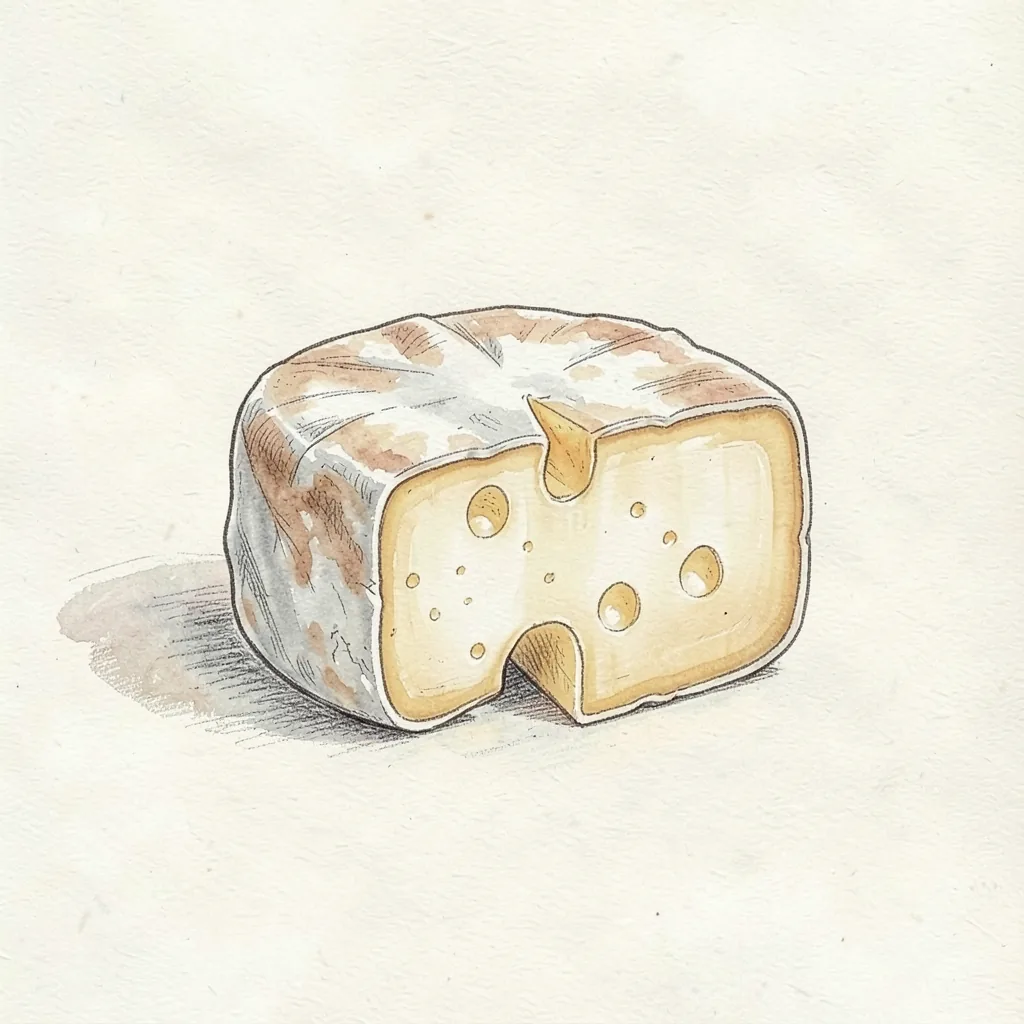
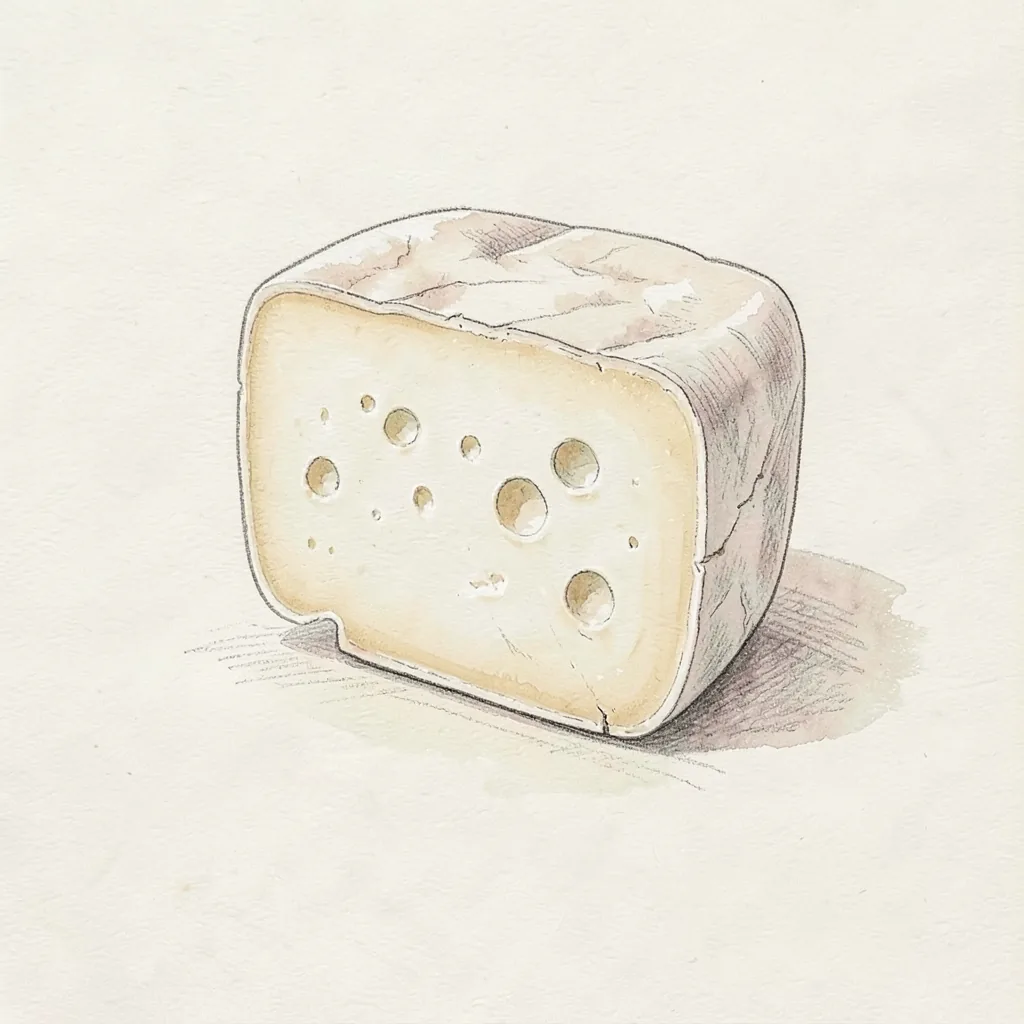
The paste is white to cream, with a soft, slightly springy bite and no rind at all. There are no eyes, no blue veins, and no washed coat. Very fresh cheese can be cut in soft slabs or broken into moist curds. The drier style slices more cleanly and keeps its shape in a salad. Both stay in the fresh family, and neither behaves like a sharp aged wheel.
History
Shaping fresh curd in a basket is an old method around the eastern Mediterranean. Reed or a similar weave gave the cheese its form and its name. In Turkey the style belongs to small dairies, where batches were drained, turned out, and eaten soon. The pattern on the surface showed how the cheese had been made. That mark still tells you more than a fancy printed story on a label.
Cooks outside the Levant kept the basket idea when they wanted a mild fresh cheese. In Italy the cheese goes into savory pies that are traditional at Easter, where the gentle curd is the point. Those pies do not call for a salty aged cheese. The Turkish and Levantine cheeses remain the source of the name and the method. A modern mold can copy the shape, but a woven imprint is the traditional finish.
How it is made
Milk is set into a curd, cut, and drained of whey. The curd is filled into a basket and left to lose moisture without a heavy press. Turning helps the cheese keep an even shape and an even salt level if salt is used. Fresh cheese may get little or no salt, which is why it tastes like clean curd. The basket is then lifted away, and the weave remains as a shallow pattern.
A drier basket cheese is drained more fully, and a light salting gives it a mild savor. Some makers now use forms that imitate the old weave instead of a reed basket. The cheese is still meant to be eaten fresh, not stored until it turns sharp. The color stays pale from the outside to the center. If the surface grows a thick mold, or the smell turns yeasty, the piece is no longer good to buy.
Taste
A fresh piece tastes of sweet, clean dairy and almost nothing else. Salt is faint or absent, and acid stays low. The texture is moist and tender, with a slight spring if the curd was worked firmly. You should not find a bitter rind flavor or a fermented punch. Taste it plain first, so you can tell the unsalted style from the lightly salted one.
The drier style is still mild, but the salt is easier to notice and the bite is firmer. It should not taste like a white cheese that has sat in very salty whey. The aroma stays lactic and quiet. Herbs are sometimes mixed in by a producer, and those versions taste of the herb rather than of age. If a plain piece smells sour or soapy, leave it and choose another.
In the kitchen
Set fresh basket cheese on bread with olive oil, tomato, and olives. Cube the firmer style for salads, where it stays in pieces instead of dissolving. It can fill a savory pie or a baked dish when you want a mild, milky interior. Very soft pieces can be broken over warm vegetables just before you serve them. Do not expect a brown crust or a long chewy stretch in the pan.
Salt may be missing, so season the dish yourself. A pinch of salt, some black pepper, or a few herbs will wake the curd without covering it. Keep the heat gentle. A very hot pan can squeeze out whey and make the cheese tough if you cook it hard. Serve it the day you open it when you can, and wrap leftovers well, because a fresh curd does not improve with time.
Around the world
Basket cheese is sold in Turkey, across the Levant, and in shops that carry food from that region. Labels may say sepet peyniri or simply basket cheese. Read any note about salt, because an unsalted piece and a drier piece behave differently in a recipe. Italian grocers sometimes sell a fresh basket cheese for holiday pies. That cheese shares the shape and the mild taste, even when the dairy is far from Turkey.
Queso panela is the closest substitute in many shops outside the Levant. It is a fresh Mexican cheese, often formed so the surface shows a basket pattern, and it stays mild in salads. Hoop cheese is another fresh curd shaped in a round form, and it can fill a pie when basket cheese is missing. Beyaz peynir is not the same cheese. It is a salty brined white cheese, and it will change the dish if you swap it in without a taste.