Sheep
What it is
The name joins the Italian word for sheep with the island where the cheese is made. Whole sheep's milk is set, pressed in baskets, salted, and kept until the paste is compact. The name is protected, so a wheel sold under it follows that Sicilian tradition. It is a grating and table cheese, not a fresh curd.
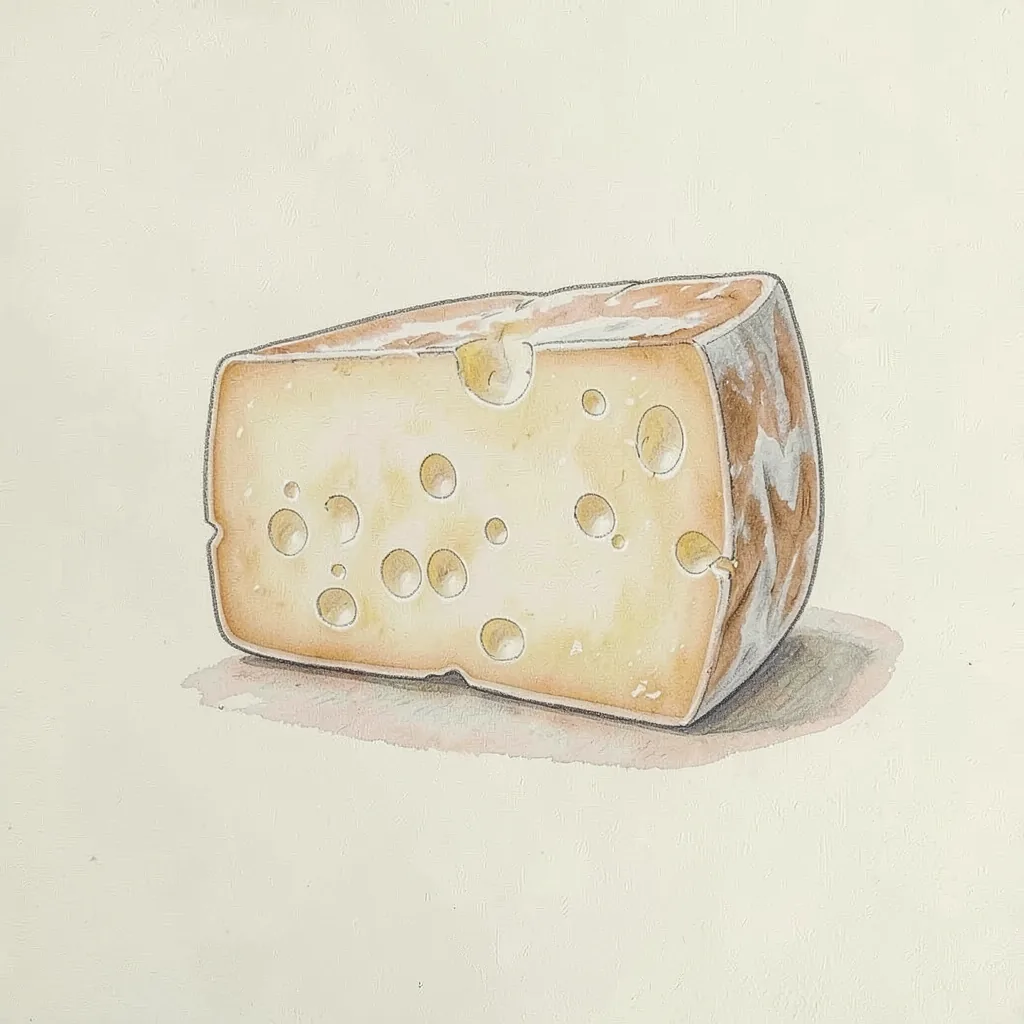
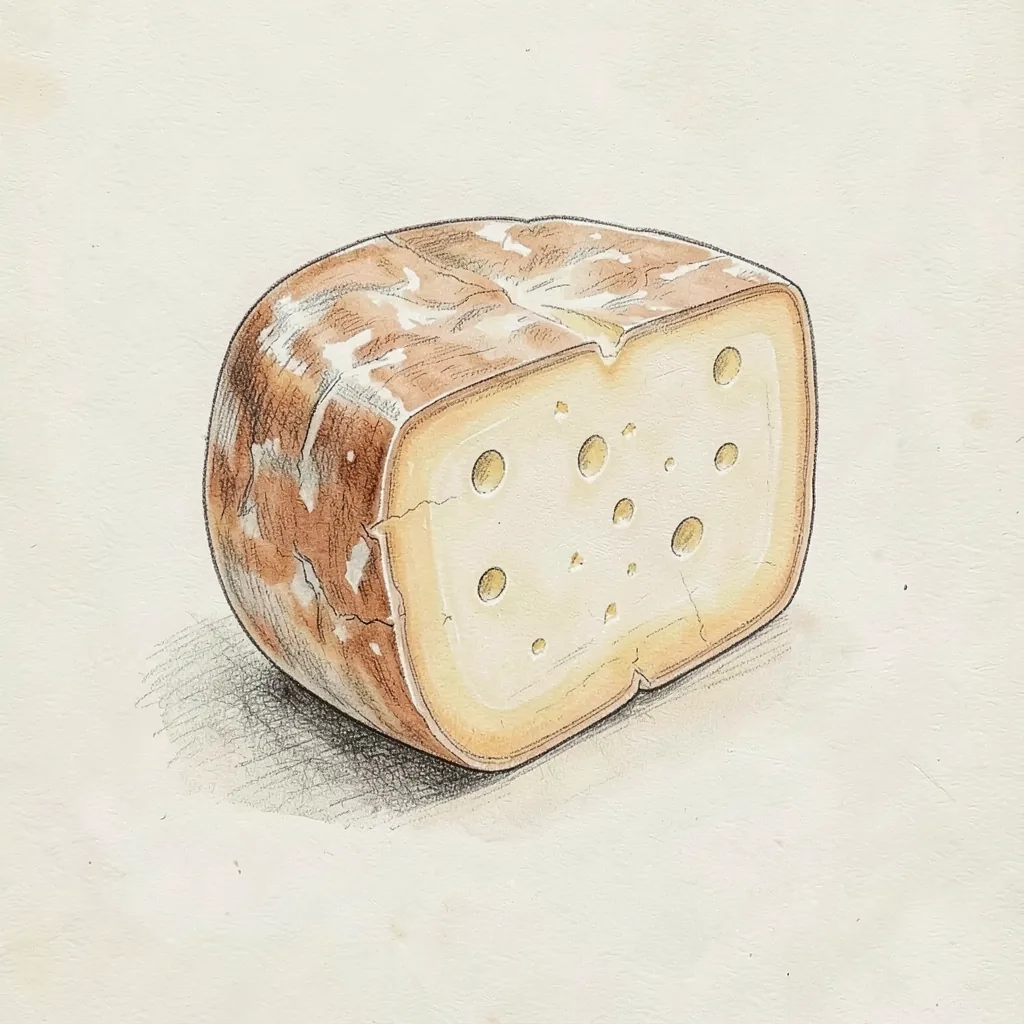
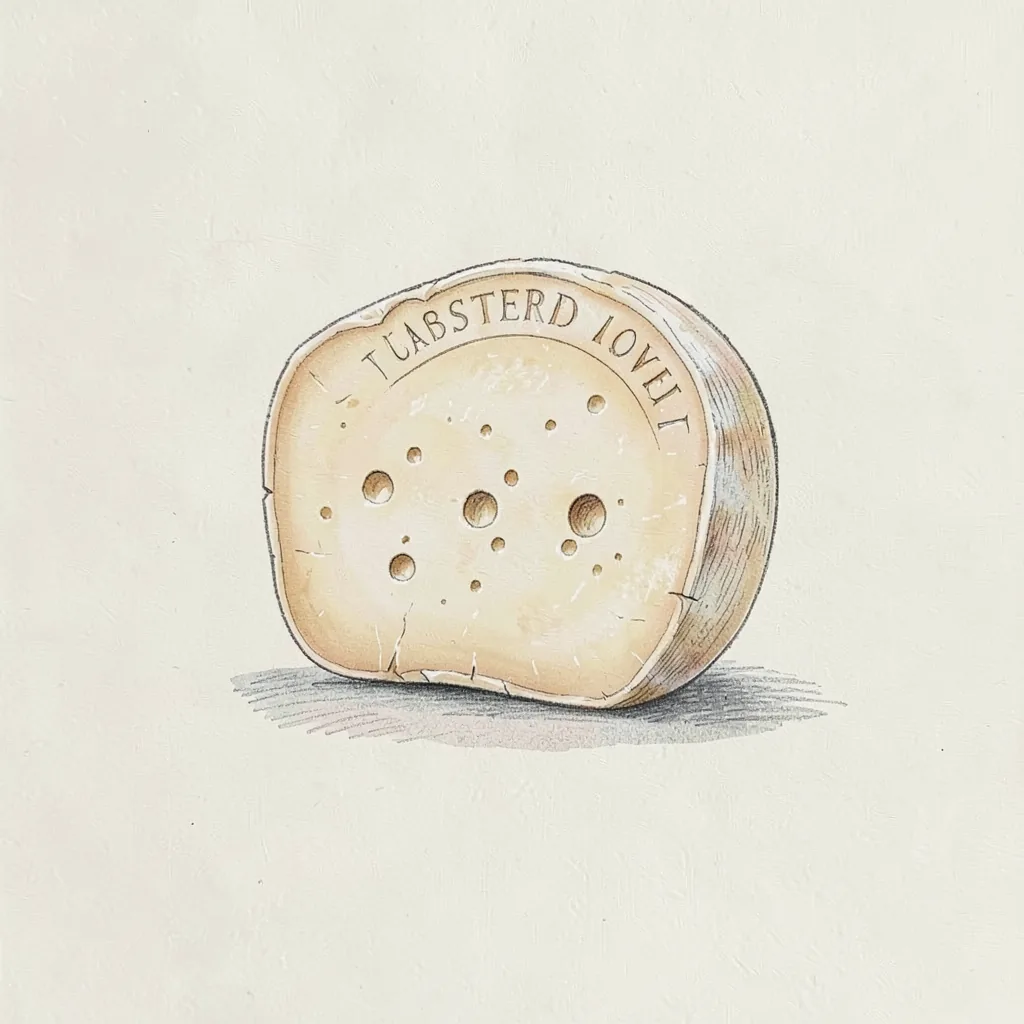
The rind is natural and rough, and it often shows the weave of the basket used as a mold. Inside, the paste is white to pale straw, firm, and dotted with small openings. A younger wheel is milder and a little sweeter. An older wheel is saltier, sharper, and better for grating. A peppered sheep cheese is sold beside it in Sicily, but the plain wheel is the one this name usually means.
History
Sheep cheese has long been part of Sicilian food, because flocks fit the dry pastures of the island. Wheels were a way to hold milk after the season of fresh milk had passed. Basket molds, called fascedde in local speech, gave the rind a patterned face that makers still use. The cheese fed households and also traveled as a durable food. The protected name now ties that basket cheese to Sicily.
Sicily makes more than one sheep cheese, and the names overlap in shops. Pecorino Romano is the famous grating cheese many people know first, though it comes from a different tradition. Pecorino Sardo and Pecorino Toscano are further relatives from other parts of Italy. Pecorino Siciliano keeps the basket mark and a pasture flavor linked to the island. Reading the full name is the way to avoid buying the wrong wheel.
How it is made
Fresh whole sheep's milk is warmed and coagulated with lamb rennet in paste form. The curd is broken into small grains so whey can leave. Makers then work the curd by hand into rush baskets, which shape the wheel and print the rind. The cheese is scalded with hot whey, an old step that helps the paste firm. After that the wheel rests and is turned so it settles into an even cylinder.
Salting is done by hand on the surface, and it is repeated so the salt moves inward. The rind may be wiped with brine if it dries too fast. Ripening takes place in cool, airy rooms until the paste is hard and compact. Nothing is smoked, and blue mold is not part of the make. The finished wheel has flat faces and a pale, textured rind, and its flavor comes from sheep's milk, rennet, salt, and time.
Taste
The taste is clearly of sheep, with salt, a savory depth, and a hint of wild pasture. A younger wheel is rounder and less fierce, and it can be cut in slices for the table. An older wheel turns piquant and drier, with a long finish that suits grating. The paste should feel dense, not chalky and wet. Small eyes are normal, and the color stays white or pale straw.
The rind is tougher and saltier than the center, and many cooks grate only the interior. A faint sharpness near the rind can be pleasant, but a harsh smell of ammonia is not. Pepper, if it appears, belongs to a related spiced wheel and is not required in the plain cheese. Fat from the whole milk keeps the flavor rich rather than thin. Let a slice warm a little before you judge it, or the aroma stays closed.
In the kitchen
Grate aged Pecorino Siciliano over pasta, roasted vegetables, soups, and eggplant dishes. A younger slice belongs on a board with bread, tomatoes, or a sweet fruit paste such as quince. It does not melt into strings. Heat will soften it and turn it savory, but it will not behave like a stretched cheese. Use it where you want salt and sheep flavor in small, deliberate amounts.
Because the cheese is already salty, taste the dish before you add more salt. A little goes far on a salad of bitter greens or on a warm bean dish. Pair the table cheese with a firm bread and something sweet to balance the salt. Wrap a cut wedge so the face does not dry and crack. If you only need a generic hard sheep cheese, another pecorino will do, but the island flavor will be missing.
Around the world
Pecorino Siciliano travels less widely than Pecorino Romano, which dominates many export shelves. Italian shops and good cheese counters are the reliable places to look. The basket pattern on the rind is a useful clue, together with the full name. If a wedge is labeled only pecorino, it may be a different regional cheese. Ask for the Sicilian wheel when the recipe depends on that flavor.
Pecorino Romano is the usual substitute for grating, and it is often saltier and more forceful. Pecorino Toscano is milder and better if you wanted slices rather than a sharp grate. Canestrato is a basket-made relative that can look similar, and some versions use more than one milk, so check the label. Pepato adds whole peppercorns and will change a mild dish. None of these is a perfect copy, but each can fill a gap.