Cow
What it is
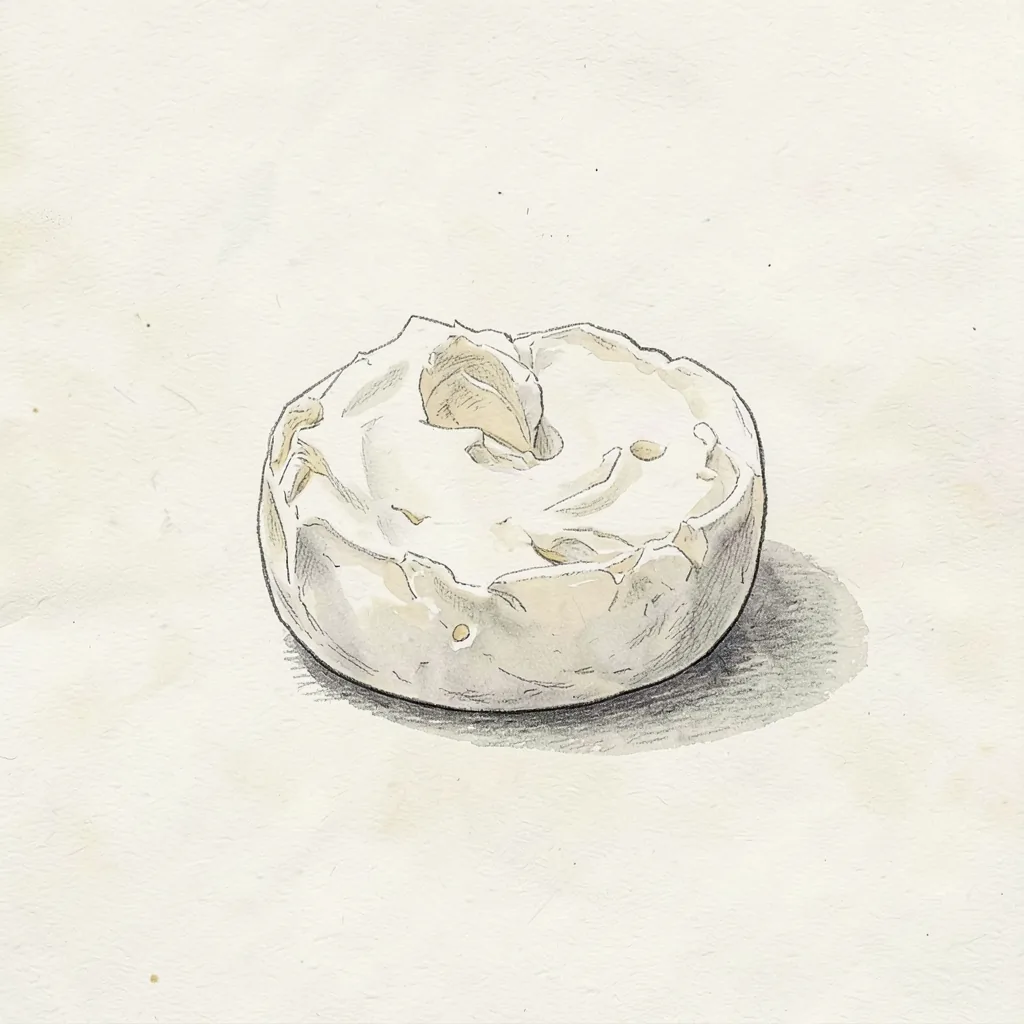
The paste is smooth, pale, and mild, with a body closer to thick cream than to a slice you cut. Producers blend fresh cream with curd and cook the mix until it turns silky and stable. There is no rind, and the cheese is not aged into a hard block. In Brazil the brand is common enough that many recipes write the name and mean this creamy style.
The taste is gentle, lightly salted, and a little sweet from the cream, without a sharp finish. It spreads on bread when cool and melts into a soft blanket when heated. That melt is why cooks tuck it into snacks and use it as a white pizza topping. Other firms make similar requeijão, but this brand set the texture people expect. A pot that is tangy and grainy is a different fresh cheese, not this spread.
History
Requeijão is an older Brazilian dairy food, and Catupiry is the brand that made one creamy version a national staple. The name is said to come from a Tupi word for excellent, which suits the way recipes treat the pot as the standard. It is a commercial brand, not a farmhouse type from one village. Plants in Brazil make the labeled pots for ordinary grocery shelves. Imitation spreads exist, but they are trying to match this texture.
The brand grew because the cheese is mild, rich, and easy to melt. It moved from a spread for bread into filled snacks and onto pizza, where the melt became part of the dish. Coxinha, pastel, and cheese bread often carry it as the creamy center. The name on the pot matters, because a similar spread from another maker is not this brand. Outside Brazil, shoppers usually find the pots in Latin American groceries.
How it is made
The base is cow's milk. Makers use cream and a curd from skimmed milk, plus salt, and they warm the mix so it becomes one smooth mass. Stabilizers help the emulsion stay glossy and keep it from weeping in the pot. The result is a processed soft cheese, not a pressed curd you could age into a wedge, and you will not see a rind, eyes, or a crumbly break. The cheese is packed in tubs and sets to a spreadable body as it cools.
A cook at home will not reproduce the branded pot, and a scratch requeijão only comes close. The commercial texture is very even, with no grain of curd left to notice on the tongue. Salt is moderate, enough to season and not enough to taste like a cheese kept in brine. Because the mix is made to stay stable, it keeps a silky melt inside a hot snack. Check the label if you want the plain original, since the brand also appears on other foods.
Taste
The flavor is mild, creamy, and lightly salted, with a dairy sweetness and almost no tang. There is no mold aroma, no smoke, and no sharp note from long aging. On the tongue it feels smooth and thick, like a soft spread that still tastes of fresh cream. Heat wakes the salt a little and makes the body glossier. Cold from the fridge, it is firmer and better for a knife on toast than for a loose spoon.
People who expect a strong cheese can find it plain, and that plainness is the point. It carries dough, chicken, and tomato sauce instead of dominating a board. A grainy or very sour tub is likely a different requeijão or a fresh curd. The branded spread stays uniform and calm from the first bite to the last. The aftertaste is short, salty, and milky, so a little heat in the recipe still leaves room for the cheese.
In the kitchen
Spread it on bread or crackers, or set it out as a mild dip, though the better-known jobs are hot. It fills coxinha and pastel, sits inside Brazilian cheese bread, and covers a pizza in a thick white layer. On pizza it melts smoothly and browns in spots without pulling into long strings. Use it where you want creaminess, and add a sharper cheese beside it if the dish also needs bite.
Because it is already soft, it is not a cheese you grate, so spoon it, spread it, or melt it. In a baked snack, keep a little moisture in the filling so the center stays lush instead of drying at the edge. It can stand in for cream cheese in a mild spread, though it is thicker and less tangy. Keep leftovers in the tub with the lid on, and if a little liquid weeps out, stir it back in before you cook.
Around the world
Inside Brazil, Catupiry is an ordinary grocery item and a word on menus, not a rare import. Pizzerias list it as a topping in the way other countries list a stretched melting cheese. Brazilian shops abroad keep the pots on the shelf, and some pizzerias outside the country now print the brand. A cook who cannot find the label can use another creamy requeijão and get a similar melt. The branded pot is still the texture people mean.
Do not treat it as Minas cheese, a fresher Brazilian cheese with a different cut and a light tang. Do not treat it as cream cheese either, though the two can share a role in a spread. Cream cheese is tangier and denser, and its melt is not quite the same. In a pizza shop far from Brazil, a request for the brand sometimes brings a generic white melt. If the tub does not show the name, call the food requeijão, not Catupiry.