Cow
What it is
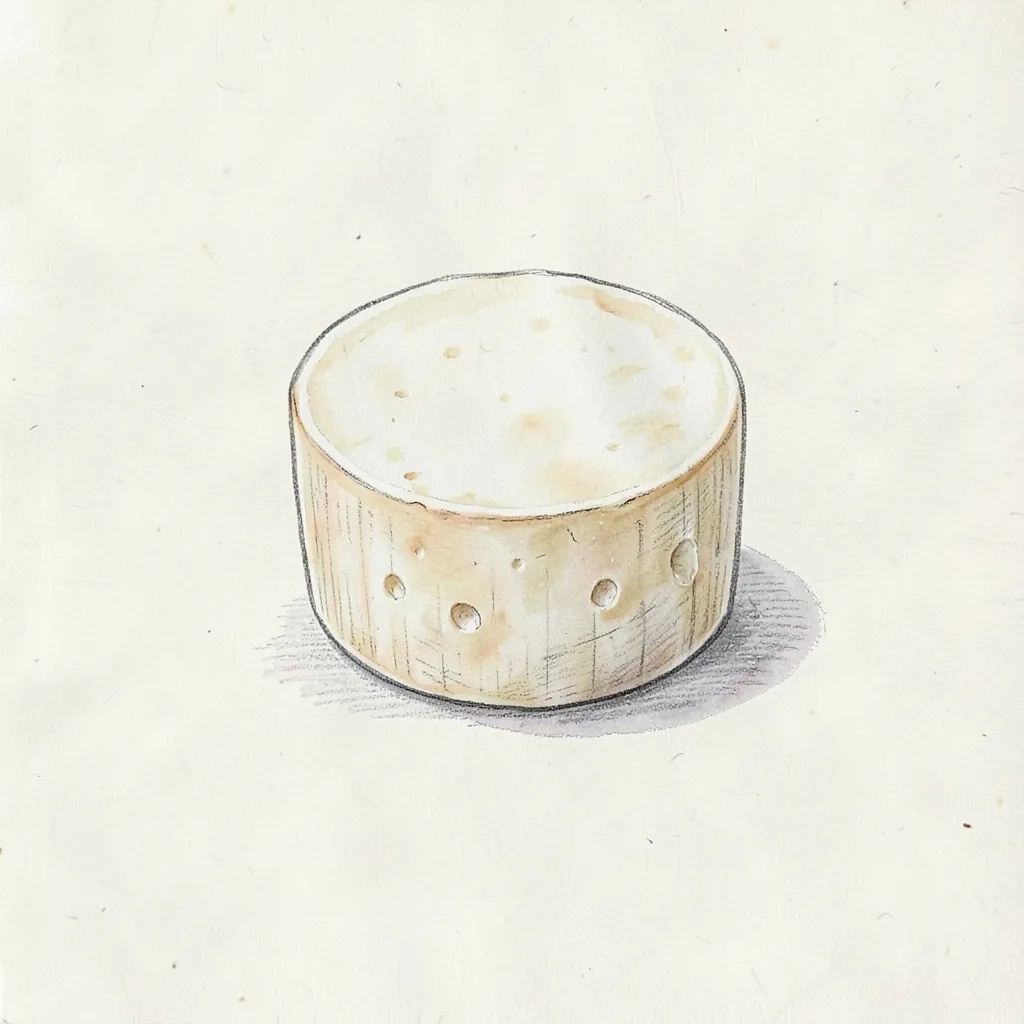
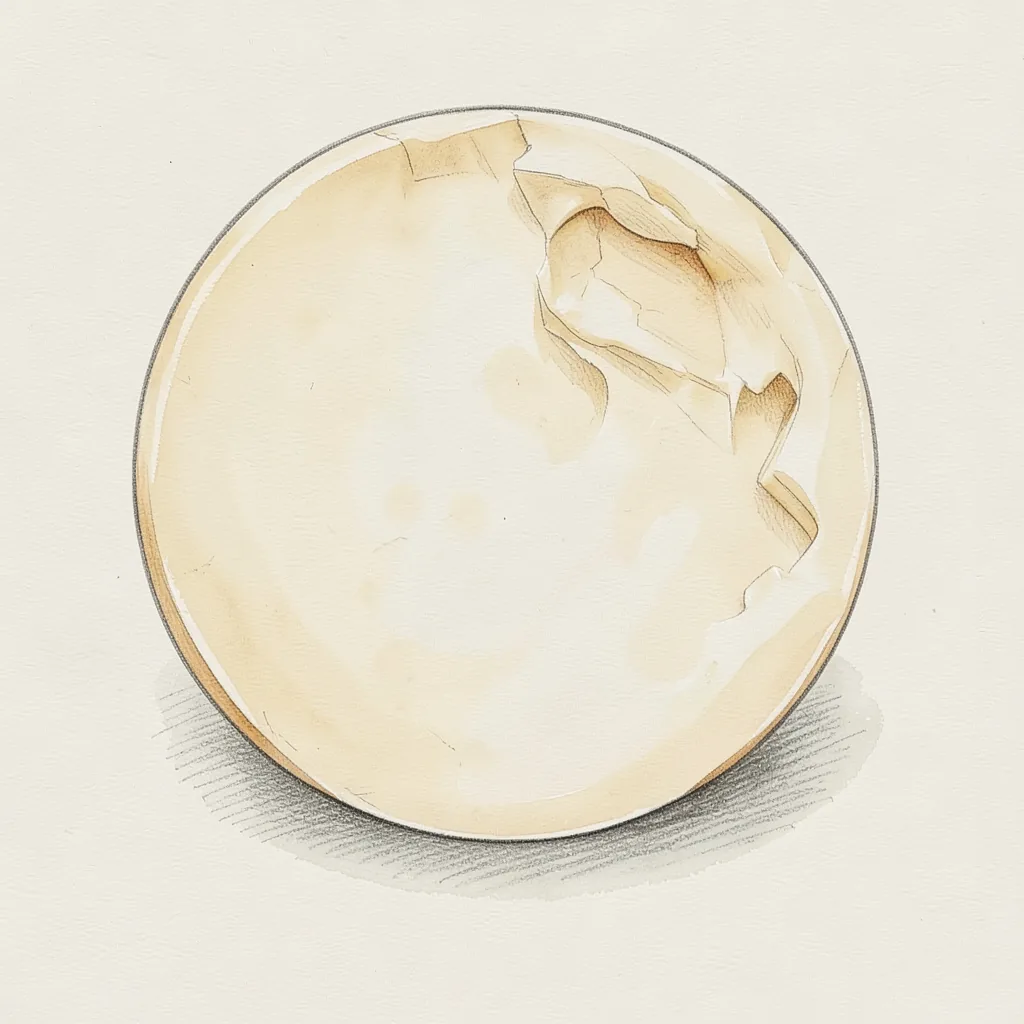
In Portugal it is a fresh whey cheese, made by heating the whey left from cheesemaking until the proteins set into a mild, moist curd. The taste is gentle, milky, and a little sweet, closer to a fresh whey cheese than to an aged wheel. It has no rind and no long cure. People eat it with a spoon, on bread, or in sweets.
In Brazil the word usually means a creamy spread sold in a small glass or tub. That spread is smooth, lightly salted, and pourable or spoonable, and it is made in a different way from the Portuguese whey curd. A firmer sliceable version also exists in parts of Brazil. Because one name covers these foods, the package matters more than the word alone. A grainy fresh curd and a glossy cream are both called requeijão, and they do not cook the same way.
History
Portuguese cooks have long saved whey from cheesemaking and heated it to recover a second, softer food. That practice is how requeijão began, as a way to use what would otherwise be left after a cheese was pressed. It stayed a fresh product, eaten soon after it was made, often with bread or with a sweet preserve. The name traveled to Brazil with Portuguese food habits. There, dairies adapted the idea and built the creamy spreads that many Brazilians now mean by the word.
The Brazilian creamy style became an industrial grocery item, packed for spreading on toast and for filling snacks. A firmer farmhouse style, sometimes called a cutting requeijão, remained closer to a sliceable fresh cheese. Neither story erases the Portuguese whey curd, which is still made where cheeses are made. Shoppers abroad may see only one of these foods and assume it is the only requeijão. The shared name hides a real split in method and in texture.
How it is made
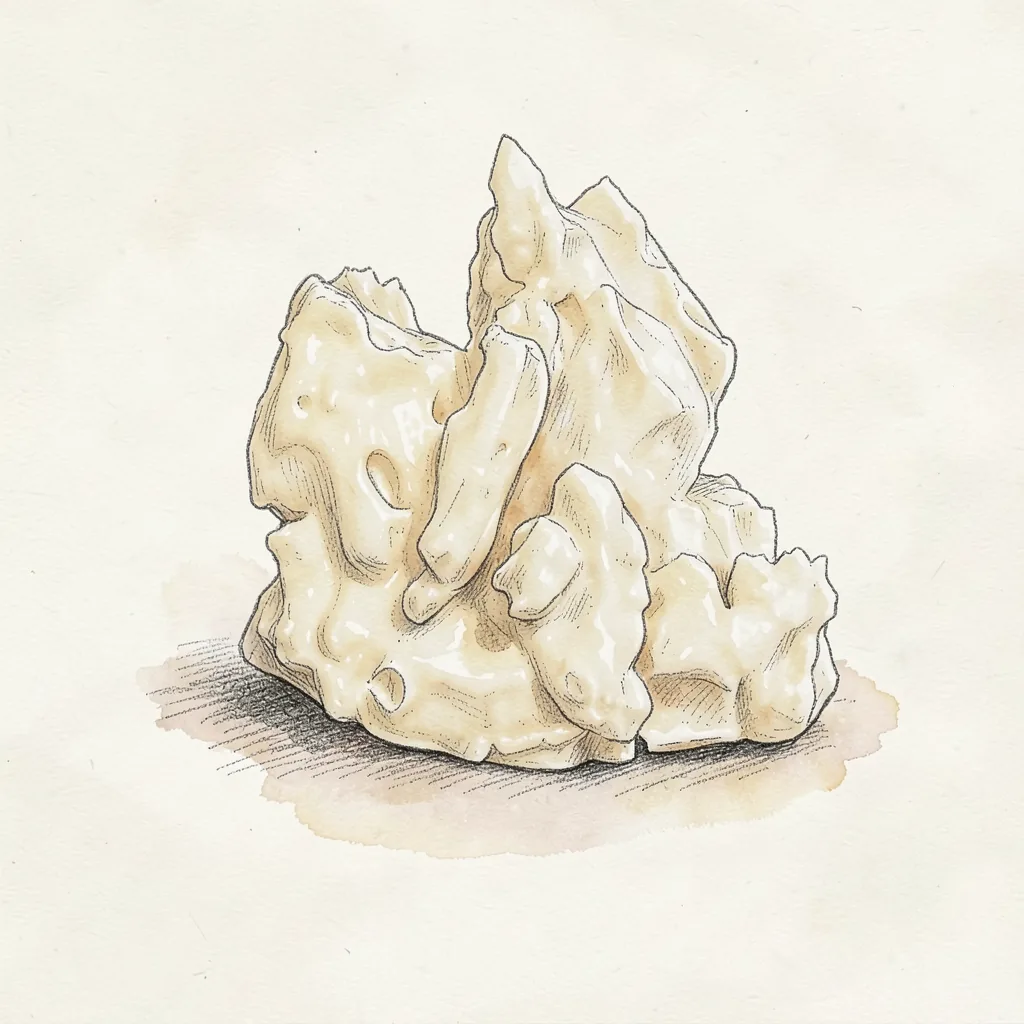
For the Portuguese whey cheese, leftover whey is heated until fine proteins rise and clump into a soft mass. The mass is drained, and it may be lightly salted or left very plain. Some batches stay loose and spoonable, and some are pressed enough to hold a gentle shape. There is no rind, no mold ripening, and no long cellar time. The result is a fresh curd with a moist, tender grain and a clean dairy smell.
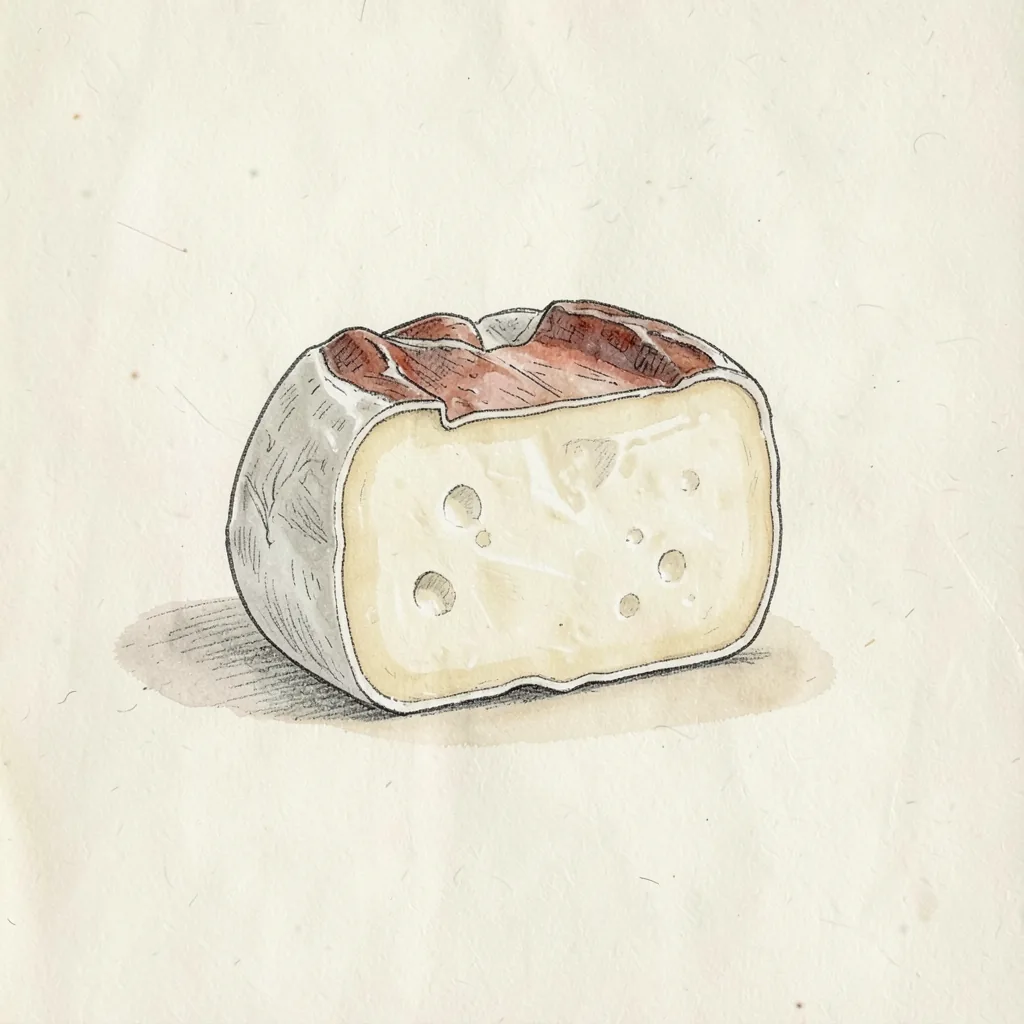
The creamy Brazilian spread starts from fresh curd that is worked with cream or butter until it turns smooth. Melting salts are often part of that industrial step, which is why the spread stays glossy and even. It is packed hot or warm into cups and cooled. The sliceable Brazilian style is cooked and set into a block you can cut. These methods are not the same as simply heating whey, so a recipe written in Portugal may fail if you use the Brazilian cup.
Taste
Portuguese requeijão tastes milky, faintly sweet, and clean, with only a light tang and a soft dairy smell. The grain is tender, and it can feel a little sandy if it was drained firmly. Salt is modest when it is salted at all. It does not have a rind flavor, a bite from aging, or a strong punch from the cheese that left the whey. Think of fresh dairy, not of a sharp table cheese.
Brazilian requeijão cremoso is smoother, saltier, and more buttery, with a mild flavor that spreads like a soft cheese sauce. It can taste slightly tangy, but it rarely tastes sharp. The sliceable kind is denser and a bit more savory, and it still stays mild. Neither Brazilian style has a rind or blue veins. If the cup smells sour or the surface looks split and dry, the pack is past its best.
In the kitchen
In Portugal, spoon requeijão onto bread, or eat it with pumpkin jam or another sweet preserve. It fills pastries such as small cheese cakes, and it can lighten a baked dish. Because it is fresh and moist, it will not grate, and it will not brown like a firm cheese. Use it where ricotta would go, and expect a similar mild result. Season the dish yourself, since the curd may be almost unsalted.
In Brazil, the creamy spread goes on toast, into pasta, and into snack fillings where a smooth melt is wanted. It can top a pizza or enrich a chicken dish, and a spoonful loosens a sauce. The sliceable kind is better on a breakfast plate with bread and fruit. Do not swap the two blindly in a recipe that depends on thickness. Keep both cold, and stir the creamy kind before you measure it if the pack has settled.
Around the world
Outside Portugal and Brazil, requeijão is less famous than ricotta, but the Portuguese version belongs in the same broad group of whey cheeses. Shoppers in Europe may find it near fresh cheeses, sometimes beside the cheese whose whey it came from. In Brazil it is an everyday item, not a specialty wedge. Immigrants and Brazilian grocers carry the creamy cups to other countries, where people use them like a mild cheese spread. The Portuguese curd is harder to find once you leave Portugal.
Ricotta is the usual substitute for the Portuguese curd, and a fresh quark or fromage blanc can play a similar role in baking. Catupiry is the Brazilian brand that many people confuse with creamy requeijão, and the two spreads can replace each other in snacks. They are not identical, so taste before you fill a pastry. A cream cheese block is firmer and tangier than the Brazilian cup. Read the label for country and texture, then choose the substitute that matches the dish.