What it is
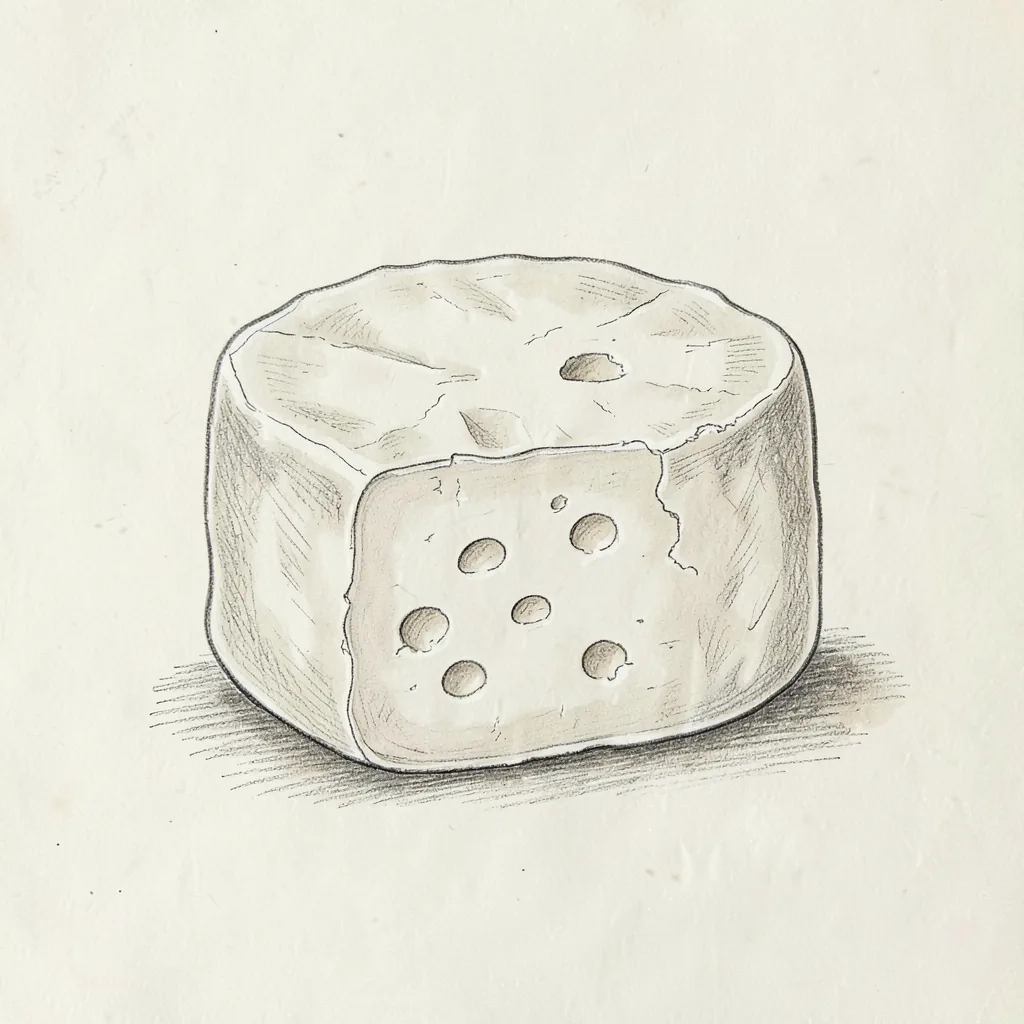
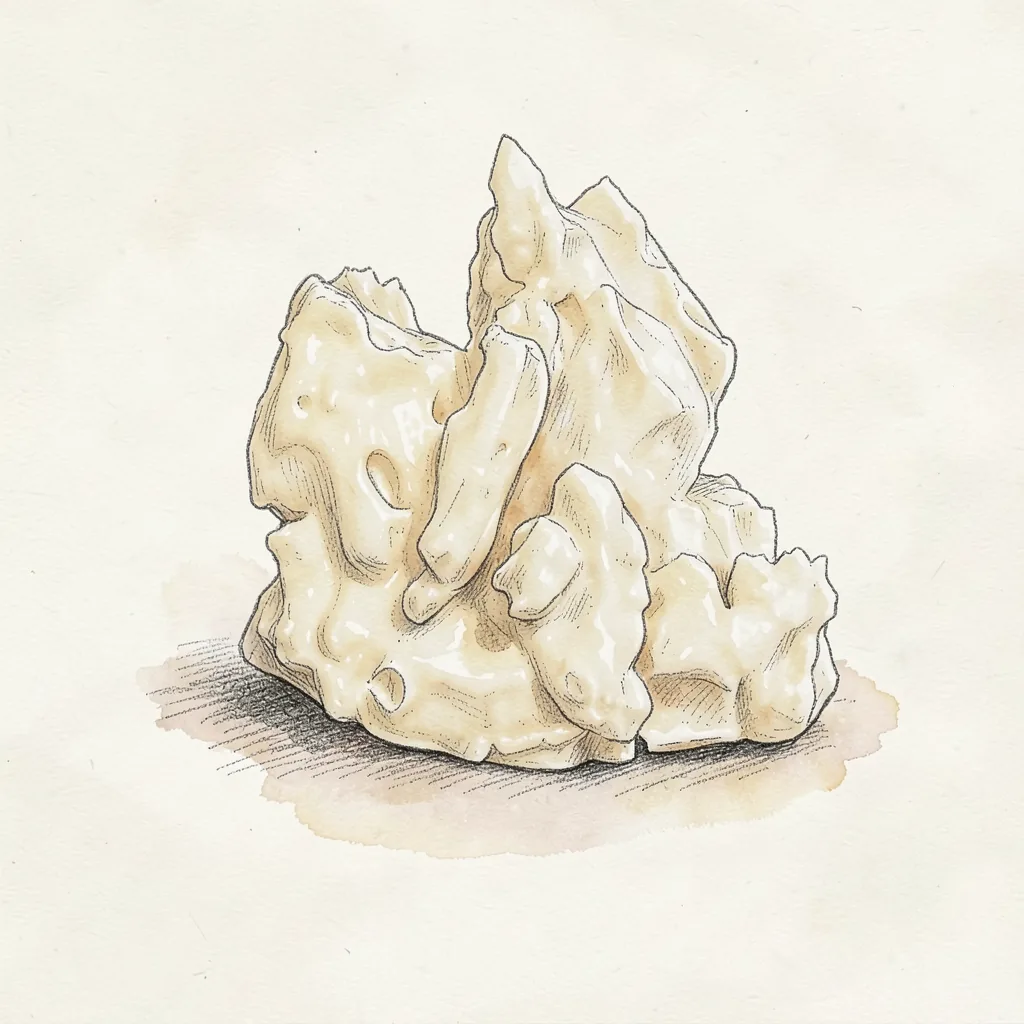
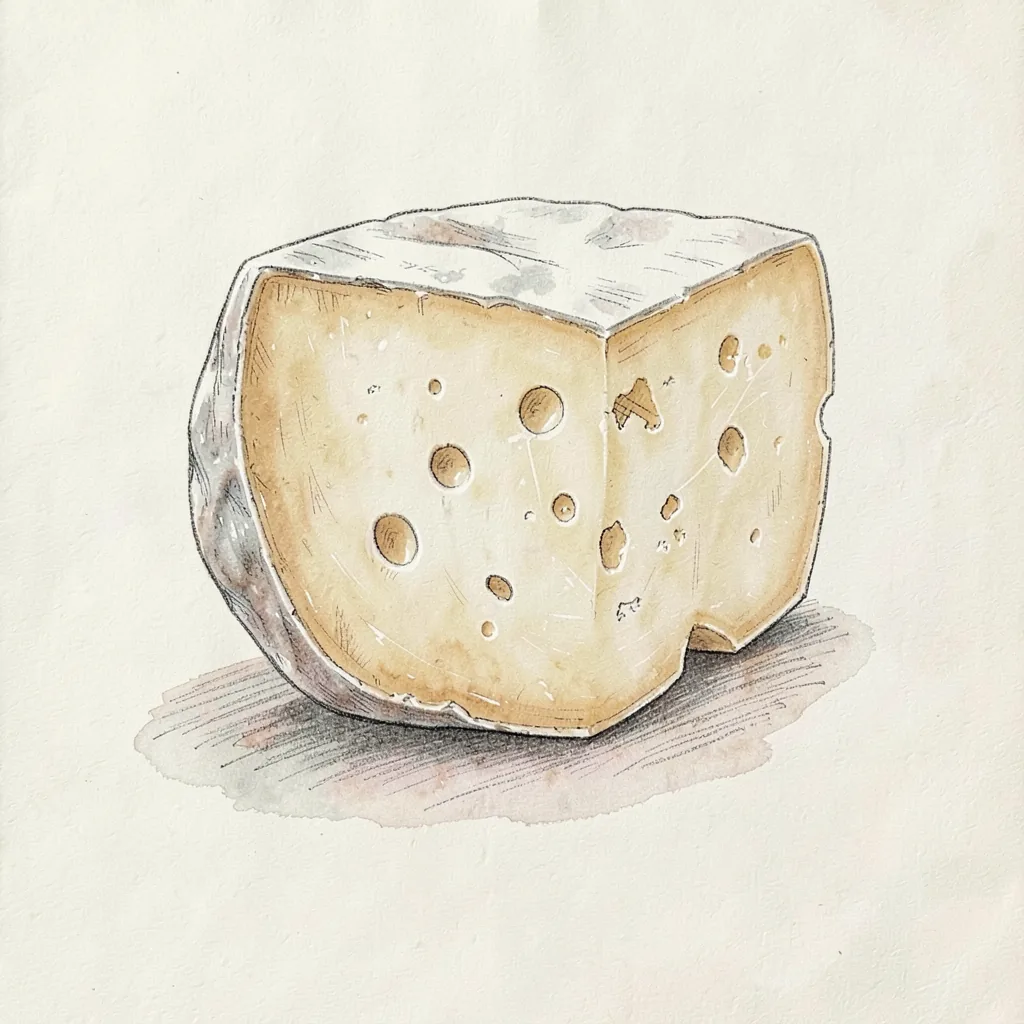
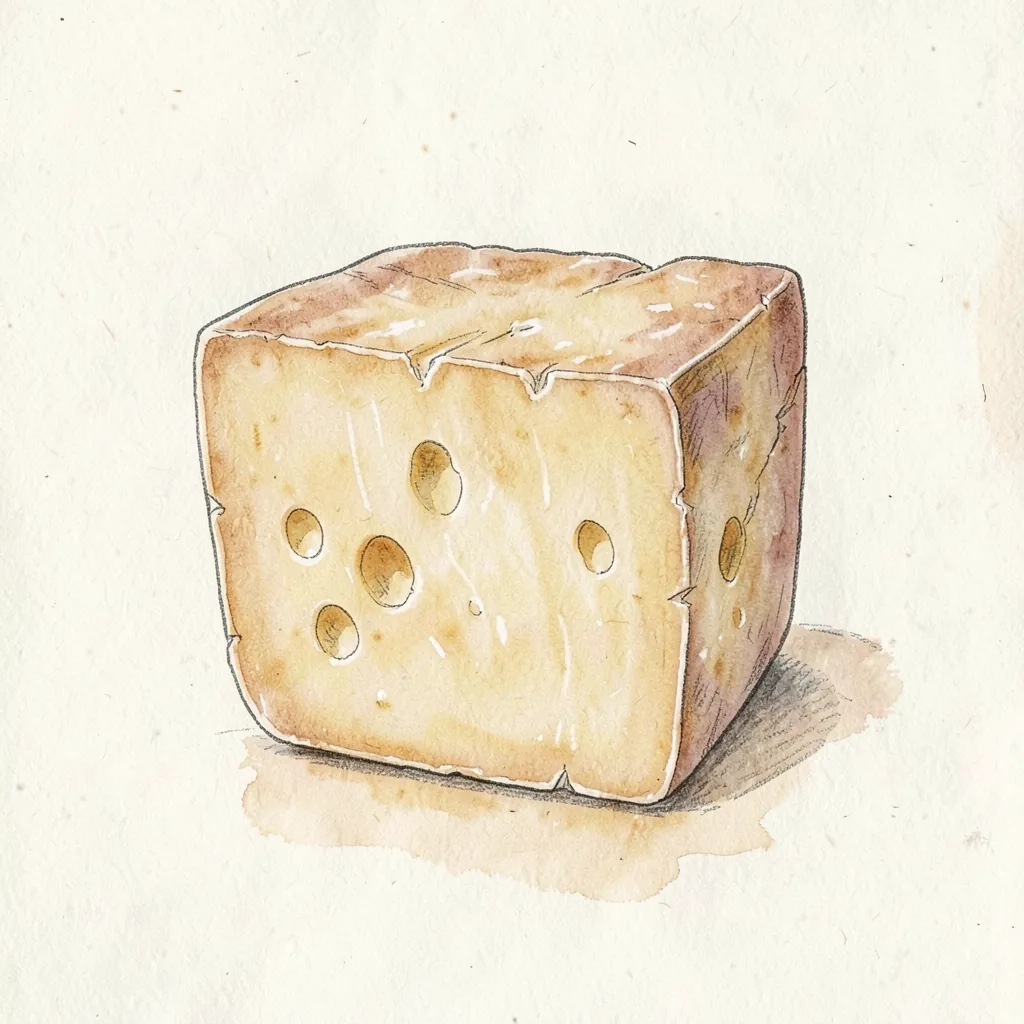
It is the moist form of chura, closer to fresh curds than to a wheel with a rind. The curds are mild, loose, and a little tangy, and they are meant to be eaten soon. A harder dried cheese from the same curd tradition is a different food. Chura loenpa stays soft, and that softness is the point of the name.
The texture is like a tender cottage cheese, with small curds that give under a spoon. There is no rind and no long aging. Salt may be light, and the taste is milky and clean rather than sharp. People eat it fresh, stir it into simple meals, or dry related curds for keeping, but the dried result is no longer this cheese. In ordinary shops outside Tibetan communities it is uncommon, so many cooks meet it only in descriptions of the cuisine.
History
Soft curds have long been a practical food in Tibetan cooking, where dairy is turned into butter and the remaining liquid still has food value. Heating that liquid sets tender curds, and those curds are chura loenpa when they stay moist. Drying the same curds makes a hard keeping cheese, which is why two names sit side by side in older accounts. The soft cheese was everyday food, not a trade wheel with a brand. In China it remains tied to Tibetan food tradition rather than to a city dairy.
Travelers and cooks have often mixed up the soft curd and the dried cheese, because both can be called chura. The moist one is eaten fresh. The dry one is kept, chewed, or grated. That split matters, because a recipe for one will fail with the other. The soft cheese never became an export brand, and it is still better known inside Tibetan cooking than on a foreign cheese board.
How it is made
Butter is churned first, and the sour liquid left behind is heated until soft curds form. The curds are drained gently, not pressed into a dense wheel. While they stay moist, the food is chura loenpa. The method fits a kitchen that already makes butter, and it does not need a long rest in a cellar. If the curds are later dried in the sun or by a fire, they become a different, hard cheese.
Fresh curds are white, soft, and uneven, more like a spoonable cheese than a slice. They do not grow a rind, and they do not develop eyes or crystals. Because moisture stays high, the cheese does not keep the way a hard wheel does. People who want a store of food shape related curds and dry them, sometimes with a little butter mixed in before drying. That dried food is the hard cousin, and it should not be labeled as the soft cheese.
Taste
The taste is mild, milky, and gently sour, with a clean finish. There is little salt compared with a brined cheese, and there is no pepper, smoke, or washed rind aroma. The curds feel tender and slightly grainy, then they melt away on the tongue. A very fresh batch tastes sweeter and softer. A batch kept a little longer tastes more tangy, and it can turn sharp if it is held too long.
Look for a fresh smell, not a rotten or yeasty one. The color should be white to cream, without dark rind or mold as a feature. If the curds are rubbery, they have been dried and they are no longer this soft cheese. If they are watery and bland, they may simply be very fresh, and a pinch of salt at the table will wake them. The pleasure is in the gentle tang and the soft grain, not in a strong perfume.
In the kitchen
Eat chura loenpa soon, as a snack or stirred into a simple meal. It can sit beside bread, or it can be folded into vegetables the way other fresh curds are. Because it is soft, it needs no grating and no long melt. A little salt, a spoon of butter, or butter tea is a common partner in Tibetan cooking. Do not cook it hard for a long time, or the gentle taste will fade and the curds will toughen.
If you only have the dried hard cheese, do not treat it as this fresh curd. Soak or shave the hard piece, and use the soft cheese only when you want a spoonable texture. Cottage cheese or quark can fill a similar role in a recipe that calls for mild fresh curds. They will not taste the same, but they will behave in a gentle way in the pot. Keep the fresh cheese cold and use it quickly, because it is not a keeping cheese.
Around the world
Chura loenpa is little known outside Tibetan cooking in China and nearby highland communities. Cheese lists sometimes swap its name with chura kampo, the dried hard cheese, or with chhurpi, which is harder still. Those harder foods can be stored and chewed, while this soft curd cannot. A shopper who wants the fresh cheese should look for moist curds, not for a stone-hard nugget. In most cities it is a food you meet through Tibetan cooking, not through a standard cheese counter.
Cottage cheese is the practical substitute when a dish needs mild, spoonable curds and the Tibetan cheese is not for sale. Quark is another fresh, tangy option with a smoother body. Neither one carries the same story, and neither one should be dried and renamed as the hard Tibetan cheese. Chura kampo remains the cheese people confuse with this one, because the names share a word. If the piece is hard enough to keep in a pocket, it is not chura loenpa.