Cow
What it is
The Adyghe name and the Russian name adygeyskiy syr point to the same family of cheeses. Makers shape it into rounds, often with a basket, and sell it fresh, dried, or smoked. It crumbles rather than stretches, and it works as a table cheese as well as a cooking cheese. The style belongs to Circassian food, not to a single factory brand.
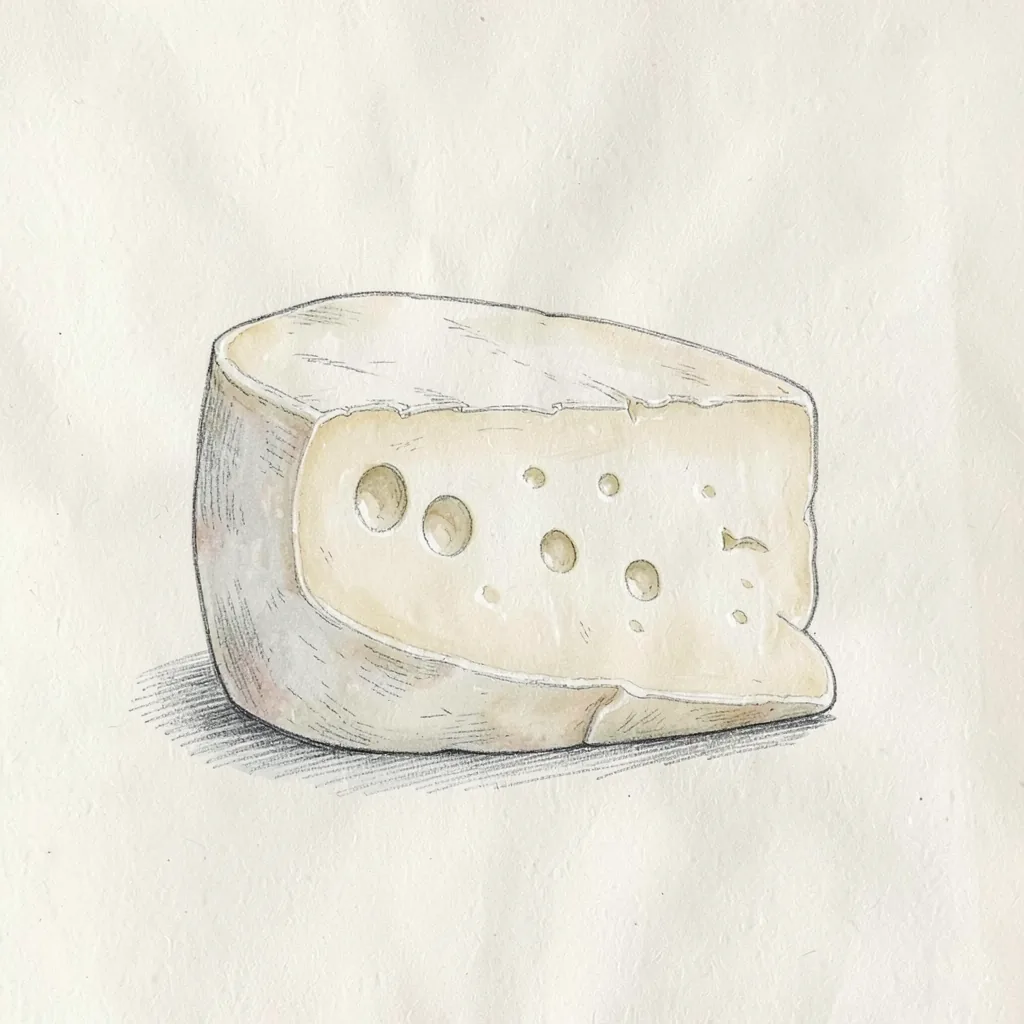
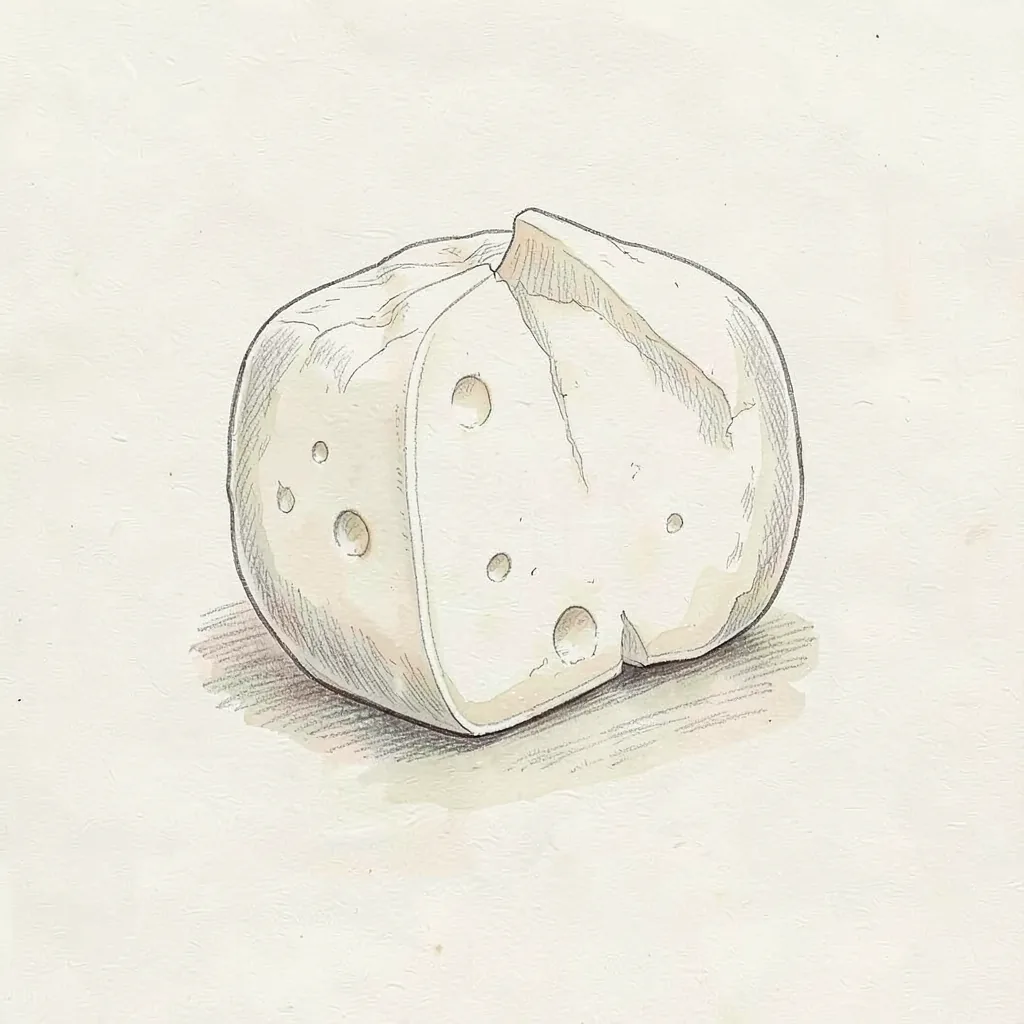
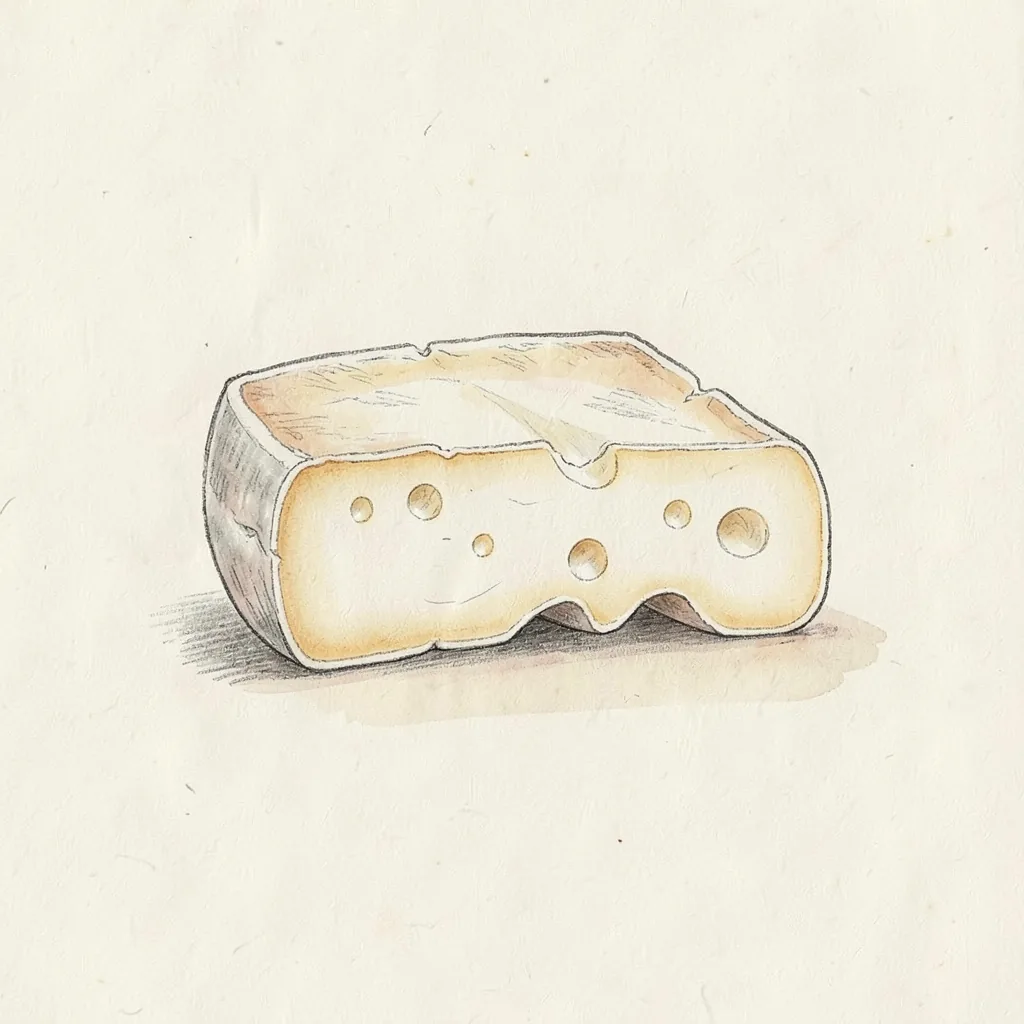
A fresh piece is white, moist, and lightly sour, with a clean smell and a soft crumb. Dried pieces are firmer, and smoked pieces carry a darker exterior and a light smoke note. You can eat the fresh cheese soon after it is made, which puts it with fresh cheeses rather than with long-aged wheels. In Adyghea it is ordinary food on the table and in the market. Abroad it appears in Caucasian and Middle Eastern shops, sometimes under the Adyghe spelling alone.
History
The cheese is part of Circassian cooking, and Circassian communities have carried it far beyond the Caucasus mountains. In Russia, Adyghea is the region most shoppers will see on a label. The method is older than modern dairies, but no single founder or single village owns the name. Basket molds, sour whey, and a short make are the parts people still recognize. Makers in Adyghea still compare batches in public, which shows that the cheese remains a living local food.
Diaspora cooks kept the cheese in the Levant and in other countries where Circassian families settled. Those versions can differ in smoking and in how dry they are, so the name covers a family of cheeses. The Russian shop cheese labeled as Adyghe cheese is the one most outsiders meet, and it is still Circassian cheese. Smoked Circassian cheese is a related finish, not a separate homeland. When a label says only that a cheese is Caucasian, ask which style is actually in the pack.
How it is made
Warm milk is set with sour whey or a similar acid culture, so the curd forms in the pot. The curd is gathered and shaped in a basket or a mold, which leaves a patterned face on many rounds. Whey drains off, and the cheese is salted before it is sold fresh. Some rounds are dried in the sun or in a warm room until they firm up. Others are smoked after the fresh cheese is already made, which adds aroma without a new curd.
The basket face is a useful clue in a market, but not every dairy still uses wood for the mold. Industrial Adyghe cheese follows the same fresh, mild idea with smoother, more even rounds. Smoking, when it is used, is a finish on a cheese that already exists, not a separate recipe. Drying removes moisture and makes the paste firmer and a little saltier on the tongue. If you only need the fresh style, choose a moist white round with a clean, lightly sour smell.
Taste
Fresh Circassian cheese is mild, milky, and a little tart, closer to a fresh curd than to a sharp aged wheel. Salt is present but not fierce in a typical shop round from Adyghea, and the smell stays clean. The paste breaks into moist crumbs instead of stretching into strings. A dried round tastes more concentrated and a bit chewier in the bite. Smoke adds aroma on the outside, and the interior should stay pleasant rather than bitter or yeasty.
People sometimes expect a stretchy Caucasian cheese and then meet a crumble instead. That difference matters as much as the mild flavor does. The sour note comes from the whey or the acid set, and it stays gentle rather than harsh. Herbs are not required in the plain cheese, though cooks may add them at the table. Smoked pieces can stand with bread, and fresh pieces like tomatoes, oil, and a dish that does not need a long melt.
In the kitchen
Crumble fresh Circassian cheese over salads, flatbreads, and plates of vegetables. It can be baked or fried in pieces, and it tends to hold its shape instead of flowing like a pizza cheese. That habit makes it useful in savory pies where you want pockets of soft curd. Smoked pieces belong on a board with bread and raw onion if you like a light smoke. Do not buy this cheese for a silky sauce, because a little warmth is the most it wants.
In Circassian cooking the cheese shows up with breads and savory pies more often than with cream sauces. If the shop has only the fresh round, add a little oil and herbs and eat it cool. Sulguni will stretch and brown, so it is a different tool when a recipe needs a melt. Chechil is a smoked string and will not crumble in the same way on a salad. For a simple meal, pair the fresh cheese with tomatoes, cucumbers, and warm bread, and eat leftovers soon.
Around the world
You can find Circassian cheese in Adyghea, across the North Caucasus, and in cities with Circassian cooks. Shops in the Levant sometimes carry it beside other white cheeses from the region. The Adyghe label is the Russian commercial name, and it helps when the word Circassian is not printed on the pack. Outside those networks the cheese is uncommon in a general dairy case. A fresh basket cheese from another country is not automatically the same thing, so read the label before you swap.
Travelers often meet the cheese at a Circassian table rather than on a global cheese board. Small dairies in Circassian communities far from Adyghea still make it, which shows how the method traveled with people. That is diaspora food, not a new product with a new name. In a general shop, a mild fresh cheese is the practical stand-in for cooking. On a Caucasian menu, sulguni is the name people mix up with it, and the two do not cook the same way.