Cow
What it is
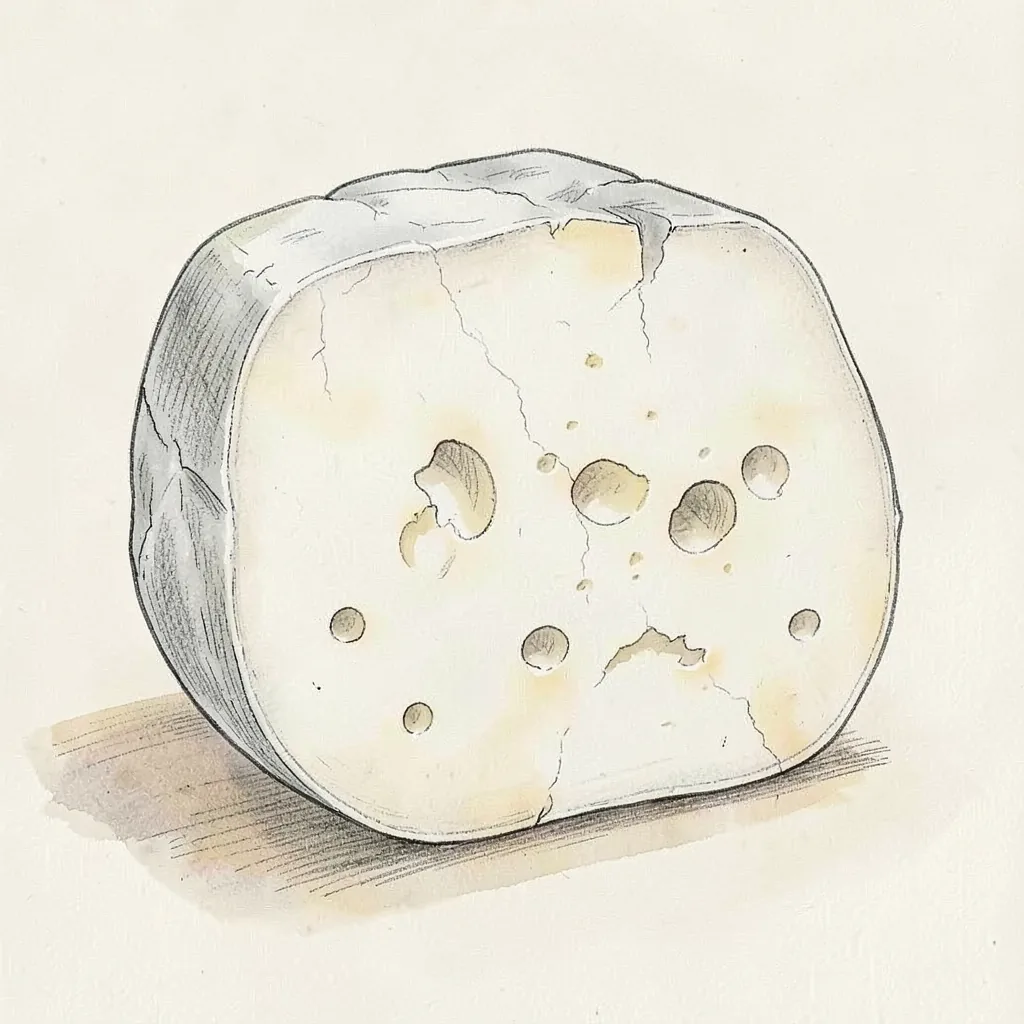
The paste is elastic, moist, and a little dimpled, and it squeaks or stretches when it is fresh. A flat disc is the usual shape. The taste is sour and moderately salty, with a clean dairy tang. It is sold fresh, and smoked versions are common too.
Suluguni is another spelling of the same cheese, and both labels appear in shops. The body holds together in a pan better than a crumbly brine cheese, which is why cooks grill and bake it. Cut a piece and a little milky whey may bead on the surface. That moisture is normal. A dry, cracked block has lost the character that makes fresh sulguni useful.
History
Sulguni belongs to the cheese tradition of Samegrelo, in western Georgia, and the brined, stretched style is the heart of that tradition. Makers learned to knead the curd by hand until it became smooth and layered. The cheese was then salted in brine so it would keep in a warm climate. Smoked sulguni was made beside the fresh cheese for the same practical reason. The method is old, and it is still a daily food rather than a rare specialty.
The name traveled with Georgian cooks, and suluguni became a second spelling in trade. Fresh cheese from Samegrelo is the reference point, even when dairies in other parts of Georgia make a similar brined wheel. It is not the same as the drier, crumblier brine cheeses of the wider region. The stretched paste is the difference people notice first. Today both farm and factory versions are ordinary goods, and the cheese is not limited to a single village recipe.
How it is made
Milk is coagulated, the curd is cut, and much of the whey is drained. The curd is left until it is ready to stretch, then cut into pieces and worked in hot whey or water. Makers pull and fold it until the paste is smooth, glossy, and layered. They shape discs by hand and cool them. The stretch is what gives sulguni its elastic bite, and a cheese that skips this step will not behave the same way in a pan.
The discs go into brine, which salts them and sets the sour, savory taste. Fresh sulguni can be eaten after that brine, and it is not a long-aged cheese. Some wheels are smoked, which dries the surface and adds a wood-fire aroma while the inside stays elastic. There is no bloomy rind and no wax coat. A producer may keep wheels in brine for sale, and the liquid in the pack is part of that method.
Taste
Fresh sulguni tastes tangy, lightly sour, and salty without the harshness of a very old brine cheese. The paste is moist and springy, and it can feel squeaky against the teeth. Fat and whey give it a milky richness under the salt. The inside is paler and milder than the salted surface. A clean and pleasant sour smell is part of the style.
Smoked sulguni keeps the salty tang and adds a warm smoke note on the surface. The outside is drier and browner, and the center stays moist and stretchy if the smoke was not too heavy. Salt level varies by producer, so a rinse is reasonable when a pack tastes very brine-heavy. The cheese is more savory than sweet. It does not have a blue vein, a bloomy rind, or a long nutty finish.
In the kitchen
Georgian cooks grill sulguni until the outside browns and the inside softens and stretches. It is also baked into cheese breads, where it melts in pockets without turning to liquid at once. Slices sit with tomato, herbs, and bread as a simple plate. Because it is salty, pair it with mild foods and taste the brine before you season the dish. A short drain on a towel keeps the plate from flooding.
Smoked sulguni is useful in cooked dishes that need a firmer piece and a light smoke flavor. It can be fried, tucked into flatbread, or grated over hot vegetables if the block is dry enough. It is a weaker choice as a cold grating cheese than a hard aged wheel. Halloumi is the usual stand-in when a recipe needs a cheese that grills without collapsing. Mozzarella stretches too, and it is milder and less salty, so adjust the seasoning.
Around the world
Sulguni is a staple in Georgia and a regular item in Georgian groceries abroad. Jars and vacuum packs of fresh cheese, plus smoked pieces, appear in cities with a Georgian or wider Caucasian trade. The spelling may be sulguni or suluguni, and both are the same cheese. It keeps in brine, so it travels better than a fragile fresh cheese that has no salt bath. Once opened, it should stay cold and covered.
Outside Georgia, people often meet sulguni at a restaurant, grilled or baked in bread, and then look for it to cook at home. Halloumi is easier to find and grills in a similar way, but it is not the same taste. Mozzarella can supply the stretch in a baked bread, and it will taste milder. Feta is saltier and crumbly, so it will not hold a slice on a grill. Use those stand-ins only when sulguni itself is not on sale.