Cow
What it is
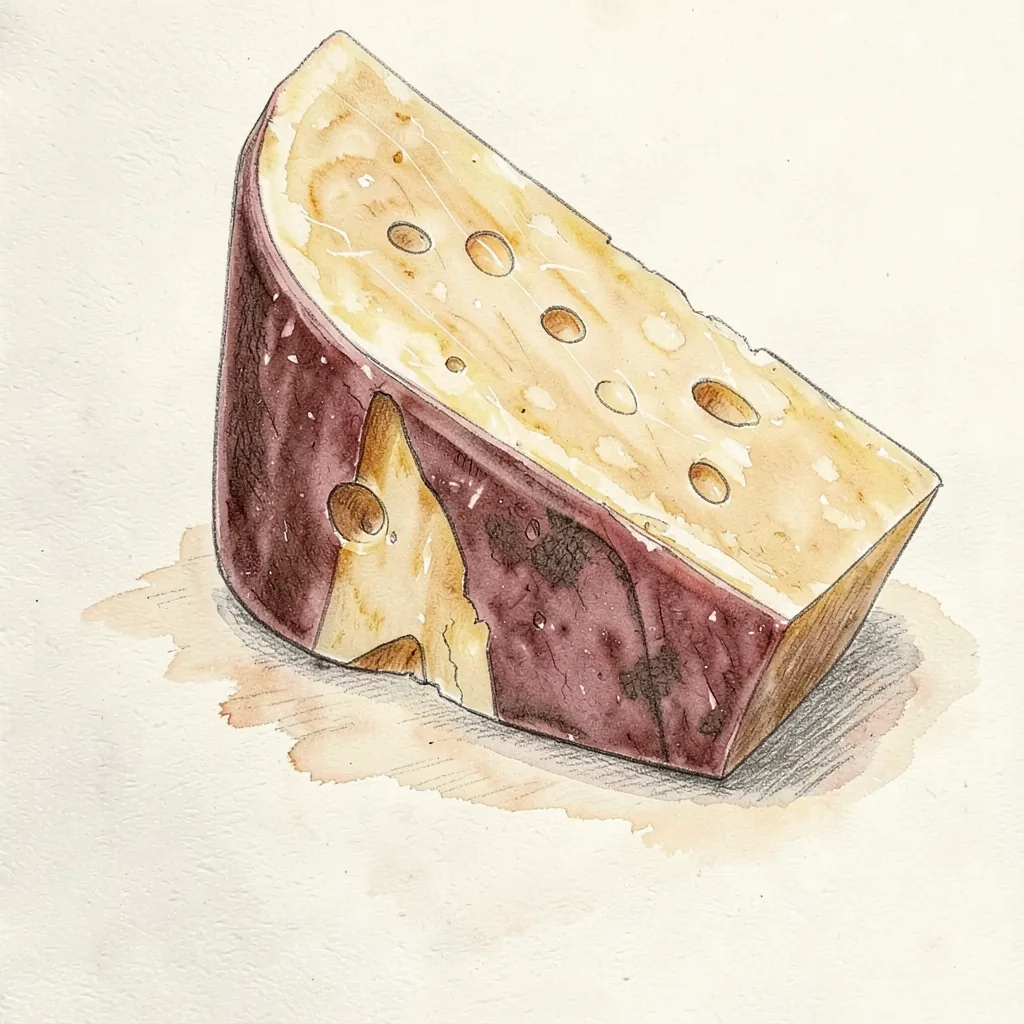
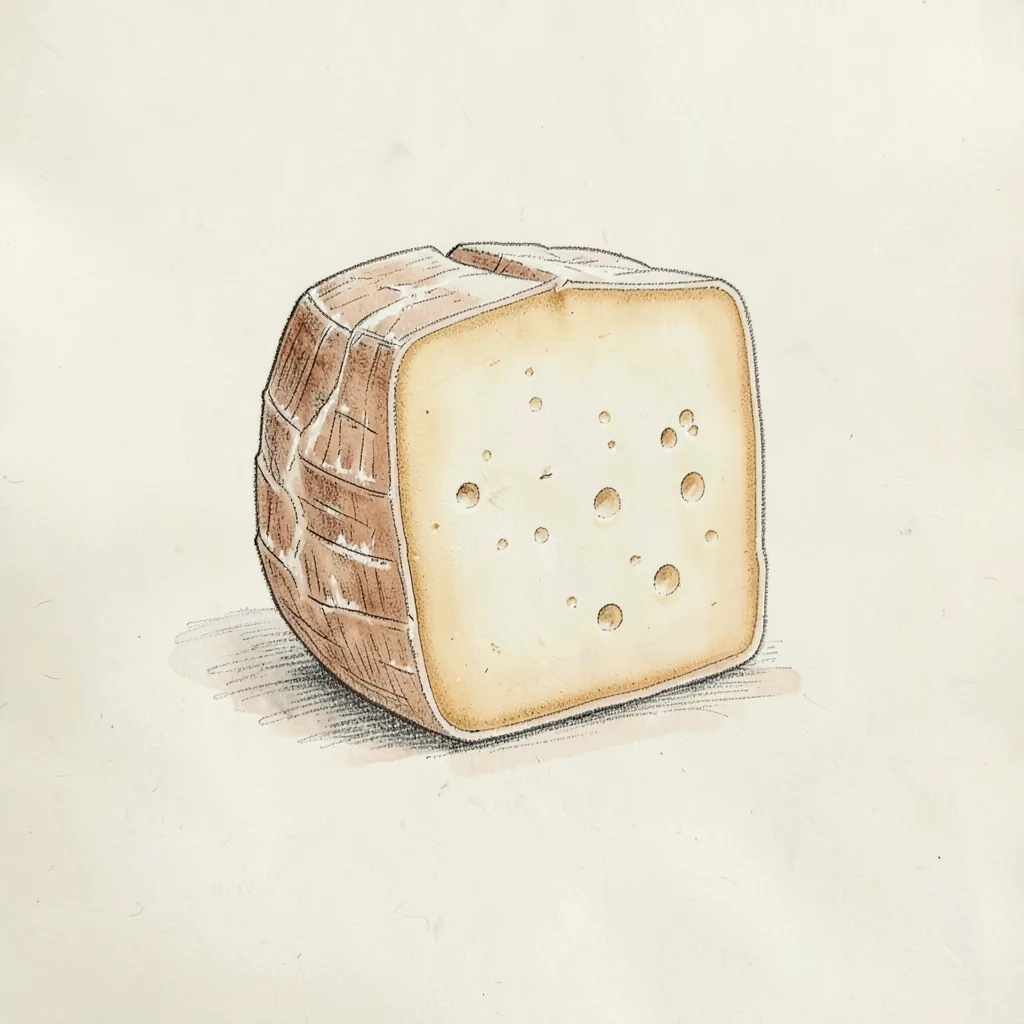
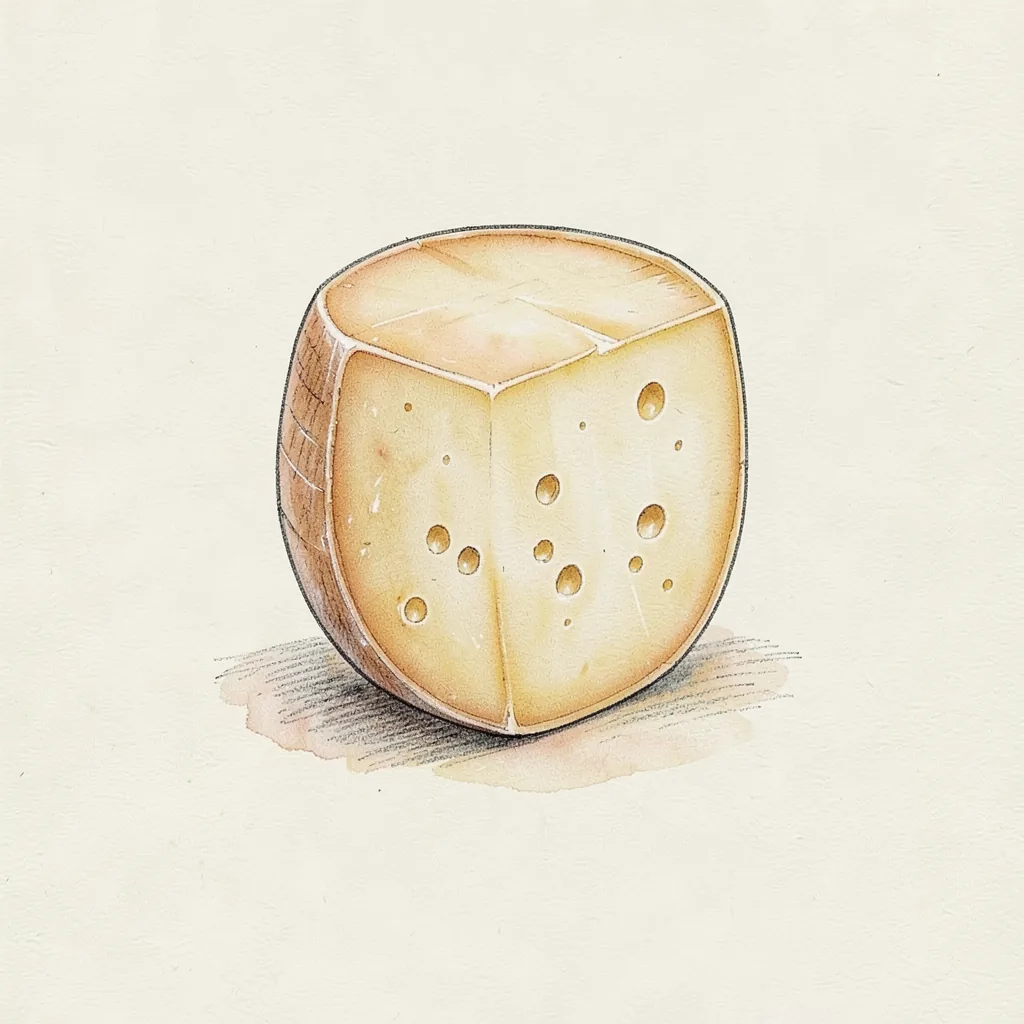
Wheels are pressed, brined, and coated in wax, then aged until the paste turns dense and sweet. A younger wheel is smooth and mild, with a buttery dairy taste. A longer-aged wheel tastes more of caramel, butterscotch, and toasted nut. The milk is Irish, while the method follows Gouda-making rather than a sharp crumbly style.
The interior is close-textured and moves from pale gold toward a deeper amber as the wheel ages. It slices when young and grows firmer, sometimes with small crystals, when it is older. The wax is a protective coat, not a flavoring rind you eat for its own taste. Salt is balanced, and acidity stays gentle because the curd is washed during the make. On a board it feels rich, sweet, and steady rather than biting.
History
The cheese takes its name from Coolea, the place in Ireland where the wheels are made. Makers there took up an old Dutch Gouda recipe and applied it to local cow's milk from nearby herds. The work began as farmhouse cheesemaking and grew into a known Irish dairy name. Visitors sometimes expect an Irish cheese to follow a sharp, crumbly territorial style, but Coolea does not. Its sweetness and its waxed wheel show the Dutch pattern clearly.
Aging became part of the reputation of the cheese. A short rest gives a supple, buttery cheese that is easy to slice, while a long rest deepens the color and pushes the flavor toward toffee and hazelnut. The same dairy can sell more than one age, so the label matters as much as the name. Shop counters helped the cheese travel beyond Coolea, but it is still a specific wheel, not a generic Irish Gouda. Pasteurized cow's milk and a patient cure are the public constants.
How it is made
Pasteurized cow's milk is warmed, cultured, and set with rennet. The curd is cut, then washed and heated so that much of the milk sugar is carried away. That step is why the finished cheese tastes sweet rather than sharply acidic. Curds are drained, placed in molds, and pressed until they form a closed wheel with few openings. The wheel is then salted in brine so the flavor is seasoned all the way through.
After brining, each wheel gets a wax coat that limits moisture loss and protects the surface during the cure. The cheese ages until the maker is ready to sell that batch. Younger wheels stay smoother and milder, while older wheels firm up and may form tiny crystals that crunch against the sweet paste. There is no blue mold and no washed smear on the coat. What you buy is a dense cow's milk cheese with a clean dairy smell.
Taste
Butter, cooked milk, and a light caramel note lead the flavor of a typical piece. Young Coolea is mellow and slightly nutty, easy to eat in a thick slice on its own. With more age the sweetness grows, and people often name toffee, honey, or hazelnut. There can be a savory edge underneath, but a normal piece does not turn bitter. The aroma is warm and milky rather than farmyard-strong or sharply acidic.
The texture starts supple and becomes firmer as the wheel loses a little moisture under the wax. A long-aged piece can flake around the crystals and still feel rich, not chalky or dry. Fat coats the mouth, which is why a small slice is satisfying at the end of a meal. If a piece tastes flat, it may simply be too cold, so let it soften slightly before a tasting. Apple or pear makes the caramel note clearer.
In the kitchen
Put Coolea on a board with apples, pears, dark bread, or a mild cured meat. It also cooks well in more than one way. Grate an older piece over pasta or into a sauce, where the sweetness acts like an aged Gouda. Younger cheese melts more smoothly in a grilled sandwich, a baked dish, or a cheese sauce. It can handle a little mustard, but heavy smoke or chili will hide the toffee flavor, so start with a lighter hand on the salt.
Remove the wax before grating or melting, and keep that coat off the plate. A plane or a coarse grater works on a firm piece, and a knife is enough for a young slice. Do not boil the cheese hard in a sauce, or the fat can split and the texture can turn greasy. Medium heat and a splash of the cooking liquid keep the melt glossy. Wrap leftover wedges so the cut face does not dry out in the fridge.
Around the world
Coolea is an Irish farmhouse name that traveled through specialist cheese shops in Ireland, Britain, and farther afield. It is not as common as a block of Gouda in a supermarket, so you may need a counter that keeps whole wheels. When you find more than one age, choose the younger cheese for melting and the older cheese for a board or a grate. The label should say Coolea, not only Gouda, if you want this sweet Irish version. Age on the ticket changes the dish.
Gouda is the obvious substitute, especially a wheel with some age and a caramel note. A Beemster or another Dutch cow's milk Gouda of similar firmness will cook and slice in the same role. Edam is milder and less sweet, so it is a weaker match for a long-aged piece. Irish cheeses with a sharp, crumbly character are a different family and will not give you this toffee flavor. Read the age if the shop offers a choice, because that choice changes both taste and melt.