Goat
What it is
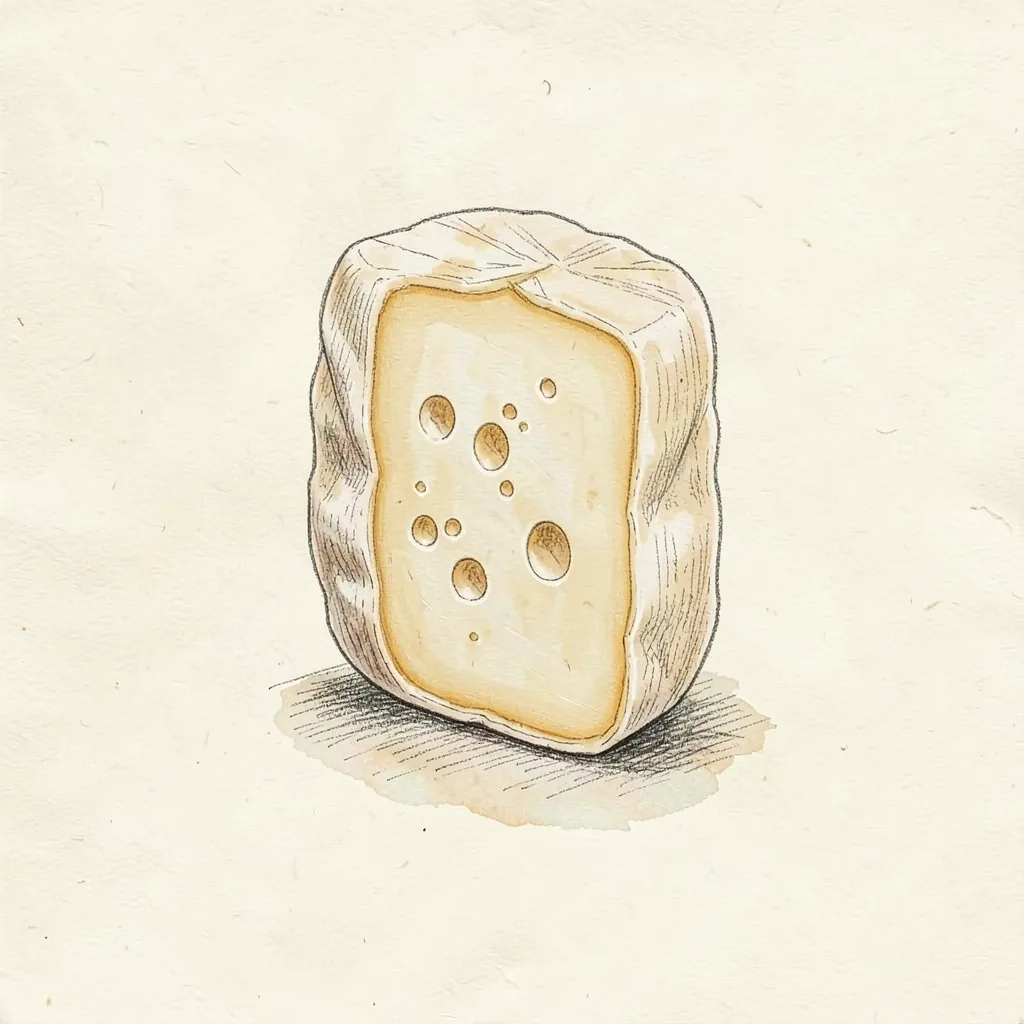
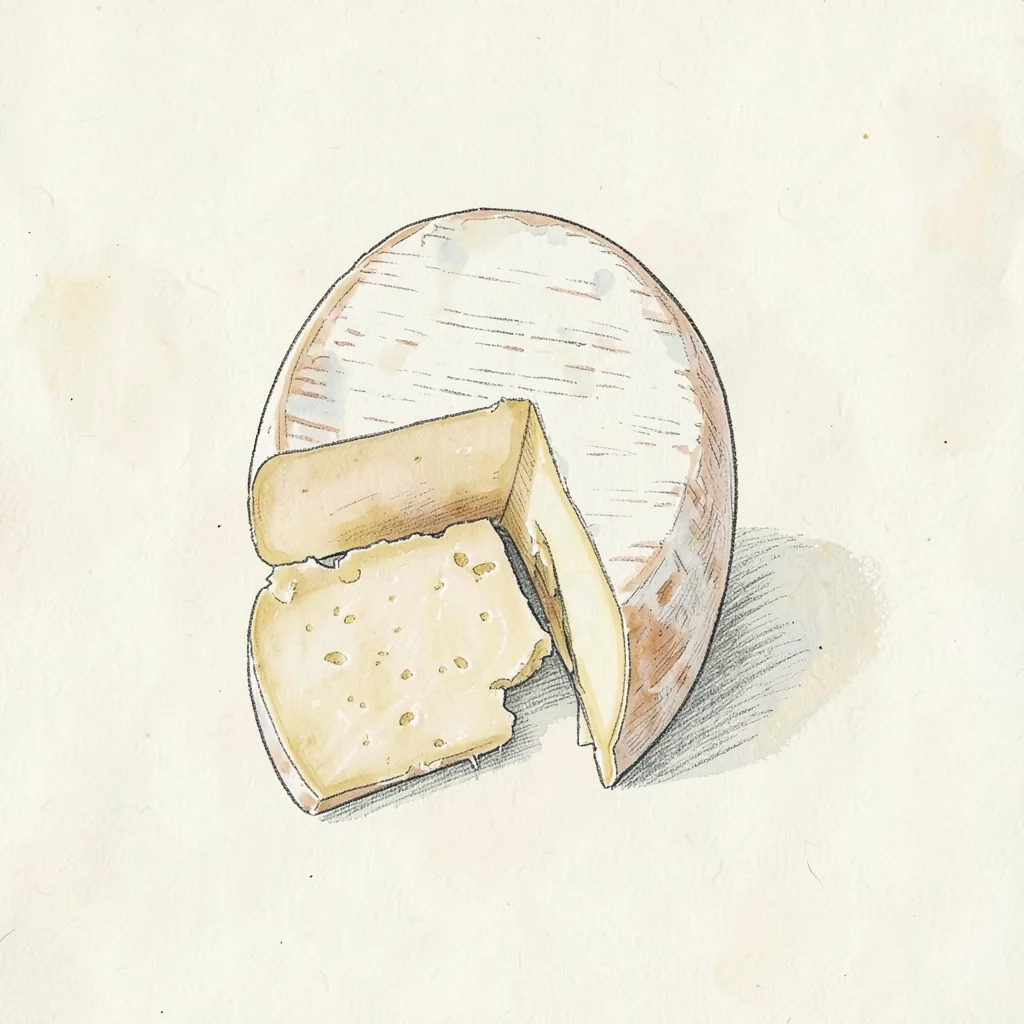
An Irish cheese company produces it by hand, and the wheel carries a natural rind. The paste is smooth and ivory when the cheese is young, then firmer as it ages. A young piece tastes mild and nutty. An older piece turns drier, earthier, and a little sharper on the finish.
Salt and vegetarian rennet are the usual additions, and the brine-washed rind is part of the character. Keep a younger wheel for the board, where the nutty paste is easy to slice. Keep an older wheel for grating, where the texture is harder and the goat flavor is clearer. Both are Corleggy. They are not the same cheese once you move from a plate to a hot dish.
History
Corleggy grew with a small Irish cheese company in County Cavan. The goat's milk wheel became the company's best known cheese, made from milk of local herds. Makers kept the work at farmhouse scale instead of building a large factory line. Buyers met it at Irish markets, in shops, and in restaurants that wanted a hard goat cheese. The natural rind and the firm paste made it stand apart from soft fresh logs.
Hard goat cheeses were uncommon on Irish tables when this style took hold. Most familiar goat cheeses were soft, fresh, and meant to be eaten soon. Corleggy took the other path, with pressing, salt, and time. That path lets the cheese keep longer and travel farther than a fresh curd. It still sits with other Irish farmhouse cheeses, but the milk and the firm body set it apart from nearby cow's milk wheels.
How it is made
Makers start with raw goat's milk and set the curd with vegetarian rennet. They cut the curd, salt it, and press it into wheels so whey can leave. Pressing builds the firm body that defines the cheese. A brine wash helps a natural rind form on the outside. The plain wheel does not depend on herbs, ash, or a wax coat.
The wheels age until the paste is hard and the flavor moves from mild toward earthy. Season and weather change the pace, so one batch can be younger and creamier while another is drier. Makers turn and check the cheeses by hand. The aim is a smooth interior and a rind that smells clean. Goat's milk from grass-fed herds gives the paste its color and its light tang.
Taste
Young Corleggy tastes mild, milky, and nutty, with the clean tang of goat's milk. The paste is smooth rather than chalky, and the flavor stays quiet. A little salt sits in the background and keeps the cheese savory. The rind adds a light earthy note if you eat it. As the wheel ages, that earthiness grows and a gentle piquant edge shows at the finish.
The aroma is fresh and slightly goaty when the cheese is still young. Older wheels smell deeper, more like dry hay and a clean farm cellar. There is no blue mold and no strong washed-rind funk in the usual wheel. Sweetness stays low beside the salt. What you remember is nut, goat's milk, and a finish that gets clearer as the cheese dries.
In the kitchen
Slice a younger wheel for a board with bread, pears, and a few nuts. The mild paste will not overwhelm a simple green salad. Older, drier Corleggy can be grated over warm vegetables or a baked dish. Heat softens it, but it does not melt into a stretchy pool. Treat it as a firm goat cheese for finishing a plate, not as a cheese for toasting.
Leave the rind on if you like the earthy contrast, or trim it for a cleaner slice. Bring the cheese up from the fridge before you serve it, so the nutty side can show. It sits well with a light red wine, with cider, or with plain oatcakes. Crumble a dry piece into a grain salad when you want salt without a soft fresh goat cheese. A little honey is enough, because the cheese already has flavor.
Around the world
Corleggy is an Irish cheese, and most of it is eaten in Ireland. Visitors find it at farm markets and in shops that stock Irish farmhouse wheels. It is less common abroad than widely sold Irish cheeses or soft French goat logs. Some wheels reach specialist sellers in Britain and in other countries. Even then, it remains a small-production cheese with a local reputation.
Cooks outside Ireland use it where they would use another hard goat cheese. A firm slice can stand in for an aged goat tomme on a board. Grated, it can finish pasta or roasted roots in place of a salty sheep cheese. It will not copy a soft fresh goat cheese that you spread. People who know only soft goat cheese are often surprised by how mild and nutty a hard Irish wheel can be.