Goat
What it is
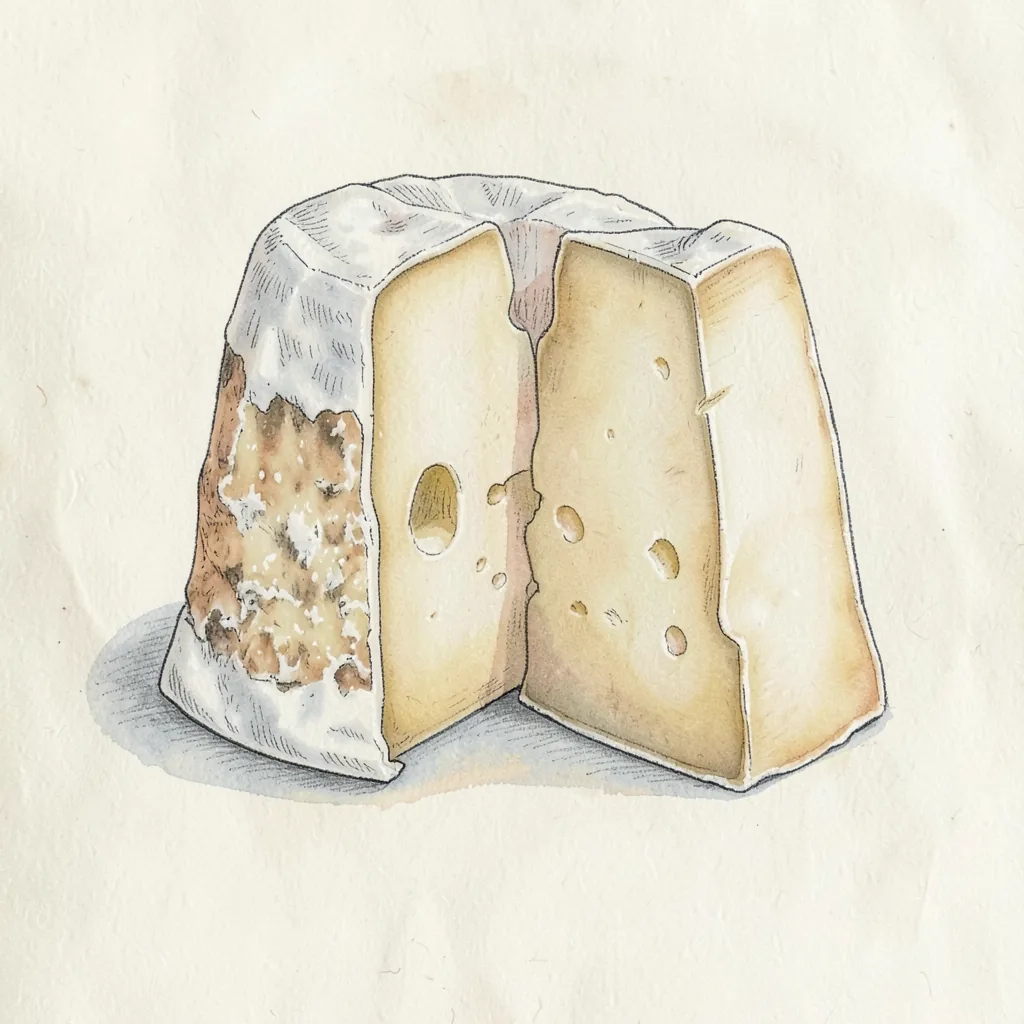
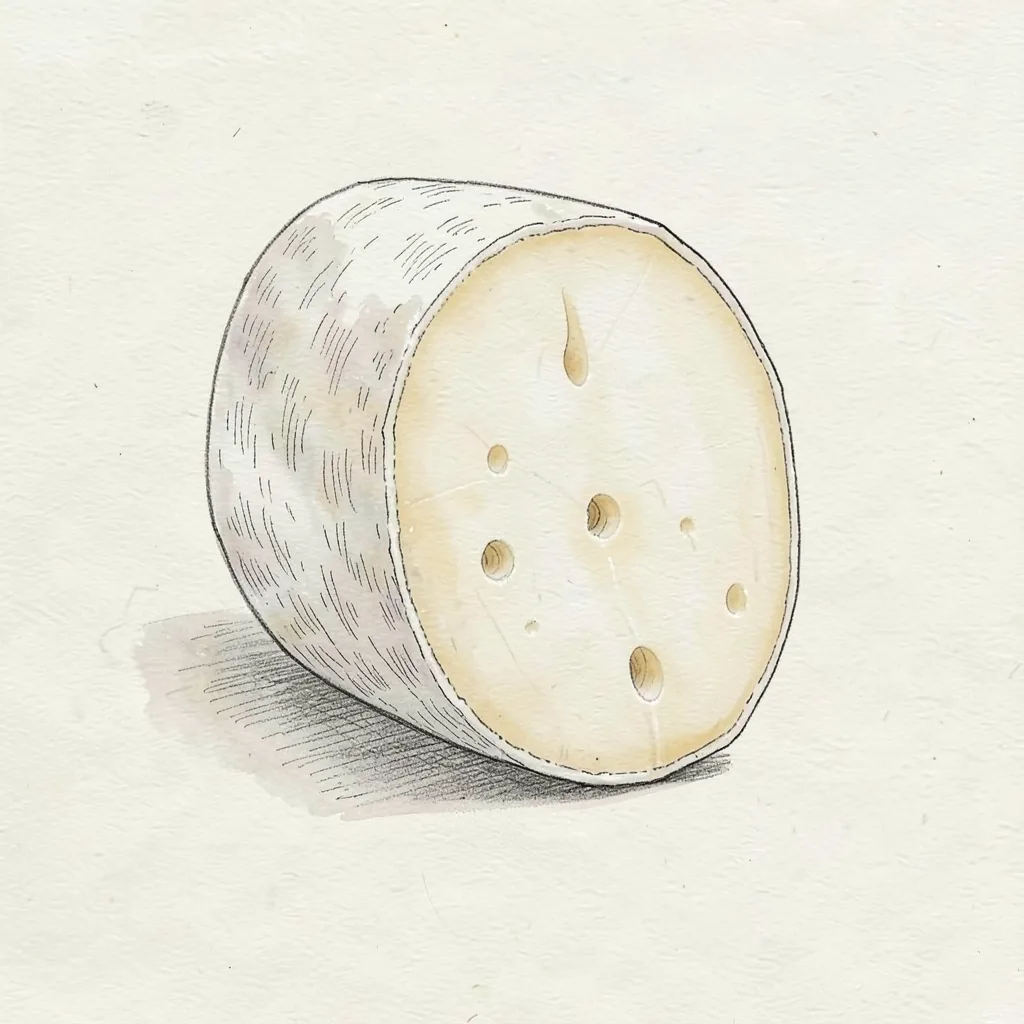
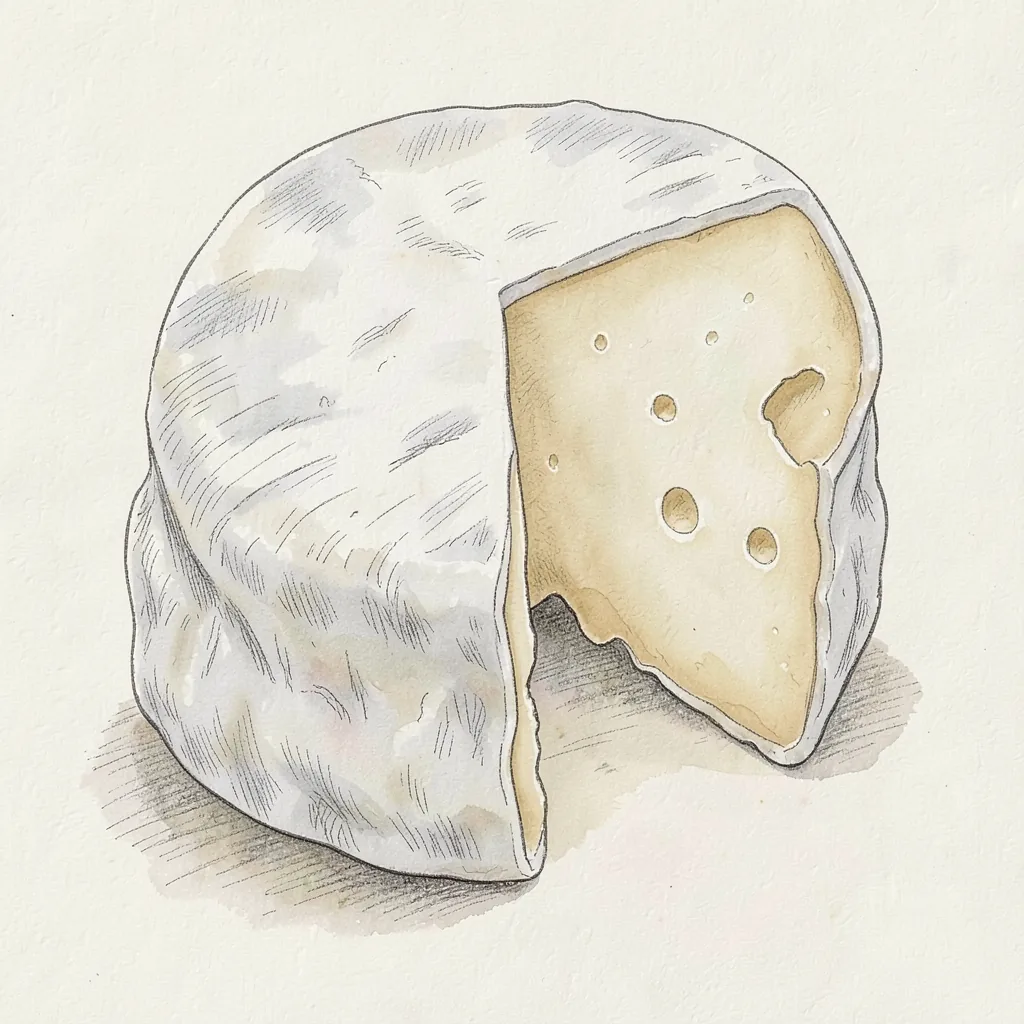
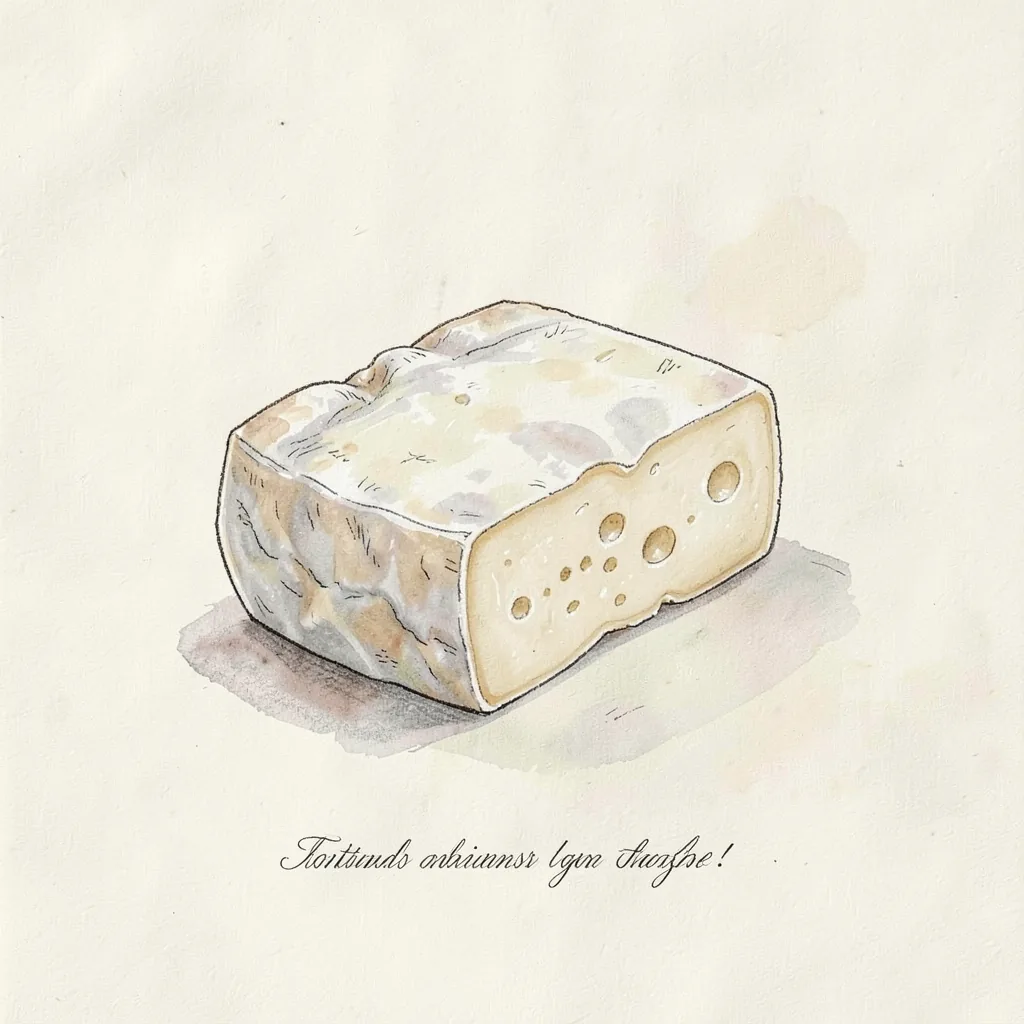
Each piece is a short round with a thin natural rind. Young cheese is pale, soft, and mild, with a creamy center. Cheese kept longer turns drier, darker, and stronger in flavor. The name refers to that small rounded shape, which becomes more obvious as the outside dries and darkens.
It is a cheese of stages, not one fixed texture on every counter. A fresh round can be spooned from the center, while an older round snaps and breaks into firm crumbs. Both come from the same goat's milk make in the same region. They are not the same cheese once they reach the kitchen. Buyers in France expect to choose an age, and the color of the rind is the usual clue.
History
Small goat's milk rounds have long been made in Centre-Val de Loire. Farmers needed a cheese that used milk from modest herds and could be eaten young or kept until it dried. Crottin de Chavignol became the best known of those little rounds. The place name in the title points to Chavignol, and the region is Centre-Val de Loire. The style was local farm food before cheese counters farther away learned the full name.
Makers kept the pieces small so a household could finish a round, and so the surface could dry in cellar air. Over time, both the young creamy stage and the older dry stage found regular buyers. The form stayed steady while the audience grew. Goat's milk and the short round still define the cheese more than any single maker does. Cooks in the region grill it, and they also set a whole piece on a board.
How it is made
Makers set goat's milk slowly, so the curd stays tender and drains in small molds. Those molds give the cheese its short round shape. Salt goes on the surface, and the rounds then dry in a cool room. A thin natural rind forms as the outside loses moisture. There is no brine wash on the coat, and there is no blue vein in the paste.
A young round leaves the aging room while the center is still soft and moist. An older round stays until the paste firms, the rind wrinkles, and the color deepens toward brown. The cheesemaker does not press it into a dense wheel. Time and dry air do that work instead. That is why two rounds with the same name can feel like two different cheeses on the same day.
Taste
Young Crottin de Chavignol tastes of fresh goat's milk, with a little salt and a clean tang. The center is creamy, and the rind is thin and mild while the cheese is still pale. There is a light goat note, not a harsh barn note. It should not taste bitter or soapy. At cool room temperature the flavor opens, and the paste feels softer under the knife.
An older round is nuttier, saltier, and more direct. The goat character grows, and the finish is drier, sometimes with a faint mushroom note from the rind. The paste can be firm enough to break into small crumbs. A very dry round tastes concentrated, so a modest piece is enough on a plate. If the rind is dark and the center is still sound, that strength is normal, not a fault.
In the kitchen
Put a young round on a board with bread, or spread the soft center on warm toast. The classic hot use is a grilled round on a green salad, where the outside browns and the inside softens. Slice a firmer round over vegetables, or grate a dry one in small amounts. Do not expect every age to melt into a pool. Match the heat and the knife to the texture you actually bought.
Keep the rind on when you grill the round, because it helps the piece hold together. Nuts, a thin thread of honey, and a sharp green leaf all sit well with the goat flavor. A very fresh round can share a board with a firmer cheese so the contrast is easy to taste. Wrap a cut piece and use it soon, because the moist center dries in open air. A dry older round can wait a little longer in a covered box.
Around the world
Cheese shops outside France often keep Crottin de Chavignol in the goat section, sometimes beside other small rounds from Centre-Val de Loire. Look at the rind before you buy. A pale, soft round is the one for spreading or a gentle salad. A darker, firmer round is the one for a board or a hot grill. If a label says only crottin, you may have a different small goat cheese from another place.
Valencay and Sainte-Maure de Touraine are the usual stand-ins, and both are goat's milk cheeses with shapes of their own. A generic fresh goat cheese can cover a salad if the real round is missing, but it will not brown and hold in the same way. The aged dry style is harder to replace with a tub of fresh curd. Ask for the full name when the counter is crowded. The short round and the natural rind are the signs to check.