Cow
What it is
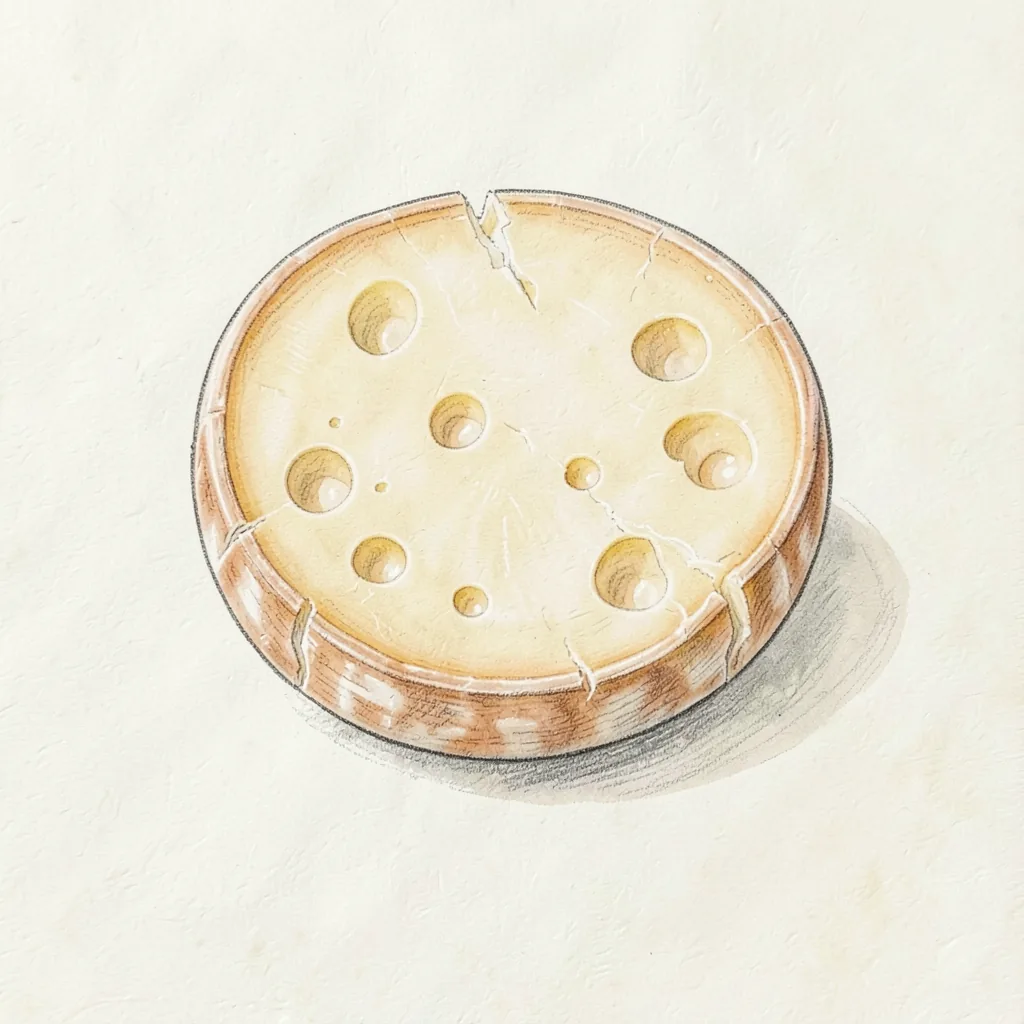
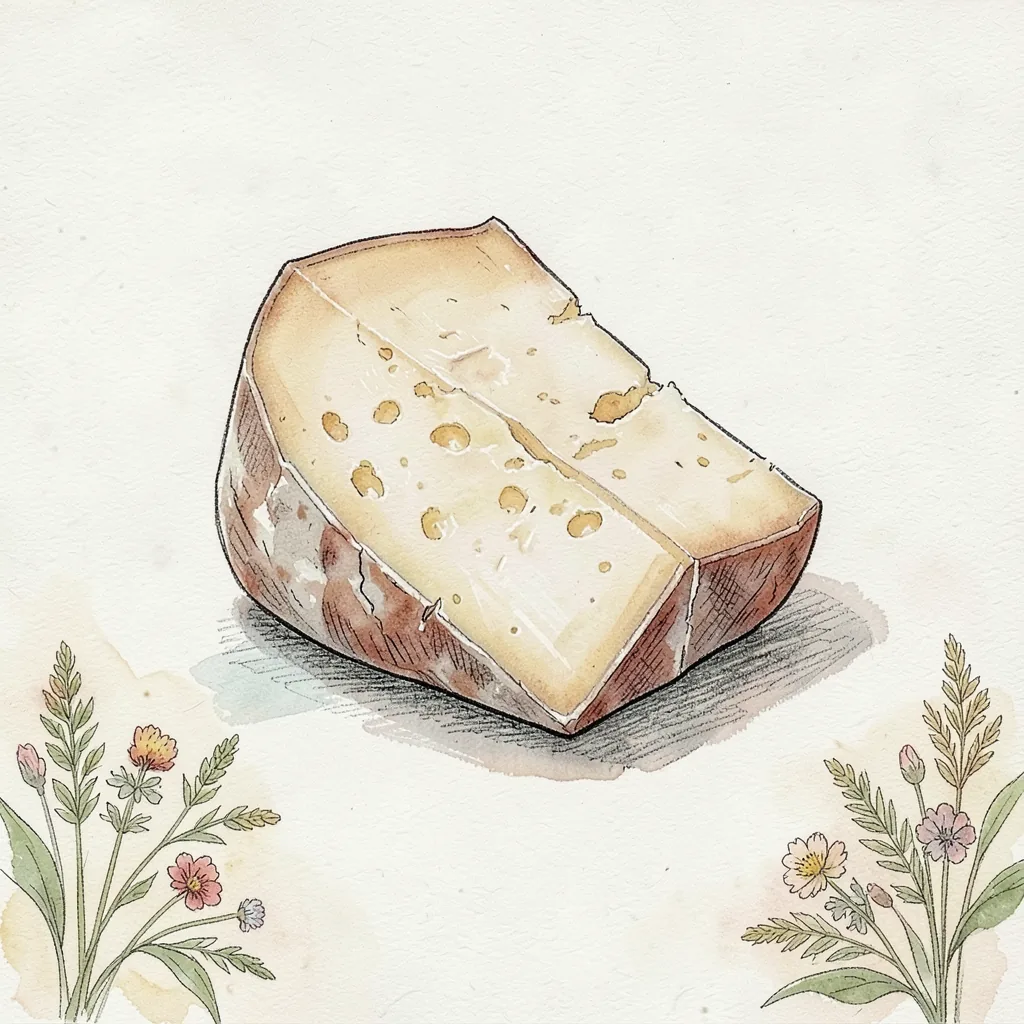
The paste is semi-hard, pale, and dotted with small irregular eyes, and it feels moist and buttery rather than dry. The taste is rich and mildly savory, with a tangy finish that keeps it from being bland. Wheels are turned and kept moist while they age, so the rind stays supple and the interior stays open. It is a table cheese that also melts, and it is less famous than the hard grating cheeses of Italy.
Some versions taste gentler, and some taste fuller after a longer rest. A wine treated version adds a fruity note from the outside inward. The everyday wheel is the one most cooks mean, with a straw colored paste and a clean dairy smell. It slices cleanly and softens in heat without turning oily at once. On a board it pairs with bread, nuts, and a sweet fruit preserve.
History
Crucolo belongs to the dairy tradition of Trentino, where mountain and valley milk is made into firm and supple cheeses for the local table. The name is local, and the cheese stayed tied to that part of Italy rather than becoming a national staple. Cow's milk gives the rich paste and the mild savory taste. Makers kept a straightforward pressed style, with eyes in the body and moist care of the rind during aging. The region, the milk, and the buttery tang are the stable facts.
The cheese is still an artisan product from Trentino, sold in wheels and in cut pieces. A sweeter, younger style sits beside a more savory style, and a wine version offers a different aroma. Large wheels are cut at the counter, and smaller pieces reach shops farther away. None of that changes the core, which is cow's milk, a semi-hard paste, and small eyes. Visitors meet it in the region more often than in a distant supermarket.
How it is made
Makers warm cow's milk and set it with rennet, then cut and stir the curd. The curd is pressed into molds so the whey leaves and the wheel takes a compact shape. Salt goes on after unmolding, by brine or by dry salt. During aging the wheels are turned, and the surfaces are kept moist so the rind does not dry into a hard shell. That care leaves a supple paste with scattered eyes.
A shorter aging keeps the cheese sweeter, moister, and milder. A longer aging firms the paste and brings a clearer tang. For the wine version, the exterior meets wine during ripening, and that scent moves into the outer paste. The ordinary cheese has no added flavoring. What you buy should slice without crumbling into dry dust, and the eyes should stay small and irregular.
Taste
The first taste is buttery and milky, with a light sweetness and a savory middle. A tangy finish arrives after the richness, and that edge is part of the charm. The eyes make the slice look open, but the paste is not full of large round holes. The smell is mild, rich, and clean, closer to fresh butter than to a washed rind cheese. The wine version tastes fruitier and a little deeper, while the plain wheel stays gentle and easy to eat in thick slices.
The paste yields, then softens on the tongue, and it does not grate into hard shards. Fat gives a round mouthfeel, and the tang keeps each bite awake. A faint nutty note shows in some pieces, especially after a longer rest. If the cheese smells sour or the paste is slimy, it has been kept poorly. A good piece tastes like sweet cow's milk with a bright end, and it is easy to eat plain.
In the kitchen
Put Crucolo on a board with bread, olives, hazelnuts, or a spoon of fruit preserve. It also melts into polenta, risotto, potatoes, and toasted sandwiches. Heat should stay moderate so the paste softens and blends instead of leaking oil. Shavings over warm vegetables work when you do not want a fully melted sauce. Think of it as a slicing cheese that can also cook, and cut it thick enough to taste the butteriness.
Pair a plain wedge with bread and a simple mountain wine, and pair the wine treated cheese with fruit if you want the aroma to show. In a baked dish, layer thin slices so they melt evenly through the food. Leftovers keep best wrapped and cold, with the cut face covered so it does not dry. Bring a piece toward room temperature before a board so the butteriness shows. Do not freeze it if you want the same supple texture later.
Around the world
Outside Trentino, Crucolo is a specialty item in Italian shops and at counters that carry alpine cheeses. Many buyers have not heard the name, and they compare the slice with fontina or a young Asiago. The small eyes, the pale color, and the tangy butteriness are the clues on the board. Ask whether the piece is the plain cheese or the wine version, because the aroma differs. It travels as a cut wedge more often than as a whole wheel.
Fontina is the practical substitute when you need a supple cow's milk cheese that melts and still tastes mild. Asiago, especially a younger piece, can stand in on a board, though it is often nuttier and a bit firmer. Piave is harder and better for grating, so it is not the same cheese in a melt. If the shop lacks it, choose a semi-hard alpine cheese from cow's milk. Expect a gentle tang, not a pungent washed rind.