Cow
What it is
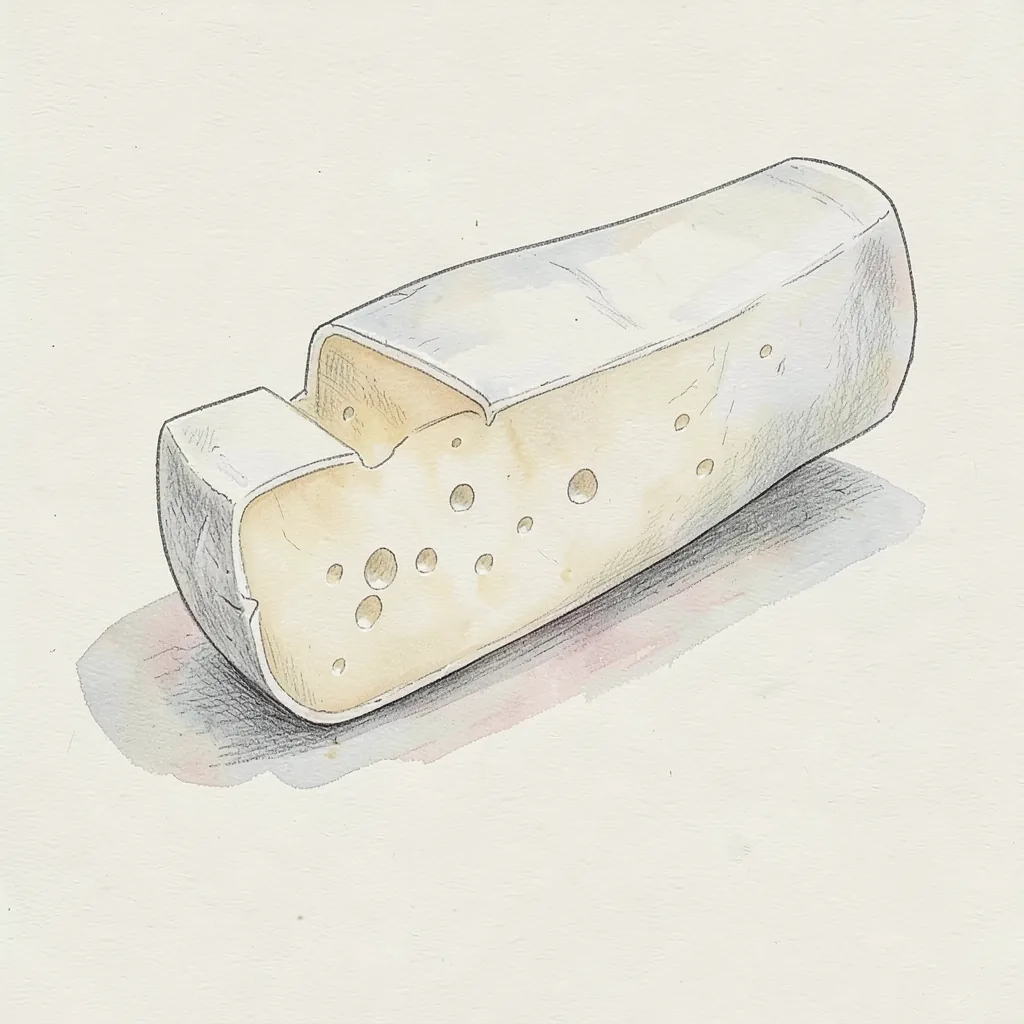
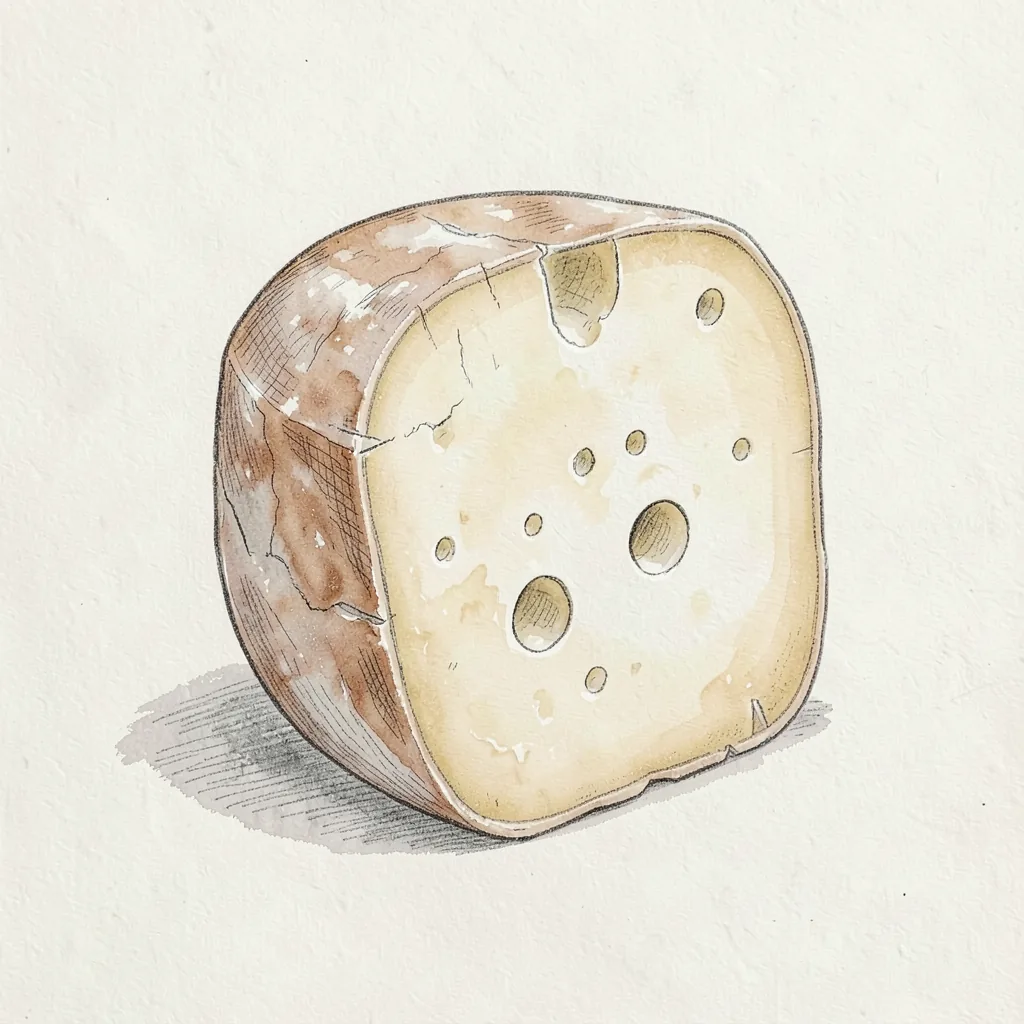
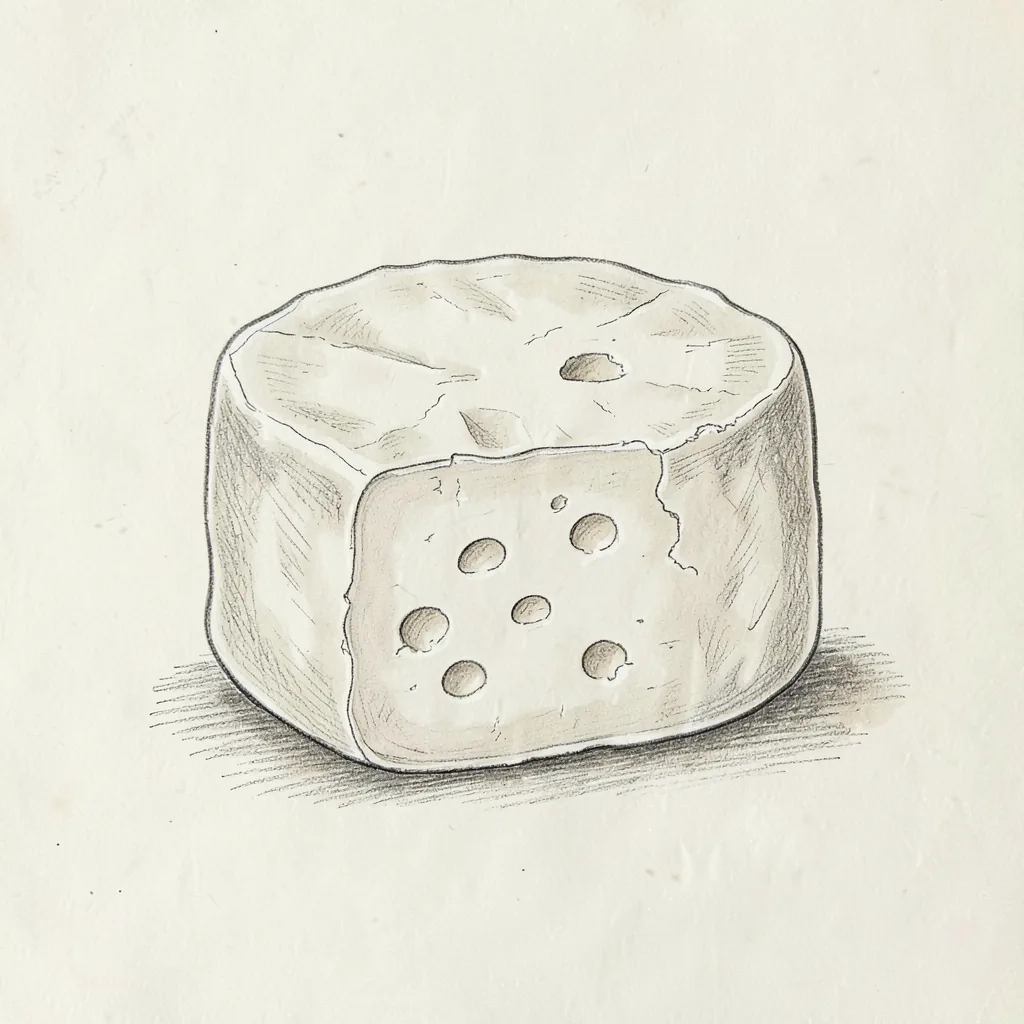
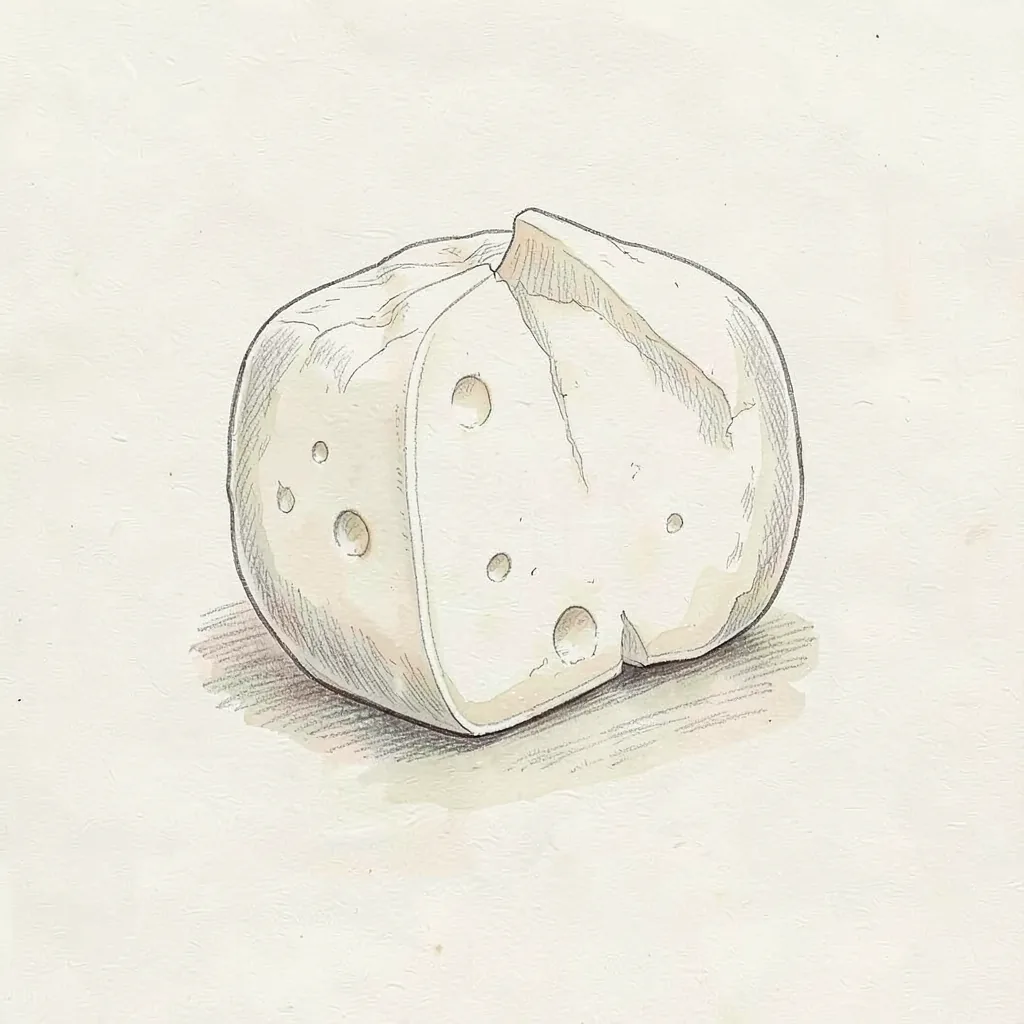
Makers press fresh curds in a round hoop, which gives the cheese its name and its wheel shape. The flavor stays mild, milky, and a little tangy, with none of the sharpness of a long-aged block. Shoppers still find it in some country stores and dairies, often under a coat of wax. It is a simple cheese, closer to a farm cheese than to a branded loaf.
Two styles share the name, and the difference is texture. One is soft and crumbly, much like a dry farmer cheese that you can break with a fork. The other is firmer and sliceable, and it was once a common wheel on a shop counter. Both are made from cow's milk, and both stay mild. The label does not follow one national standard, so the wedge in front of you may not match the last one you bought.
History
Hoop cheese grew out of farm dairies in the United States, where a round wooden hoop was a basic cheesemaking tool. Curds went into the hoop, whey drained through cloth, and the cheese kept the shape of the mold. The method needed little equipment and no long aging, so small dairies could sell it quickly. For many years it was a familiar item in general stores, cut from a waxed wheel on the counter. Buyers took home a mild cheese that did not pretend to be anything else.
As factory cheese took over grocery shelves, hoop cheese became harder to find. It keeps poorly once cut if the batch was made with little salt, so it never suited long shipping the way a firm aged cheese does. Some makers still press it for local sale, and a few grocers keep a wheel for regular customers. The name also stuck to a drier, crumbly curd that is closer to pot cheese. That split is why two people can describe hoop cheese and seem to mean different foods.
How it is made
Whole cow's milk is set so the curd separates from the whey. The curds are drained, then packed into a hoop lined with cloth. Pressure pushes out more whey, and the cheese firms into a round. Some batches are lightly salted, and some are not, which changes how long the wheel stays pleasant. After pressing, the round may be wrapped in cloth, paper, or wax.
Red wax on a hoop cheese usually marks a mild wheel, while a darker wax once signaled a sharper one. Makers sell it young, while the paste is still fresh and the taste is clean. It is not held for a long cure the way a firm aged wheel is held. A very dry version is mostly pressed curd with almost no moisture left in it. That dry style breaks into crumbs, and the moister style slices.
Taste
A fresh hoop cheese tastes of sweet milk and a light lactic tang. There is little salt bite in the plainest batches, and there is no sharp finish from long aging. The smell is clean and faint, more like fresh dairy than a ripe washed rind. The firmer wheels feel dense and smooth on the tongue. The crumbly ones feel dry and break into soft grains.
Color is pale, from white to a soft cream, and the cut face looks plain rather than marbled or veined. A wax coat does not flavor the paste if you trim it away before eating. If the cheese has sat too long, the tang turns sour and the surface dries at the edge. That sour note is a storage fault, not a chosen style. Eat the wedge while it still smells like fresh milk and the center stays moist.
In the kitchen
Slice a firm hoop cheese for sandwiches, or crumble a dry one over eggs, greens, or hot vegetables. The mild taste will not fight with bacon, biscuits, or a simple tomato. It softens in a pan but it does not always pull into long strings. Use it where you want dairy richness without a strong cheese flavor. A little goes into scrambled eggs or a biscuit dough without taking over.
Keep the cut cheese cold and wrapped, because a low-salt wheel turns sour faster than a salted one. Trim any dry edge before you cook with it. It is not a grating cheese for the table, and it is not a melting star for pizza. Think of it as a fresh cooking cheese and a plain board cheese. Pair it with fruit or pickles if the batch is moist enough to slice.
Around the world
Hoop cheese never became a global export cheese. It belongs to American country cooking, and most of it is still eaten near where it is made. Visitors who grew up with it remember the waxed wheel more than a recipe. Outside the United States, the name is easy to miss in a shop, because other countries press curd in hoops without using this name. Ask for a fresh farmer cheese if you want a close stand-in.
Cooks sometimes compare it with pot cheese, farmer cheese, or a dry cottage cheese. Those cousins share the fresh, mild character, but they are not always pressed in a hoop or finished with wax. A slice of mild Colby can stand in when you need a firmer sandwich cheese. None of those swaps will taste exactly like a just-cut hoop wheel. The real thing is still a local American cheese, not a style with a fixed world recipe.