Sheep
What it is
It comes from the United Kingdom, and the name points to Yorkshire without naming one town on the card. The paste is soft, white, and slightly crumbly, with a tangy, lemony, and salty taste. There is no rind. It was once sold under a name that used the word feta, and sellers changed that name because the word feta is kept for the Greek cheese.
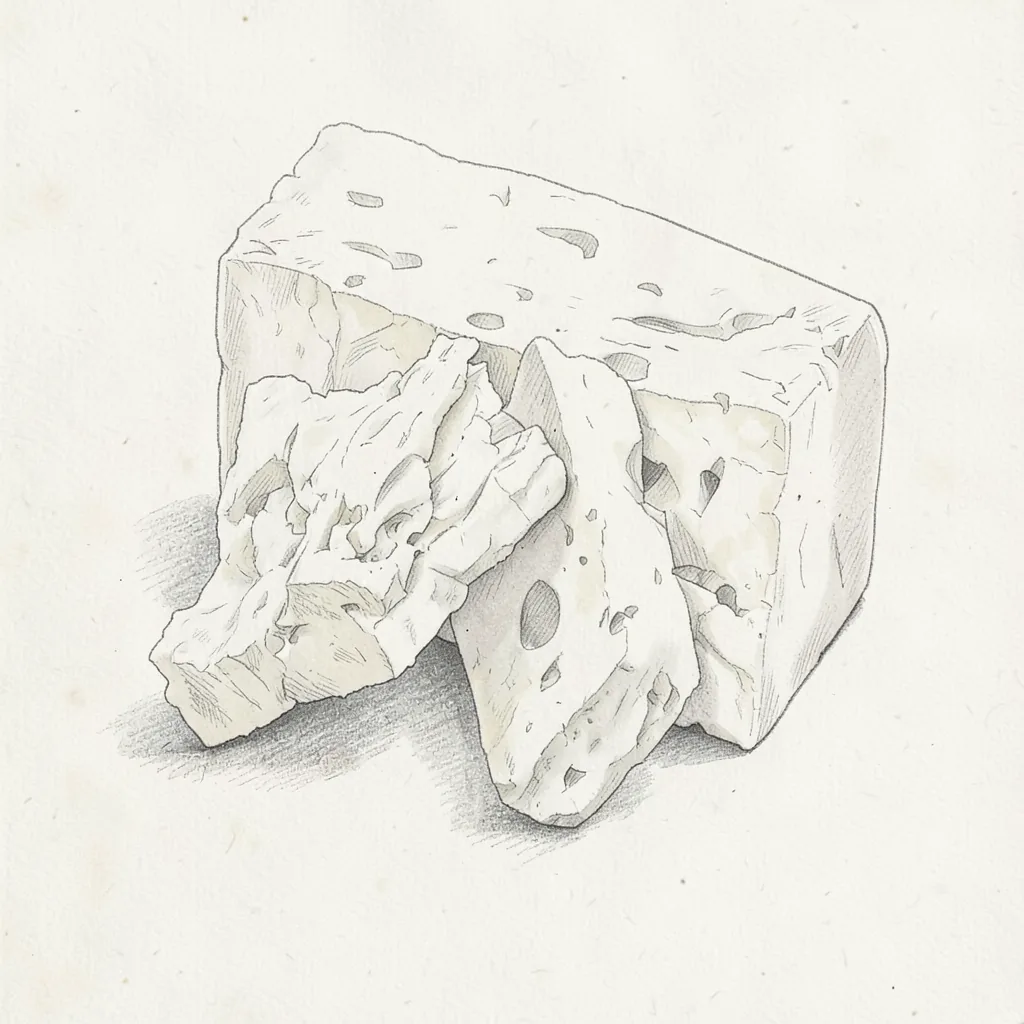
Blocks are moist and bright, and they break into irregular crumbs rather than into neat elastic slices. The smell is fresh, milky, and a little sharp. Salt is part of the style, because the cheese is held in brine. Cooks use it for salads, baking, and a simple plate, not for long grating. A good piece tastes clean and tangy, not bitter and not soapy.
History
British makers built this cheese for people who wanted a sheep's milk salad cheese close to the feta style. For a time it was sold as Yorkshire Feta, a name that pointed both to Yorkshire and to that style. A later rule kept the word feta for cheese from Greece, so the British cheese needed another name. Fine Fettle Yorkshire was the name that remained. The cheese itself stayed a young brined block of sheep's milk.
Fine fettle is an ordinary English phrase for being in good form, and it let the cheese keep a Yorkshire identity without the Greek name. Sales continued in the United Kingdom and in export packs under the new label. Cooks who knew the old name could still find the same salty, crumbly style. The cheese did not turn into a hard aged wheel. Greek feta and this British cheese remain different products from different countries.
How it is made
Makers start with pasteurized sheep's milk and set a curd for a fresh brined cheese. The curd is cut, drained, and salted in the usual way, then formed into blocks. Those blocks go into brine, which seasons them and keeps the paste moist and white. There is no hard pressing and no mold rind. The cheese is sold while it is still young, soft, and slightly crumbly.
Because the brine does the seasoning, salt is part of the identity rather than an optional finish. The paste stays bright and moist instead of turning golden and dense. No wax coat is added. A finished block should break cleanly and smell fresh. If it tastes flat, it may have been kept out of brine too long, and if it tastes only of harsh salt, the piece may simply need a moment to warm.
Taste
Fine Fettle Yorkshire tastes salty, tangy, and lightly lemony, with a clean sheep's milk note. The texture is soft and a little crumbly, and it feels moist rather than rich like a bloomy cheese. There is no mushroom rind flavor and no blue vein. The finish is fresh and sharp enough to brighten a tomato or a grain salad. A very cold piece tastes mostly of salt, so let it warm a little before you judge it.
It sits in the same broad family as Greek feta, but the country and the name are British. It is usually gentler than a very sharp aged sheep's cheese. It should not taste bitter, rancid, or dry and chalky. Quality shows in a bright white paste and a clean tang. If the block smells stale or weeps a dull whey, it is past its best.
In the kitchen
Crumble Fine Fettle Yorkshire over tomato salad, cooked grains, or roasted vegetables. It also bakes on flatbreads and in savory pies, where the cubes soften but keep their shape better than a fully melting cheese. Olive oil, cucumber, herbs, and lemon are natural partners. The salt means you may want less seasoning in the rest of the dish. Think of it first as a salad cheese.
Do not grate it on a fine tool, because the paste smears and falls apart. Large crumbs or cubes work better on a plate. A hot grill can mark a thick slice, but the cheese will not stretch or brown in the way halloumi does. Keep it in its brine when the pack includes brine, so the paste stays moist. After you open it, use it while the smell is still fresh and tangy.
Around the world
Fine Fettle Yorkshire is a British cheese, and the United Kingdom is its home market. Export shops that carry British sheep's milk cheeses sometimes stock it beside Greek feta and other brined white cheeses. The old Yorkshire Feta name still confuses some buyers, so the current name matters. It is not feta, and it is not a Greek product. Sheep's milk, brine, and a crumbly paste are the ideas it shares with that Greek cheese.
Feta is the closest substitute when a recipe calls for a salty brined sheep's milk cheese. Beyaz peynir or sirene can also fill a salad if you want another white brined cheese. Halloumi is firmer and made to grill, so it will not crumble in the same way. A cow's milk salad cheese will taste milder and less sheepy. Choose this Yorkshire cheese when you want the British version of that brined style.