Cow
What it is
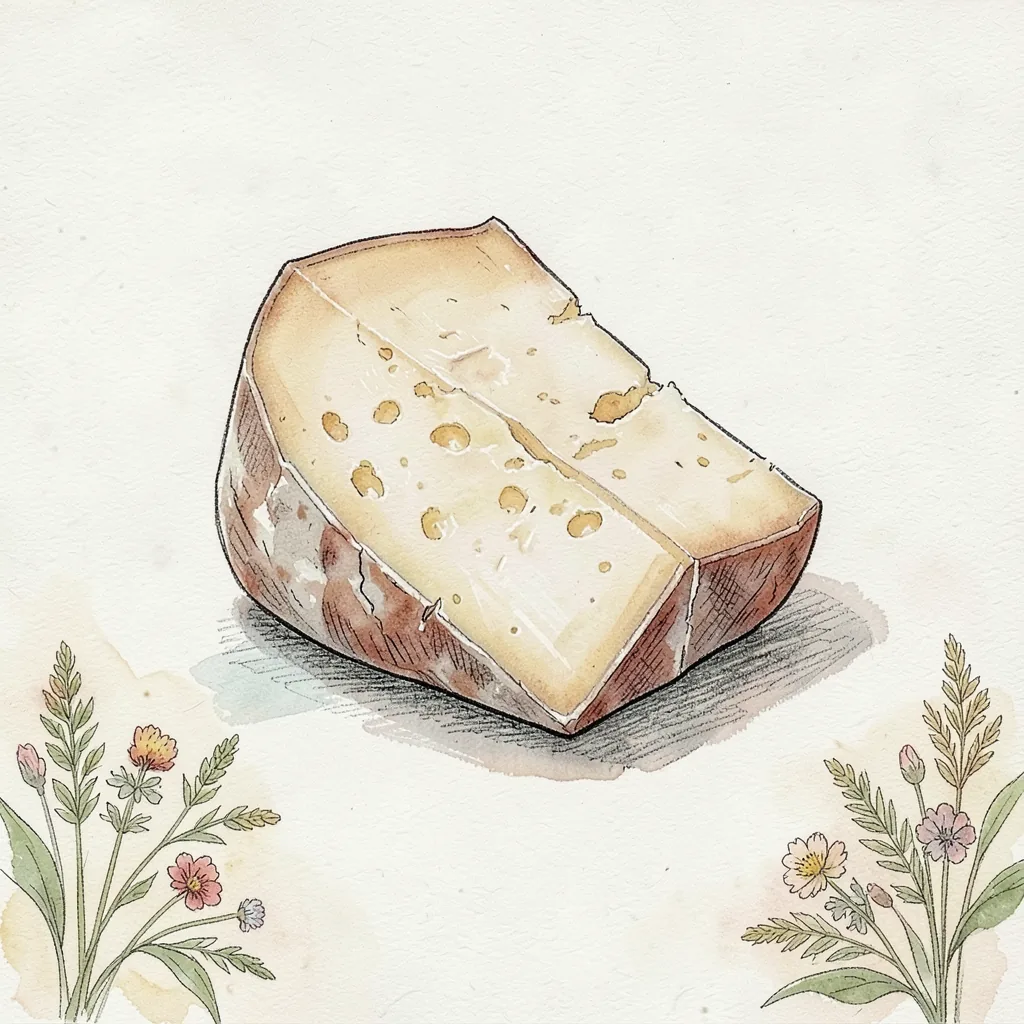
The name comes from Friuli in Italy, but the cheese in Canadian shops is a local product, not an imported Italian wheel. Makers developed it to resemble Montasio, the firm cheese of that Italian region. Canada reserves that Italian name for cheese made in Italy, so this version is called Friulano. The paste is pale yellow, smooth, and close textured, with a mild salty taste.
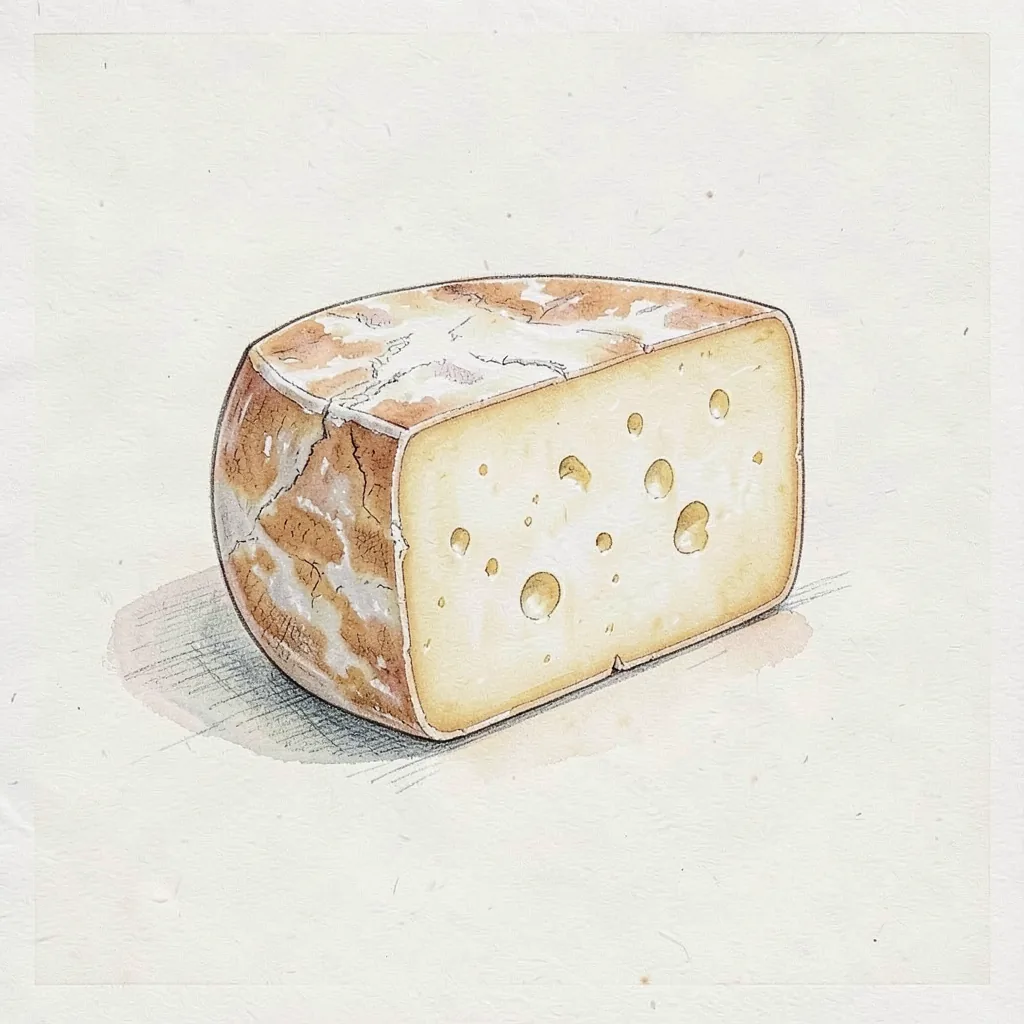
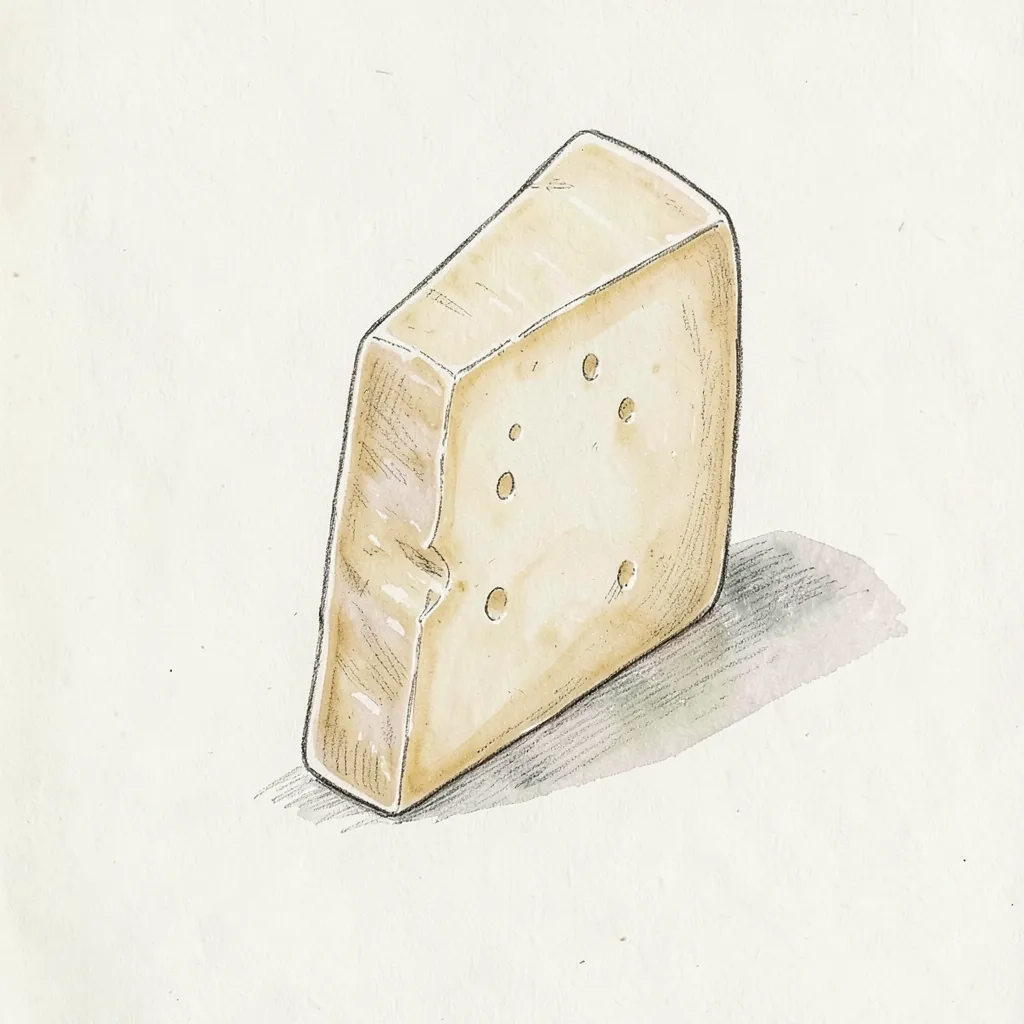
Some people call it Italian cheddar, but the curd is not cheddared and the flavor is not a sharp cheddar bite. A young piece is milky and slightly sweet, with a light hazelnut note. Longer aging makes it nuttier and a little drier, and a gentle sharpness appears. Most shop pieces are mild enough for a sandwich, a sauce, or the table. There is usually no thick rind, because the cheese ripens from the inside and is sold as a yellow block or wedge.
History
Dairies in Canada began making a firm cow's milk cheese in the style associated with Friuli. The Italian mountain name stays with cheese made in Italy, so the Canadian version took the regional name Friulano instead. It became a regular item in Italian shops and dairy cases across Canada. Montreal has long been a center of that trade, which is why many guides tie the cheese to the city. What you buy is a Canadian cheese with an Italian model, made for local kitchens.
The style sits with firm pressed cheeses, not with fresh stretched curd or soft bloomy rinds. Early sellers sometimes called it a cheddar so customers would picture a slicing cheese, and that nickname still appears. A real cheddar is worked until the curd mats, and it often tastes sharper. Friulano stays milder, with a closed or lightly open paste and a gentle nut taste. Check the label when you want the Canadian cheese rather than an Italian import.
How it is made
Makers start with cow's milk, set a curd with cultures and rennet, and cut it so whey can leave. The curds are drained, salted, and pressed until the paste closes and will hold a slice. Unlike cheddar, the curd is not stacked and cheddared until it forms a mat. The young cheese then ripens through the interior, and the color stays yellow from face to center. Many dairies sell it without a rind, as a block or a wedge cut from a larger form.
Salt is part of the make, and it keeps the mild sweetness from tasting flat. A shorter aging leaves the paste supple and good for melting, while a longer rest dries it slightly and brings out hazelnut. Any holes are small and scattered, not large eyes. The cut face should look even, without a dark washed coat or a white bloom. A cracked, oily wedge has usually been kept too long or too warm.
Taste
The first taste is mild, salty, and lightly sweet, and a hazelnut note shows once the cheese warms. It does not smell like a washed rind, and it does not burn the tongue. Fat in the paste makes a young piece feel smooth, while age brings a stronger nut flavor and a modest sharpness. Even an older piece rarely turns harsh. Let a cold slice sit out before you judge it, because the fridge mutes the hazelnut.
Young Friulano can remind you of buttered milk with salt and a hint of toasted nut, and the finish is short and clean. Older pieces linger longer and taste more savory, though they stay milder than a very sharp cheese. Texture moves from supple to a bit flaky as moisture leaves. A sour or bitter note is not typical and may mean poor storage. At its best the cheese is gentle, nutty, and satisfying without noise.
In the kitchen
Friulano melts smoothly, so it works in sauces, baked pasta, and toasted sandwiches. On a board it is a calm partner for bread, apples, or cured meat, because it does not cover them. Grate a drier, older piece over vegetables or a bowl of hot soup. A young wedge slices cleanly for lunch. Use a light hand with strong spices when the cheese is young, and add a bit more cheese if the piece is only faintly aged.
Bring it to room temperature for a cheese plate, and keep it cooler if you plan to slice a neat sandwich later. In a sauce, melt it gently with a little of the pasta water so the paste stays smooth. It also layers well in a baked dish, where the mild nut taste seasons the vegetables. Leftovers wrap well and do not throw a strong smell through the box. If the cut face dries, trim that thin layer and use the moist cheese underneath.
Around the world
Outside Canada, Friulano is easy to overlook because the name sounds Italian. A shop may offer Asiago, Piave, or a true Italian mountain cheese instead, and those are different products. If the label says Canada, or names a Canadian dairy, you have this cheese. In Montreal and other Canadian cities it is an ordinary counter cheese, not a rare import. Visitors often find it in Italian grocery shops and in homes that want a mild cheese for melting.
Asiago is the easiest substitute when a counter has no Canadian Friulano. A young Asiago is mild and nutty and melts in a sandwich or a sauce, though it can feel firmer. Piave can also stand in on a board or a grater, with a slightly sweeter finish. Do not swap in a sharp cheddar only because of the old nickname. The make and the taste are not the same, and the dish will turn sharper than you planned.