Cow
What it is
It is a pressed cheese that ranges from supple and mild to hard and savory as it ages. Young pieces slice neatly for the table. Older pieces become dry enough to grate. Cooks and cheese boards both have a use for it, depending on the age of the wheel.
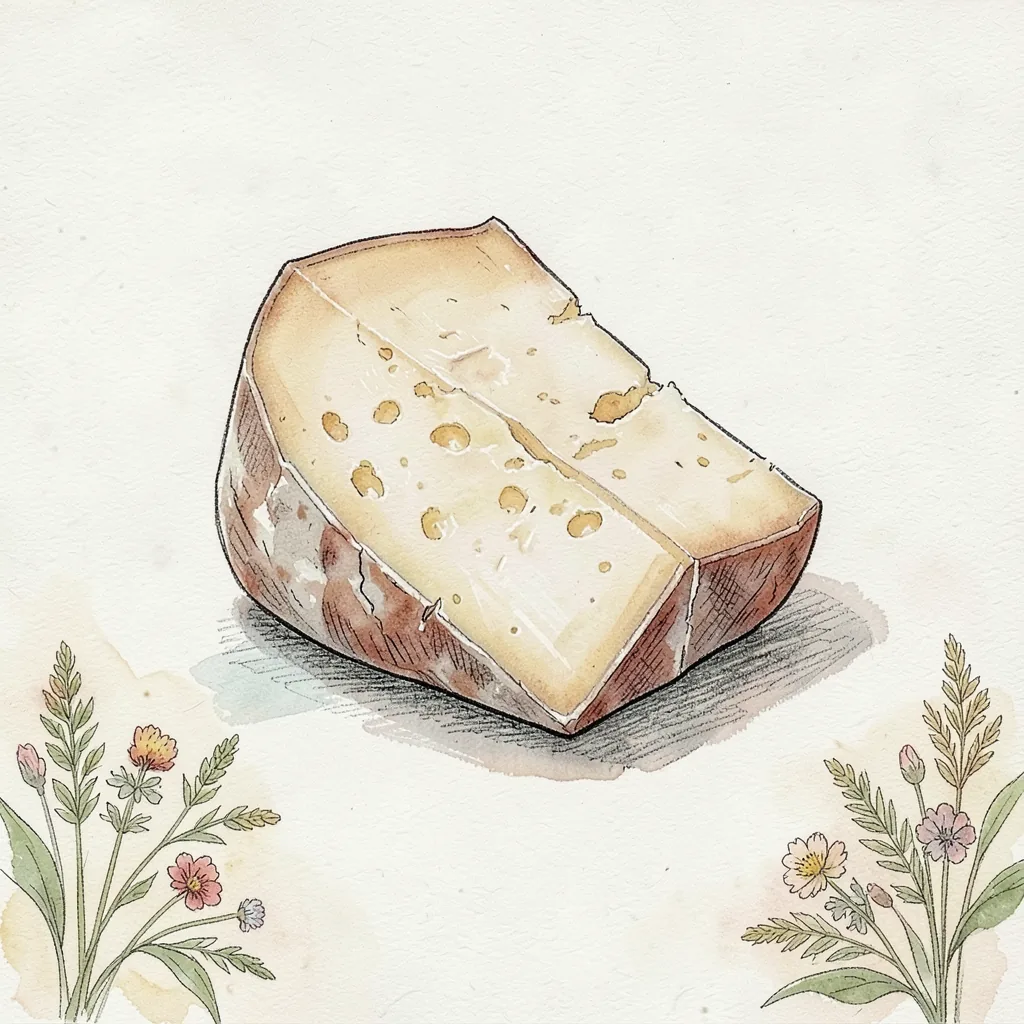
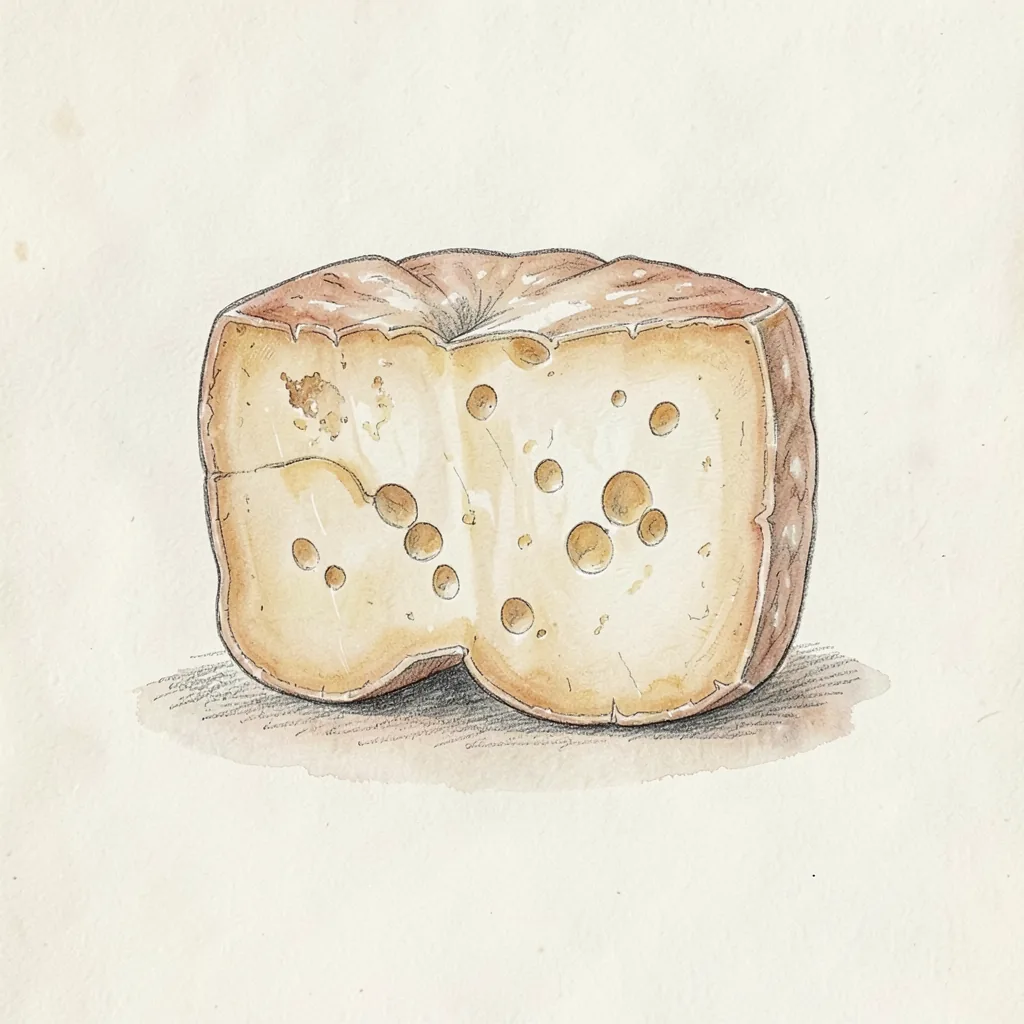
The paste is pale and compact, with a flavor that starts sweet and then turns more nutty. A young cheese melts better in the pan. A long-aged cheese is better for grating and for eating in small shards. The rind is thin and is not the focus of the cheese. What matters is the age printed on the label, because two wheels of Piave can taste quite different.
History
Piave takes its name from the Piave river in northern Italy, where the cheese was developed for local tables and for keeping. Dairies in that area already knew how to make firm cow's milk cheeses. Piave was shaped as a wheel that could be eaten young or held until it hardened. Protection of the name came later and tied the cheese to its home area. The rules cover the milk, the place, and the method in broad terms.
Different ages received different names on the label so buyers could tell a melting cheese from a grating cheese. That system is still how shops explain Piave. The cheese did not need a famous export myth to survive. It stayed useful in Italian cooking and then traveled with other hard Italian cheeses. Today the protected name signals a wheel made to the agreed standard, not a generic hard cheese.
How it is made
Makers use cow's milk from the defined area and set a cooked curd with starter cultures and rennet. They cut the curd small and heat it so the grains firm. The curd is then drained, salted, and pressed into tall, smooth wheels. Pressing drives out whey and builds a compact paste that will age well. The wheels are marked so the protected name can be traced back to the dairy.
Aging decides the final cheese, and a short age leaves a softer, milder wheel. A long age dries the paste, deepens the flavor, and makes it suitable for grating. The rind stays relatively smooth and is kept clean during that time. Makers do not add blue mold or a washed smear to the surface. Each stage is still Piave, sold with an age name that tells you how to use it.
Taste
Young Piave tastes sweet, milky, and gentle, with a smooth and elastic bite. Butter and a hint of fresh yogurt are common early notes. As the cheese ages, those sweet notes turn toward hazelnut, broth, and a light caramel edge. Salt becomes more obvious, but the cheese should not taste harsh. A long-aged piece is savory and slightly granular on the tongue, with a lasting finish.
The difference between ages is large enough to treat them as kitchen partners, not twins. A mild wheel will disappoint if you wanted a grating cheese with a strong aroma. A very old wheel will not melt into a smooth pool. Taste a small piece before you commit a whole recipe to it. The best flavor shows when the cheese is not ice cold.
In the kitchen
Use young Piave in a sandwich, on polenta, or melted over vegetables. It behaves a bit like a young Asiago in those dishes. Older Piave grates over pasta, risotto, soup, and salads. Shards on a board go well with pears, honey, or a plain cracker. Match the age to the job and the cheese will seem versatile rather than confusing.
Piave can replace part of the cheese in a gratin if you still want some melt. For a hard, salty finish, use the older cheese the way you would use a moderate grating cheese. It is less sharp than a very aged Parmesan-style cheese. Wine from the same part of Italy is a natural partner, and so is a simple white. Wrap the cut face so the paste does not dry and crack.
Around the world
Piave is known in Italy as a practical cheese with several ages, and it is now exported to cheese shops elsewhere. Buyers abroad sometimes miss the age name and treat every wheel as a generic hard cheese. That flattens the style. A label that shows the age is worth reading. Protected status helps, but only if the shop keeps the Italian name visible.
Outside Italy, Asiago or Montasio is often easier to find and can play a similar role. Grana Padano is a stronger stand-in when you need a dry grating cheese. None of those is Piave, and the protected name should not be borrowed for them. Cooks who learn the ages get more from the cheese than a single description suggests. It remains a clear example of why age belongs on the label.