Mixed milk
What it is
Makers use cow's milk, goat's milk, sheep's milk, or a mix of those milks. The wheels are lightly smoked, then finished in a damp cave or a cellar where a little blue mold can grow near the rind. The paste is white to pale yellow, firm, and slightly crumbly. Two traditional styles exist, one from high pastures and one from valley dairies.
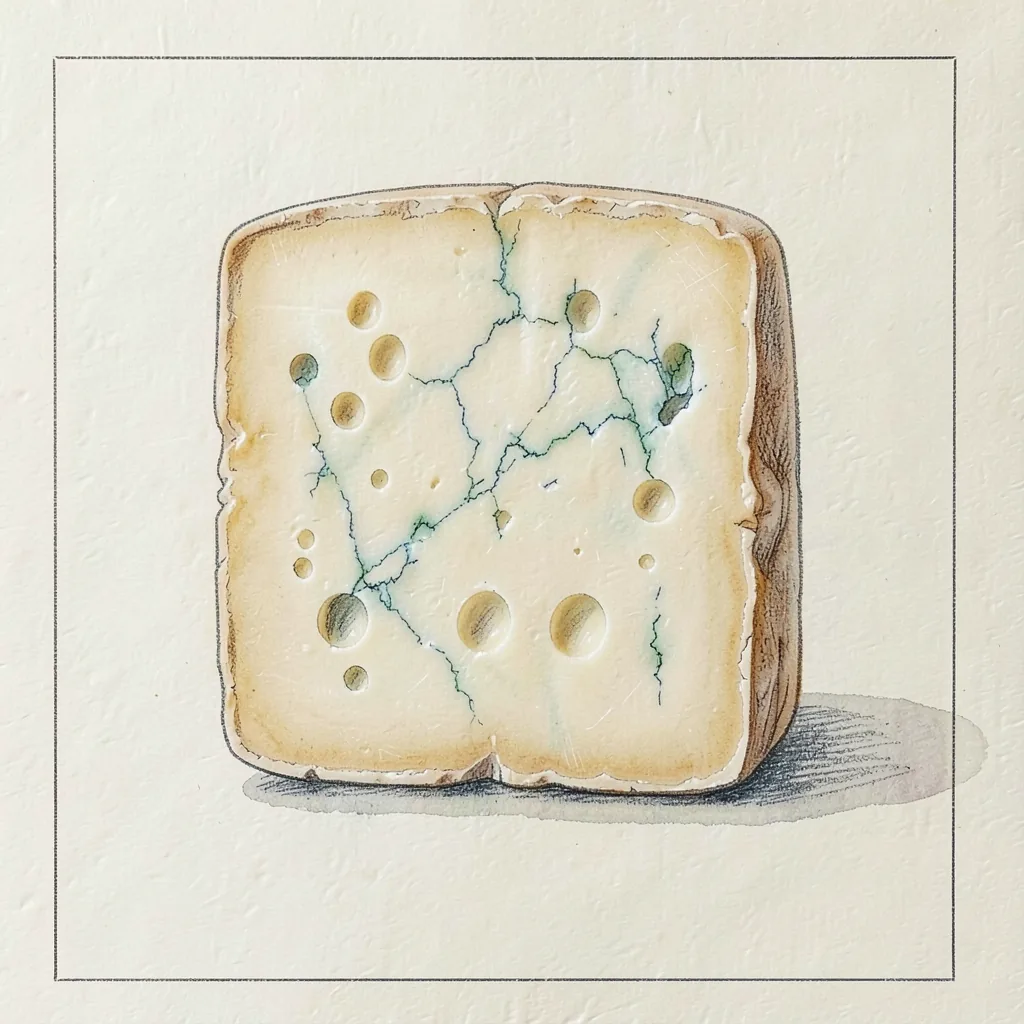
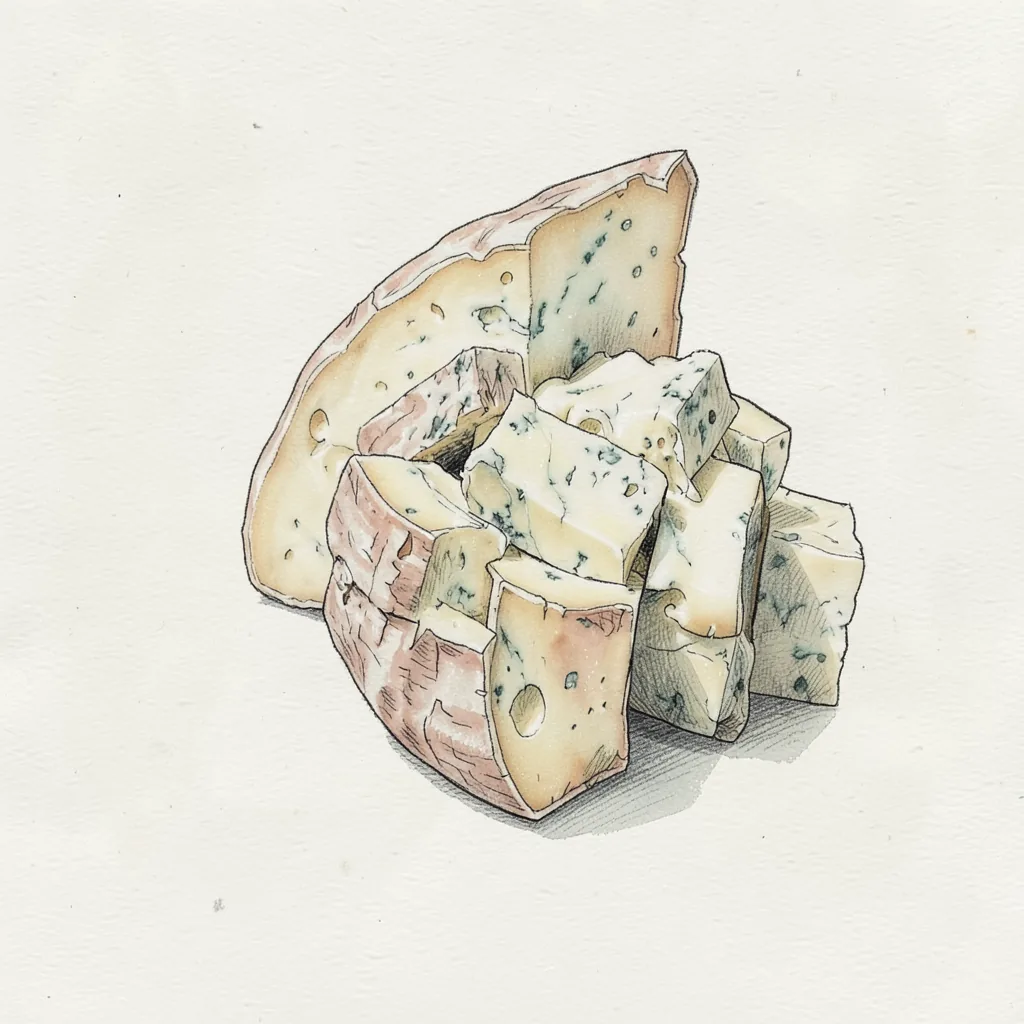
The rind is thin and colored by smoke, from toasted brown to patches of red, green, and blue. Inside, small eyes may appear, and blue-green traces often sit near the edge rather than through the whole paste. The smell is clean smoke, not a heavy campfire. Taste is buttery, a little sharp, and finishes with a hazelnut note. It is a board cheese and a cooking cheese, not a fresh curd.
History
Shepherds in the mountains around Cangas de Onís made this cheese with the milk of mixed flocks. The high-pasture style, called del puerto, is made while animals graze the summer meadows. The valley style, called del valle, is made lower down and can be produced through the year. Both are smoked and then matured where damp air lets mold bloom lightly. The shared name covers those two paths, not one single factory recipe.
Gamoneu is one of the blue cheeses of the Picos de Europa, alongside styles from neighboring valleys. People sometimes mix it up with Cabrales, but Cabrales is usually bluer through the paste and is not defined by the same light smoke. Gamonedo is an older Spanish spelling of the same cheese, and Gamonéu is the Asturian form of the name. The cheese stayed a farm and small-dairy product, so one wheel need not match the next. Smoke, cave, and mixed milk are the marks to look for.
How it is made
Milk from cows, goats, sheep, or a blend is set with rennet. The curd is cut, stirred, and placed in molds, then salted. Young wheels are smoked lightly, traditionally over wood, until the rind takes a warm brown color. They then go to a cave or a humid cellar, where natural molds grow on the surface and a little way into the paste. The blue is a result of that damp rest, not of color stirred through the whole vat.
Del puerto wheels are made in small mountain huts from the milk of animals on those high pastures, and they usually mix at least two of the three milks. Del valle wheels come from dairies in the lower ground around Cangas de Onís, and their milk mix can vary. Cave-aged pieces tend to be a little more moist and more marked by mold. Cellar pieces can be drier. Neither style is a fresh cheese, and neither is coated in wax.
Taste
Smoke is the first impression, but it stays soft rather than bitter. Under that, the paste is buttery and slightly tangy, with a gentle peppery bite that grows as the cheese matures. A hazelnut-like finish is typical once the cheese warms in the mouth. Blue mold near the rind adds a savory, mushroom-like note without always making the center fierce. Salt is present and balanced, not harsh.
A del puerto wheel often tastes wilder, because the milk comes from high summer pasture and the cave can be more humid. A del valle wheel can be a bit drier and more even. Goat and sheep milk, when they are in the mix, add a sharper edge than cow's milk alone. If a piece tastes only of cold ash, the smoke was too heavy for that batch. Let it sit out of the fridge before you judge a slice.
In the kitchen
Serve Gamoneu on a board with bread, nuts, and a firm apple or a quince paste. The smoke and the slight blue note do the seasoning, so keep accompaniments plain. Crumble it over warm potatoes, roasted vegetables, or a simple salad. A little goes into a sauce or a baked dish, where the fat softens and the smoke stays in the background. It is not the cheese to bury under a heavy spice rub.
Cut it with a firm knife, because the paste can flake near the blue edge and stay denser in the center. Do not throw away a mottled rind unless it is truly dry and bitter. A thin outer slice still carries the smoke that defines the cheese. If you melt it, use moderate heat so the fat does not separate into an oily pool. Wrap the cut face, because the smell will share space with other food.
Around the world
Outside Spain, Gamoneu shows up at cheese counters that stock Spanish blues and mountain cheeses. The label may say Gamonedo or Gamonéu, and it should point to Cangas de Onís or the nearby Asturian area. If the cheese is bright blue all the way through and has no smoke, it is probably a different wheel. Picón Bejes-Tresviso is the usual neighbor on those shelves. Cabrales is the other famous Asturian blue, and it is easier to mistake for this one.
Picón Bejes-Tresviso can replace Gamoneu when you need a firm northern Spanish blue on a board or over a hot dish. It is sharper and less defined by smoke. Gorgonzola melts more readily and is easier to find, but it lacks the wood note and the mixed-milk pasture taste. A plain smoked cheese with no blue will miss the other half of the flavor. Buy a small piece first if you are new to the style, because the smoke and the mold together are specific.