Mixed milk
What it is
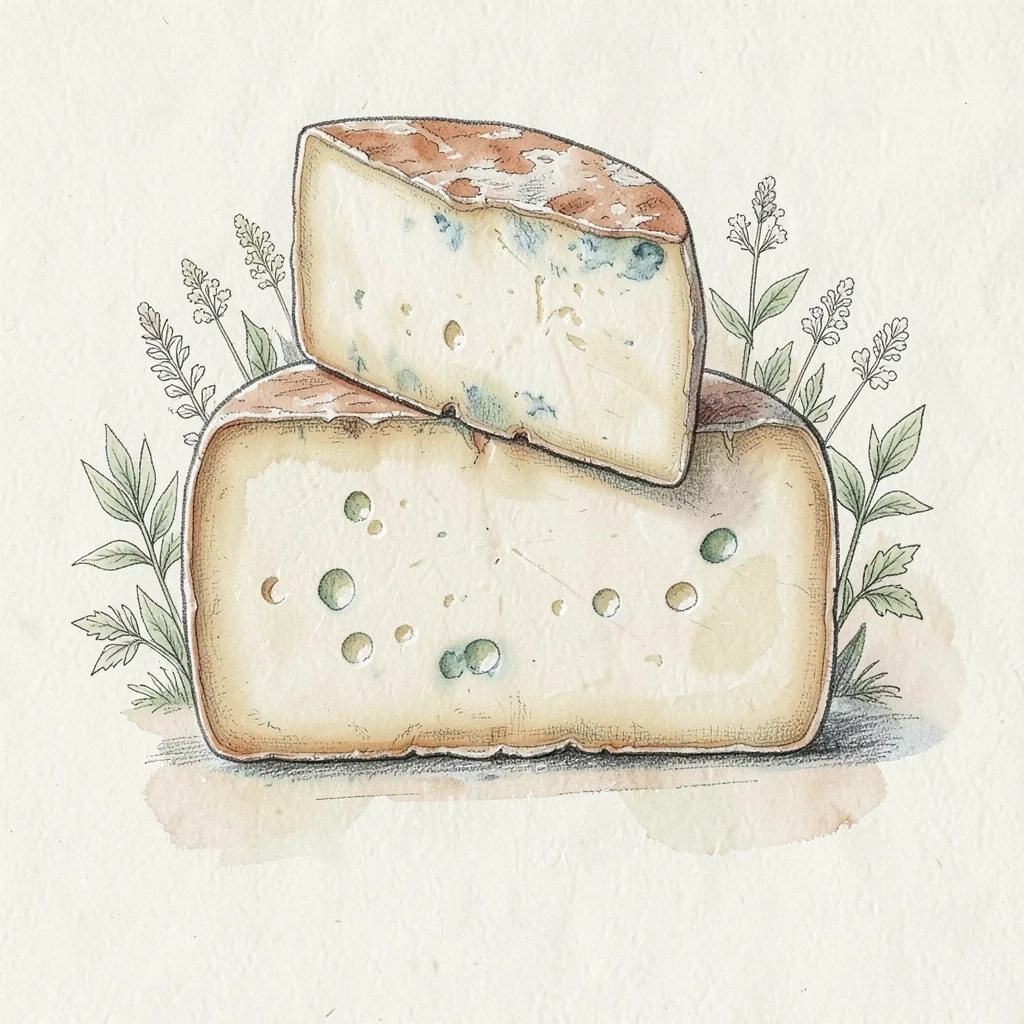
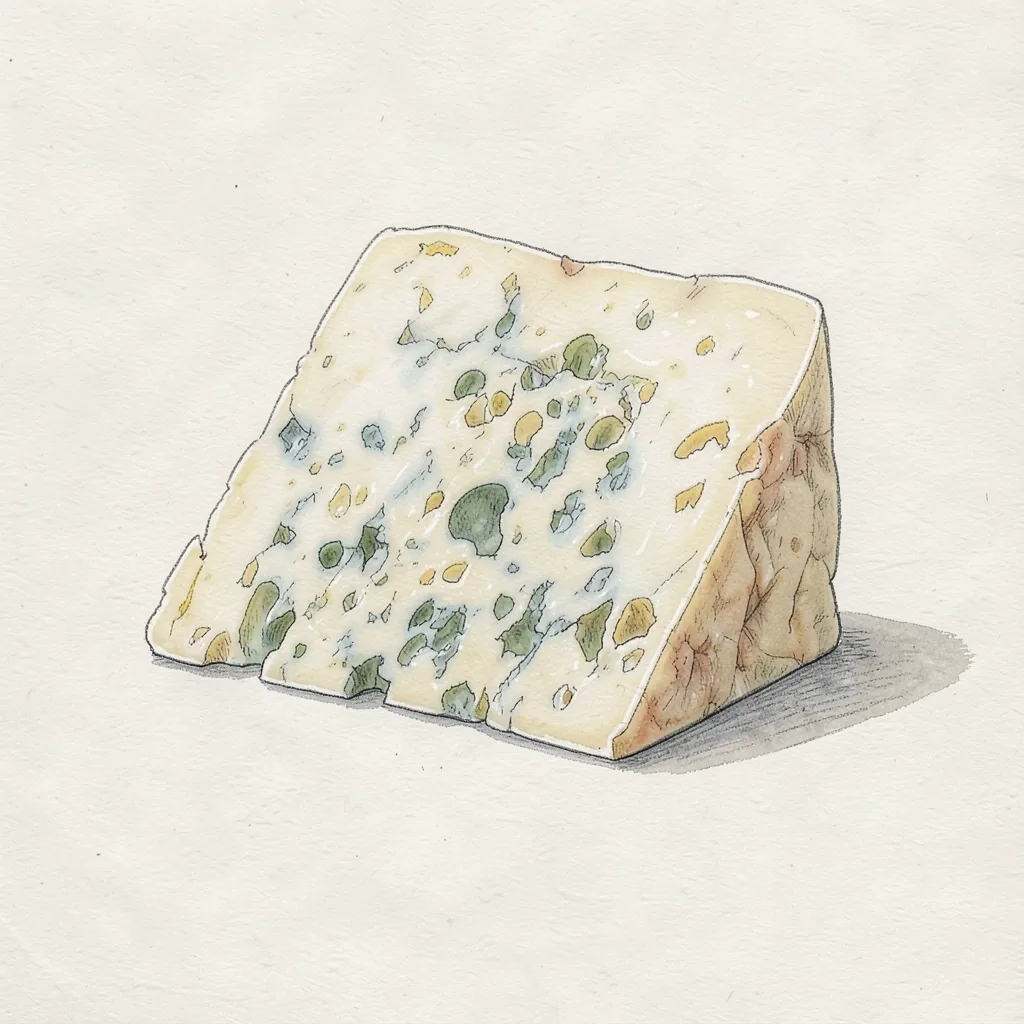
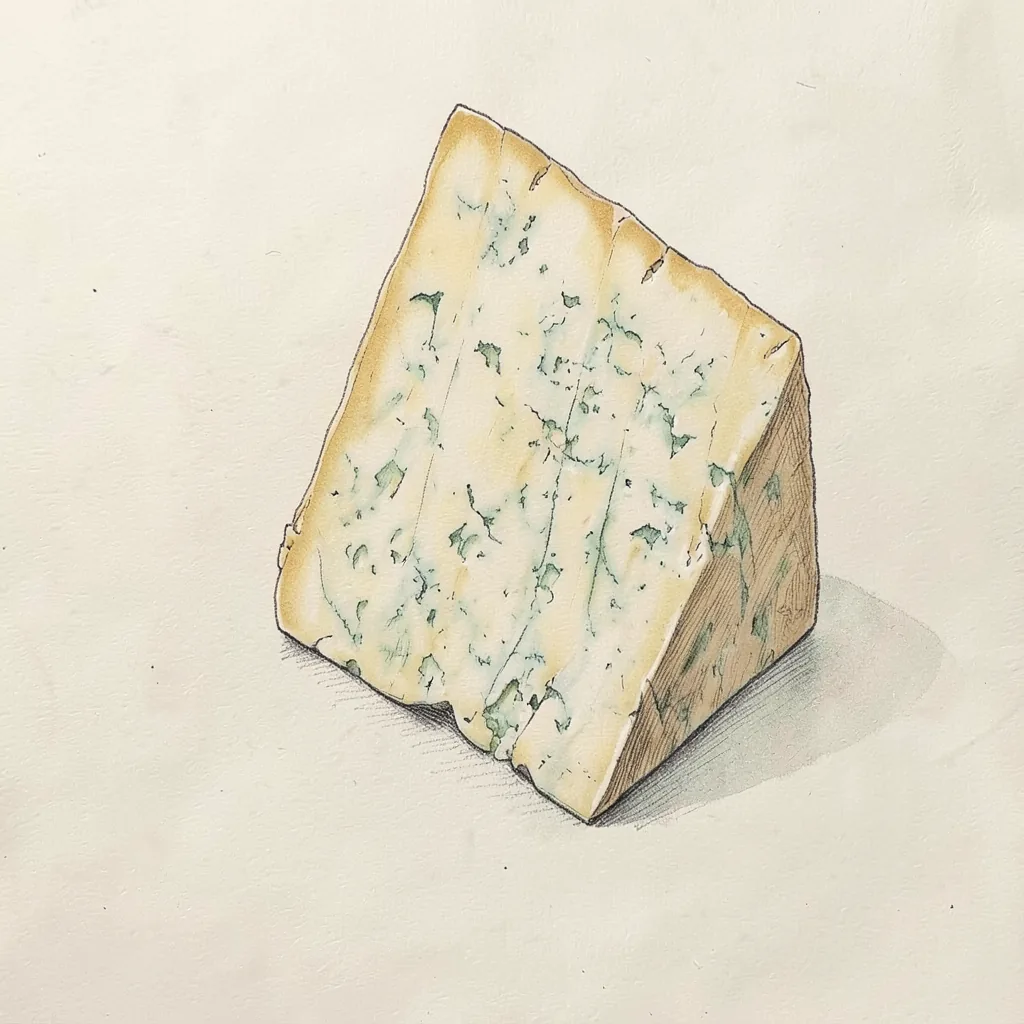
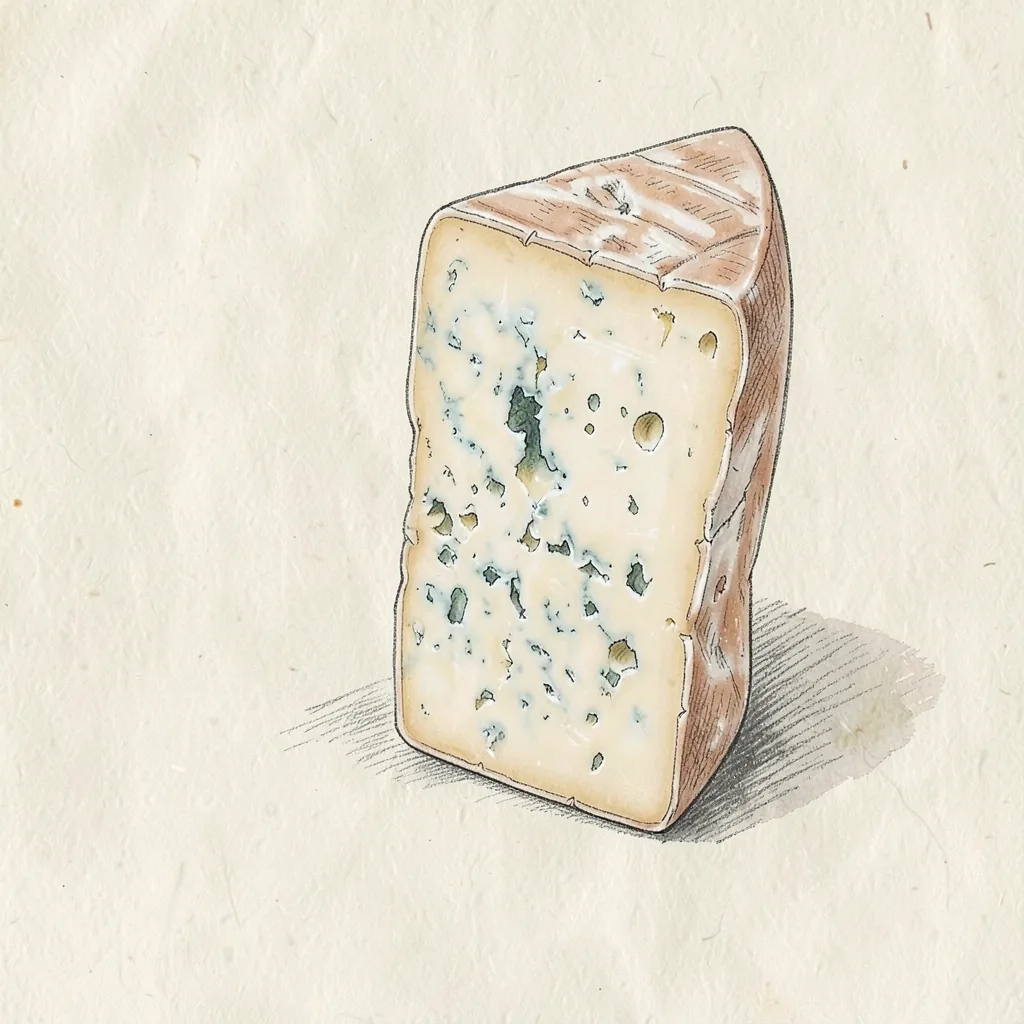
Makers use cow's milk, sheep's milk, and goat's milk, often blended in one vat, which is why people call it a three-milk cheese. The wheels are small cylinders with a thin damp rind and a white paste crossed by blue-green veins. The name joins Picón with Bejes and Tresviso, the mountain places linked to the style. Flavor is strong, salty, and lightly spicy, with a clear cave character.
The paste can be compact or creamy, and a ripe wheel is soft enough to spread on bread. Smell is powerful and cave-like, with a sharp dairy edge that fills the plate. It belongs at the end of a meal or in a bold sauce, not in a mild sandwich. Traditional wheels were wrapped in sycamore maple leaves, and many wheels now leave the dairy in foil. The blue paste, not the wrapper, is the part you taste.
History
Picón is the old local word for this sharp blue cheese of the northern Spanish mountains. Bejes and Tresviso each had a name for wheels from their own caves before the two names were joined. The cheeses matured in natural limestone caves, and that damp dark step shaped the taste more than any single recipe detail. Herd milk changed with the season, so no single flock defined every wheel. The style stayed a mountain food rather than a mild factory block.
Cow's milk, sheep's milk, and goat's milk all entered the vats because those animals grazed the high pastures. The balance still changes from wheel to wheel, and a higher share of sheep or goat milk can make the taste sharper. The cheese left the valleys as a wrapped wheel, first in leaves and later in modern packs. It remains a blue cheese of place even when a shop sells only a small wedge. The full name is the surest link to those mountain sources.
How it is made
Mixed milk, or milk from cows, sheep, or goats, is warmed and set with rennet. The curd is cut into small pieces about the size of a hazelnut, and it is not pressed hard into a closed mass. Loose curd in the mold leaves tiny gaps where air can move, and blue mold grows along those paths. The wheels are salted and dried until the surface is ready for the cave. No thick dry rind is built on purpose during that early work.
Maturing happens in cool and very damp mountain caves. Blue mold spreads in streaks and patches through the white paste, and a thin rind turns gray with yellow-green marks. Time in the cave moves the body from firm toward creamy and more open. Makers turn the wheels and watch the veins rather than washing the coat with brine. Leaf wrapping was the old way to carry a finished wheel home, and foil is the common wrap now.
Taste
The paste is white and smooth, with teal or blue-green veins running through the body. Aroma is strong, salty, and a little spicy, with a damp cave note behind the milk. Taste is tangy and piquant, and it lingers on the tongue after a small bite. Sheep or goat milk, when it makes up more of the vat, pushes the heat and the farm aroma. Cow's milk can round the body, and the blue mold still leads the flavor.
Texture depends on age and on how open the curd was when it went into the mold. A younger wheel is firmer and more compact, and a ripe wheel turns soft, oily, and easy to spread. The bite should stay clean rather than bitter or soapy. Salt is bold, and the acid is clear from the first taste. Many people trim the thin rind, though others eat it for a stronger edge, and the veins should look colored rather than pink or faulty.
In the kitchen
Crumble the cheese over roasted vegetables, walnuts, and bread with a sturdy crust. A little melts into a sauce for meat or into hot potatoes, and a small amount is enough because the flavor is intense. Honey, ripe figs, or a sweet wine can balance the salt and the blue bite. On a board, set it apart from mild cheeses so the aroma does not cover them. The creamy center can also go straight onto warm toast.
Do not cook it for a long time over high heat, or the aroma turns harsh and flat. It works in a salad if the leaves are sturdy and the dressing stays simple and not too sweet. Wrap leftovers well, because the smell travels to other food in a fridge. Let a cold wedge sit out before serving so the paste softens and the flavor opens. Take the foil off before the cheese meets any heat, since the foil is only a wrap.
Around the world
Outside Spain, Picón Bejes-Tresviso is a rare blue beside better known cave cheeses. Buyers may confuse it with other strong Spanish blues from the same mountain country. Mixed milk and a creamy, spicy paste are the useful clues on a label and on the tongue. Some packs shorten the name to Picón alone. A full name that includes Bejes and Tresviso points to this cheese, and it remains a specialty item rather than a standard grocery blue.
Chefs use it where they want a blue with bite and a body soft enough to spread. It can stand in for other salty blue cheeses in a sauce, though the mix of milks will not match exactly. It is not a mild creamy blue, and it is not a hard cheese for grating over pasta. Spanish importers and serious cheese counters are the usual source abroad. If the paste has turned brown and the smell is only sharp ammonia, leave that wedge on the shelf.