Cow
What it is
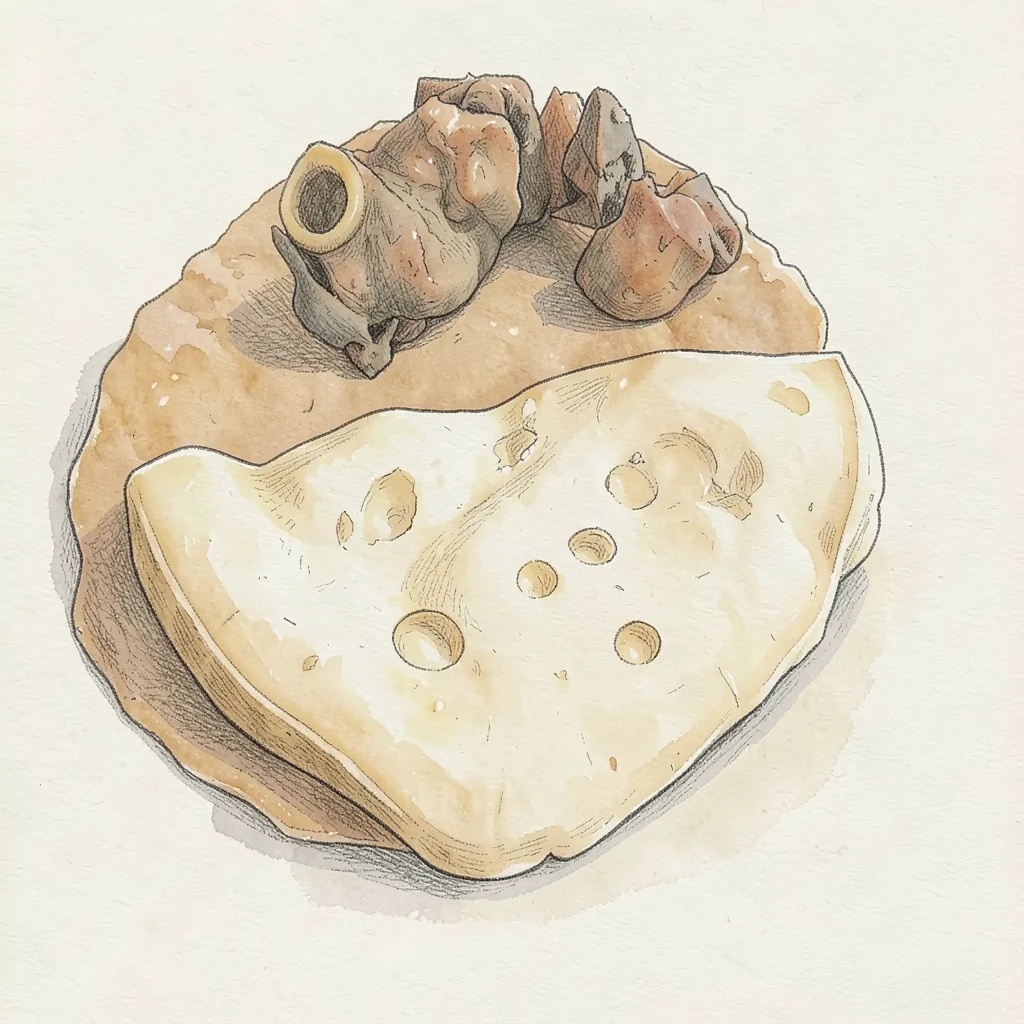
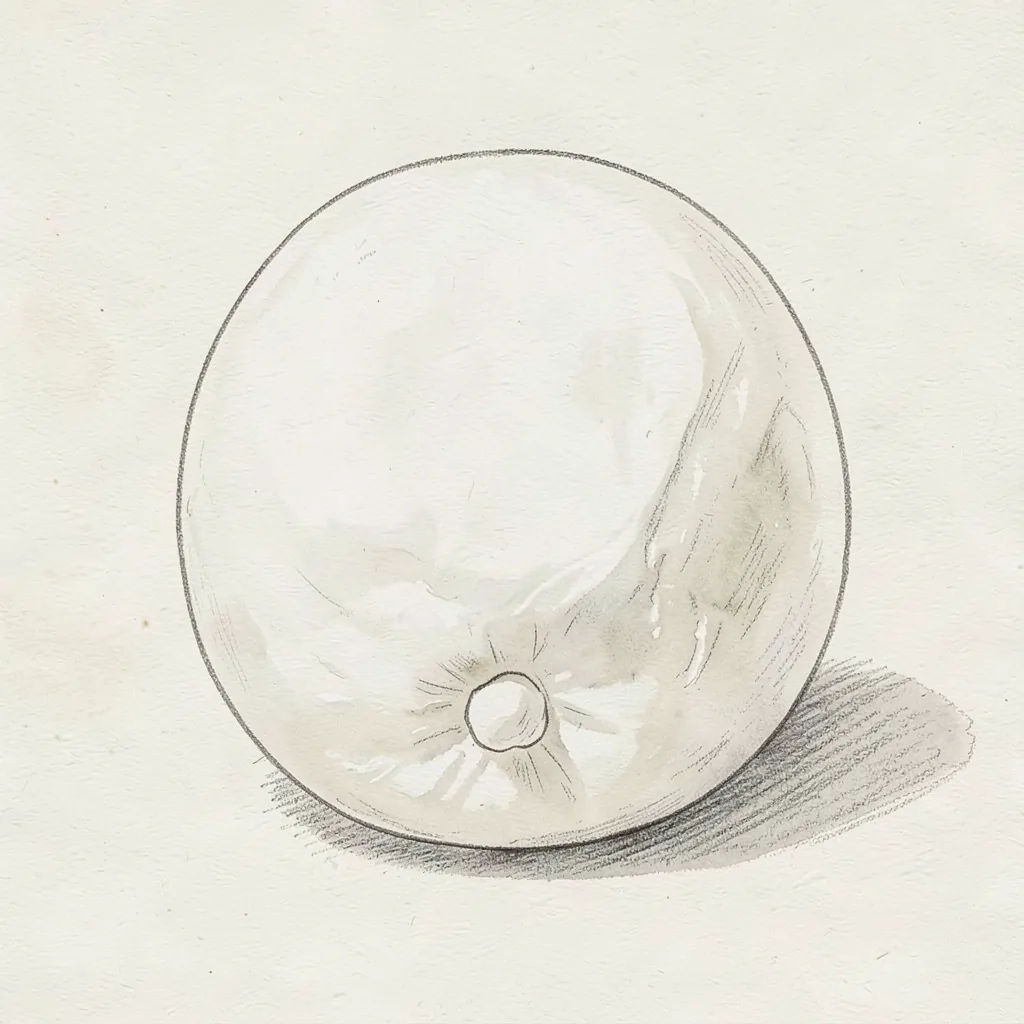
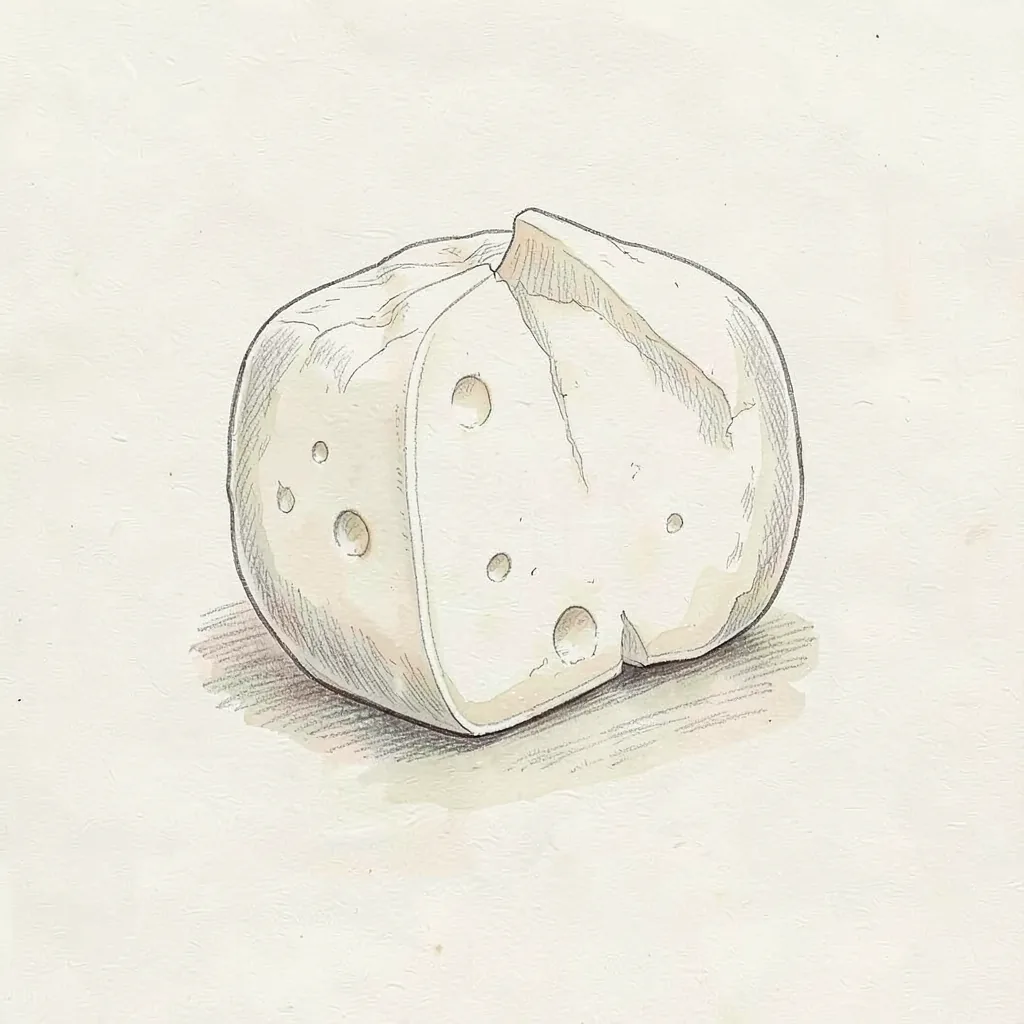
It is a fresh cheese, salty and very moist, with a tender paste that can almost be eaten with a spoon. Producers heat and knead the curd, in the manner of a stretched fresh cheese, but they stop while the mass is still delicate. The usual piece is a soft ball or block, often cloth-wrapped, that weeps a little whey. It is an everyday cheese in Venezuela, not a long-aged wheel.
The flavor is lactic, lightly salted, and clean, so texture does more work than a strong aroma. A good piece feels creamy and elastic for a moment, then gives way. It is not a dry salty grating cheese, and it is not a mozzarella that pulls into long strings for pizza. Heat softens it further, which is why it disappears into a warm arepa. Cold, it slices or scoops onto cassava, plantain, or bread.
History
Guayanés cheese took its name from the Guayana Region in southeastern Venezuela, where cow's milk was turned into a soft fresh cheese for local tables. Rural makers wanted a cheese in the stretched-curd family that suited their herds, and they kept the paste much wetter than a firm kneaded cheese. The craft stayed in small dairies across the region. Skill passed by practice, not by a single printed recipe. The cheese is identified with the Guayana, not with one house.
Timing, the feel of the hot curd, and the moment to stop kneading decide whether the cheese stays creamy. A batch that is worked too long turns rubbery, and producers treat that as a failed cheese. Guayanés remains a daily food in Venezuela, sold fresh and eaten soon. It is the cheese many people expect inside a regional arepa. Markets in the Guayana still sell it as an ordinary fresh cheese, wrapped and ready for the same day.
How it is made
Cow's milk is warmed, and rennet is added so a soft curd forms. The curd is stirred in the warm pot until it takes on a stretchy, almost chewy feel. It is then turned out and kneaded or pressed in layers while it cools. Air on the surface helps the paste settle into the familiar tender look. Salt is part of the make, which is why even a plain piece tastes seasoned, and the whole job is short compared with a cheese that sits in a ripening room.
The cheese is shaped into soft rounds or blocks and often wrapped in cloth so it can drain without drying out. It is not aged into a rind. The goal is a high-moisture paste that holds together and still yields to a spoon. Makers judge doneness by hand, and two workshops in the same region may not match each other exactly. What they share is cow's milk, a brief cook and knead, and a fresh, salty, white cheese, while a hard crumbly result is a different cheese.
Taste
Guayanés tastes of fresh milk and salt, with a mild lactic tang and almost no sharpness. The smell is clean and milky. Fat from the cow's milk makes it feel rich even though the flavor is simple. There is no rind flavor, no smoke, and no herb mixed into the standard cheese. A piece that has sat too long tastes sour and watery, the texture turns grainy or slack, and the milky smell is no longer sweet.
The first bite is soft, then slightly elastic, then creamy as it warms. It should not fight the teeth the way a firm pizza cheese can. Salt is clear but should not sting, and the color is white, not yellow. People who want a complex aged cheese will find this one plain, and that plainness is the point. It is a carrier for corn, plantain, and coffee as much as a cheese you taste alone on a knife.
In the kitchen
The classic use is inside a hot arepa, where the cheese softens and seasons the corn cake. It also sits with fried plantain, cassava, or a cachapa. Crumble or spoon it over black beans, eggs, or a simple salad of tomato and onion. Because it is already salty, taste the dish before you add more salt. It can go under a broiler briefly, but it will slump rather than brown into a hard crust, so a spoon is as useful as a knife.
Keep Guayanés cold and covered, and eat it fresh. The whey that leaks is normal, so set the wrapped cheese in a dish. Avoid freezing it if you can, because freezing breaks the creamy body that makes it special. It is a poor match for a long-baked gratin that needs a cheese to hold its shape. For a board, serve it cool with bread and fruit, give people spoons as well as knives, and use it the day you buy it when you can.
Around the world
Outside Venezuela, Guayanés is a specialty of Latin American markets and of kitchens that cook Venezuelan food. Many countries never see it fresh, because a very wet fresh cheese does not travel well. What does arrive may have been frozen, and the texture is then less creamy. In Venezuela it is an ordinary shop cheese. Abroad, cooks often swap in another soft white cow's milk cheese and accept a firmer bite, so ask for it by the Guayana name rather than as white cheese.
Queso de mano is the closest cousin, another Venezuelan cow's milk cheese with a kneaded curd, usually firmer and more clearly stretched. Queso blanco is the wide name for fresh white cheeses across Latin America, and many are saltier and more crumbly. Mozzarella shares the stretched-curd idea but is milder and stringier. If you cannot find Guayanés, use a very fresh, soft cow's milk cheese and add a pinch of salt. Do not use a hard aged cheese and expect the same soft center in an arepa.