Cow
What it is
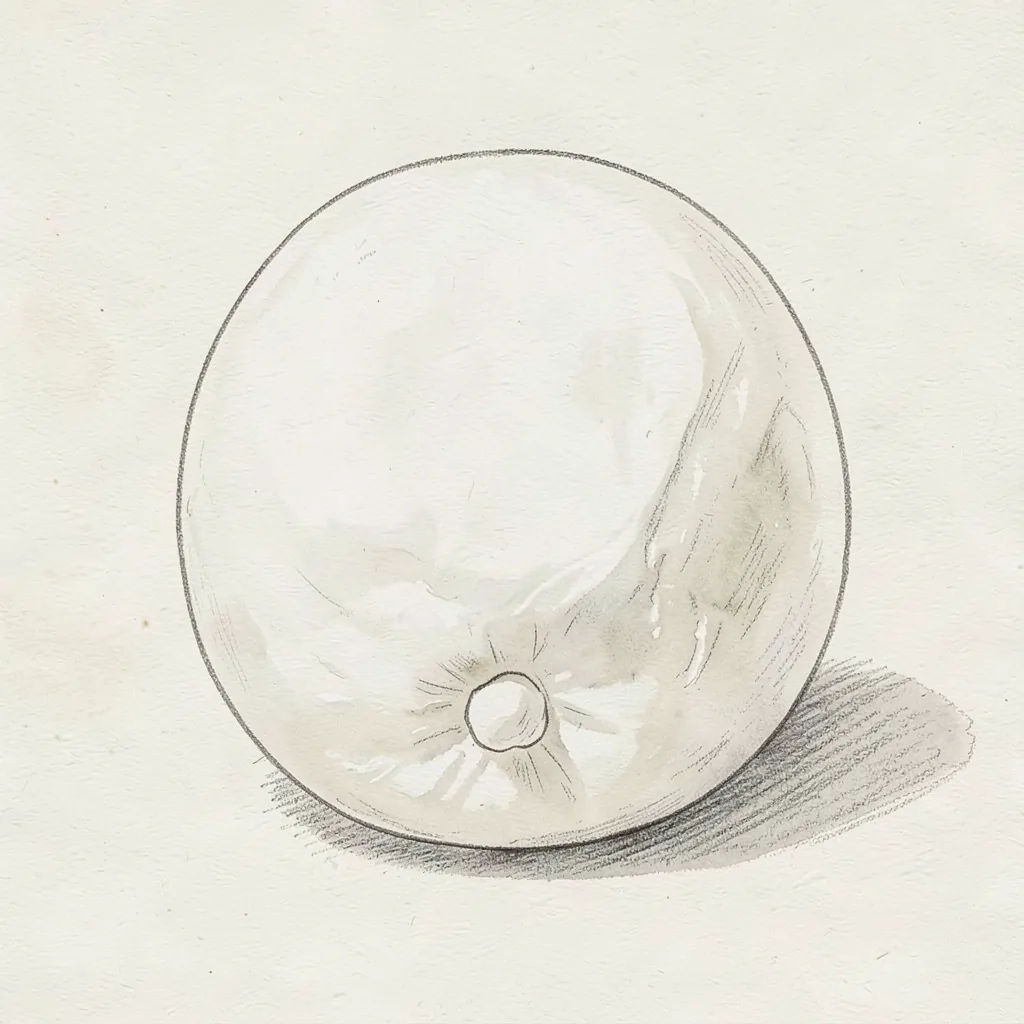
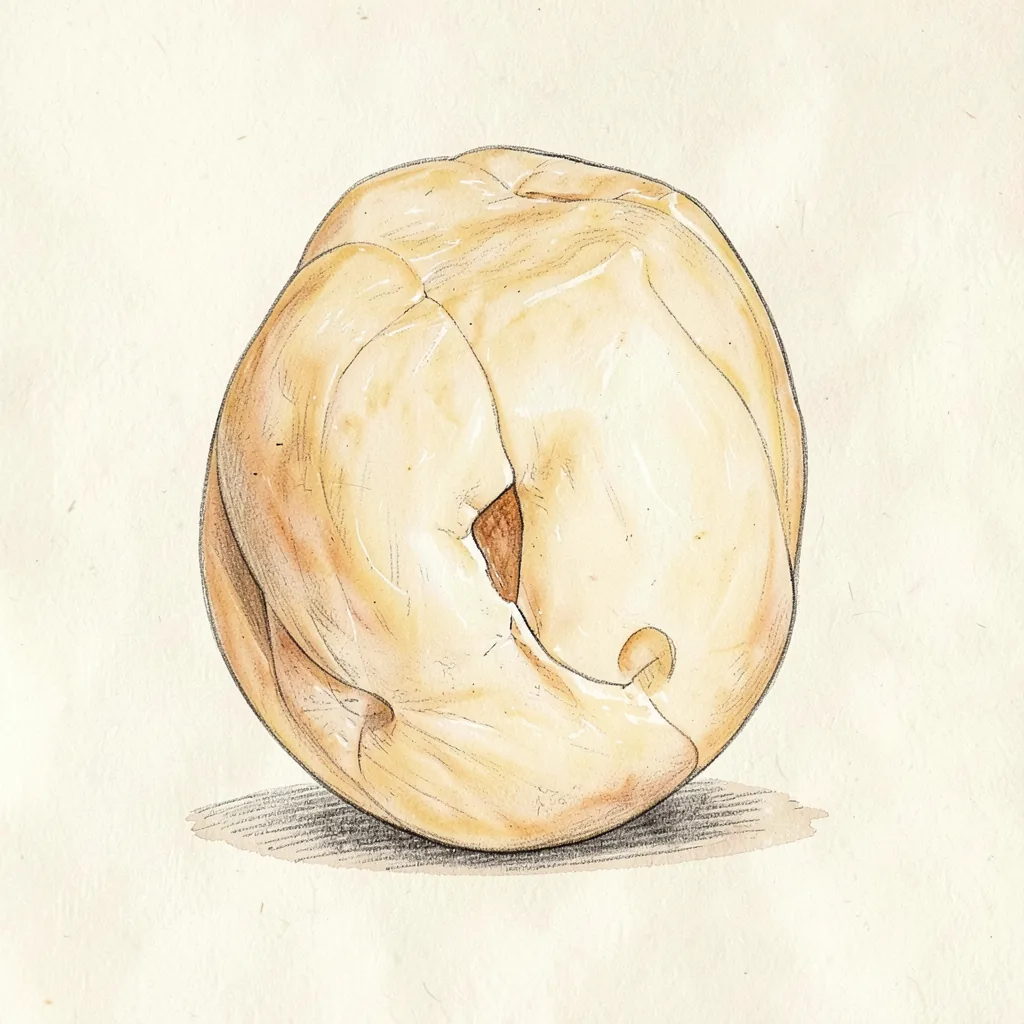
The name means cheese of the hand, because makers stretch and shape the curd by hand. The paste is moist, pale, and folded into soft layers. It tastes mild and a little salty, closer to a fresh stretched cheese than to a sharp aged wheel. Venezuelans use it as a filling and as a side, not as a block meant for long storage.
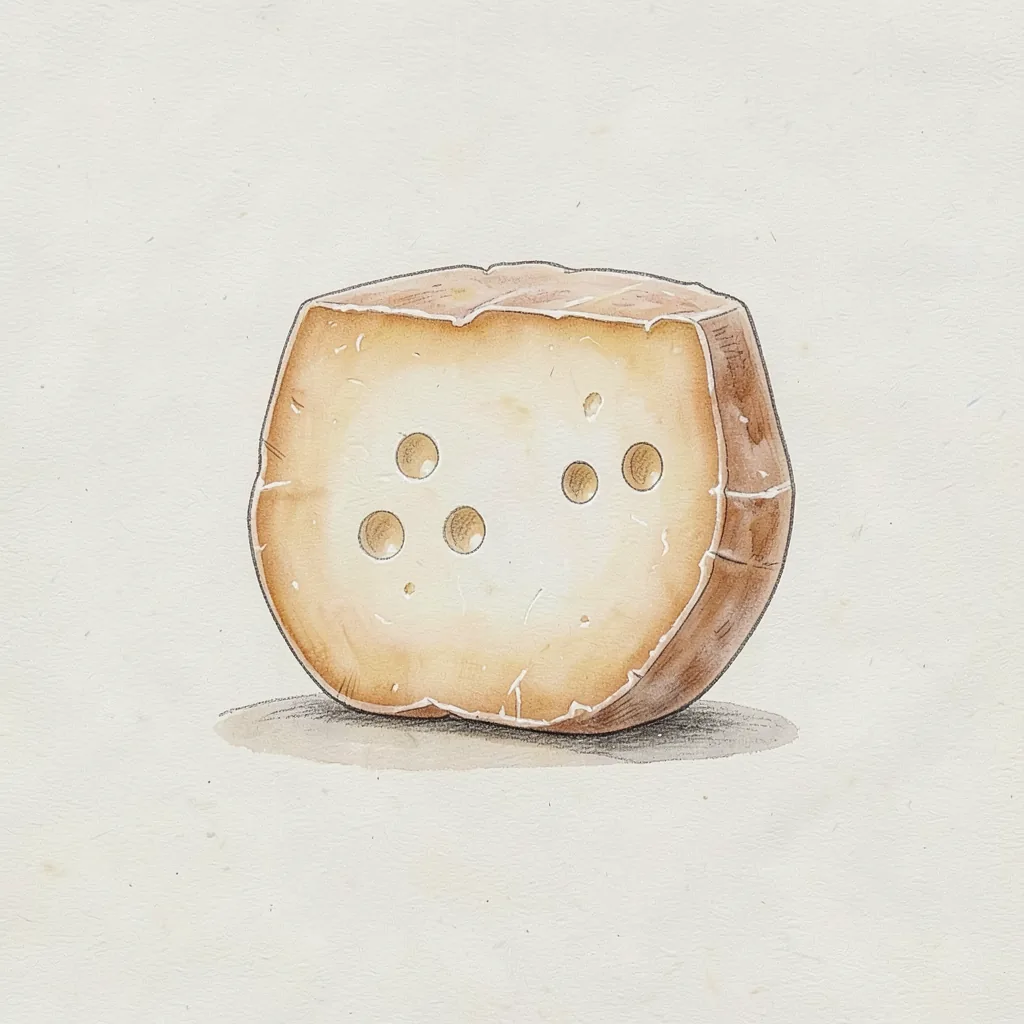
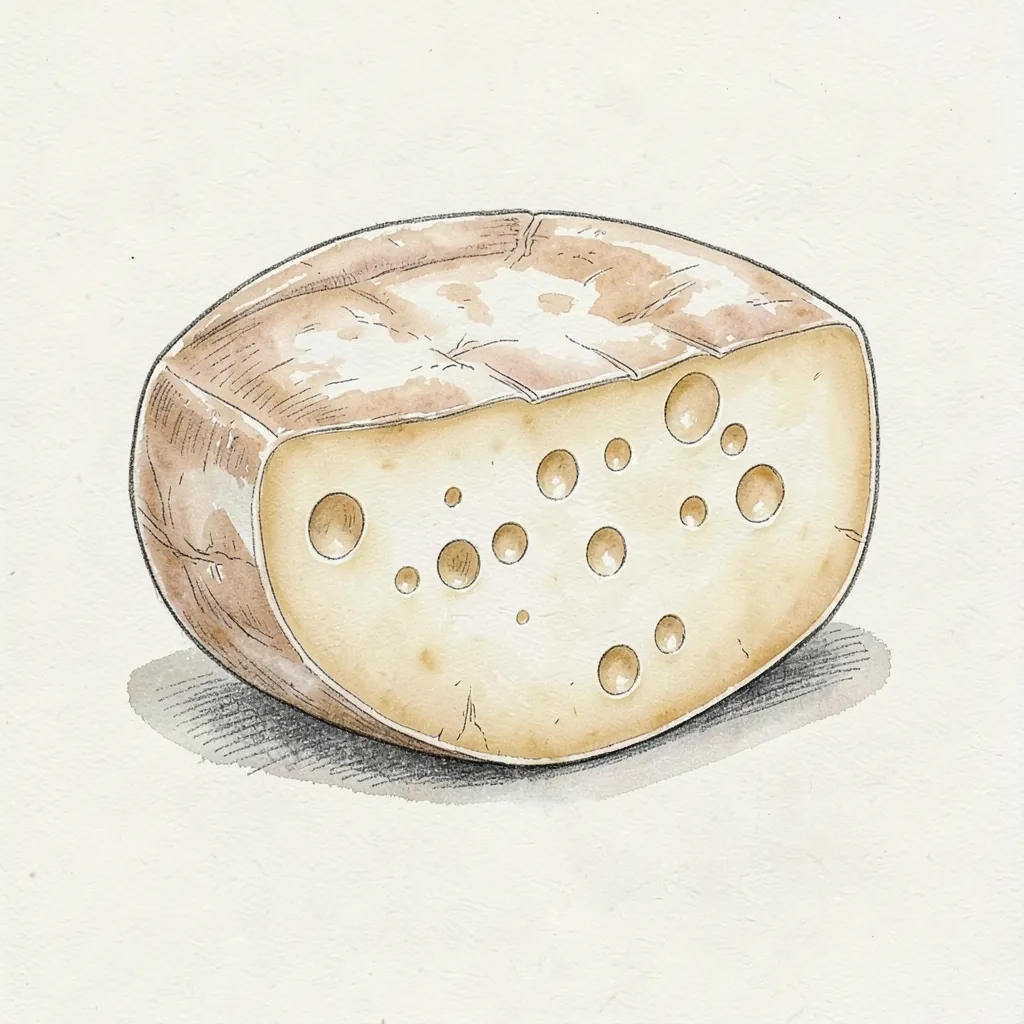
The cheese is fresh, with no rind and no long rest in a cellar. It bends, and a warm piece pulls into soft strands. A cold slice looks smooth and slightly shiny on the cut face. It is not a dry salty crumble, and it is not a processed loaf. The hand-stretched body is the whole point of the style, and a tough rubbery piece has lost the moisture that makes it good.
History
The cheese took its place in Venezuelan home cooking and market stalls, where fresh curd had to be eaten soon. Stretching that curd by hand gave cooks a soft sheet they could fold into breads and corn cakes. The name records that handwork. It is a national style, not the specialty of one town. Shops and home kitchens still treat it as ordinary food rather than as a rare wheel.
Families passed the method along as a practical skill, not as the property of one brand. The round, flat shape fits a plate and also fits inside a stuffed bread. Other fresh cheeses in Venezuela use different names and different textures, so the stretched sheet stayed distinct. Cooks did not need to age it before a meal. The cheese sold today still aims at that soft character, ready as soon as it is made.
How it is made
Makers set fresh curd, then warm it until the mass will stretch. They knead and pull it by hand until it is smooth and elastic. The stretched curd is folded into a round, flat piece, which leaves soft layers in the paste. Salt is part of the make, but the cheese is not stored for long in a heavy brine. The work is done when the piece holds together and still feels moist to the touch.
Because the curd is stretched, the inside looks faintly stringy when you pull it apart. It is not pressed into a hard wheel, and it is not drained into a dry crumble. A careful maker stops while the paste is still tender. Too much heat or too much working can turn the piece tough. The finished cheese is meant to be eaten fresh, while those layers are still soft and easy to tear.
Taste
The flavor is mild, milky, and lightly salty, with a clean finish. There is little tang, and there is almost no sharp bite. The paste feels moist and elastic, not chalky, and not thick like a spread. A warm piece pulls into soft strands and tastes a bit fuller. A cold piece is quieter and slightly firmer, and neither one should taste sour, bitter, or strongly aged.
Salt stays gentle, so the cheese does not take over a filling. The layered body gives a slight chew, and then it yields. If it sits out and dries, the flavor flattens and the chew turns rubbery. That change comes from storage, not from a sharper named style. There is no rind flavor to judge, because there is no rind at all, and freshness is the whole of the taste.
In the kitchen
The usual place for it is inside an arepa or beside a cachapa, where the heat softens the layers. It also melts into empanadas and other stuffed breads. Tear it or slice it rather than grate it. A few pieces on a plate next to grilled meat or fried plantains are enough for a simple meal. Do not expect a firm browned steak of cheese, because this style is softer and wetter than a grill cheese.
Use it the day you buy it, or keep it cold and covered so it does not weep and dry at the edges. It can sit in a soft sandwich if you want a mild bite. It is less useful in a long-baked sauce, where a drier melting cheese holds its body better. Pair it with corn, beans, and ripe plantain rather than with a sweet fruit plate. A light hand with extra salt keeps the mild dairy taste clear.
Around the world
Outside Venezuela, Queso de mano shows up in Latin American markets more often than in a general cheese case. Ask for the Venezuelan hand-stretched cheese if a label is unclear. A piece that pulls into soft layers is the right one. A dry salty crumble with the same white color is a different cheese entirely. Restaurants that serve arepas are another place travelers meet it, often melted inside the bread.
Fresh mozzarella or Oaxaca cheese can stand in when a shop has no Queso de mano, because both stretch and stay mild. The swap will not have the same flat, layered round. A firm fresh white cheese that does not pull into strands is a weaker match for the texture. If you only need a soft white filling, those stand-ins will do in a pinch. For the real layered tear, wait for the Venezuelan cheese.