Mixed milk
What it is
It is made from cow's milk and goat's milk, together with whey and cream, so the milk is mixed. The kettle is boiled until the milk sugar turns a deep brown and the mass can set into a firm block. The taste is sweet and caramel-like, with a light tang from the goat's milk. Norwegians slice it for bread rather than grate it over pasta.
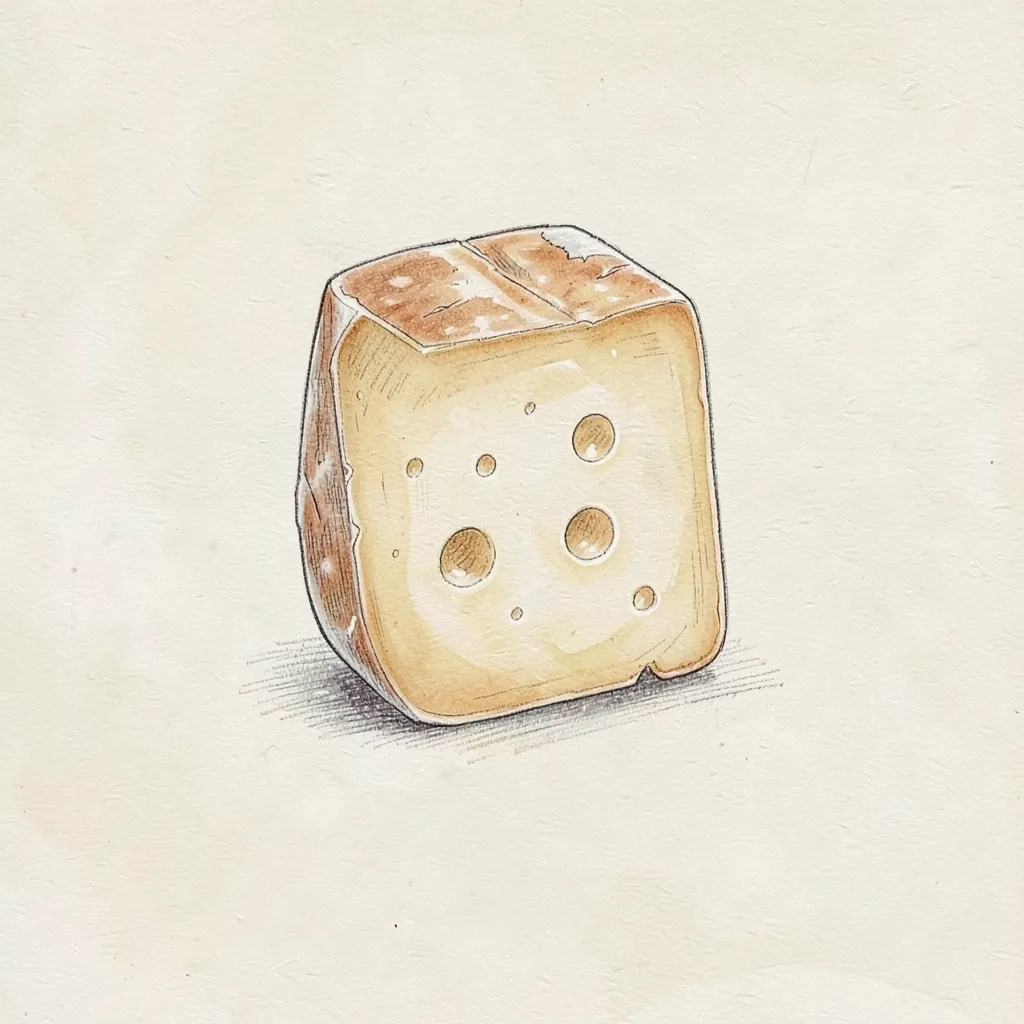
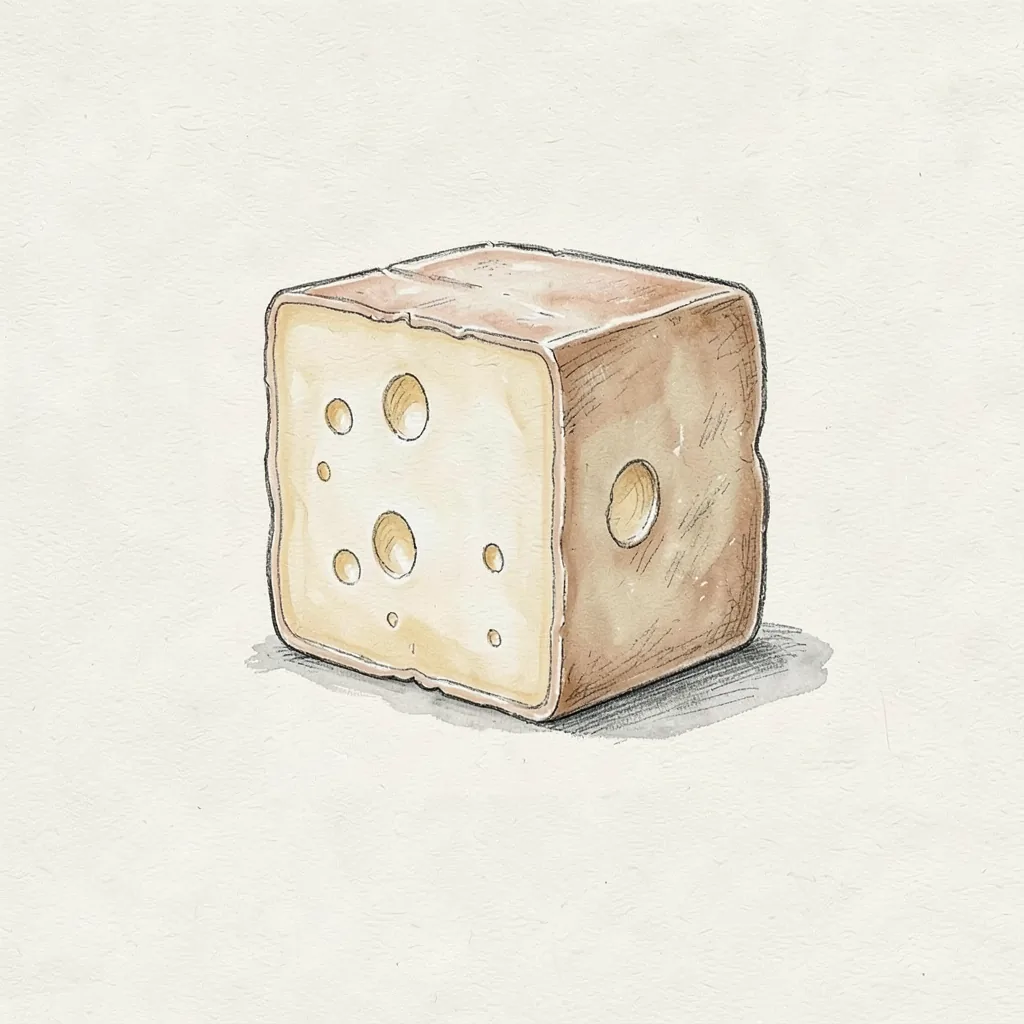
The color is darker than that of many other brown cheeses. The paste is smooth, dense, and fudgy, with no holes and no rind. A cheese slicer makes thin sheets that bend without crumbling. The flavor is mild, round, and full, not sharply salty. Some pieces are cast in a mold that leaves a raised pattern on the face, and that pattern is only decoration.
History
Brown whey cheese is an old Norwegian answer to the whey left after other cheeses are made. Boiling that whey saved a food and turned the milk sugar into caramel, which is why the style is brown. Heidal belongs to the mixed type often called Gudbrandsdalsost, made with both cow and goat. The name Heidal marks this darker version. It is a regular shop cheese now, not only a farm kettle product.
Farm kitchens in Norway cast brown cheese in molds, sometimes with a decorated face for the table. Heidal kept that molded character while dairies learned to make the same dark, sweet style in steady quantity. It is not a fresh white cheese, and it is not a spiced loaf like nøkkelost. People still expect thin slices on waffles, crispbread, and open sandwiches. The sweetness is traditional, not a flavor added to copy a dessert.
How it is made
Whey from cheesemaking is the base of the kettle. Cow's milk, goat's milk, and cream go in with it. The mixture is boiled for a long time so water leaves and the milk sugar caramelizes. Steady stirring keeps the heat even and stops the mass from scorching on the bottom. The color moves from pale to tan and then to a deep brown, and the cook turns thick.
The hot mass is poured into molds and cooled until it is firm enough to slice. There is no rennet set of curd grains, no heavy press, and no ripening cave after that. The cheese is ready once it has set and chilled. More cream makes a richer block, and a leaner mix slices a bit more firmly. Pack it and keep it cool, because it does not grow a rind or improve by sitting in a cellar.
Taste
Sweetness leads the flavor. The caramel note can remind you of cooked milk, but salt and a gentle goat tang keep it from tasting like candy. The paste is dense and smooth, and it should not feel grainy or chalky. There is no spice and no blue mold in the aroma, only warm dairy. A thin slice on bread lets the sweetness sit against the starch, while a thick chunk can feel very rich.
A darker color usually means a fuller caramel taste, and Heidal sits on that dark side. Expect more cooked-sugar flavor than you would find in a pale whey cheese. Bitterness means the kettle went too far, and a sour smell means the piece is off. Good cheese tastes clean, sweet, and slightly savory at the end of the bite. Let a cold slice warm before you taste it, so the flavor can open and the texture feels less stiff.
In the kitchen
Shave Heidal cheese onto buttered bread, crispbread, and a warm waffle. A little jam or sliced fruit is a common partner, because the sweet cheese likes something bright beside it. The cheese can also melt into a sauce for meatballs or game, where the caramel note works like a mild brown base. Use thin slices, since a heavy layer becomes too sweet. A cheese plane or a sharp slicer is the right tool.
Do not grate this cheese like a hard Italian wheel, and do not cube it into a green salad. Fold it into a warm pan at the end of cooking, because heat softens it quickly. It will not stretch, and it will not form a browned crust the way a grilling cheese does. Store the block well wrapped so the surface does not dry and the smell does not fill the fridge. If the face hardens, trim it and slice from the fresh side.
Around the world
Outside Norway, Heidal cheese shows up in Scandinavian markets and in shops that carry brunost. The block may be labeled Heidal, Heidalsost, or simply as a brown cheese made with goat and cow. Color is a useful clue when the name is unclear. A dark, firm block is the one that matches this style. It is uncommon in an ordinary supermarket case in many countries, so ask at a Nordic counter before you settle for a pale sweet cheese.
Any mixed cow and goat brunost will come close if the Heidal name is missing. Fløtemysost is the cow-only brown cheese. It is often lighter in color and lacks the goat tang, but it still gives a sweet caramel slice on bread. Primost is softer and more like a spread, so the texture changes even when the sweet family is the same. Do not replace Heidal with a salty white cheese, because the sweetness is the whole point of the bite.