Cow
What it is
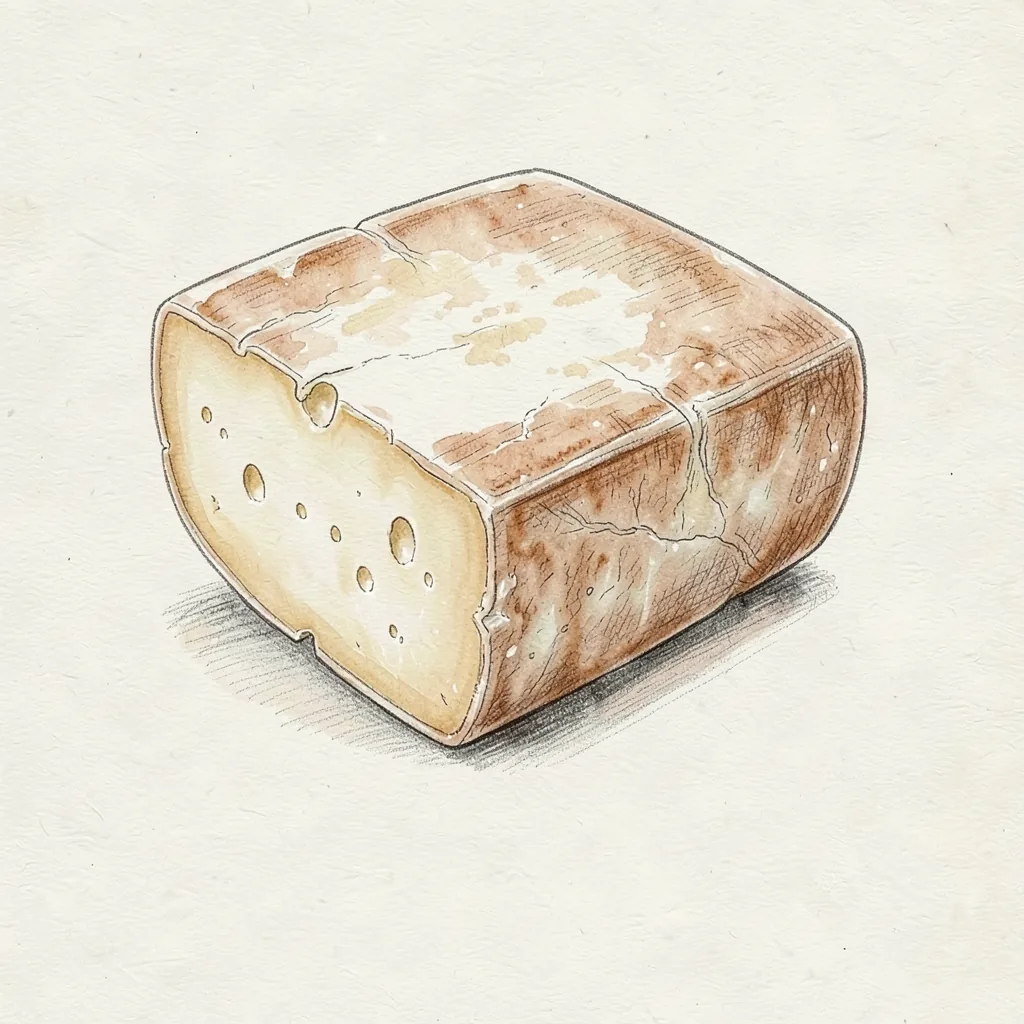
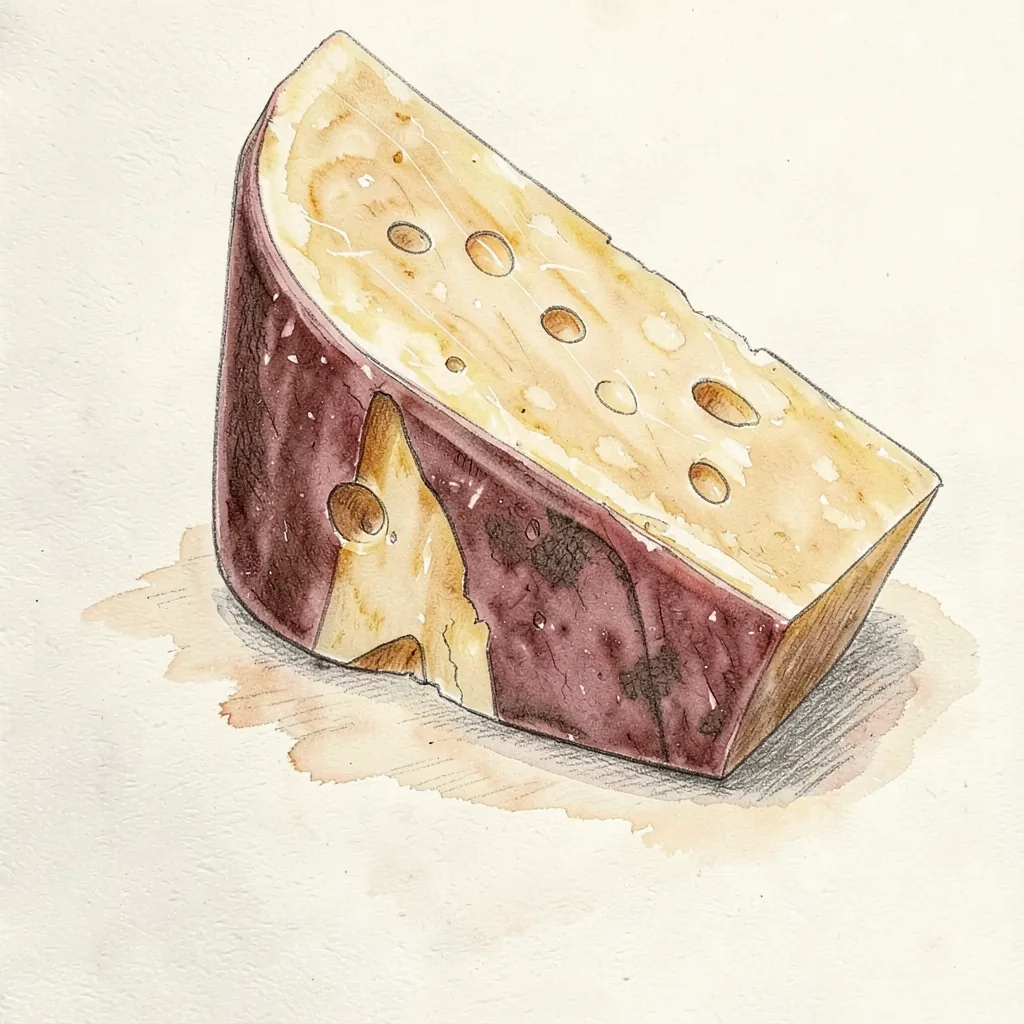
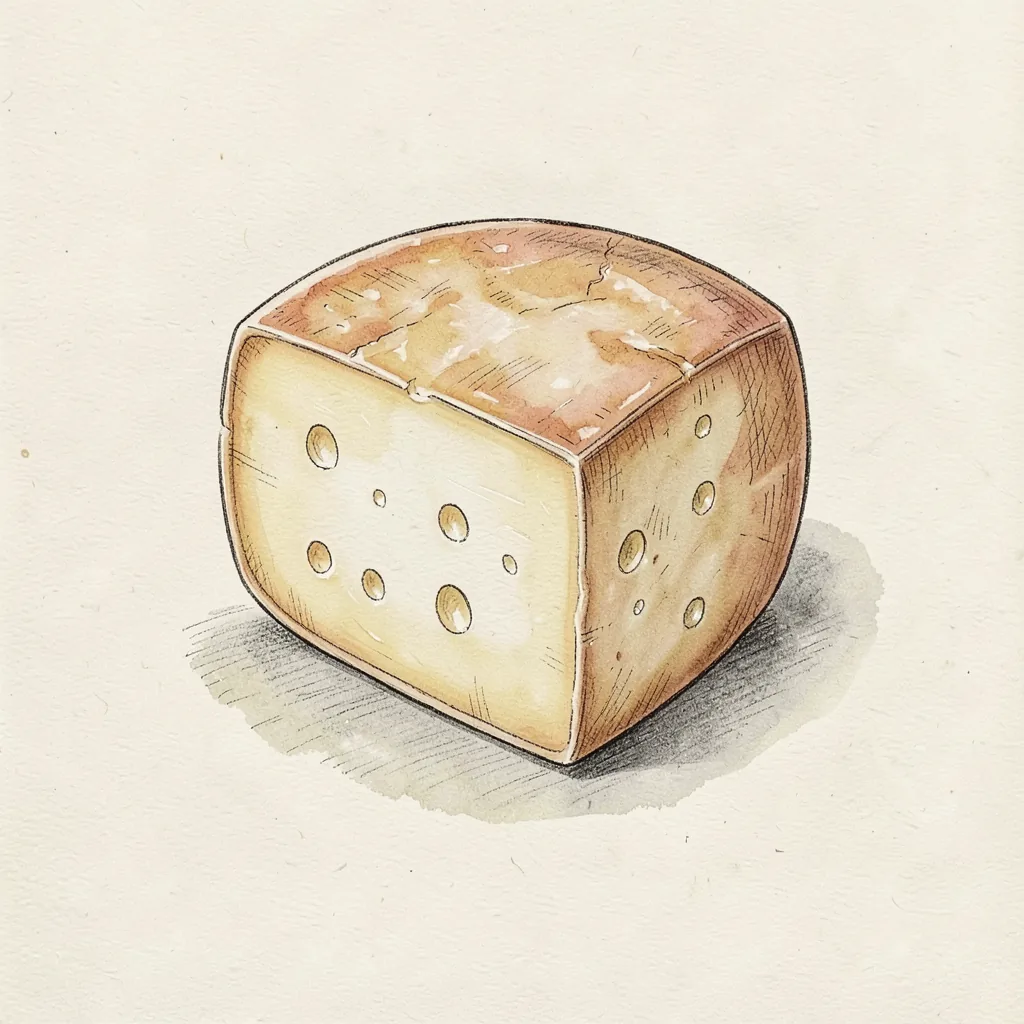
The name means herder's cheese, and it points to milk from herds that graze alpine slopes in the warm season. The paste is golden and firm, with a natural rind and a waxy bite. It sits closer to an aged mountain cheese than to a mild slicing cheese. A young wheel is already savory, and a longer keep brings a deeper, sweeter aroma.
Shoppers should read the label with care, because the same German word is also used for pale brined cheeses that crumble like a white salad cheese. Those are a different food. The southern German hard cheese is dense, sliceable, and meant for a board or a warm dish. It smells of butter, nuts, and a light caramel note. Fruit, plain bread, and a nutty wine are the usual partners.
History
The hard style grew up with herding in the south of Germany. In the warm months, cows grazed high pastures, and herders later brought them down to valley stalls for the cold season. Cheese was a way to keep that rich milk. The name records the herder, not a single dairy or a written recipe from one place. Wheels from this tradition are still made as a firm mountain cheese.
Over time the word Hirtenkäse spread beyond that mountain cheese. In German shops it can also label a cheese kept in brine, pale and salty, in the family of cheeses from around the Mediterranean. That second use is common enough to cause a mix-up. The hard southern cheese is the one with a dry rind and a golden interior. If a tub is soft and crumbly, it is the brined style, not the mountain wheel.
How it is made
Traditional hard Hirtenkäse is made from cow's milk, often while the animals are on fresh pasture. The milk is set with rennet, and the curd is cut small so whey can leave. Heat and stirring firm the grains before they are pressed into a large wheel. Salt goes on the surface or into the curd, and a natural rind forms as the wheel dries. No mold is added to make eyes or blue veins.
The wheel then rests until the paste turns dense and the color deepens toward gold. Time in the cellar smooths the texture into something waxy rather than chalky. Longer keeping can add tiny crunchy crystals, but the cheese does not simply dry out and turn brittle. Some makers sell it younger, when the flavor is milky and less sweet. A coated or vacuum-packed piece may show little rind, so judge the paste, not only the outside.
Taste
A cut face is buttery yellow and smells of warm milk, browned butter, and a hint of orange peel or butterscotch. The flavor is savory first, then slightly sweet, with a nutty finish. Salt is present but not sharp. The paste feels firm and a little waxy, and it yields rather than crumbling into dry flakes. That texture is part of the pleasure on a plain slice.
Age changes the balance more than the basic character of the cheese. A shorter keep stays milky and gentle. A longer keep deepens the caramel note and may add a faint crunch from small crystals. It should not taste bitter, smoky, or aggressively sharp. If the piece is pale, wet, and sour, it is likely the brined cheese sold under the same German name.
In the kitchen
Cut Hirtenkäse in thin slices and small chunks for bread, apples, or a cheese board. The waxy paste is pleasant at room temperature, when the sweet aroma opens. It can also go into a baked potato dish or over vegetables, where it softens without flooding the pan with oil. Grate it only if the piece is firm enough to hold on the grater. A very fresh, supple wheel is better sliced.
Keep the flavor in front and use a light hand with extra salt. Nuts, pears, and a little honey sit well beside it, as does a simple rye bread. Do not treat it like a stretchy melting cheese for a pizza. It softens and browns, but it will not pull into long strands. Wrap the cut face and keep it cold so the paste does not dry and crack.
Around the world
Outside Germany, the hard Hirtenkäse is a specialty item rather than a supermarket staple. Cheese shops that carry alpine wheels are the likely place to find it. Ask whether the piece is the firm mountain cheese or a brined white cheese, because both can wear the name. A golden interior and a dry rind mark the hard style. A cheese in brine, sold in a tub, is the other one.
If the hard wheel is missing, an alpine Bergkäse is the closest swap for a board or a baked dish. An aged Gouda can cover the sweet, dense side of the flavor, though it is usually saltier and darker. Emmentaler is a neighbor in southern cheesemaking, but its large eyes and milder, nuttier taste are different. None of those replacements is a brined salad cheese. Match the texture you actually bought before you change the recipe.