Cow
What it is
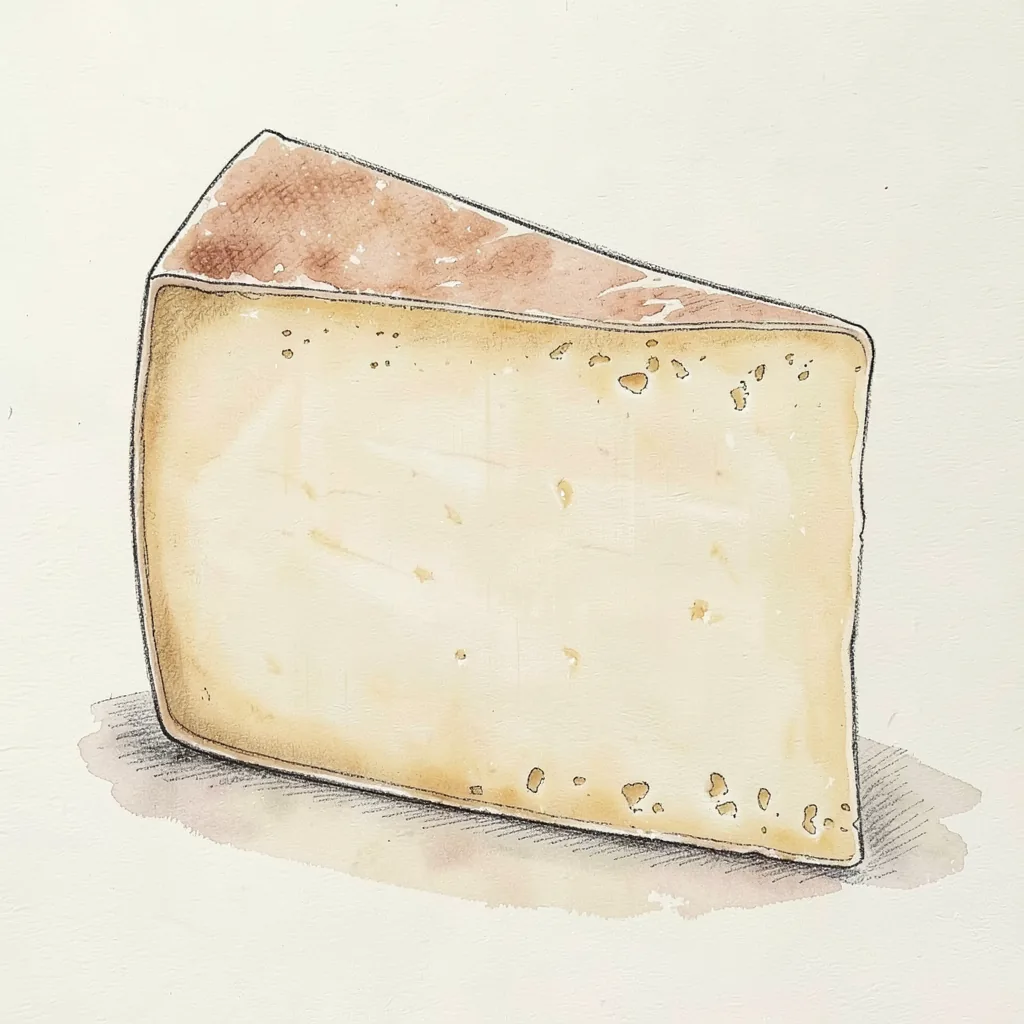
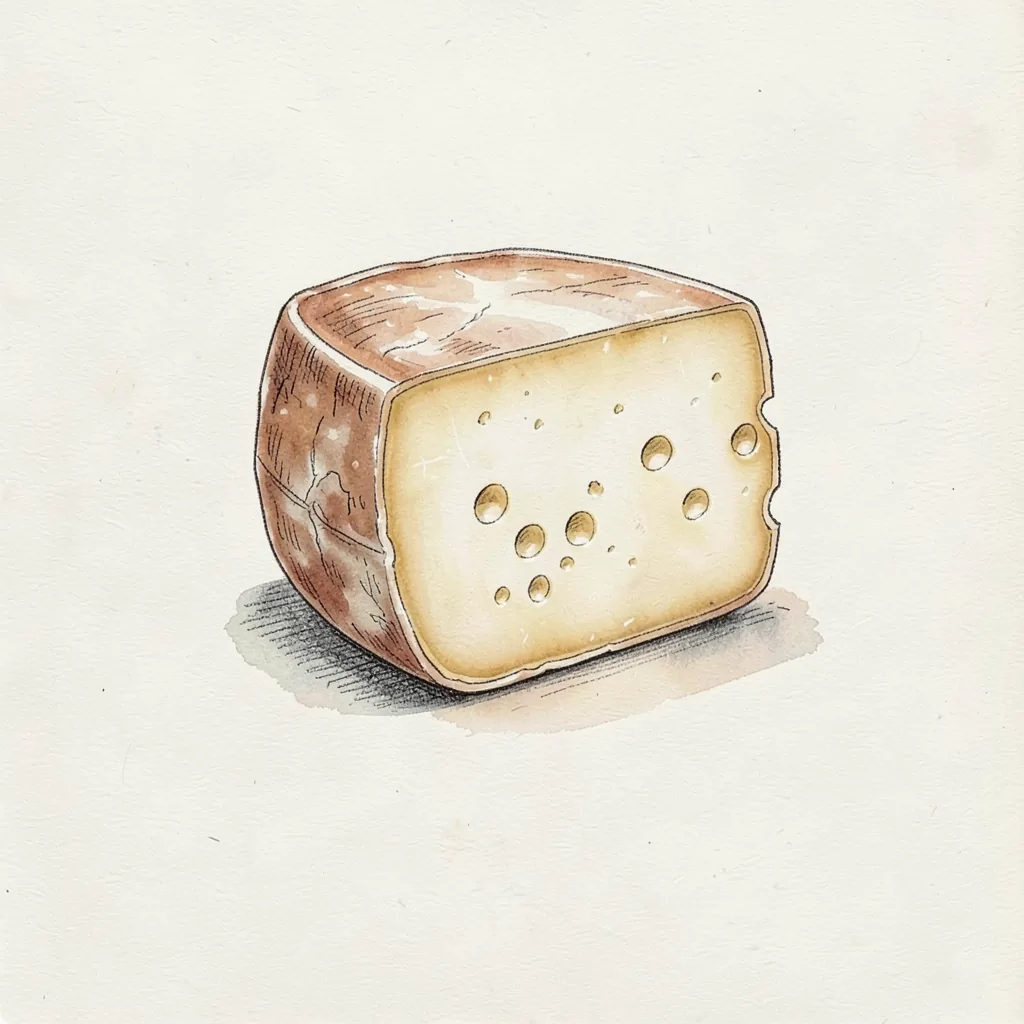
It stands for several alpine wheels rather than one single recipe. Makers press the curd into large rounds with a firm paste and a natural rind. The taste is nutty and savory, and it grows a little sharper as the wheel ages. Small openings may show in the paste, but this is not a large-eyed Emmental style.
Buyers should read the label, because the plain name covers more than one dairy and more than one age. A younger wheel is milder and still a bit moist, so it slices well for bread. An older wheel turns drier and sharper, and it suits a grater. The shared points are cow's milk, a firm body, and a nutty savor. Ask about the age if the shop can say, because that detail changes the cooking use.
History
Mountain herds and alpine dairies gave Bergkäse its name, and the cheese belongs to the old habit of turning plentiful milk into a wheel that can be stored. In Austria the usual style is a hard cheese, pressed and kept until the paste is firm. The word is also used more loosely for alpine cheeses that taste similar, even when the milk did not come from a high pasture. That wide use is why two wheels with the same name can still differ in strength.
Named relatives sit beside the general style, and they are easier to pin down. Vorarlberger Bergkäse is one Austrian mountain wheel, and Alpkäse is the word for cheese made on a high pasture. Those names are narrower than plain Bergkäse. The general name does not point to one village or one family firm. What the wheels share is cow's milk, a firm body, and a flavor that grows nuttier with time.
How it is made
Traditional Bergkäse begins with cow's milk, often raw, from herds fed on grass and hay. Cultures and rennet set the milk, and the curd is cut and heated so the grains become firm enough for a hard cheese. The curd is then pressed into large wheels. Salt goes on in a brine bath, which also helps the rind begin. The aim is a dense paste that can dry slowly without falling apart.
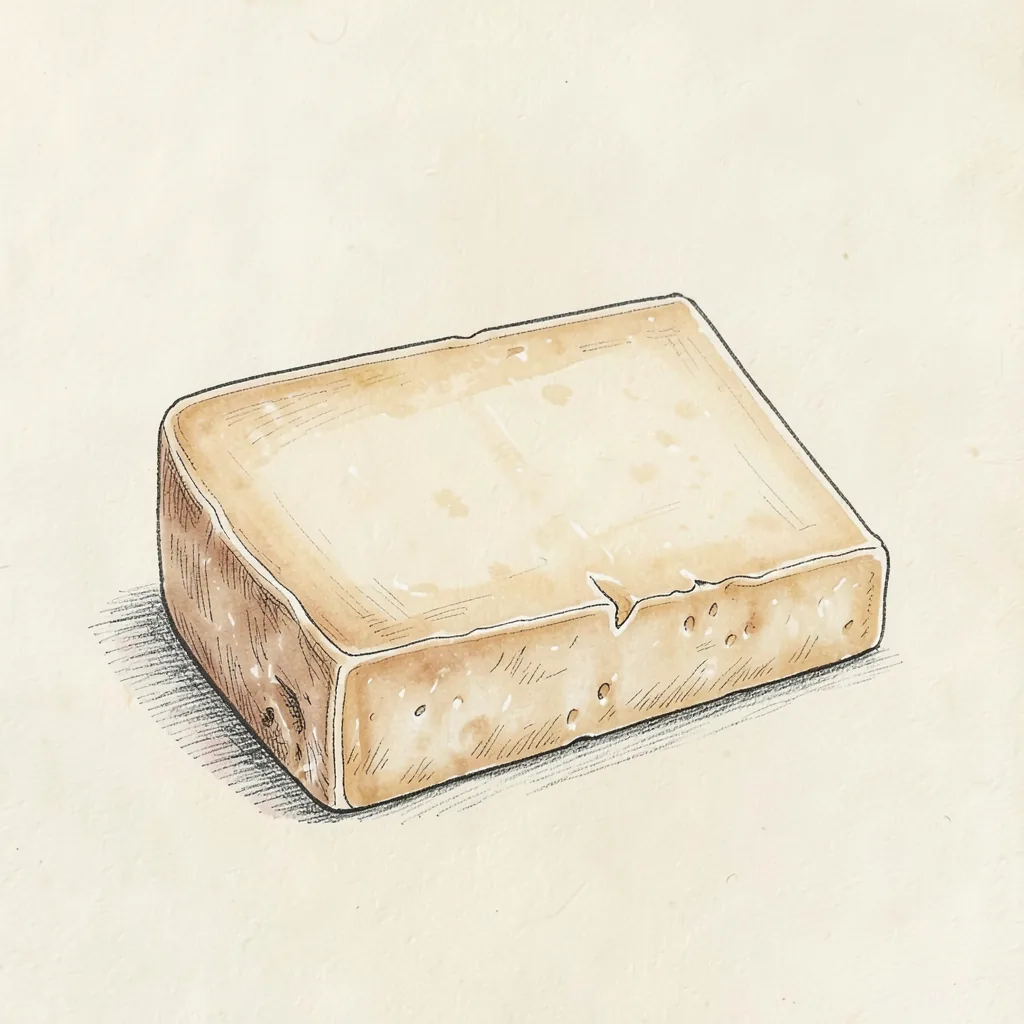
During aging, makers turn the wheels and rub them with brine so a thin rind can form and then dry. The finished rind is firm and natural, and the color runs from pale orange to brown. Inside, the paste is smooth and yellow, with a few small round openings rather than large holes. A younger wheel stays milder and a bit more supple. A longer age makes the paste drier, sharper, and better for grating.
Taste
Bergkäse tastes nutty, savory, and lightly sweet, and the aroma can suggest browned butter and dried herbs. The paste is firm and smooth, not crumbly like a very old grating cheese and not elastic like a very young slice. Salt is present but not harsh when the wheel is well made. As it ages, the flavor grows stronger and a little more piquant. A clean finish is part of the appeal.
Texture changes with age, and that change matters on the plate. A younger wheel slices cleanly and still feels a bit moist. An older wheel is drier, more brittle, and sharper on the tongue. The small openings do not make it taste like Emmental, which is sweeter and milder in its hole pattern. Bergkäse sits closer to other alpine hard cheeses, with a mountain savor and a long nutty finish.
In the kitchen
Austrian cooks slice Bergkäse for bread, and they also cube or grate it into cheese dumplings such as Kaspressknödel. The cheese melts, but it does not flood the pan the way a very young mild cheese can. On a board it sits well with rye bread, butter, and a sharp pickle. Older pieces go over potatoes, noodles, or a simple gratin. Keep a younger piece for sandwiches, where the milder nut flavor is easy to eat in a thick slice.
Use gentle heat if you want the cheese to soften without the fat separating. Grate an older wheel when you need a savory finish on vegetables or a baked dish. A board can hold both ages side by side, because they share a family and not a single bite. Dry white wine is a common partner in Austria, and beer works too. The paste is too firm to spread, so keep it for slices and for the grater.
Around the world
Outside Austria, Bergkäse is less famous than Gruyere or Emmental, and many shops file it under a general alpine label. The name can confuse buyers, because it covers more than one wheel. Ask how the piece was aged, and ask whether it is meant for slicing or grating. A labeled Vorarlberger Bergkäse is a more specific Austrian mountain cheese. Alpkäse is the close name for cheese made on the alp itself.
In a shop that has no Bergkäse, Gruyere can stand in for melting and grating, and the flavor will still be alpine and nutty. It will not be identical, and the holes will not match either. Cooks in other countries use this cheese the way they use other mountain cheeses, in a bake, on soup, or with bread. It is sold in ordinary cheese shops that stock Austrian or alpine cheese. It is not a rare food, and it is not unsafe.