Mixed milk
What it is
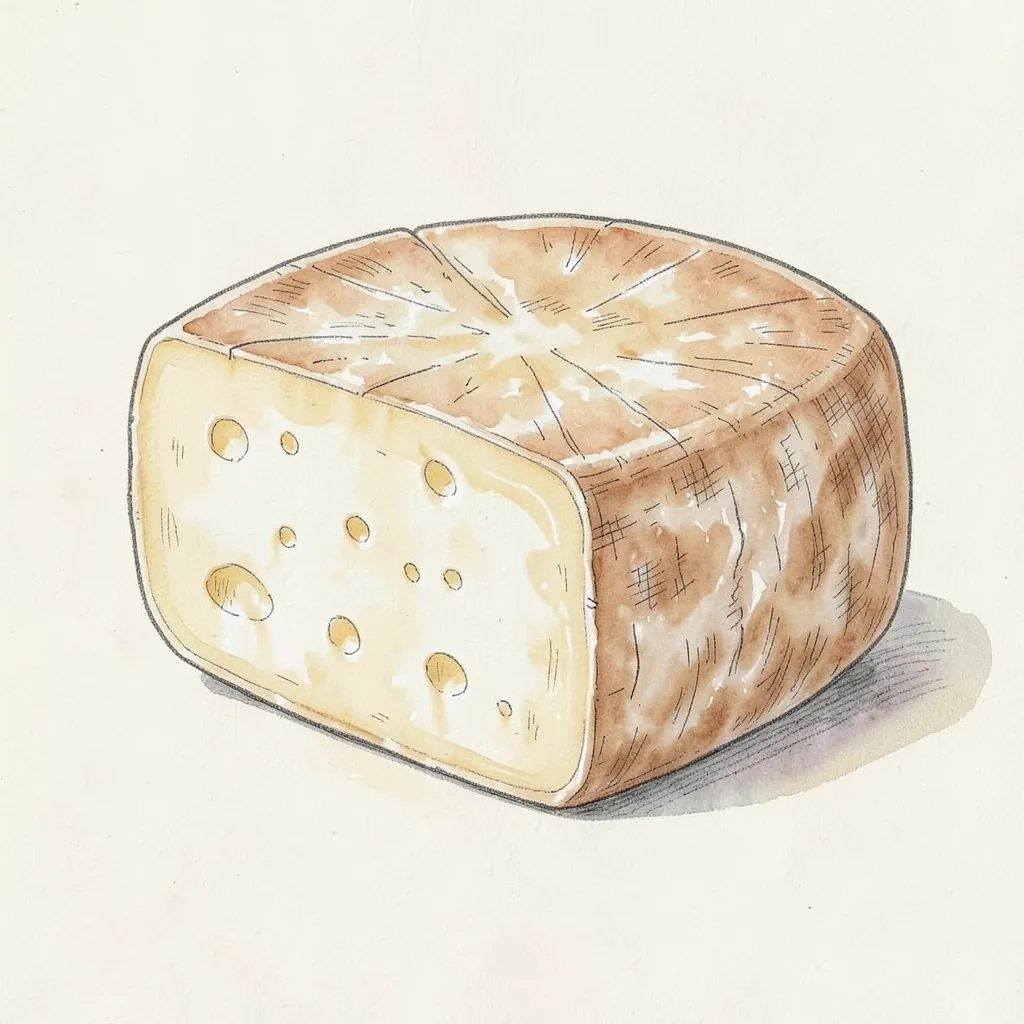
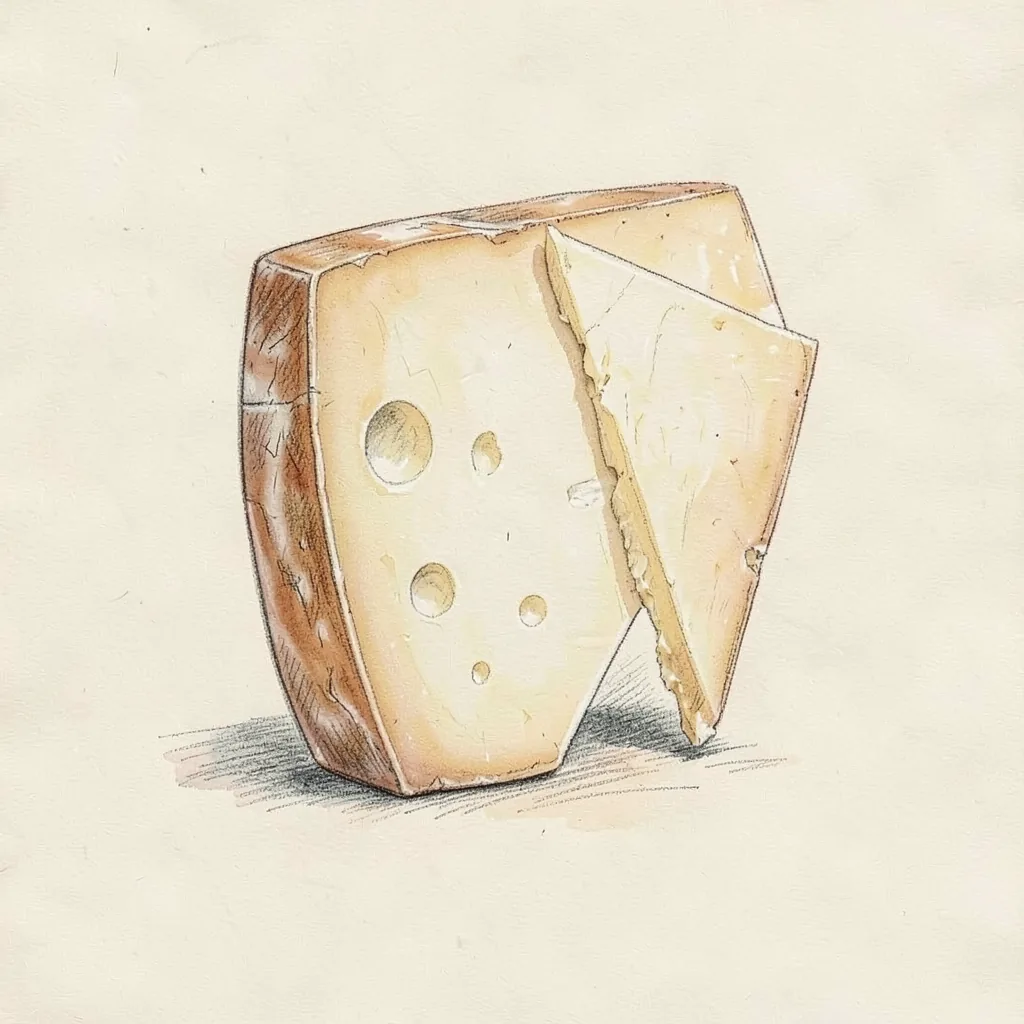
Makers use sheep's milk, and goat's milk may go into the same vat. The paste is pale yellow, firm, and elastic, with small holes scattered through it. The flavor is salty, nutty, and lightly piquant, and it grows sharper as the wheel matures. The style sits between Graviera and Kefalotyri, which is also how the name was formed.
On a Greek table it works as a slicing cheese and as a cooking cheese. A wedge can go with bread, tomatoes, and olives. A thick slice can be fried until the outside browns and the center stays soft, which is the usual saganaki treatment. Grated cheese finishes pasta, pies, and baked vegetables. Salt is already part of the profile, so taste the dish before you add more.
History
Kefalograviera grew out of two older Greek cheese ideas, and the name joins the kefalo tradition with graviera. Kefalotyri supplied the firm, salty, hard-cheese side. Graviera supplied a rounder, nuttier side that is easier to eat in plain slices. The result is not a copy of either cheese. It became its own wheel, with a name that is protected, in Greek regions tied to the style, including Crete and Sterea Ellada.
The cheese comes from sheep and goat dairying in Greece, not from one famous founder or one monastery. Crete has a strong graviera tradition, and Sterea Ellada is part of the home named for this firmer, saltier relative. Families and dairies both make wheels for local use and for wider trade. Nothing in the name points to a single village you must visit. The milk, the firm paste, and the standing of the name are what define it.
How it is made
Sheep's milk, sometimes together with goat's milk, is warmed and set with rennet. The curd is cut, stirred, and heated so the grains firm up for a hard cheese. Makers then press the curd into wheels and salt them, often in brine. Pressing drives out whey and builds the dense, elastic body. A natural rind forms on the outside as the wheel dries and is kept clean.
The wheels rest until the paste is firm and the flavor has moved from mild milk sweetness toward a light piquant edge. Small holes are normal, and they should look clean rather than like cracks from a poor press. The color inside stays pale yellow to golden. Goat's milk, when it is used, can add a slightly brighter note beside the richer sheep's milk. The finished cheese is hard enough to grate and still supple enough to fry in a thick slice.
Taste
Expect salt, cooked milk, butter, and a nutty tone, and look for a gentle peppery finish rather than a burn. The paste is firm under the knife and a little springy in the mouth. It is less sweet than a young Graviera and less harsh than a very old Kefalotyri. Aroma is rich and savory, with a clean dairy smell when the wheel is sound. Bitterness is a fault, not a traditional note to seek out.
Age changes the bite, and an older piece tastes saltier and more piquant. A younger piece is rounder, more buttery, and easier to eat as a plain slice with bread. The small holes do not make the paste taste airy or hollow. Fat from the sheep's milk keeps the flavor full even when the texture is firm. If goat's milk is in the mix, the finish can seem a little brighter and more herbal.
In the kitchen
Fry a thick slice in a little oil for saganaki, and serve it hot with lemon. The outside should brown while the inside softens but still holds together. Grate the cheese over pasta, into a pie, or onto roasted vegetables when you want salt and a nutty aroma. Cubes work in a bake if you want small pockets of melted cheese. On a board, pair a wedge with bread, olives, and a ripe tomato.
Because the cheese is already salty, most dishes do not need a full extra dose of salt. It fries and grates better than a soft brined cheese such as feta, which will not give the same browned crust. Use Kefalograviera when a recipe needs a firm Greek cheese that can take direct heat. Keep the pan hot enough to color the surface, and do not leave the slice so long that the fat separates and the center dries out.
Around the world
Kefalograviera travels through Greek shops and through larger stores that stock Mediterranean cheese, and the name is protected, which helps on a foreign label. Buyers sometimes grab Graviera or Kefalotyri instead, because the names look related. Graviera is usually sweeter and milder on the tongue. Kefalotyri is usually harder and saltier. If a recipe names Kefalograviera, those two are the honest stand-ins, not a random hard cheese from another country.
Outside Greece, the cheese shows up most often as a frying cheese or a grating cheese. Cooks who know saganaki look for it, because it browns well and keeps a soft center. A firm sheep's milk cheese such as pecorino can cover a grating job, though the flavor will be sharper and less elastic. It is an ordinary shop cheese, not a rarity and not a hazard. Wrap the cut wedge, and use the open face before the surface dries.