What it is
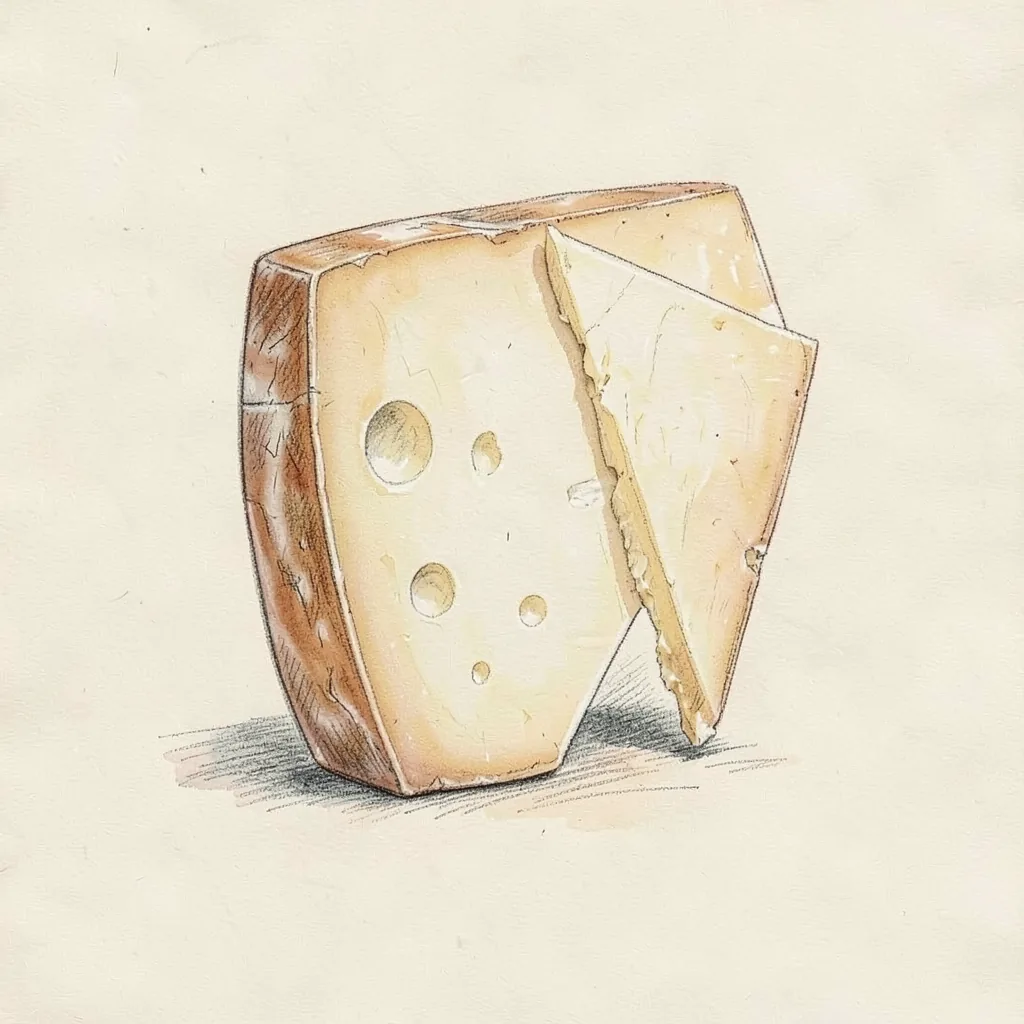
The name echoes Gruyère, and the two share a nutty, savory character in the kitchen. Makers in different parts of the country follow local recipes, so flavor and richness are not identical from wheel to wheel. A younger piece slices for the table. An older piece turns drier and better for grating over hot food.
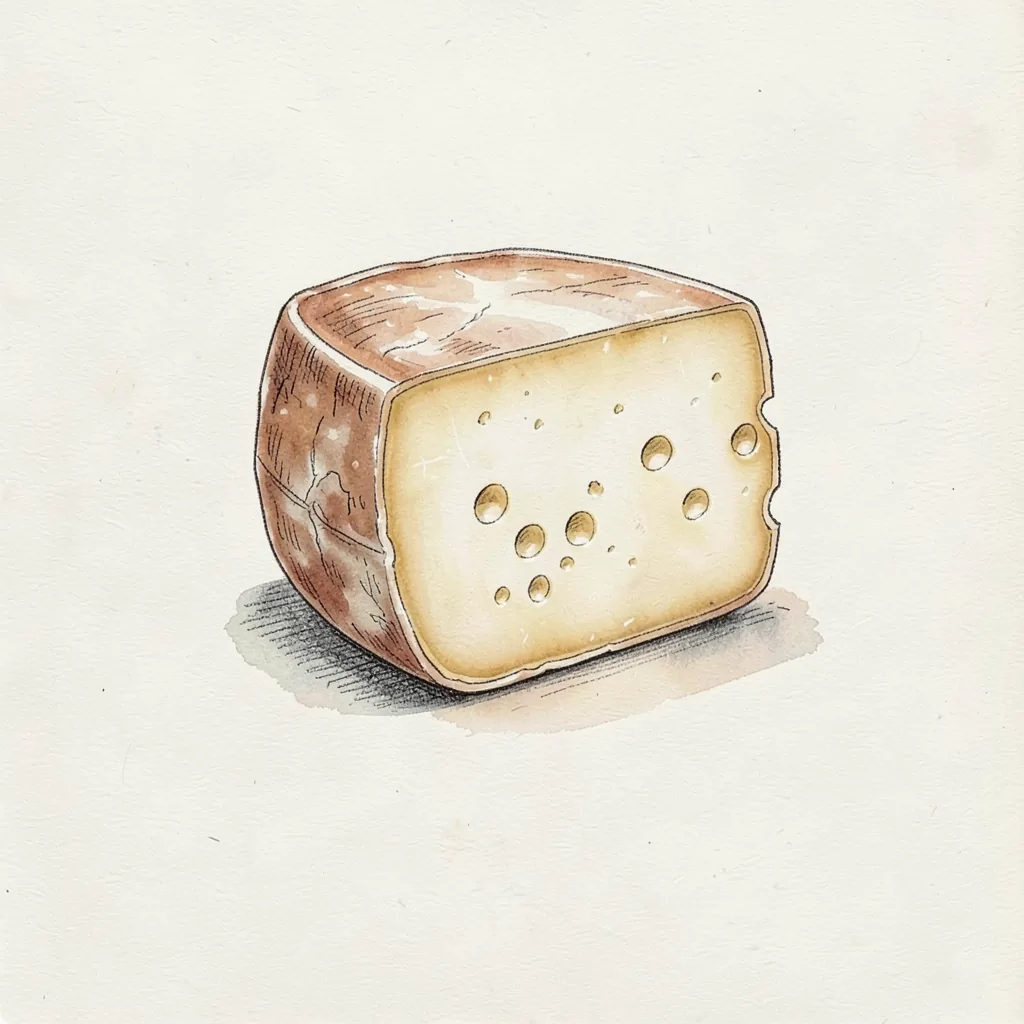
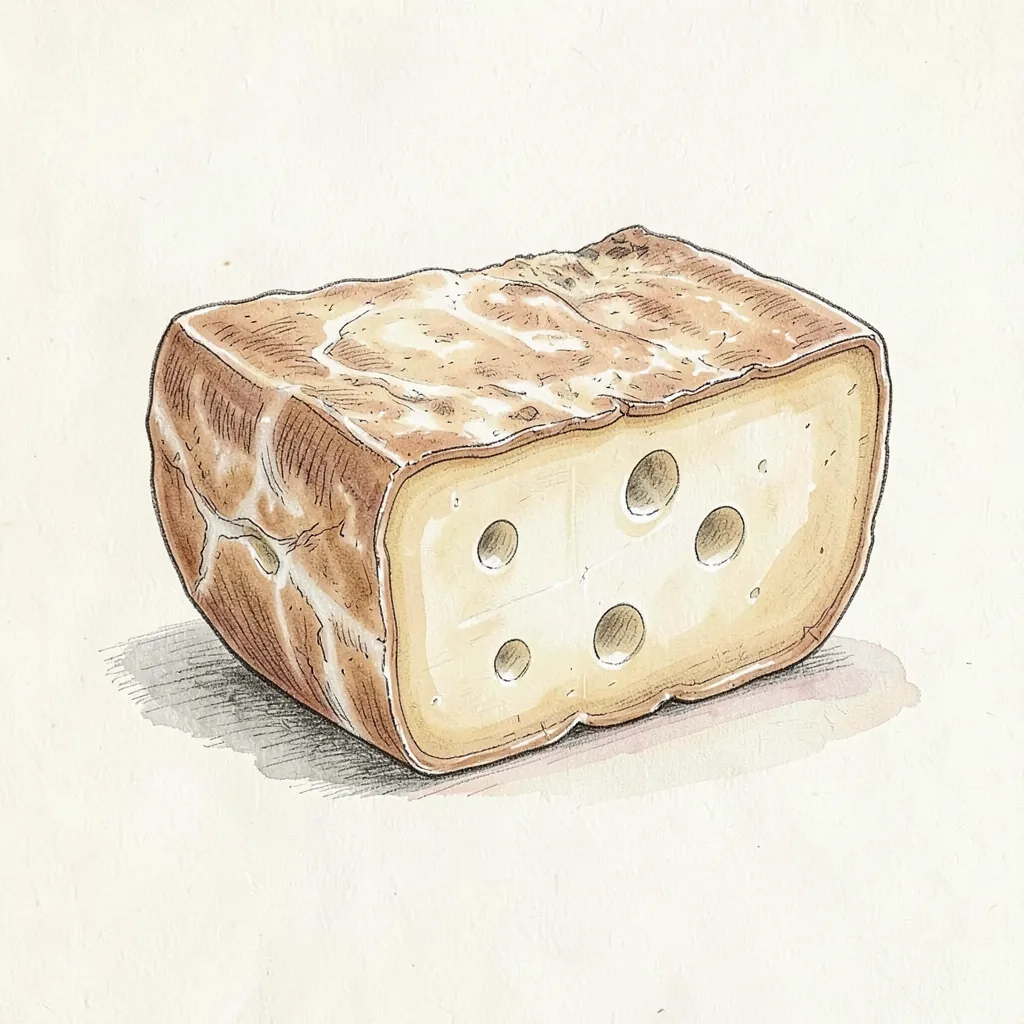
The paste runs from pale yellow to gold, with small holes, and the rind often shows the weave of the draining cloth. Taste moves from lightly sweet and caramel-like to spicy and salty as the wheel ages. A well kept piece smells clean and toasted, not harsh. It is firm enough to shave, and it still softens over gentle heat. Greek markets and cheese counters are the usual places to find it abroad.
History
The name Graviera comes from Gruyère, and Greek cheesemakers adapted that firm, nutty idea to local kitchens. The cheese spread through several parts of Greece rather than staying in one valley. Wheels became everyday food, not only a feast item. People slice them for bread, grate them over hot dishes, and fry them as a small plate. That range is why the name is familiar across the country.
No single village owns the style, and wheels from different districts are not copies of one another. Some taste sweeter and rounder, while others taste saltier and more robust. A cloth drain and a firm press are the shared habits. Aging lasts long enough to dry the paste and deepen the flavor, so Graviera is not a fresh cheese. It sits with the firm table cheeses of the Mediterranean.
How it is made
Milk is warmed, cultured, and set with rennet, and the curd is cut so whey can leave. The curds go into molds lined with cloth, and the cloth leaves a crisscross mark on the rind. A firm press knits the paste and gives the wheel its dense body. Salting comes next, in brine or with dry salt, depending on the dairy. The young wheel then rests until the rind is dry and the interior is no longer soft.
Ripening continues until the flavor turns nutty and the paste firms. Makers turn and check the wheels while they age. Small eyes may form, but Graviera is not an open, hole-filled cheese like a classic Swiss wheel. The rind stays natural, without a white bloom and without a red smear. When the wheel is ready, it is cut for wedges or kept whole for grating later.
Taste
A typical bite is nutty, lightly sweet, and savory, with a toasted note that can suggest warm caramel. Salt is present, but it should not drown that sweetness. Younger wheels taste milder and feel a little more elastic when cut. Older wheels taste sharper, drier, and more intense after aging. The finish can be spicy without the burn of a pepper cheese.
Texture is smooth and firm, and a good slice breaks cleanly rather than crumbling into dust. Tiny holes or short slits are normal. The rind is harder than the paste and is usually left off a delicate plate, though a thin edge will not ruin a rustic bite. If the smell is harsh, or the paste is oily and sour, the wheel is past its best. A sound piece smells warm and slightly toasted.
In the kitchen
Graviera works on the table and in the pan. Set thin slices on bread, fruit, or a salad, and grate older pieces over pasta, vegetables, or pies. Gentle heat makes the paste soft rather than greasy. Greek cooks fry slices for saganaki, often with a little flour, oregano, and lemon. Cubes also bake well in a casserole when you want a nutty, savory layer.
On a board, pair it with pears, grapes, honey, or walnuts, and with bread if you want nothing else. It grates well once it is dry, and it melts in a sauce more readily than a very salty hard cheese. Do not expect the same result from every wheel. A sweeter wheel is lovely plain, and a sharper wheel is better in a cooked dish. Keep the cut face wrapped so the paste does not dry out.
Around the world
Greek shops abroad stock Graviera next to other firm Greek cheeses, and many large markets carry it too. Gruyère is the usual substitute when the Greek wheel is missing, and the dish will taste a bit more Alpine. Kefalograviera is closer in a Greek recipe, though it is often saltier and firmer. Kefalotyri is the harder grating neighbor. None of those names is a duplicate of Graviera.
Cooks use Graviera anywhere a nutty hard cheese can be sliced, melted, or grated. It is not a fresh frying cheese like halloumi, and it is not a brined salad cheese like feta. A recipe that names Graviera wants that sweet nutty firmness. If you swap in a very sharp grating cheese, the plate turns saltier and less sweet. Read the label, because recipes inside Greece already vary from one district to another.