Cow
What it is
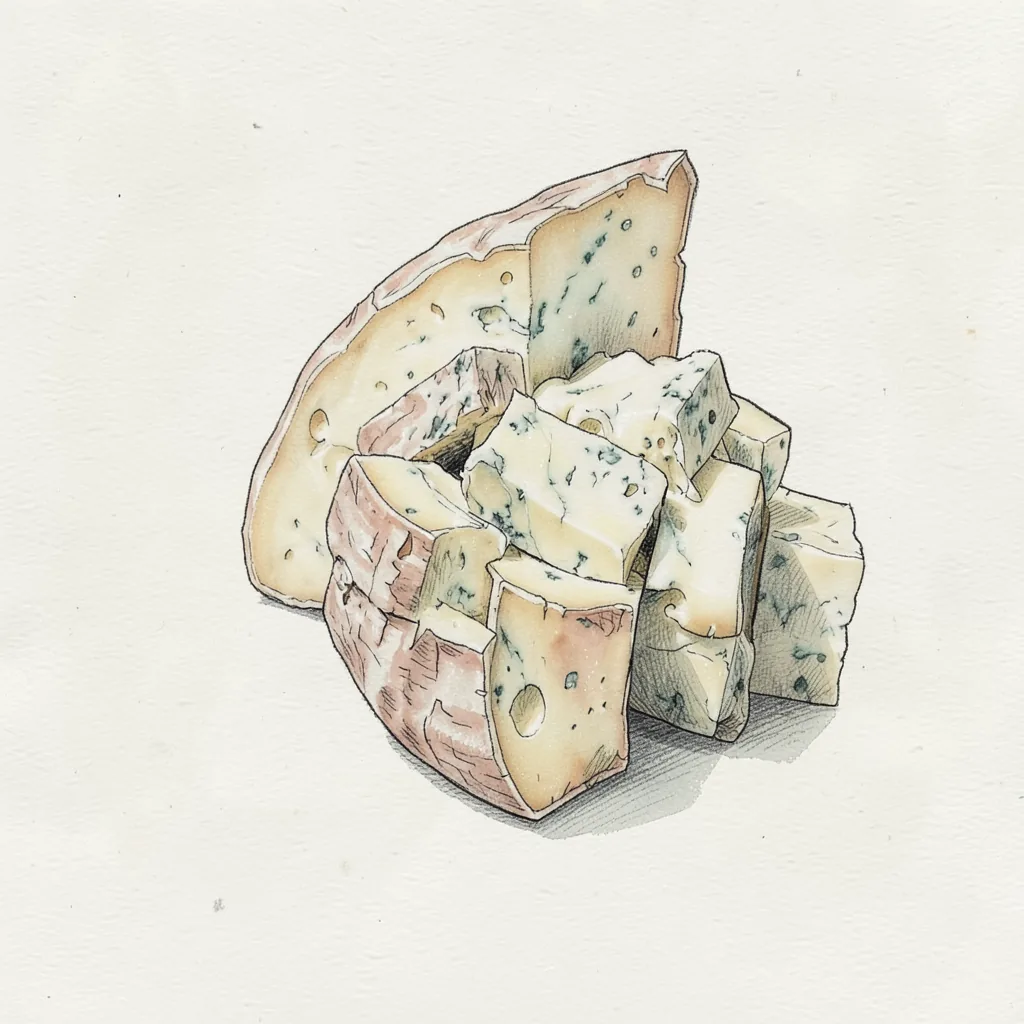
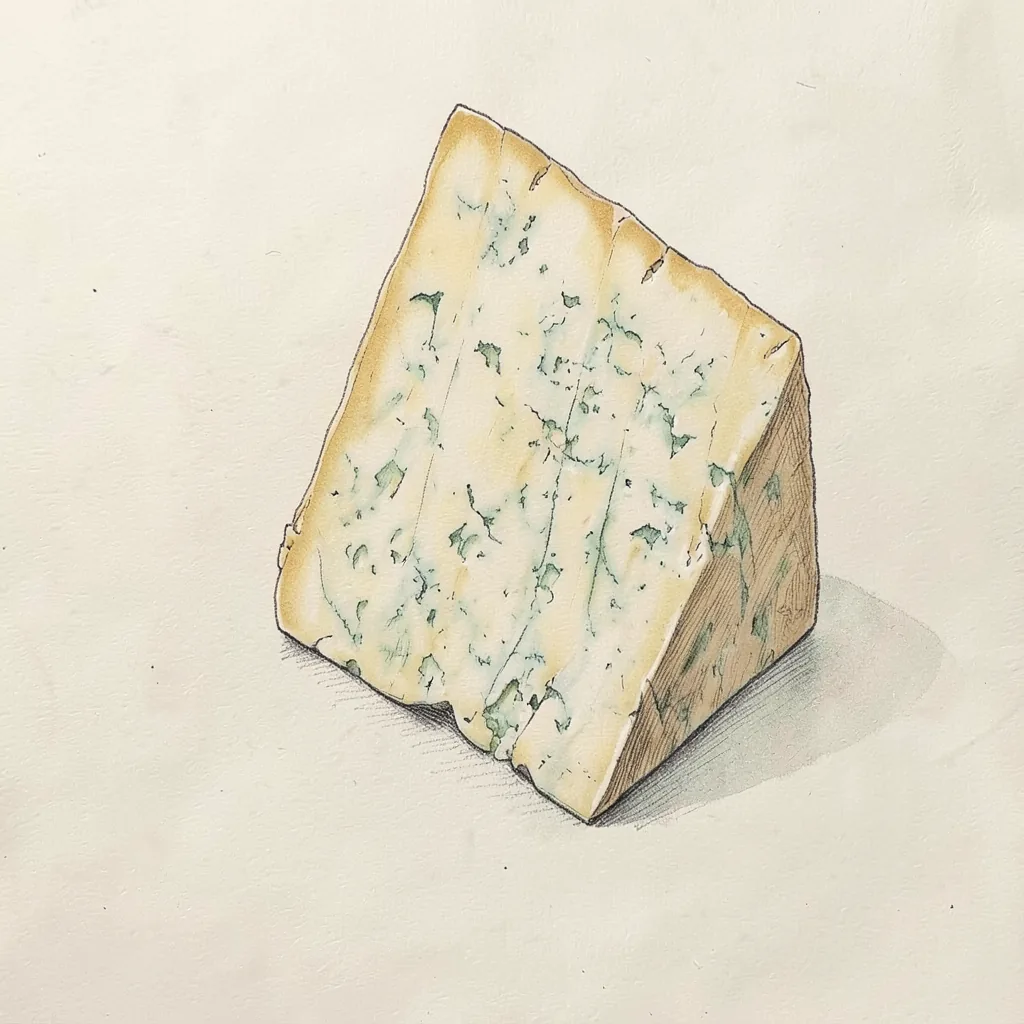
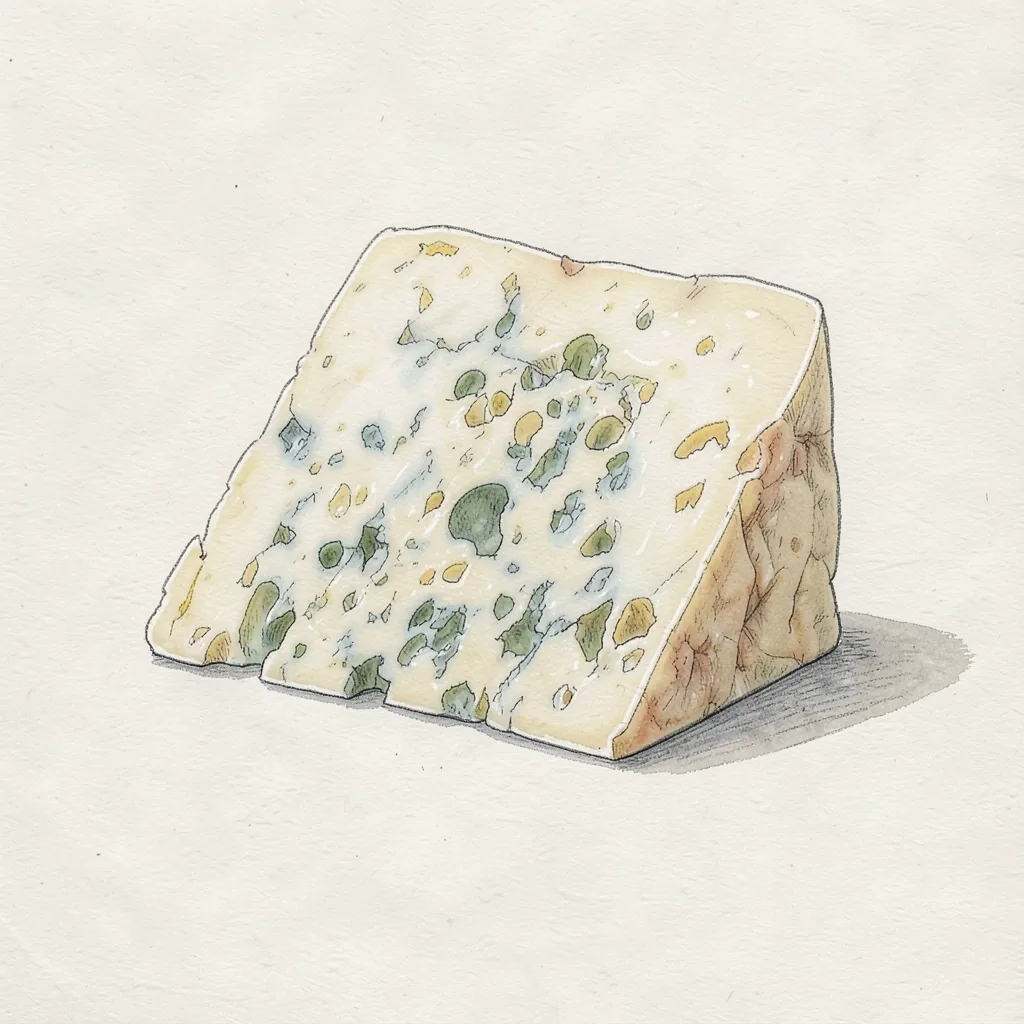
The name is a Norwegian word for a strong, sturdy person, and the cheese is meant to taste bold. Blue-gray veins run through a pale, creamy paste that is also a little crumbly. It is richer than many drier blues, with salt and a clear mold character. The wheel is a farmhouse cheese, sold in ordinary shops in Norway and in some cheese counters abroad.
The paste is off-white, not bright white, and the veins are blue to gray. A usual wheel is semi-soft, creamy enough to spread when warm, yet it still holds a slice. Salt is noticeable, and sweetness from the cream sits under the blue tang. Longer cellaring makes the flavor deeper and the texture a bit firmer. It is a cheese for a board first, and for cooking when a sauce needs a salty blue note.
History
Kraftkar is a modern Norwegian farmhouse blue, not an ancient monastery cheese. It was developed on a single farm dairy and then became one of the best known cheeses from Norway. The recipe uses milk and cream from the farm's own cows. International judges have given it top prizes, which carried the name well beyond Scandinavia. Even so, production stayed with that dairy rather than moving to a large industrial brand.
The word kraftkar already existed in Norwegian for a powerful figure, and the makers borrowed it for a cheese with a strong taste. There is no long folk tradition of this exact wheel. What is traditional is the blue-making method: a Penicillium roqueforti culture, piercing, and a slow cellar age. Awards did not change the basic wheel. They only made shoppers outside Norway ask for it by name.
How it is made
Pasteurized cow's milk is mixed with cream from the same herd. A blue mold culture and rennet go into the vat, and the curd is cut and stirred so whey can leave. The curds are filled into cylindrical molds and drained without the heavy press used for a hard alpine wheel. Salt seasons the cheese. After the wheel is formed, makers pierce it so air can reach the interior and the blue veins can grow.
Aging happens in a cool cellar, and the wheels are turned so the moisture stays even. The blue mold follows the pierce lines and spreads in streaks. A normal wheel is sold when the paste is creamy and the veins are well developed. Some wheels stay longer and are sold as a more mature version, with a deeper taste. The cheese is not smoked, and it is not washed in brine like a monastery rind cheese.
Taste
The first taste is salty, creamy, and clearly blue. Sweetness from the added cream keeps the mold from feeling only sharp. The texture breaks in a soft, slightly grainy way, then melts on the tongue. Veins taste stronger than the pale paste around them, so a bite with more blue is bolder. There is no bitter finish in a well kept piece, and the smell is clean mold, milk, and a little cellar damp.
A younger wheel is milder and more buttery. A longer-aged wheel is saltier, more intense, and a bit drier at the edges. Neither version is as piercing as a very old Roquefort, and neither is as mild as a sweet dessert blue. The balance is the point: cream, salt, and mold in one bite. Serve it cool, not icy, so the paste can soften, and treat an ammonia smell as a sign that the piece has gone too far.
In the kitchen
Set Kraftkar on a board with something sweet, such as honey, fruit, or a mild jam, because the salt needs a counterweight. Bread and walnuts work as well. Crumble it over a salad of pears or bitter leaves if you want the blue note without a heavy sauce. At room temperature a spoon can take a creamy piece for a cracker. Do not cube it like a hard cheese, because the paste will squash.
In cooking, a small amount melts into a cream sauce, a burger, or a baked potato. The salt is strong, so taste before you add more seasoning. Heat will quiet the blue a little and leave the savory part. It is not the right cheese for a long grated finish on pasta, where a hard wheel is better. Use it near the end of cooking, because a long boil can split the fat and make the sauce oily.
Around the world
Inside Norway, Kraftkar is a familiar special cheese, stocked by larger grocers and by cheese shops. Outside the country it shows up where importers carry Scandinavian cheese, not in every supermarket. Its competition record is the reason many buyers abroad already know the name. Shoppers still need to read the label, because other Norwegian cheeses are mild waxed wheels with eyes, and those are a different family. Kraftkar is the blue one.
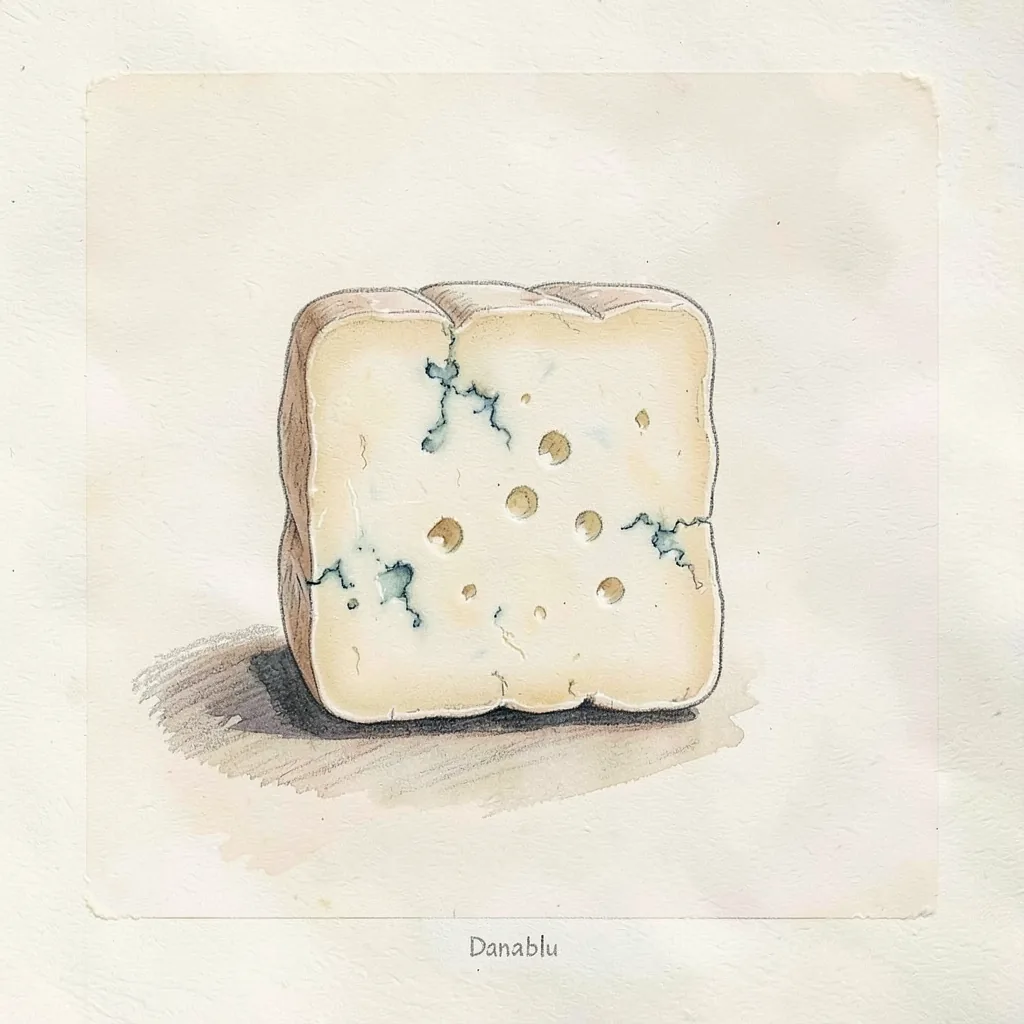
Gorgonzola and Danablu are the practical substitutes when a shop has no Kraftkar. Both are cow's milk blues with a creamy side, though each has its own salt and sweetness. Roquefort is sheep's milk and drier, so it is a more distant swap. None of those cheeses tastes of this particular Norwegian herd and cream. If the label is present, choose Kraftkar for the original balance.