Cow
What it is
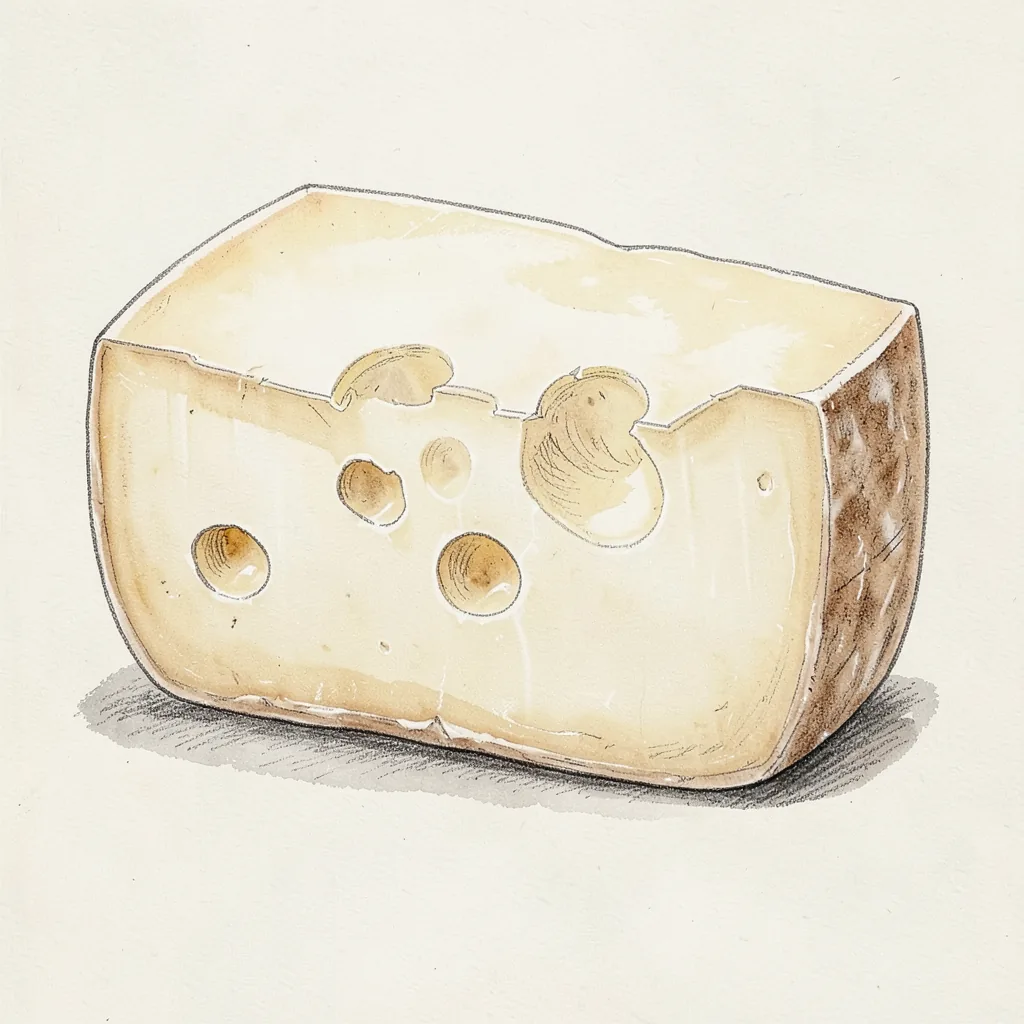
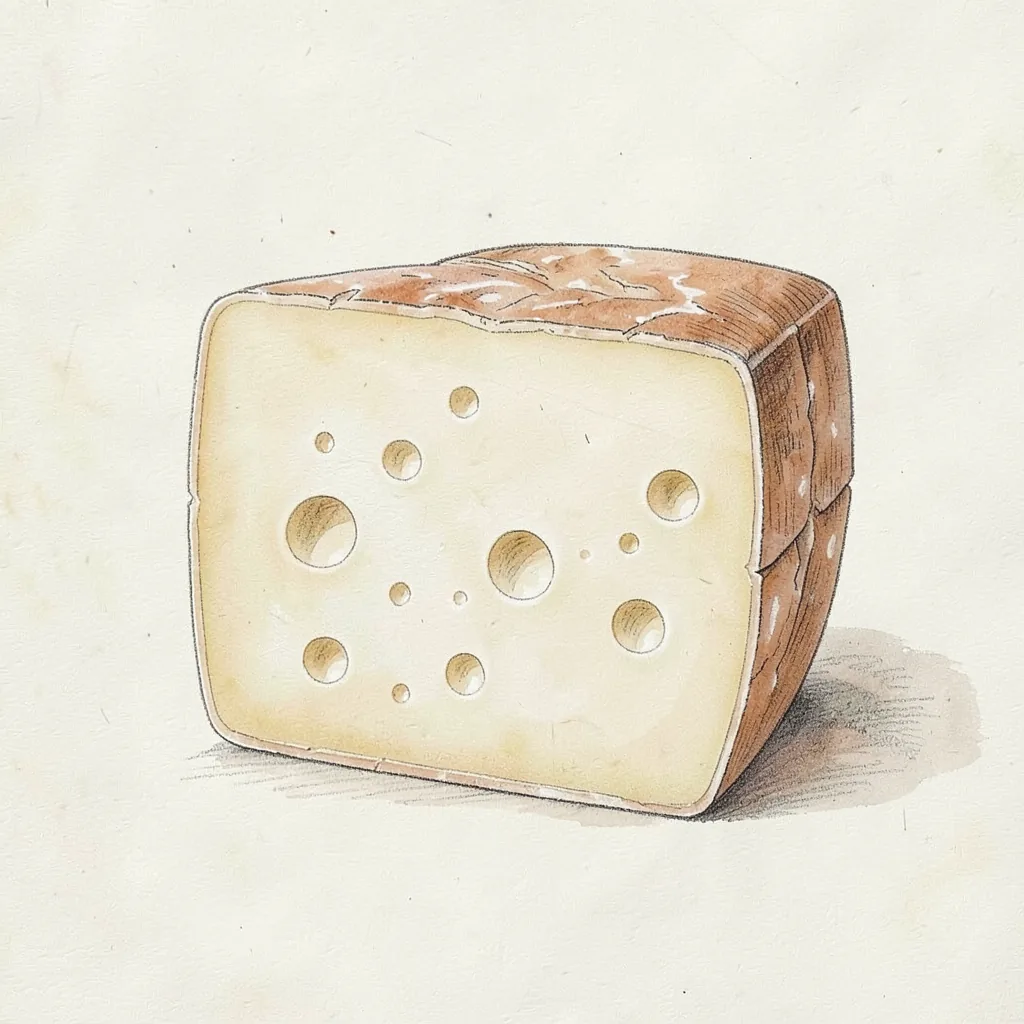
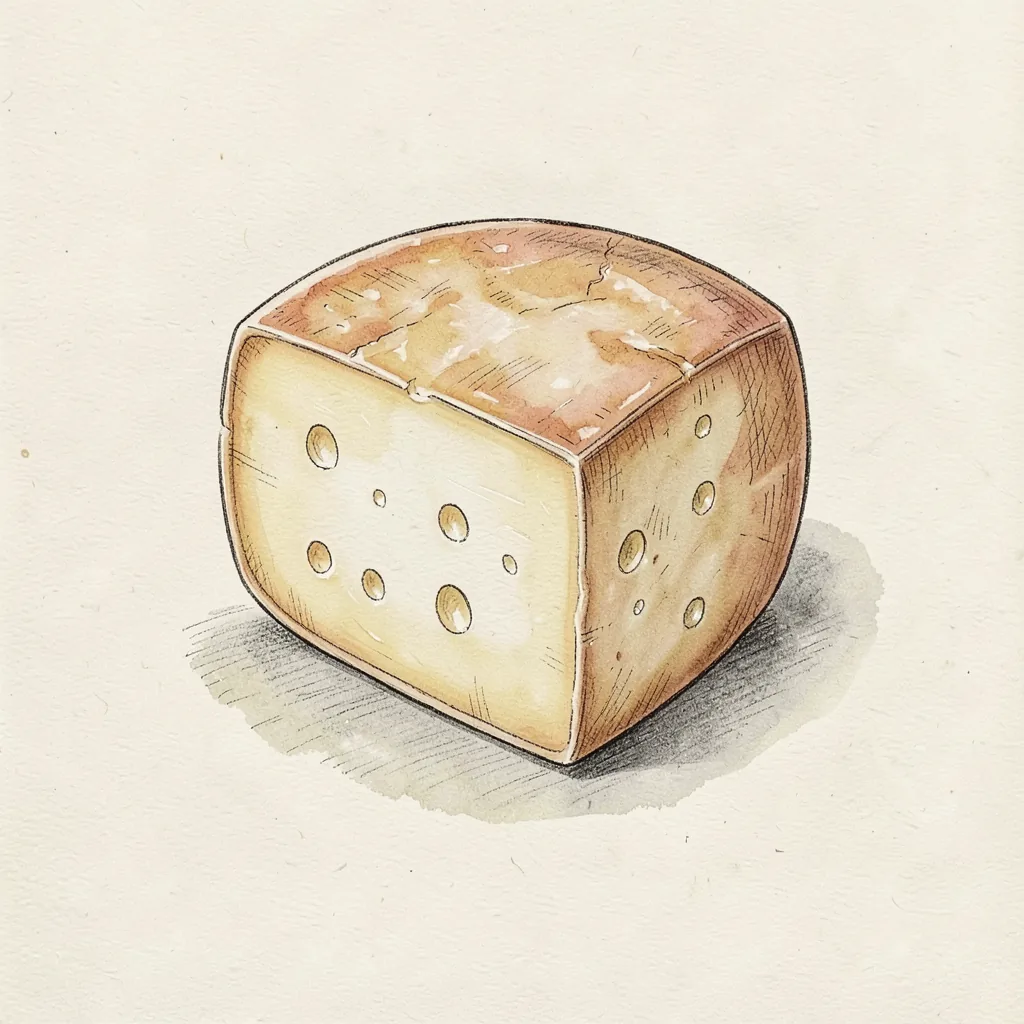
The paste is pale yellow and supple, with large round holes and a mild, slightly sweet, nutty flavor. Many pieces are sold young enough to stay creamy, and a longer-aged piece tastes a bit stronger while keeping the same gentle style. The name is a trademark, not a general word for every Dutch cheese with eyes. Generic cheese in this style is usually sold as Maasdam.
Supermarkets pack the brand in slices, blocks, and wedges, and a whole wheel may show a smooth natural rind that slices often lack. Pasteurized cow's milk is the base, so the taste stays consistent from pack to pack. The cheese melts readily and also works on a board when you want something mild. It is not a farmhouse wheel with a gray moldy coat, and it is not a sharp grating cheese. Read Leerdammer as one brand and Maasdam as the broader Dutch style.
History
Leerdammer was developed in the Netherlands as a branded cheese in the Emmental manner, softer and sweeter than a long-aged Swiss wheel. The aim was a cheese with eyes that a wide market could recognize. The holes and the nutty sweetness became the point, and Dutch ads praised the taste between the holes. The name remained a trademark rather than a free description. Other makers could produce a similar cheese, but they sold it under other names, especially Maasdam.
The brand moved from Dutch shops into grocery cases across Europe and then farther abroad. It stayed a cow's milk cheese with a mild taste, which placed it beside sandwich cheeses rather than strong washed rinds. Because the name is a trademark, a similar wheel from another dairy is not Leerdammer even when the holes match. Ownership can change without changing the words on the pack. The label has to say Leerdammer for the cheese to be this brand.
How it is made
Pasteurized cow's milk is set with cultures and rennet, and the curd is cut, stirred, and pressed into large wheels. A ripening culture makes gas inside the young cheese, and that gas forms the round eyes. The wheels stay in storage until the paste is supple and the sweet, nutty notes come forward. The surface is not brine-washed into an orange rind, and the paste is not blued. Many wheels are then cut into slices and snack pieces for retail packs.
The eyes are a normal result of ripening, not a flaw, and they should look round and glossy rather than like ragged cracks. Moisture stays higher than in a very old Emmental, which is why a slice bends. Salt is moderate, so the sweet note is easy to taste. Industrial plants keep the process steady, which suits a brand sold in many countries. A wedge and a stack of slices are the same cheese when the brand name matches, and age changes intensity more than method.
Taste
Leerdammer tastes mild, sweet, and lightly nutty, with a buttery feel and a clean finish. The holes make each slice look open, but the paste around them is smooth and elastic, and it bends more than it crumbles. It does not leave a sharp salty sting on the tongue. Age deepens the nuttiness without turning the cheese into a hard grating style, and the aroma stays closer to warm butter than to a barnyard. People who find classic Emmental too firm often prefer this softer Dutch brand for everyday eating.
A very young piece can taste almost bland, which is normal for this style and useful in a mild sandwich. A more mature piece shows a clearer nut flavor and a slightly firmer bite, still without salt crystals. The eyes taste like the paste around them, and sliced packs carry little rind flavor. If a piece tastes bitter or smells sour, it is past its best. At its best, the cheese is sweet, mild, and easy to eat in a thick slice.
In the kitchen
Use Leerdammer where a mild melt is welcome, on sandwiches, toast, burgers, and potato dishes. It browns and softens without a strong rind flavor, and it will not overpower ham or vegetables. Cubes sit easily on a board with fruit and nuts because the taste stays quiet. It is a poor choice when a recipe needs a salty crumble or a pungent washed rind. A coarse grate works, but the moist cheese clumps if you try to powder it.
For a melted dish with more body, combine Leerdammer with a firmer cheese so the sauce does not turn thin. On its own, it suits toast and a hot sandwich, where sweetness and holes are part of the appeal. Cold slices belong on breakfast bread and in a packed lunch. Avoid it when a recipe depends on blue veins, a brine tang, or long-aged sharpness. Keep the pack closed, because the moist paste dries at the cut edges.
Around the world
Leerdammer is an export brand, and packs appear in supermarkets well beyond the Netherlands. Shoppers often group it with Emmental, Jarlsberg, and American Swiss cheese because all of them have eyes. The Dutch brand is milder and moister than classic Emmental, and sweeter than many Swiss-style blocks from the United States. Those American blocks are their own style, not Emmental from Switzerland, and they are not Leerdammer. Buy Maasdam when this trademark is absent and the Dutch style is what you need.
The brand name is the practical guide in any country, because the style has imitators on the same shelf. A pack that says Maasdam can be close in the kitchen and still is not this trademark. Jarlsberg, from Norway, is another sweet cheese with holes, and it can replace Leerdammer in a sandwich. Emmental is the older model and usually tastes firmer and nuttier. Read the pack if you need this brand, and use the cousins only as stand-ins.