Cow
What it is
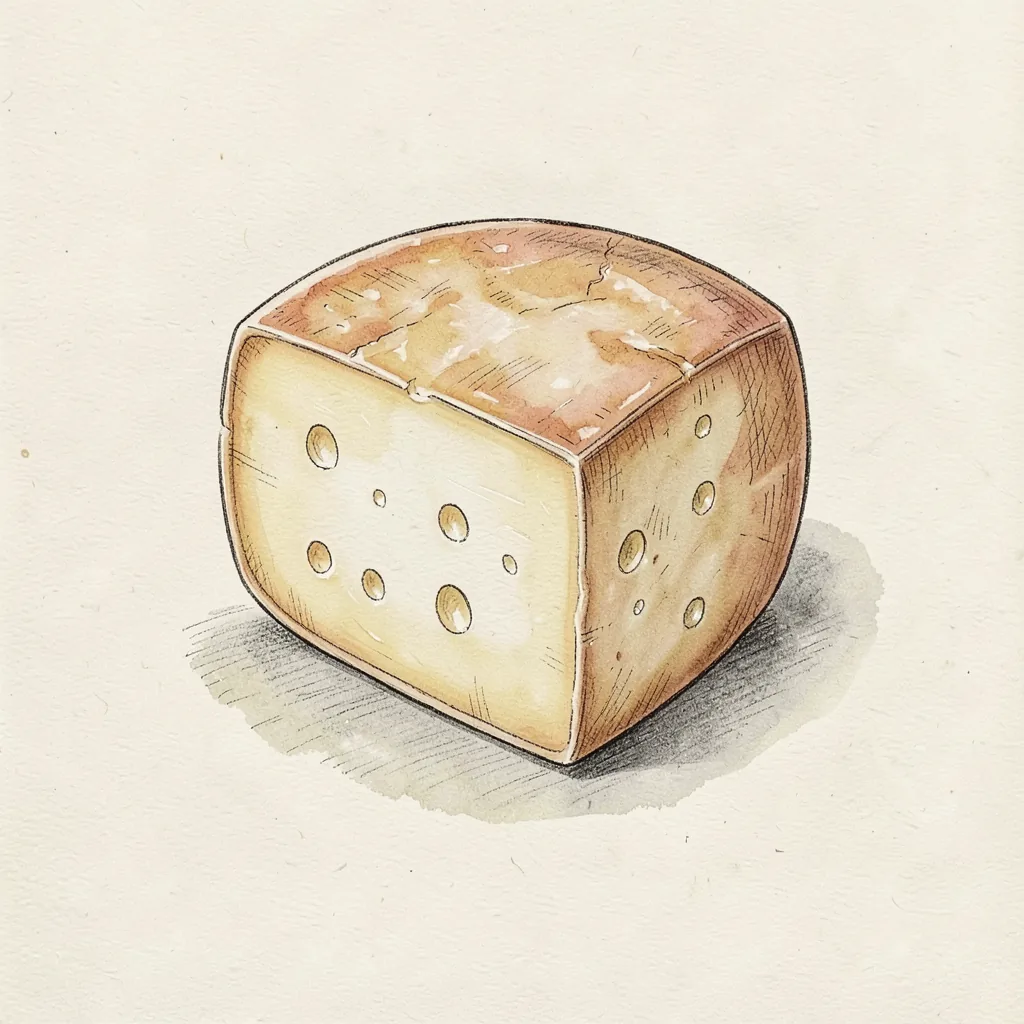
It is made from cow's milk and belongs to the alpine family of pressed cheeses with round eyes. The paste is pale yellow, smooth, and flexible, with a mild nutty taste and a sweet finish. A yellow wax coat usually covers the rind. Wheels and pre-cut blocks are both common in shops at home and abroad.
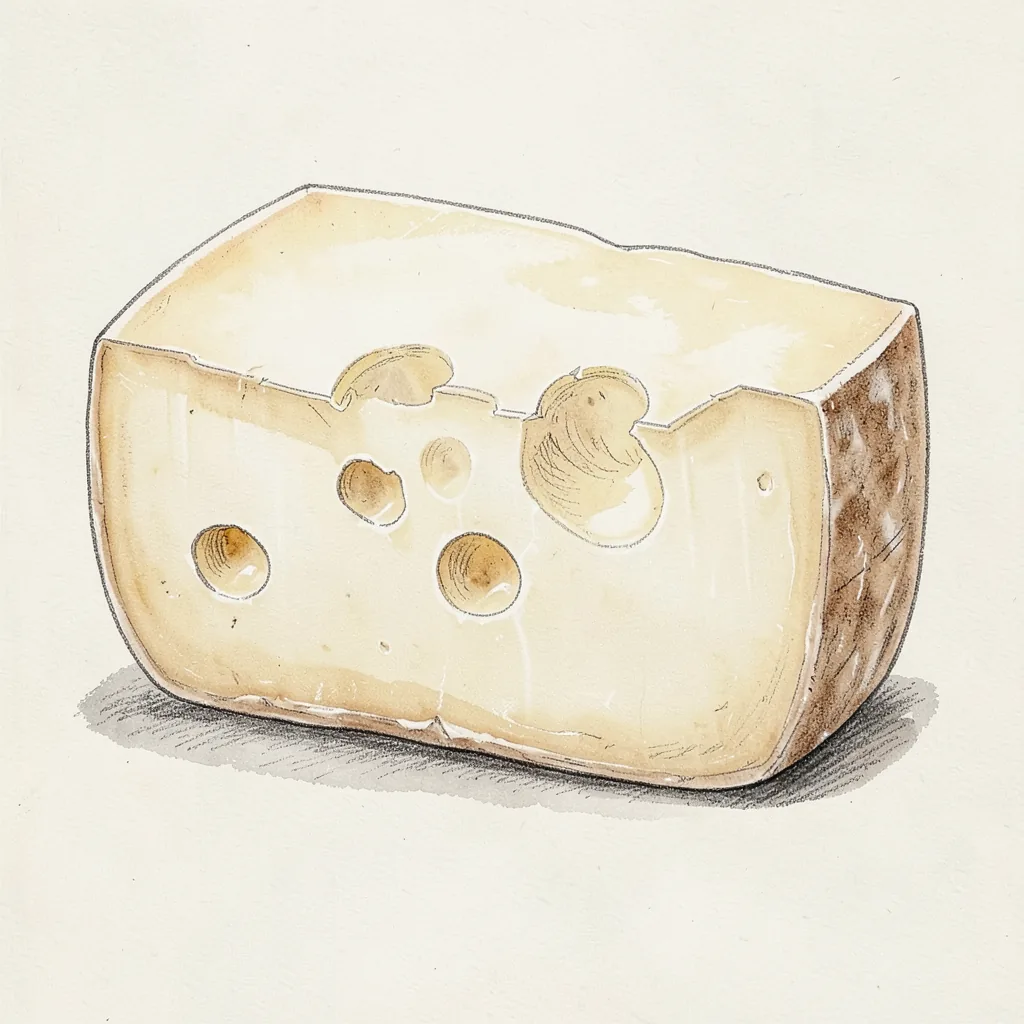
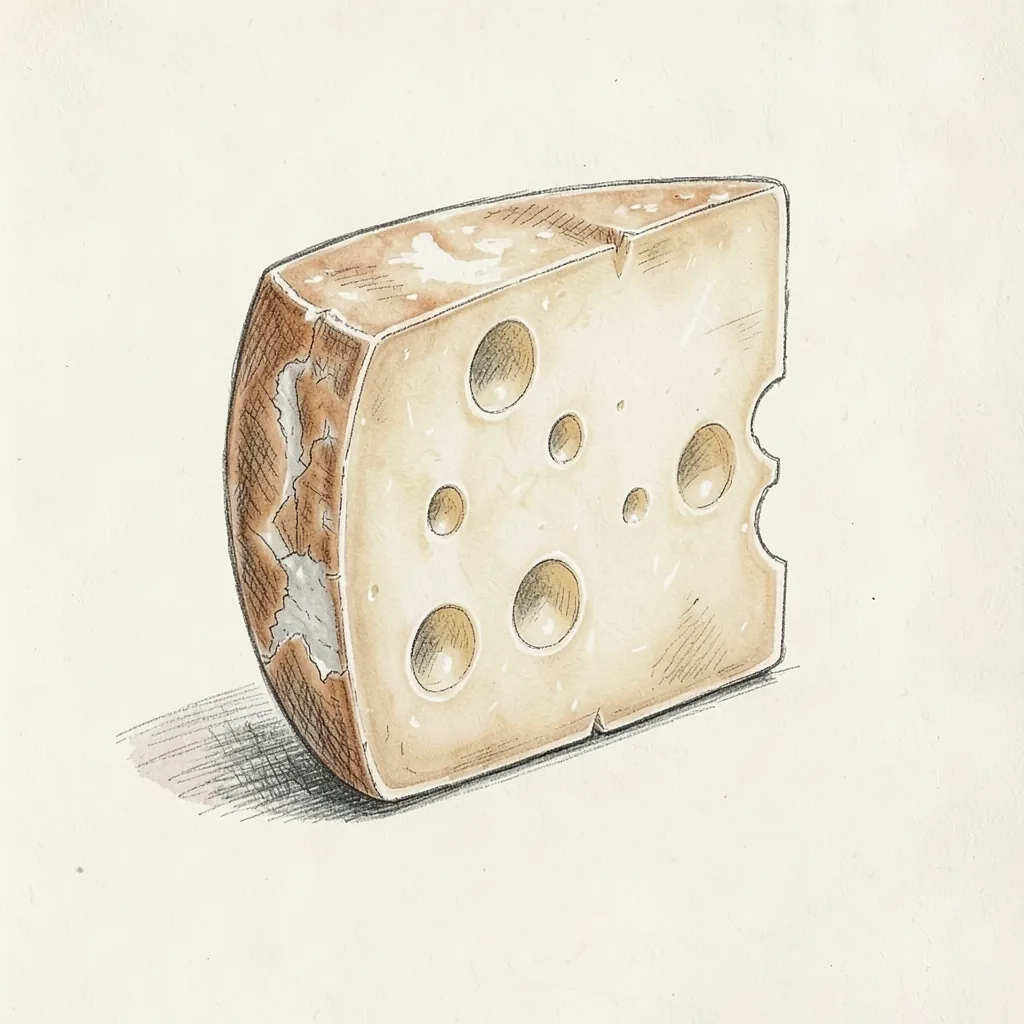
The eyes are large and glossy, and they are part of the cheese's identity rather than a flaw. Young Jarlsberg is mild enough for a sandwich. A longer-aged piece is firmer, drier, and more savory, though it stays sweeter than many hard alpine cheeses. The cheese slices, melts, and grates. It is a table cheese and a cooking cheese at the same time.
History
Jarlsberg cheese was developed in Norway as a local answer to the big-eyed alpine cheeses of the Alps. Makers wanted a cow's milk wheel with round eyes, a supple body, and a milder, sweeter taste than a fully aged mountain cheese. The name comes from a place name in Norway, and the cheese went on to national production. It became one of the country's best known exports. The style stayed consistent enough that shoppers recognize the eyes and the yellow wax.
Export sales carried Jarlsberg into sandwiches and deli cases far from Norway. Buyers often grouped it with other eye-forming cheeses, even when the taste was sweeter and milder than a long-aged Emmentaler. Production remained centered on the Norwegian recipe, with a waxed rind and a flexible paste. Special aged versions appeared for people who wanted a deeper flavor. The everyday wheel is still the one most markets sell.
How it is made
Makers start with cow's milk, starter cultures, and rennet. The curd is cut, stirred, and heated so it firms, then pressed into large wheels. Salt goes on the rind or into brine. During a warm stage of aging, propionic bacteria produce gas, and that gas opens the round eyes. The wheels are turned and cared for until the texture is supple and the flavor is mild and nutty.
A wax coat is applied to protect the wheel and give the familiar yellow exterior. The cheese is not a blue, and no surface mold is meant to flavor the paste. Interior ripening does the work. Cut portions are wrapped for shops, while whole wheels stay under wax until they are opened. The same method, held longer, yields a firmer aged cheese with a deeper taste.
Taste
Young Jarlsberg tastes mild, nutty, and slightly sweet, with a buttery aroma and a clean dairy finish. The paste is smooth and a bit elastic, not crumbly. Eyes interrupt the slice, but the cheese around them is uniform and pale yellow. Salt is present without dominating the sweetness. It lacks the sharp bite of a long-aged hard cheese and the pungency of a washed rind.
An aged piece keeps the nuttiness and adds a deeper savory note, with a drier chew. The sweet quality remains a marker that separates it from sharper alpine cheeses. The wax itself is not eaten, and it should not add a flavor. Near the rind the paste can be a little firmer. In the center it tastes even and mild, with a short buttery aftertaste.
In the kitchen
Jarlsberg melts evenly and is a reliable cheese for sandwiches, burgers, and toasted bread. It also works in a quiche, a sauce, or a casserole when you want nutty flavor without a sharp edge. Thin slices belong on a board with apples, pears, and nuts. The cheese grates, though a young piece may cling to the grater, so a firmer aged piece is easier. Take off the wax before cooking or serving.
Use it where a mild alpine cheese is called for, including a simple fondue-style melt with white wine, as long as the heat stays moderate. It can cover potatoes or vegetables and still let other flavors show. It is less interesting as the only cheese in a dish that needs a long, salty finish. Pair it with mustard, ham, or pickled cucumber. Sweet fruit works on the board because the cheese itself is a little sweet.
Around the world
Jarlsberg is Norway's widely sold alpine-style cheese and a familiar import in Europe and North America. Deli counters slice it for sandwiches beside other mild melting cheeses. Shoppers sometimes call any cheese with large eyes Swiss, but Jarlsberg is Norwegian, and American Swiss cheese is a separate style made in the United States. Emmentaler from Switzerland is related in method and still tastes different, usually nuttier and less sweet. Reading the name on the wax or the pack is the sure check.
Cooks abroad use it as a melting cheese for hot sandwiches, sauces, and trays of baked food. It stands in for other eye-forming cheeses when a sweeter, milder result is wanted. It does not replace a hard grating cheese in a dish that should taste salty and sharp. In Norway it is both an everyday sliced cheese and an export product. Aged wheels appeal to buyers who already know the mild version and want more depth.