Cow
What it is
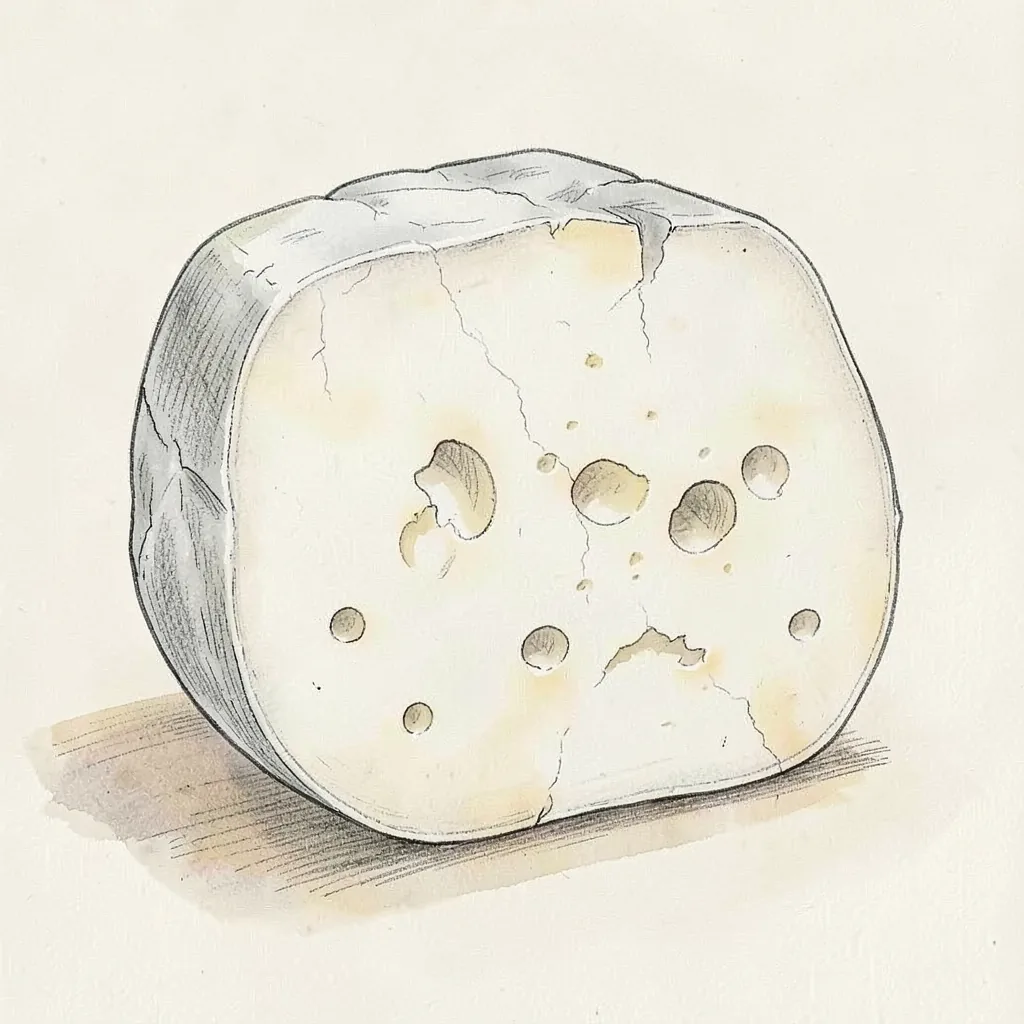
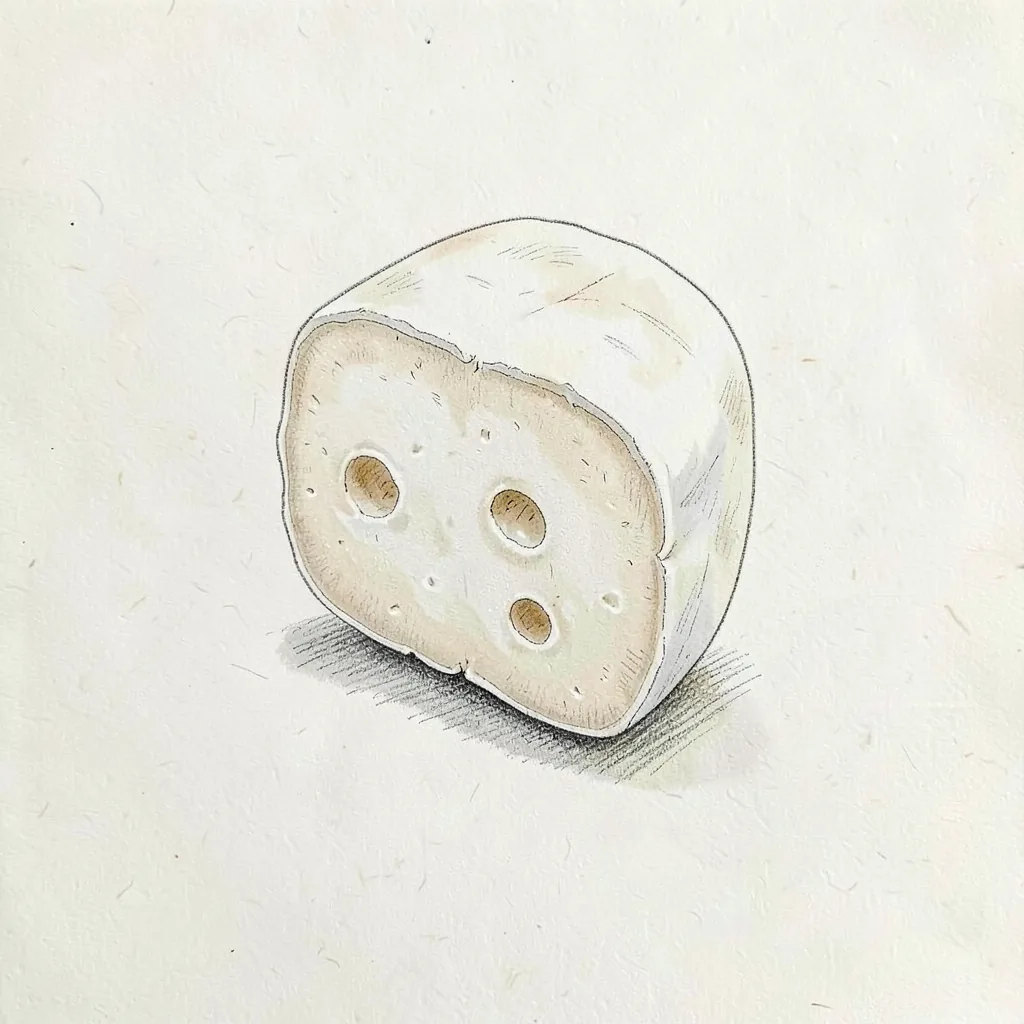
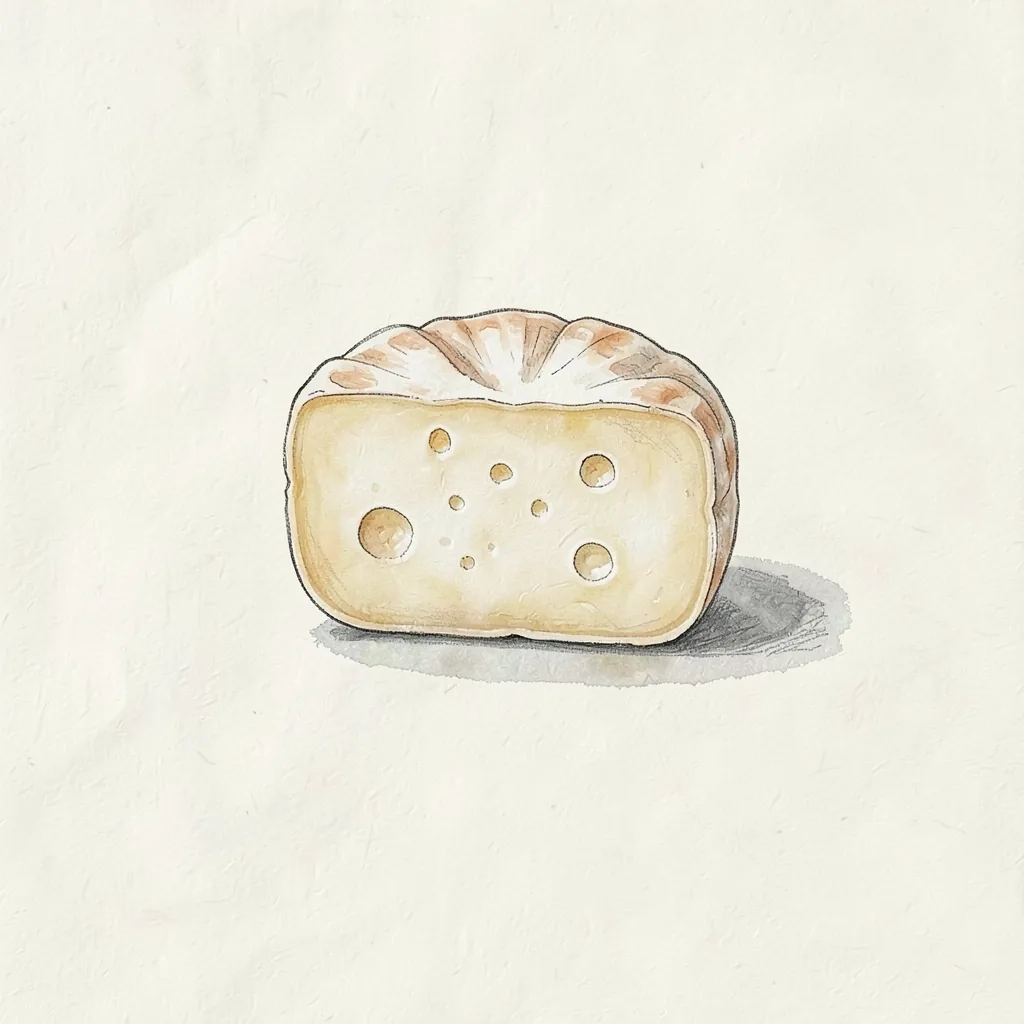
The Finnish name means bread cheese, and many people also call the same round juustoleipä. A warm piece squeaks against the teeth, which is why English speakers say squeaky cheese. The shape is a flat disc, thicker than a cracker and firmer than curd spooned from a pot. It is meant to be heated, not only sliced cold from the fridge.
Those browned spots are part of the cheese, not a fault, and they add a light toasted flavor. Inside, the paste is pale, mild, and springy, with a gentle cow's milk taste. People in Finland eat it warm with cloudberry jam, or they drop cubes into hot coffee so the edges soften. That coffee habit is local, and it surprises visitors who expect cheese only on a plate. Cold, the round is pleasant but quieter, and the squeak is the detail guests remember.
History
Baked fresh cheese has a long place in Finnish farm cooking, especially in Southern Ostrobothnia and Kainuu, where this name is familiar. Households set cow's milk curd into a flat round and browned the face over heat. Toasting helped the surface dry, and the round was sturdy enough to keep and carry. Dairies now sell wrapped rounds across Finland. The farm picture remains, even when the cheese comes from a factory line rather than a home hearth.
The traditional curd was often the first milk after a cow calved, because that milk sets firmly and belonged to farm custom. Shop rounds today usually come from ordinary cow's milk, while the baking step is what stayed constant. The cheese has no single brand and no single farm behind the name. Families still warm it for guests, and dairies sell it for the same habit. A soft curd and a baked round are the same cheese at two moments in the make.
How it is made
Cow's milk is set, the curd is cut, and whey is pressed off until the mass holds a flat round. Makers then bake or grill that round so dark spots appear on the face. The heat is the step that separates bread cheese from a plain fresh curd left soft in a bowl. There is no bloomy rind and no long age in a cave. Salt stays light, and the finished round is cooled and kept cold until someone warms it again.
Some older farm batches used the first milk after calving, which is still cow's milk, only richer and quicker to set. Ordinary milk needs a normal rennet set, and then the same pressing and baking. The browning can be done in an oven, in a pan, or under a grill, as long as the face toasts and the inside stays moist. Overbaking dries the round into a hard chip, which is past the usual style. A good piece stays pale inside and squeaks when it is warm.
Taste
The flavor is mild, lightly sweet, and milky, with toasted notes where the surface has browned. A warm piece squeaks, and that sound matches a springy chew that regular buyers expect. It is not sharp, not pungent, and not salty in the way of a brined white cheese. Cloudberry jam, or another tart jam, adds the bright note that the cow's milk paste does not have. If the round is very cold, warm it so the aroma and the squeak both come forward.
The inside tastes quieter than the browned face. Near the spots you get a hint of toast, and in the center you get a clean, soft dairy flavor. There is little salt to lean on, so the cheese can seem plain until it is warm. Heat loosens the texture without turning it into a flowing melt. A stale or overdried piece loses the squeak and tastes dull, which is a storage fault rather than the style itself.
In the kitchen
Serve leipäjuusto warm if you want the version people in Finland actually eat. Heat slices in a pan, under a grill, or in a low oven until they soften, then pair them with cloudberry jam or set them on bread. Cubes in a cup of coffee are a traditional snack in these regions, and the heat softens the edges without making a sauce. It is a poor choice for grating, and it will not melt into a sheet. Use it where a mild, squeaky bite belongs.
Keep the round covered in the fridge, and cut only what you plan to warm. A whole round reheats more evenly than tiny scraps, which dry out at the edges. Because the cheese is fresh and lightly salted, it does not belong in a long-cooked sauce that needs a sharp aged cheese. Grill it beside vegetables if you want a hot side with little fuss. For a board, offer small warm pieces rather than a cold slab, and let people add jam.
Around the world
Outside Finland, shops often sell this cheese as bread cheese or as Finnish squeaky cheese, usually already baked. Cooks compare it with halloumi because both can take a grill and both stay in one piece. The comparison stops there. Halloumi is saltier, and it is not the cheese Finns drop into coffee. Cheese curds also squeak, but they are loose fresh curds, not a baked flat round of cow's milk.
Paneer is another fresh cheese that can be warmed without fully melting, and it can help in a pinch. It lacks the browned face, the squeak, and the Finnish habit of jam or coffee. In Nordic shops the real round is easy to spot because it looks like a toasted flat cake of cheese. Buy that if you can. A substitute can copy the grill step, but it will not copy the toasted cow's milk flavor of the Finnish round.