Cow
What it is
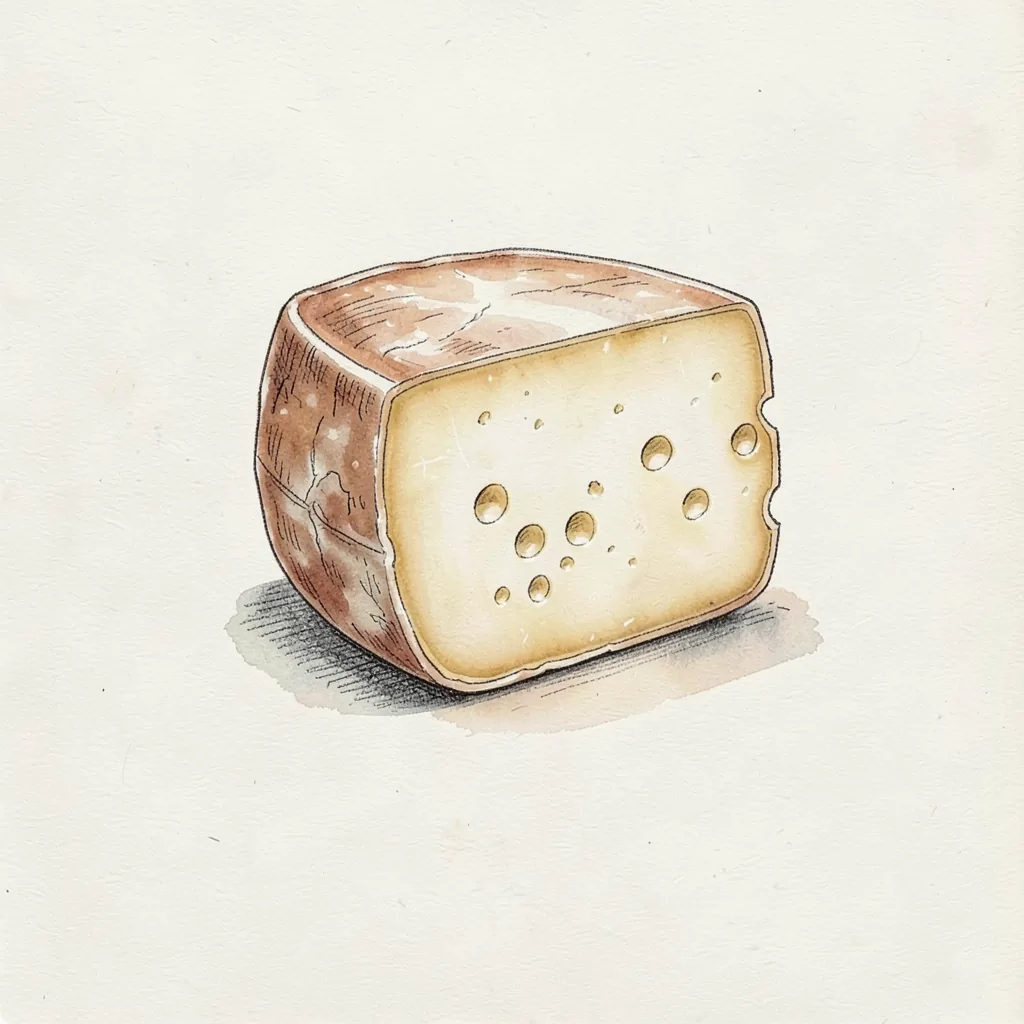
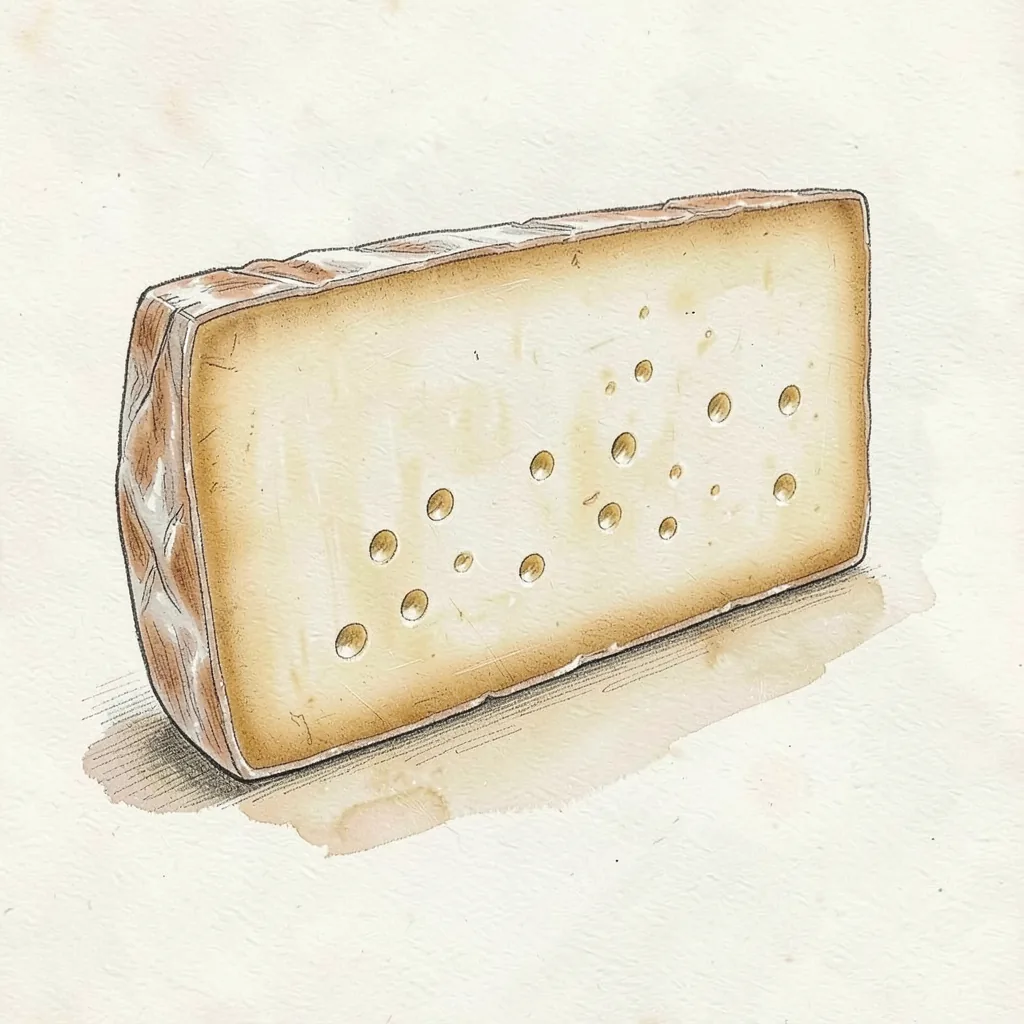
The name points to Lincolnshire in England, and the cheese itself is a farmhouse wheel rather than a plain factory block. The interior is pale gold and smooth, with a natural rind that turns brownish as it dries. It is a board cheese and a grating cheese, and it also melts in cooked dishes when the heat stays gentle.
Tasters often place the flavor between a British territorial cheese and a nutty alpine wheel. There is sweetness, roasted nut, butter, and sometimes a grassy or fruity note that shifts with the season of the milk. A longer age brings more depth and a clean lingering finish, still without the blunt edge of a very dry grating cheese. The texture stays sliceable. It is not a blue, not a soft rind cheese, and not a mild block meant only for children.
History
The name echoes a traditional English song, The Lincolnshire Poacher, and the cheese took that title as a mark of place. Britain already had a deep habit of firm raw milk cheeses, and this wheel sits in that company while tasting a little more like the alpine style. It is made in small batches from fresh raw milk, so the flavor is allowed to vary. Summer pasture and winter feed do not taste the same, and each batch is aged until it tastes ready.
The cheese found a place among modern British farmhouse cheeses by staying in specialist shops and by winning notice at tastings. Nothing about the recipe depends on a colored coating or on added flavors. A natural rind, wooden shelves, and time do the work, and the result is a wheel you can keep and cut over many meals. A younger wheel is gentler, and an older one is deeper and more savory. Both are the same cheese, aimed at the board or the grater.
How it is made
Fresh raw cow's milk is brought to the vat, cultured, and set with rennet. The curd is cut and stirred, then the whey is drained so the pieces can be milled and salted. Salt goes through the curd before it is packed into wheel molds and pressed, which is the farmhouse path to an even paste. The goal is a close body that can still open a little and grow small crystals as it ages. There is no wash to make the rind pungent, and there is no wax coat.
After pressing, the wheels are turned out and left to mature on shelves in a cool room. The rind dries and darkens on its own. Maturing continues until the paste is firm and the flavor has rounded, and some batches are held longer for a deeper character. Because the milk is raw and the feed changes through the year, the maker tastes and decides when each batch should leave. That is why two wheels cut on the same day can still differ a little in fruit, grass, or savory depth.
Taste
The first taste is rich and nutty, with butter, a gentle sweetness, and a savory depth that can seem almost meaty in some batches. Fruit and fresh grass show up when the milk came from cows on pasture, and a winter wheel can taste more savory and less bright. Salt is balanced rather than harsh. The finish is clean and fairly long. Any bitterness is only a light edge, not the main note, and the cheese should never taste sour or soapy.
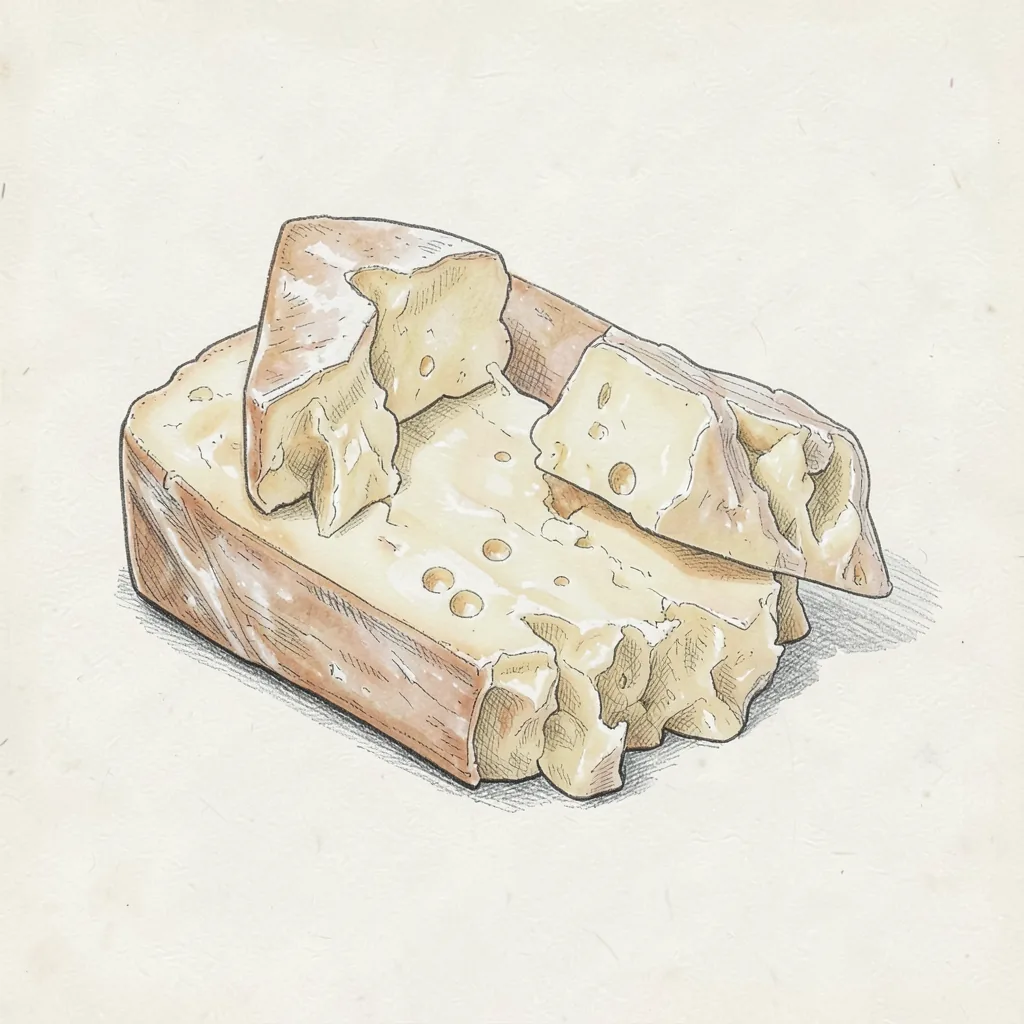
A well kept piece is firm, smooth, and slightly crumbly, and older paste can show tiny crystals that crunch under the tooth. The rind is drier and more earthy, and many people trim it before eating. The aroma is warm and dairy-like, not ammoniated and not sharply barny. If a wedge tastes dull or dry at the edge, the cut face was left open too long, so a fresh cut from a sound wheel is the better guide.
In the kitchen
Lincolnshire Poacher belongs on a board with bread, apples, or a plain cracker, where the nutty sweetness can be tasted on its own. It also grates over soups, vegetables, and baked dishes, and it melts in a sauce or a toasted sandwich if you grate it fine and keep the heat gentle. A long-aged piece is better as a finishing grate than as the only cheese in a hard boil, because it can separate. Use the younger, smoother paste when you want it to fuse into a dish.
Pair it with foods that are not sweeter than the cheese itself. Pear, walnuts, and a sharp chutney are common on British boards, and a dry cider or a pale ale fits the savory side. In cooking, treat it as you would another firm alpine-style wheel: fold grated cheese into mashed potato, or scatter it over a gratin near the end. It is too firm and too flavored for a soft spread. Keep the cut face wrapped so the paste does not dry and crack before the next meal.
Around the world
Outside the United Kingdom, Lincolnshire Poacher shows up in shops that specialize in British farmhouse cheese, and it is less common in a standard supermarket case. Buyers who know firm alpine cheeses will recognize the nutty, sweet side, and buyers who know other British wheels will recognize the firm paste and natural rind. It travels as a cut wedge or as a whole wheel to restaurants and counters. Because the milk is raw, availability outside Britain is uneven, and some markets simply do not carry it.
If the wheel is not on the counter, a nutty firm cheese is the fair swap. Gruyere brings a similar sweet, toasted flavor for a board or a grate, and Comte can do the same job with a slightly gentler fruit note. Wensleydale is more crumbly and milder, so it fits a British board better than the alpine taste. Ask for a long-aged raw milk wheel from Britain if you want the real flavor, and use the others when the dish only needs a firm nutty melt.