Cow
What it is
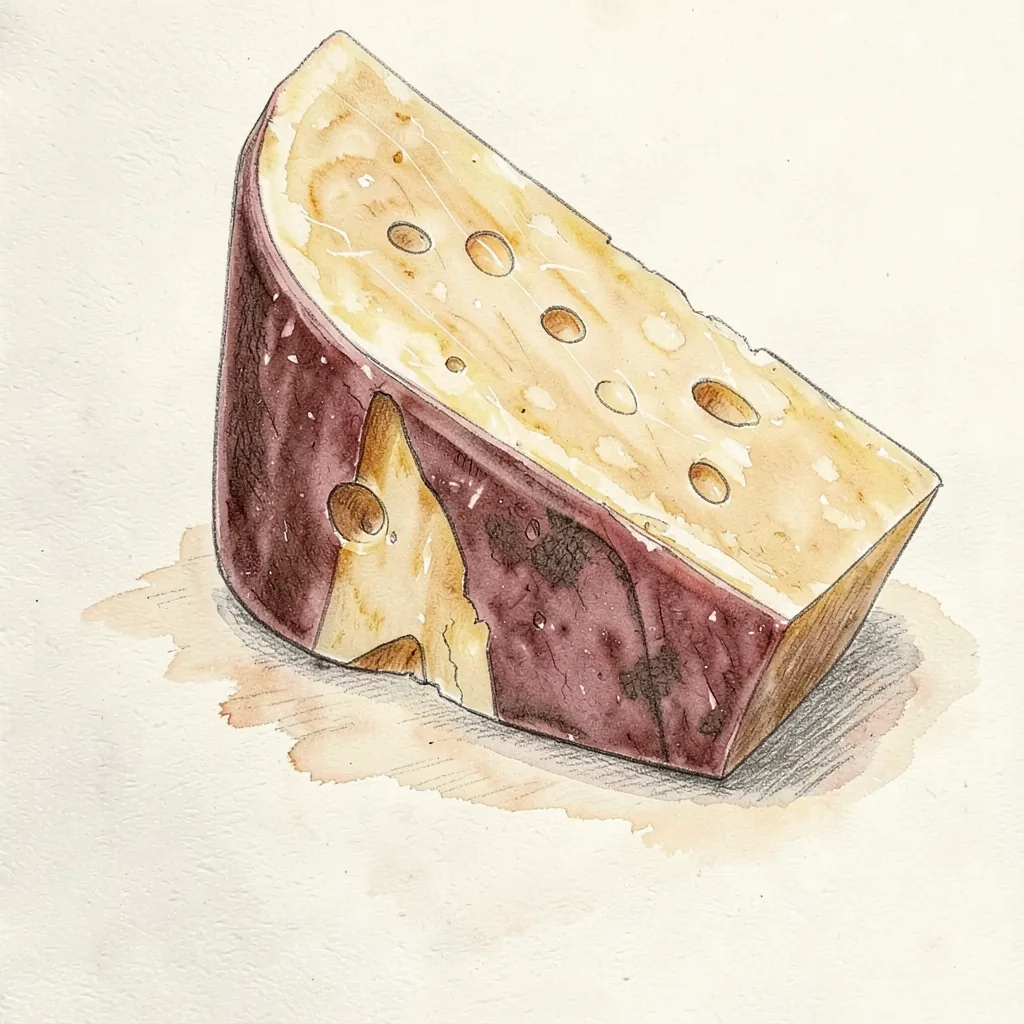
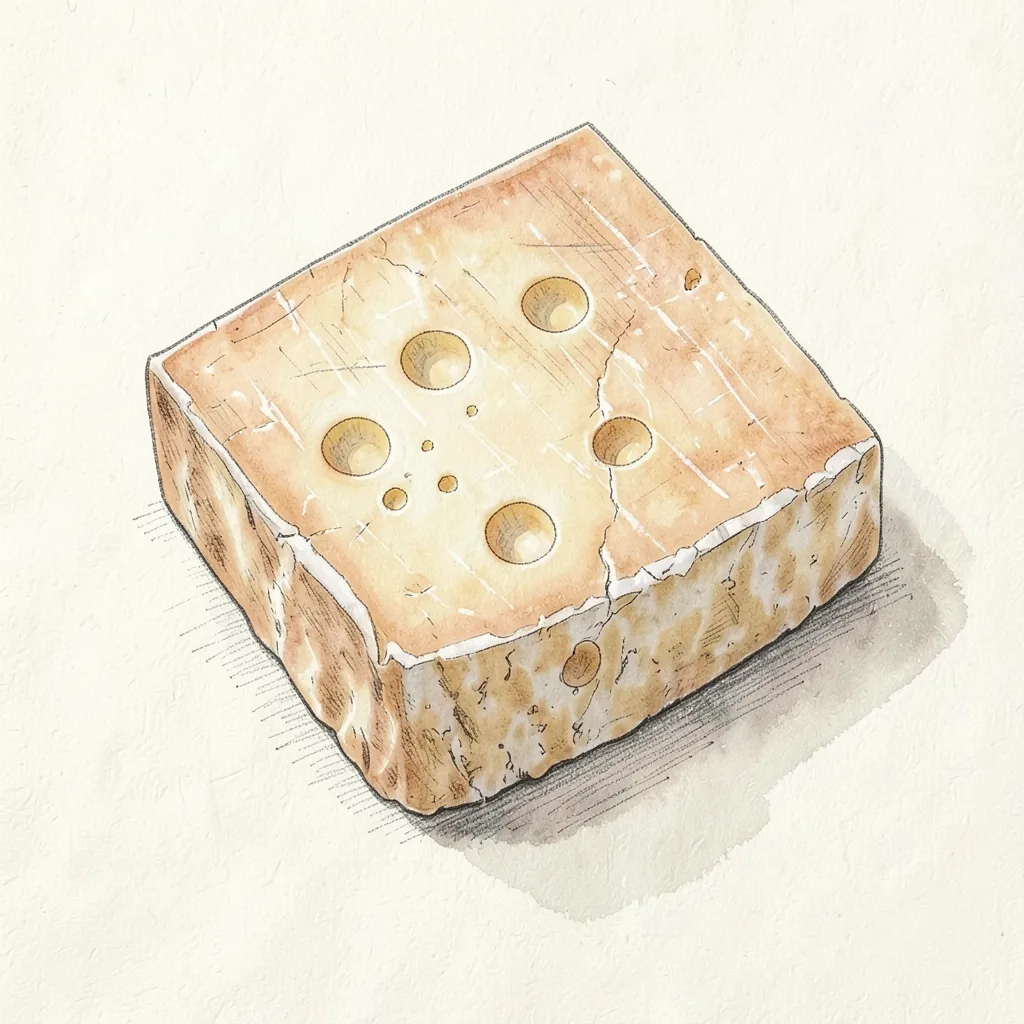
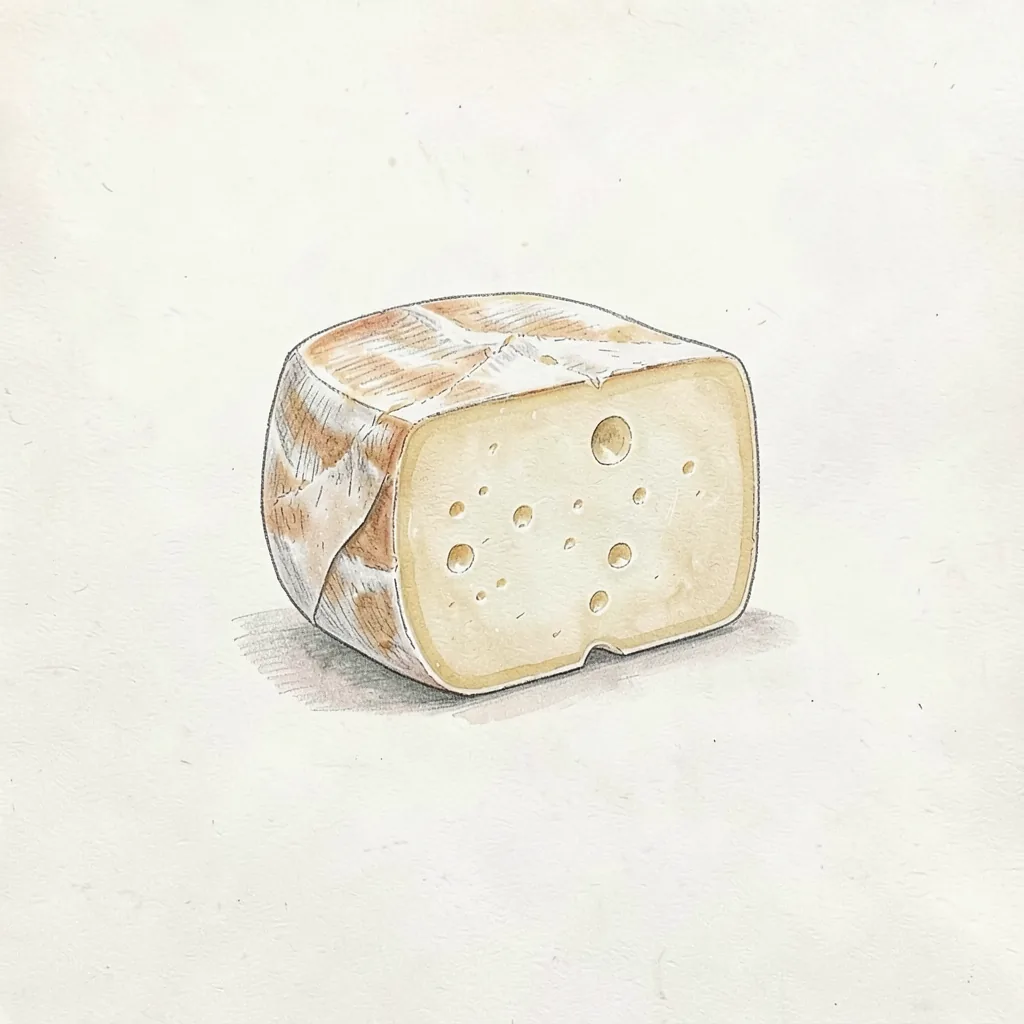
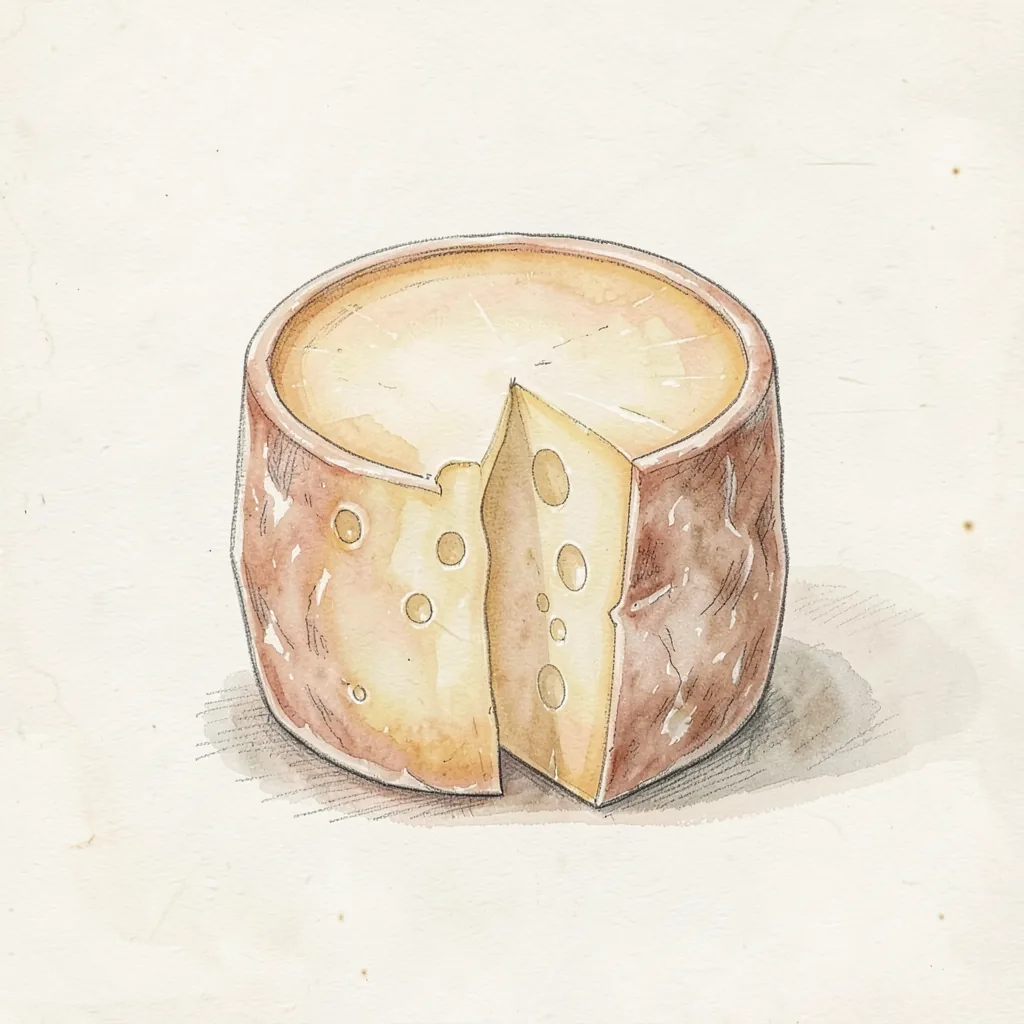
The piece is a square block with rounded edges and corners, a shape that comes from forming the curd, not from a round mould. The paste runs from ivory to a deeper yellow, and the rind moves from pale gold to orange-brown. Young cheese is supple, mild, and buttery. A longer rest makes the same cheese firmer, saltier, and more piquant.
The island on the label matters, because this is a Menorcan cheese rather than a general Spanish blend. Cow's milk gives a mild acidity along with butter and, in older pieces, a nutty edge that lasts on the tongue. During aging, makers often rub the rind with oil and sometimes with paprika, which deepens the color. You can buy a tender young cheese or a well-aged piece from the same tradition. Both are Mahón, and they do not behave the same way in the kitchen.
History
Cheese has been part of farm life on Menorca for a very long time, and Mahón grew inside that island habit. The name points to Mahón, the port that sent island goods outward, so buyers met the cheese under a place they already knew. Home dairies and later creameries kept the square format. Cloth-formed pieces still show fold marks on the top face, left by the wrap used to shape them. That mark is a useful clue when you are looking at an artisan wedge.
Trade through the port helped the cheese leave the island, and the square shape made it easy to spot beside round wheels from mainland Spain. Over time, both small dairies and larger plants made it. Raw milk is more common on the artisan path, and milk that has been heated is more common in industrial plants. The style stayed a pressed cow's milk cheese with a natural rind. It did not turn into a blue, a bloomy round, or a fresh curd meant to be eaten at once.
How it is made
Whole cow's milk is warmed and set with rennet until a firm curd forms. The curd is cut, stirred, and drained, then packed into a square form so the paste can close. In the artisan method, makers gather the curd in a cloth called a fogasser and tie the corners, which rounds the edges and leaves a cloth pattern. Larger plants may use square moulds instead of the cloth. Either path is pressed, salted in brine, and set aside to dry at the surface.
Young cheeses leave the ripening room earlier, while cured cheeses stay until the paste is drier and the flavor is sharper. During that rest, the rind is rubbed, traditionally with oil or butter and often with a little paprika. The rub colors the surface and helps keep it from cracking in the dry air. The interior stays a compact yellow-ivory paste, without large eyes and without mold veins. Salt and time build the taste, not a wash of beer or a coat of white bloom.
Taste
A young Mahón is mild, buttery, and slightly acidic, with a soft elastic paste and a light lactic smell. The flavor is clean rather than funky, and it suits bread without a strong partner. Pieces with more age add a hint of hazelnut and a longer finish, while the texture turns firmer under the knife. Well-aged cheese is savory and piquant, sometimes with a note that tasters compare to dry wood. The paprika rub, when it is used, scents the rind more than the center of the paste.
Salt is noticeable, especially in older pieces, but it should not taste harsh or metallic. The paste color deepens a little as moisture leaves the cheese. A good wedge smells of butter and warm milk first, then of the room where it ripened. If the rind is very orange, expect the color to come from the rub, not from the milk itself. Eat the paste for the true flavor, and try a little rind only if you like a stronger, oilier bite.
In the kitchen
Young Mahón slices neatly for sandwiches and for breakfast bread, and it melts well enough for a grilled sandwich or a simple sauce. Older cheese grates over vegetables, eggs, and pasta, where the piquant side does useful work. Cubes sit happily on a board with almonds, quince paste, or a firm pear. The square format makes tidy slices that fit bread without waste. Because the rind can be oily and spiced, many cooks trim it before the cheese goes into a hot pan.
Island cooking uses the cheese in savory pastries, with vegetables, and on sweet plates with honey. A young piece will not give the bite of a long-aged wedge, so match the age to the dish. If a recipe wants a nutty cow's milk cheese and Mahón is missing, a young Gouda or a firm Cantal can cover the mild end. For the sharp end, choose an older Gouda rather than a blue. Keep the wedge wrapped so the rind does not dry.
Around the world
Mahón is the cheese of Menorca, and that island identity is the point of the name even abroad. It appears across Spain and in specialty shops abroad, usually with some of the golden or orange rind still attached. Shoppers sometimes file it with Manchego because both are Spanish and firm enough to slice. The milk is not the same, and the shape is not the same. Manchego is a sheep's milk cheese from the mainland, while Mahón is cow's milk from the Balearic Islands.
Outside Spain, the cheese is a specialty more than a supermarket block. Treat a young wedge like a buttery slicing cheese, and treat an aged wedge like a nutty cheese for grating and boards. It does not replace a fresh frying cheese or a pungent washed rind. If the label shows Menorca and the piece has a square profile, you are in the right family. Ask for the age when the counter cuts to order, because mild and piquant pieces share one name.