What it is
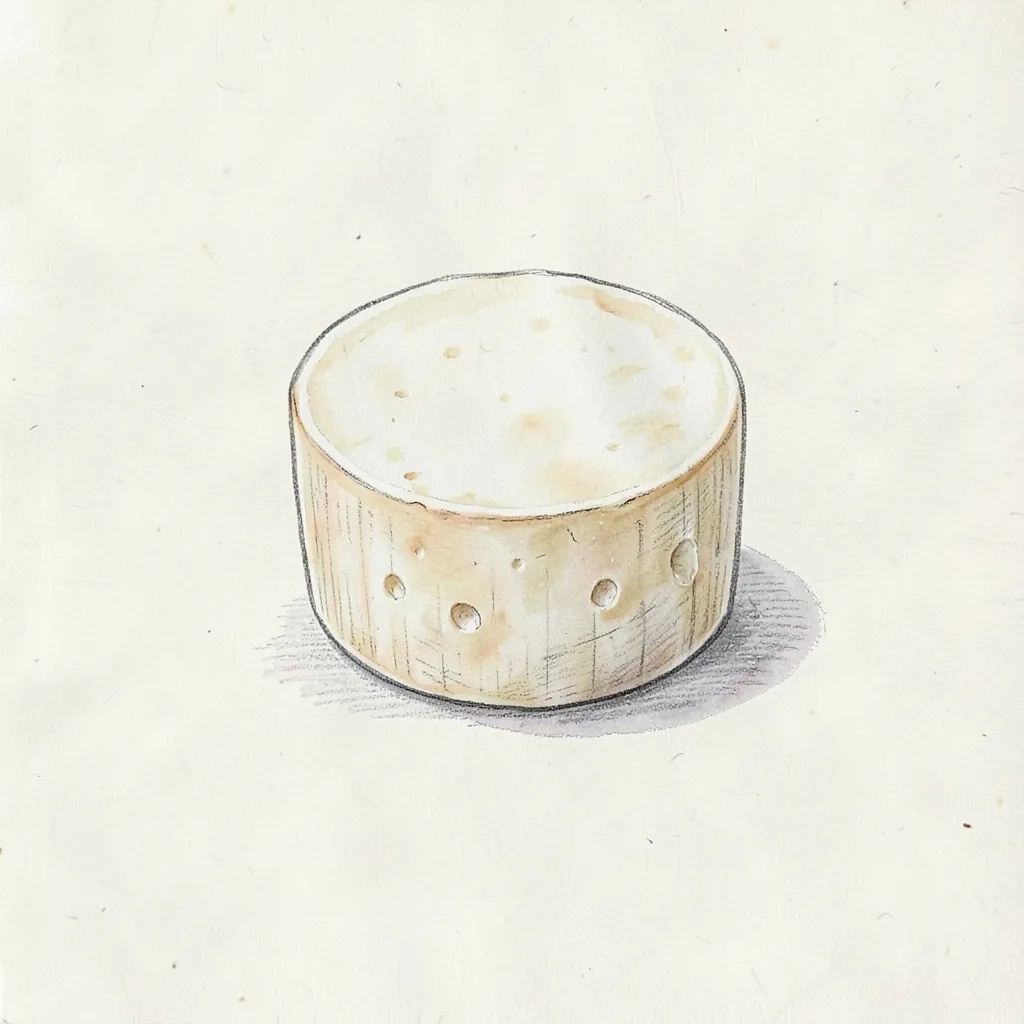
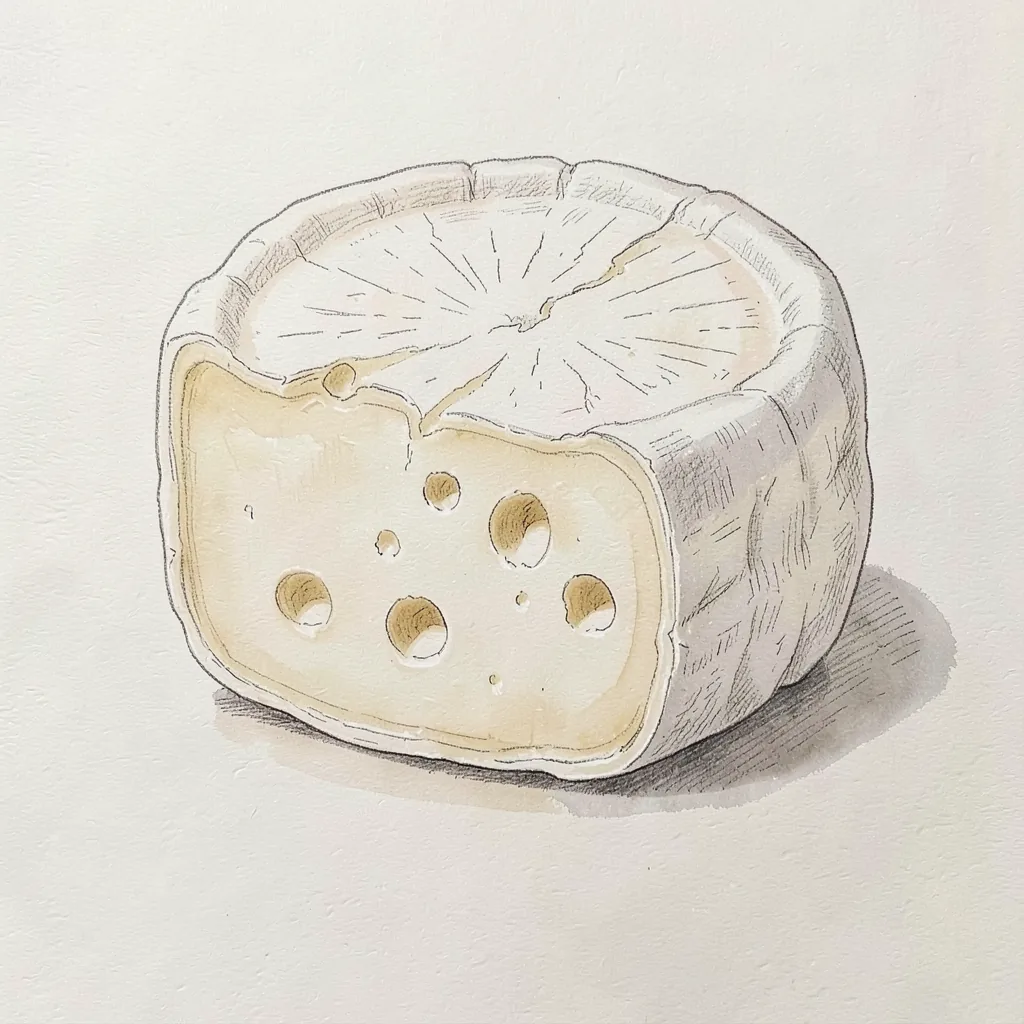
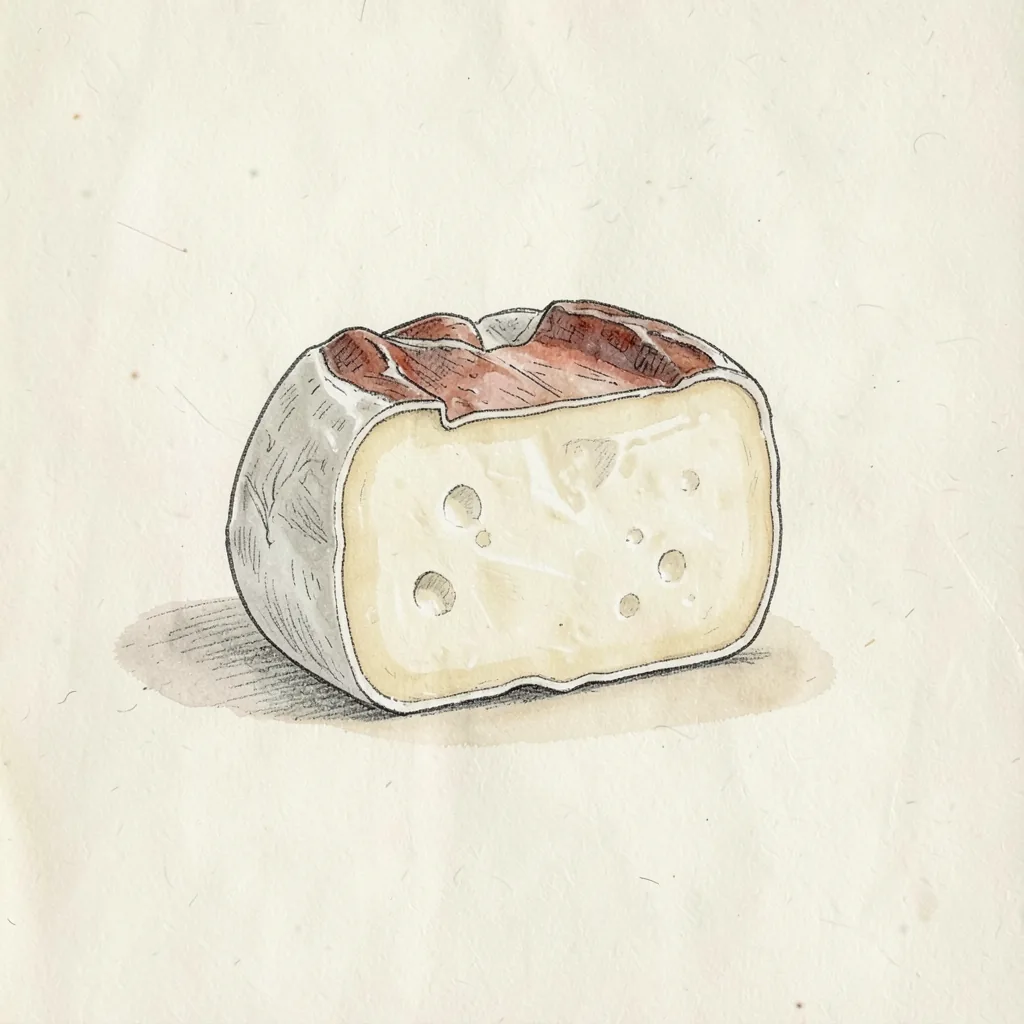
Makers heat the milk and set it with rennet, thistle, or a sour juice, then drain the curds until they hold a soft shape. The paste is white, moist, and a little grainy, with no rind and almost no salt. It is eaten very young, soon after the curds have drained. The flavor is milky and gently sweet, closer to fresh curd than to an aged wheel.
The classic Catalan way to serve it is mel i mató, which means honey and mató. A spoon of cheese, a trail of honey, and a few walnuts make the whole dessert. The cheese is also stirred into simple cakes and other sweet dishes when it is still fresh. Savory uses are fewer, because the lack of salt makes it taste like a mild curd. Keep it cold and eat it soon, since it does not improve with age.
History
Mató has a long place in Catalan cooking. Medieval kitchens already used it, plain or scented with orange flower, and the honey pairing became the usual dessert. The cheese belongs with other fresh curds known under different names in nearby valleys, including brossat. Those relatives are similar in spirit, but Mató is the name tied to Catalonia and to the honey plate. Home cooks and small dairies both still make it, and the method stays simple.
No single town owns the recipe. Catalonia is the region, and local dairies sell the cheese in shallow baskets or as a soft block. Fame grew with the dessert, not with a long aging cave or a hard rind. Writers of old Catalan food noted it, which shows it was ordinary food, not a rare festival piece. Today it still signals a Catalan table more clearly than most aged Spanish cheeses do.
How it is made
The make is short. Milk is heated well up, then a coagulant is added so the proteins set into a tender curd. Rennet, cardoon thistle, or an acidic juice such as lemon can do that work, and the choice changes the fineness of the grain. The curd is drained in a cloth or a small basket until the whey runs off. No salt is mixed in, which is why the taste stays sweet.
Draining is the main skill, because a short drain leaves the cheese slack and a long drain makes it dry and chalky. The best pieces hold a spoon mark and still look moist and slightly grainy. Some batches pick up a light scent of orange flower, an old variation rather than a required step. Baskets leave a soft pattern on the surface, and that mark is normal. Once drained, the cheese is ready to eat, and it is not pressed, washed, or aged into a rind.
Taste
Expect a clean, milky sweetness and almost no salt. The grain is fine to slightly lumpy, and it feels cool and moist on the tongue. There is little acid and no bitter rind note, because there is no rind. Honey completes the cheese rather than covering a flaw, and the two tastes are the pair Catalans know. Walnuts add crunch, but they are a garnish, not part of the cheese.
A sharp or smoky note means the piece is no longer at its best. Fresh Mató should smell like warm milk and clean whey, not like an aged mountain cheese. If the dairy used thistle, a faint vegetal edge can appear, and it should still be soft. Different farms taste a little different because the milk and the coagulant change. Salt on the plate is a cook's choice, not a trait of the cheese itself.
In the kitchen
Serve Mató cold, in a shallow bowl, with honey at the table. Rosemary honey, orange-blossom honey, or a plain wildflower honey all suit it, and walnuts are the usual extra. A spoon is more useful than a knife. The same cheese can fill a simple baked cake or a small tart when you need a mild, fresh curd. Do not brown it hard, or the delicate taste disappears.
Savory cooking is possible but easy to overdo. Crumble it over warm vegetables or a green salad if you want something fresher than a salty grating cheese. It will not melt into a stretchy sheet, and it will not brown like halloumi. Think of it as a soft curd that lightens a dish. If a recipe needs a sweet dairy note, Mató can stand where a fresh ricotta would, with less salt in the background.
Around the world
Outside Catalonia, Mató is less famous than Manchego, and many shops never stock it. Catalan restaurants and bakeries are the reliable place to meet mel i mató. On Catalan dessert menus it shows up beside simpler custards. Travelers sometimes mistake it for ricotta because both are white, moist, and lightly sweet. The missing salt and the honey habit are the clues that this is the Catalan cheese.
Cooks far from Spain can use a fresh ricotta, brocciu, or a plain curd when Mató is missing, then add honey to echo the dessert. The substitute will be saltier or more acidic, so taste before you add anything else. Food writers group Mató with other fresh Mediterranean curds, but the Catalan name and the honey plate are specific. If you find the real cheese, eat it as it is. Aging, smoking, or a heavy spice rub works against what the cheese is for.