Cow
What it is
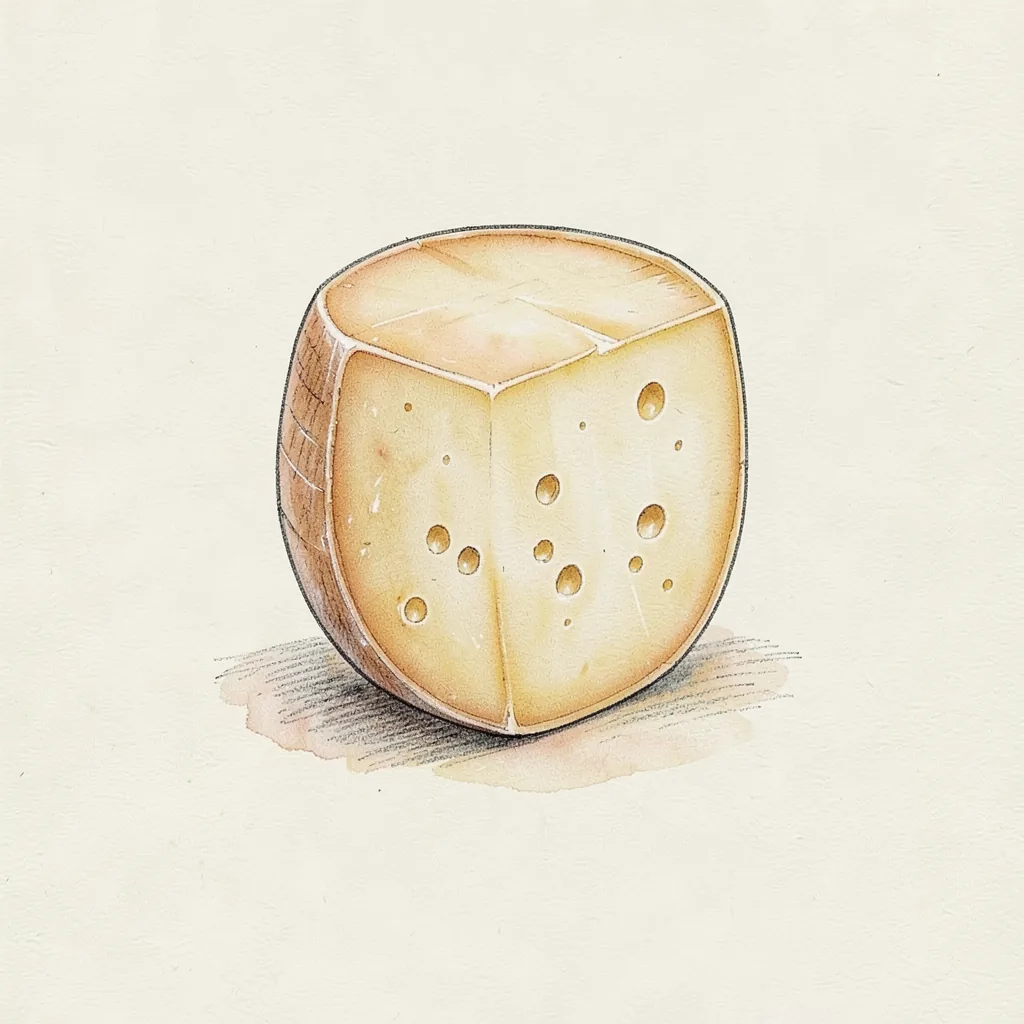
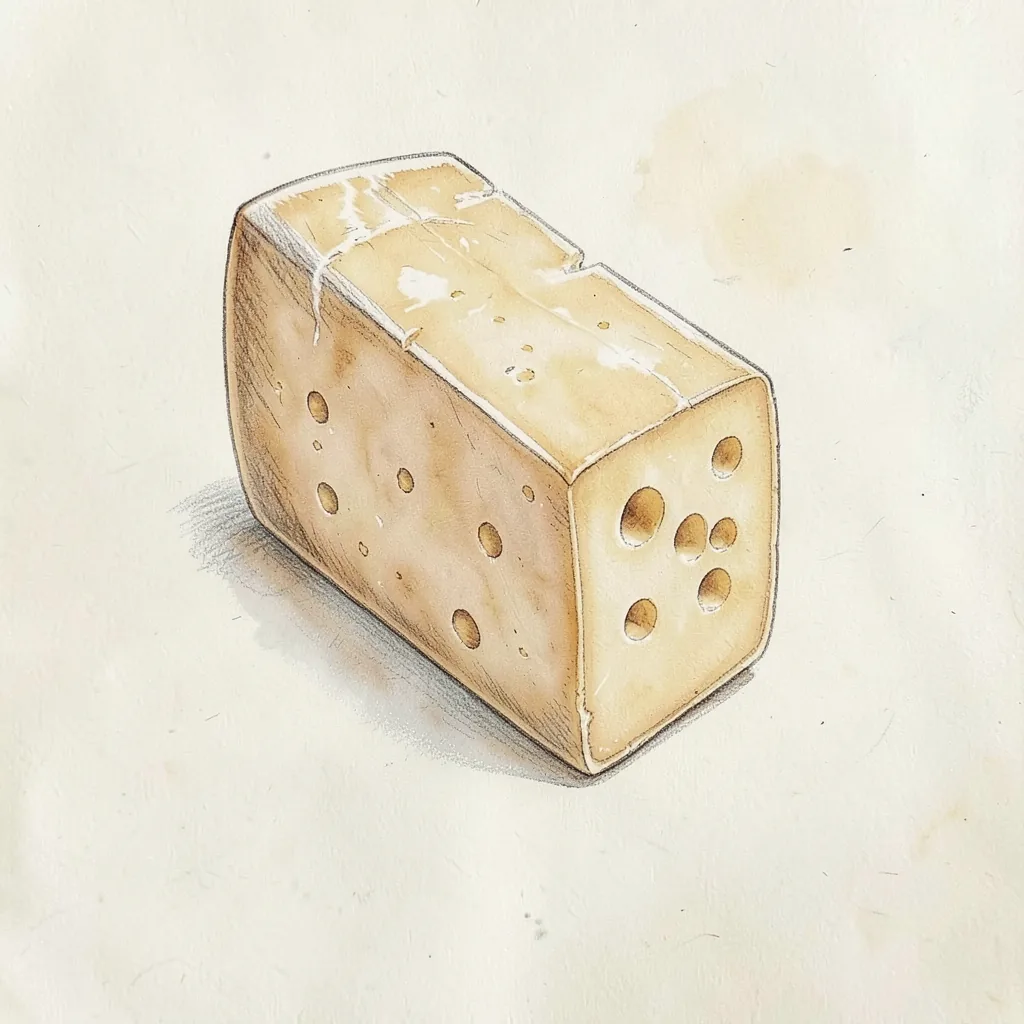
The paste is dyed a deep orange with annatto, so a cut wheel looks closer to a fruit than to a pale tomme. Young pieces are smooth and supple. Older pieces turn hard, brittle, and sharp enough to grate. The round shape and the color are the traits most people remember first.
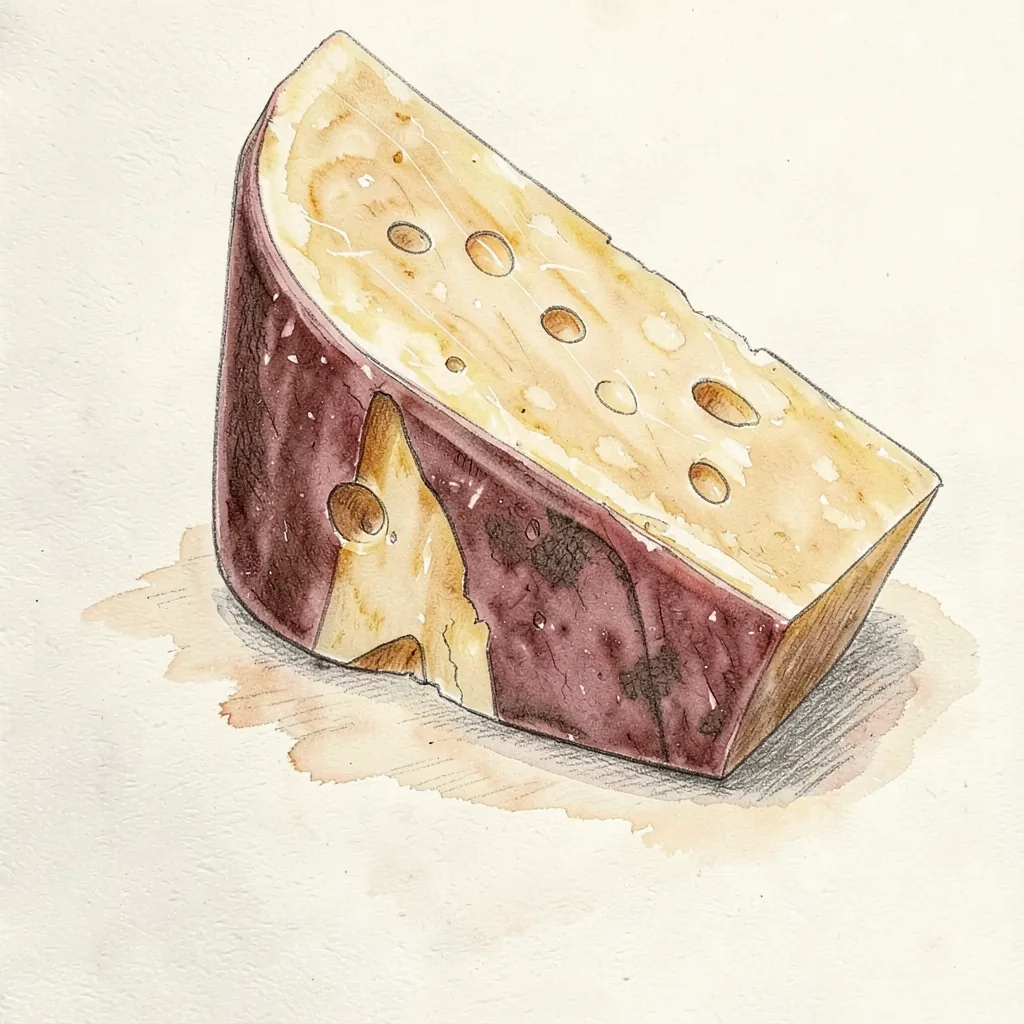
The rind of a well-aged wheel is gray, thick, and pitted, with a dusty look. Tiny cheese mites live on that rind and help the wheel dry as it ages. The interior stays bright orange and dense, with a flavor that grows nutty and salty. A young wheel is a table cheese, while an old wheel is better for grating. It is a normal cheese-shop cheese in France, not a novelty paste.
History
The cheese belongs to the north of France, where round orange wheels became a local answer to Dutch Edam. The ball shape and the annatto color made the family resemblance plain. Over time French makers pushed the aging further, and the old wheels gained a pitted natural rind. Younger wheels stay supple enough to slice at the table. An old wheel is harder, drier, and meant for a grater as much as for a board.
Trade across the nearby border kept the comparison with Edam alive. French wheels were colored to look distinct in the market, and the orange became a mark rather than a disguise. Aged Mimolette later won attention abroad because of the mite-marked rind, which some inspectors have treated with caution. The cheese itself stayed in ordinary shops in France. Buyers who want a milder wheel simply choose a younger age.
How it is made
Cow's milk is set and the curd is cut, stirred, and pressed into round forms. Annatto goes into the milk or the curd so the color runs through the paste, not only over the surface. The wheels are salted and dried. A natural rind forms, and on older wheels cheese mites are part of that rind life. The maker brushes the surface while the interior slowly firms.
Young Mimolette leaves the aging room while the paste is still smooth and sliceable. Older wheels stay until the texture is hard and the flavor is concentrated. There is no wax coat on a traditional ball, unlike many Edam exports. The gray rind is not eaten by most people. What you taste is the orange paste, nutty when young and sharper when the wheel is old.
Taste
A young wedge tastes mild, buttery, and slightly sweet, with a hazelnut note and a gentle tang. The orange color suggests a stronger cheese than the first bite delivers. Salt is moderate, and the finish is clean rather than sharp. The texture is springy and a little dry, not creamy like a soft bloomy cheese. It is pleasant on bread without needing jam or a sweet garnish.
An aged wheel is harder, saltier, and more forceful than the young ball. The flavor moves toward caramel, toasted nut, and a savory broth note. Small crystals may appear in a very old paste and add a light crunch. The rind can smell earthy and dusty because of the mites, even when the interior smells sweet and nutty. If that rind smell bothers you, choose a younger wheel with a smoother coat.
In the kitchen
Young Mimolette belongs on a board with apple, bread, and a mild nut. It slices for sandwiches, and the taste stays rounder than a very sharp aged cheese. Aged pieces are better grated over vegetables, eggs, or a simple pasta. The hard paste also suits a savory biscuit if it is finely grated. Do not try to melt a very old piece into a smooth sauce, because it can stay grainy.
Shave a young wedge beside ham or a green salad. Grate the old wheel as you would another hard cheese, in a fine shower so it does not turn waxy. Cider, a light beer, or a not-too-sweet white wine fits the nutty paste. The rind can be trimmed away before serving. A mixed board can hold both ages if you label them, because they do not eat the same way.
Around the world
Mimolette is a familiar wheel in northern France and in cheese shops across the country. Exports reach other European markets and specialty counters farther away. Some very old wheels have been stopped at borders because of the number of mites on the rind. Younger wheels travel with less fuss. If a shop only has the aged ball, ask to taste it before you buy a large piece.
Edam is the cheese most often confused with it, especially when both are orange and round. Edam is usually milder, and export balls are often waxed rather than mite-aged. An aged Gouda can stand in on a board when you want a firm, sweet, nutty paste. Neither substitute copies the bright orange interior exactly. In its home region the wheel is an ordinary choice, not a rare trophy.