Cow
What it is
Annatto colors the paste a deep orange red, and that hue is traditional rather than a mark of extra age. The body is firm and a little crumbly, with a clean break. The flavor is nutty, mellow, and slightly sweet. It stands with other pressed English cheeses and works in many of the same kitchen jobs as cheddar, without being cheddar.
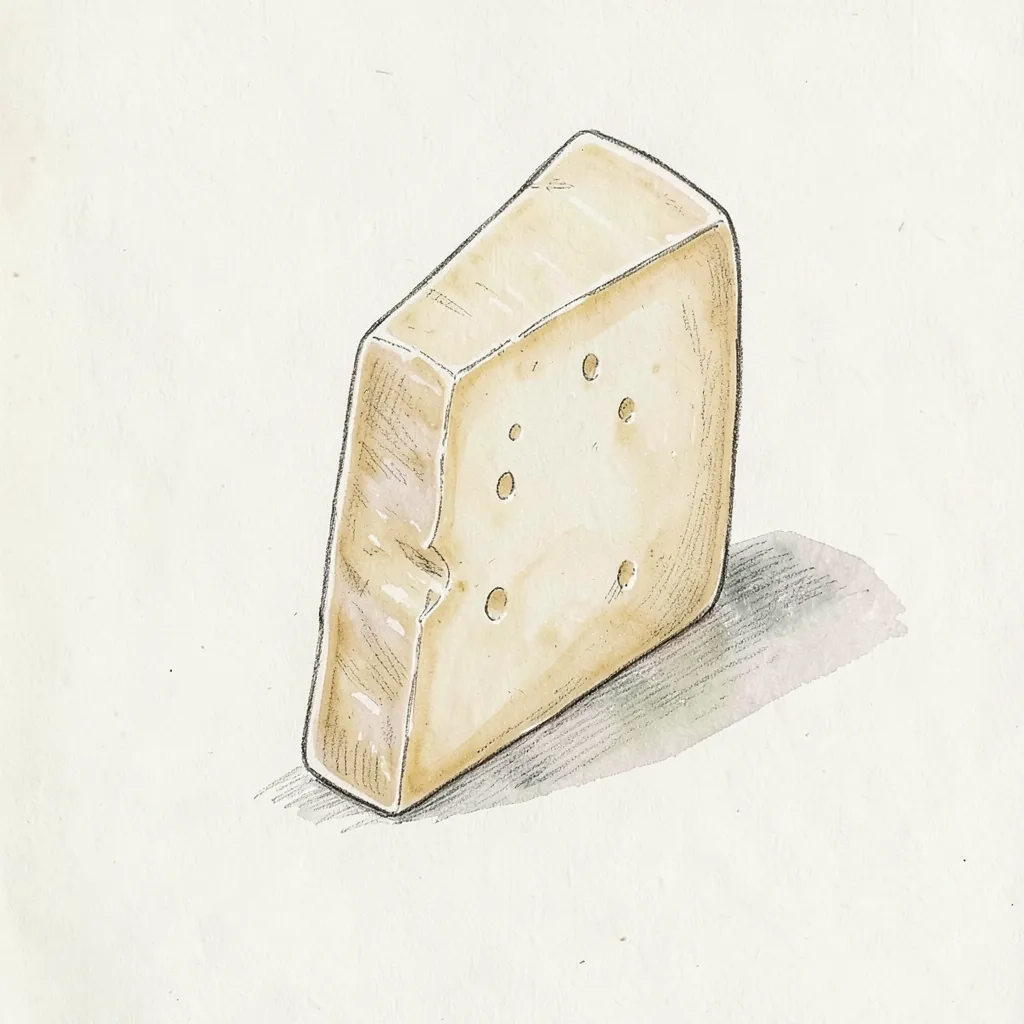
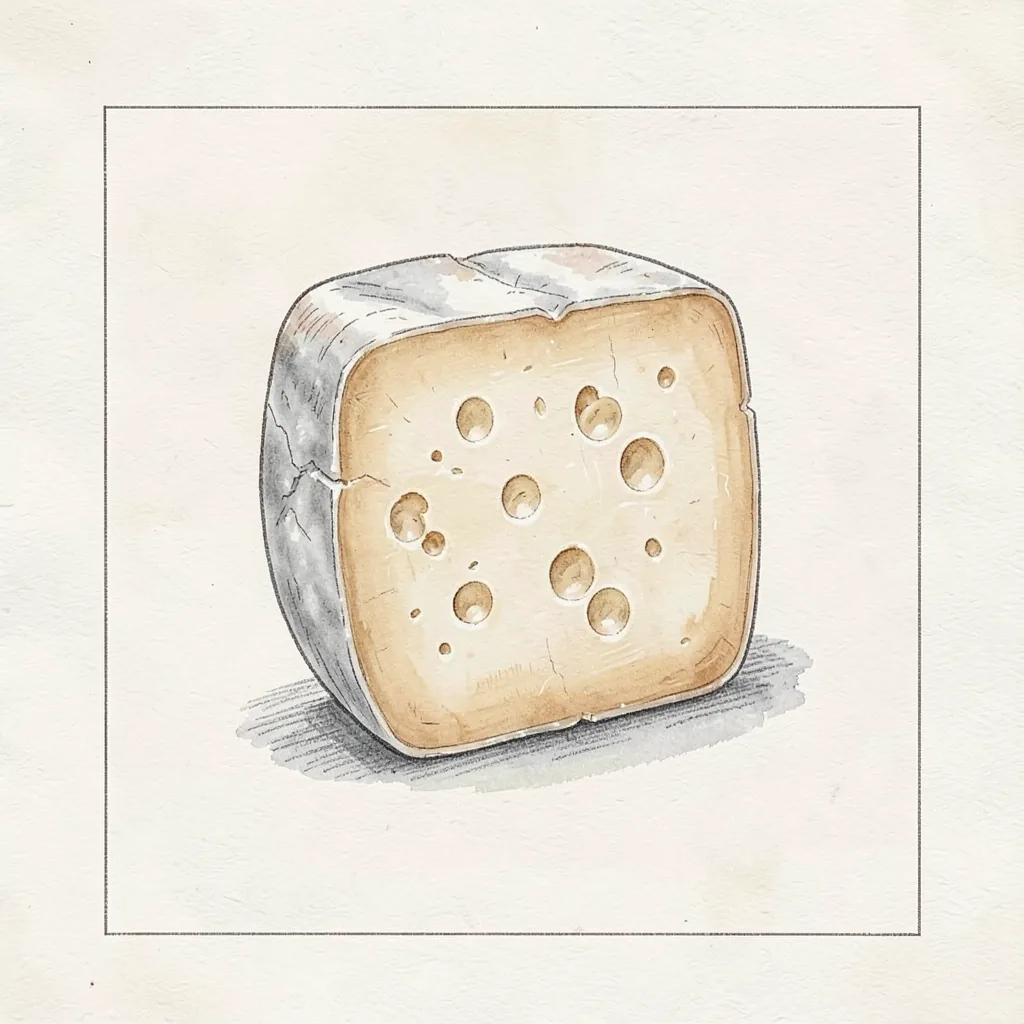
Clothbound wheels carry a natural rind, while many shop pieces are cut blocks with bare faces. Both can be Red Leicester when the paste is the firm orange cheese of this tradition. Leicester and Leicestershire are the place names that belong with it. People slice it for the table, melt it, and grate it. A younger piece tastes gentler, and a more mature piece tastes fuller and a little sharper.
History
Dairies in Leicestershire made a firm pressed cheese that buyers could recognize by its red orange color. Annatto, a natural color from a seed, supplied that hue without turning the cheese into a spiced novelty. The color helped it stand out beside other English hard cheeses in the market. The style kept the Leicester name as creameries began to supply shops beyond the county. It remained a British table cheese with a clear visual identity.
The story of the cheese is a place story and a method story. Leicestershire, the pressed curd, and the annatto color are the points that matter. Later, block cheese and clothbound wheels shared the name in ordinary shops. Home cooks used it for melting and toasting as well as for the cheese plate. The orange paste is still the fastest way to recognize a piece at a glance.
How it is made
Makers set cow's milk and add annatto so the curd takes on its orange red color. The curd is cut, stirred, and firmed, then salted and pressed into wheels or blocks. Pressing drives out whey and builds a close, firm body. Clothbound wheels mature inside a bound cloth, which lets a natural rind develop slowly. Block cheese matures in forms that are later cut into retail pieces with little or no rind showing.
Time in maturation deepens the nutty taste and leaves the texture a little drier. The color stays orange rather than browning as a sign of age. A shorter maturation keeps the cheese mild and fairly supple for a hard cheese. A longer one brings a fuller savor and a more crumbly break under the knife. The make uses neither a washed smear nor blue mold, so the flavor stays in the pressed cow's milk tradition.
Taste
Red Leicester tastes mellow, nutty, and lightly sweet, with a savory finish that is easy to like. The orange color does not bring a peppery or smoky note. Salt is balanced rather than fierce, and it supports the nutty flavor. A younger cheese is gentle even though the body is already firm. A mature cheese is richer, a little sharper, and more crumbly when you break a piece.
The texture should break cleanly without turning sandy or chalky in a sound piece. It should not taste bitter, and it should not taste sharply acidic. Next to a very sharp aged cheddar, Red Leicester usually stays rounder and milder. The rind on a clothbound wheel can taste more earthy than the paste, so many people trim it. A block piece is all paste, and the flavor stays even from one edge to the other.
In the kitchen
Melt Red Leicester on toast, in cheese sauces, and in baked dishes that need a smooth savory cheese. It grates well for a topping once the piece is mature enough to fall into separate shreds. Slices belong on a board with bread, apples, and a spoon of chutney. Firm cubes can go into a salad if they are not too crumbly to toss. It also suits a grilled sandwich next to a milder slicing cheese.
Because the flavor is mellow, it will not drown eggs, potatoes, or plain vegetables. A dish that needs real bite may call for a sharper cheese instead. Grate the piece when it is cold so the shreds stay apart. In a sauce, melt it over gentle heat and keep stirring so the texture stays smooth. Leave any clothbound rind out of the pan, since the paste is what should melt.
Around the world
Red Leicester is a standard British cheese, easy to find across the United Kingdom. Abroad it shows up in specialty cases and in some large grocery stores, often as a pre-cut wedge. Buyers sometimes mistake it for cheddar because both are firm, made from cow's milk, and useful when melted. The orange paste is the quick visual clue that separates them. Gloucester can cause a similar mix-up when that cheese is colored in the same warm range.
Cooks outside Britain can use cheddar or Gloucester when a recipe names Red Leicester and the wedge is missing. The substitute will still melt, but the sweet nutty note may shift a little. It is not a replacement for a fresh curd or for a blue cheese. On a board away from home, a small label helps guests see that the color is annatto, not chili. At home in Leicestershire and across the United Kingdom, it is an ordinary cheese for the table and the kitchen.