Cow
What it is
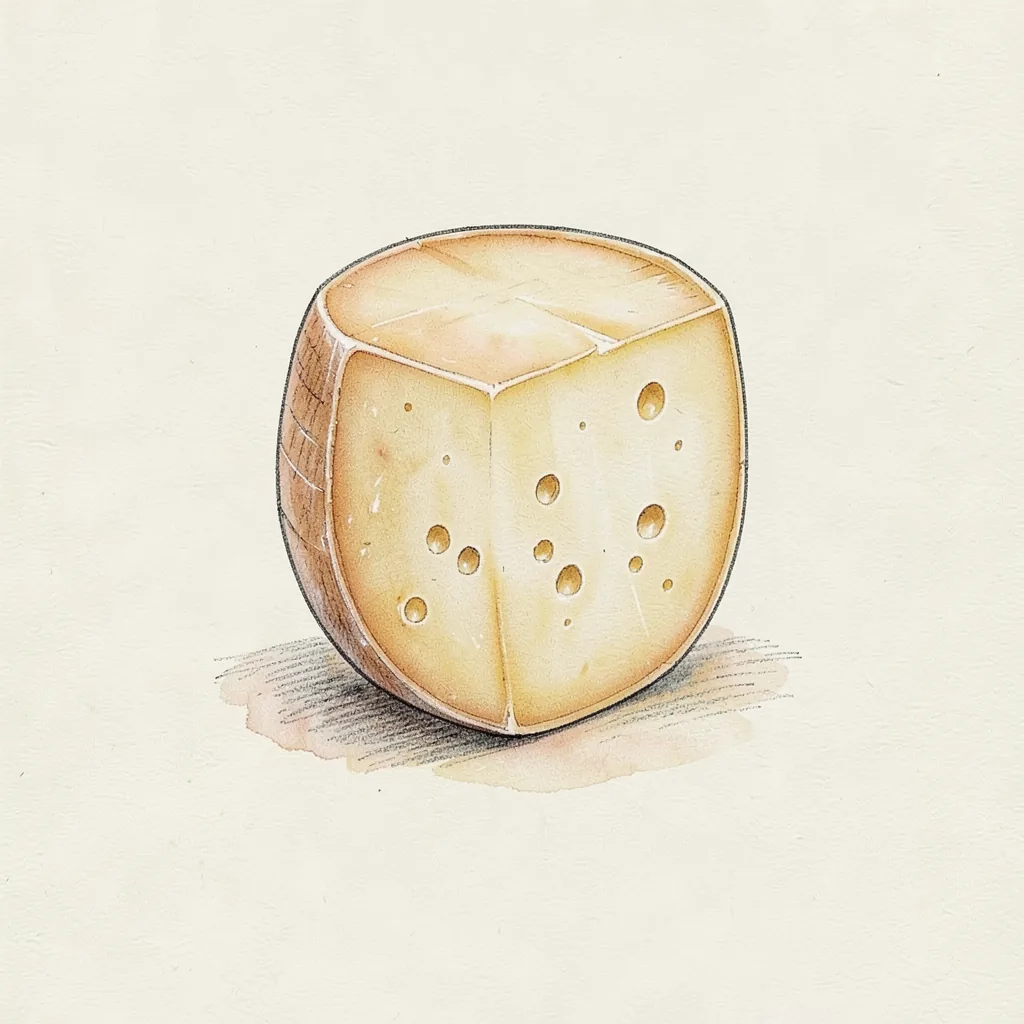
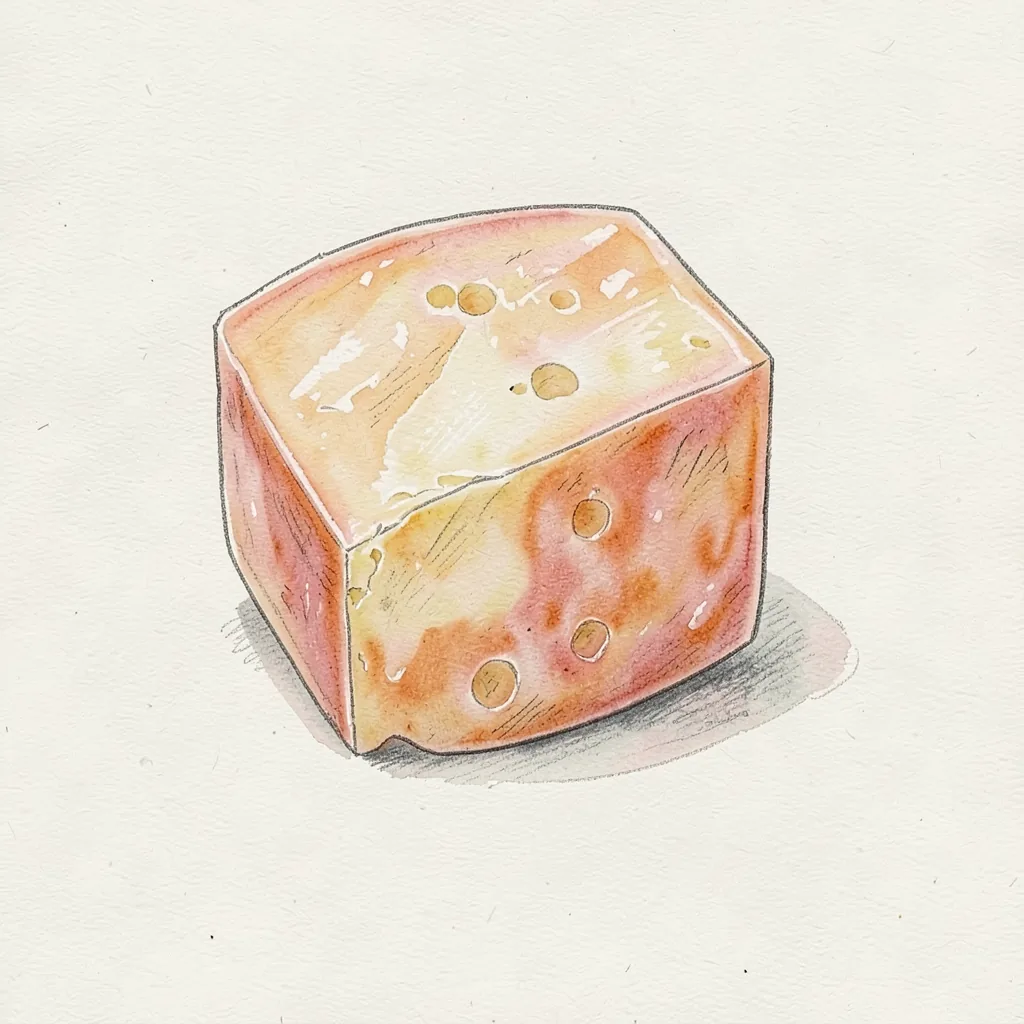
The paste is pale yellow and firm, with small holes set in a regular pattern. Red wax covers the outside, in the same general manner as on Edam. The taste is light, a little salty, and gently tangy, with a fresh milky smell. It is a table cheese for slicing, not a hard block meant for a long session on the grater.
The name comes from Mols, and the cheese sits with other mild Danish wheels rather than with blue or washed styles. A cut face looks smooth and lightly open because of those small eyes. Younger pieces taste quiet and milky. Cheese kept longer turns a bit drier and saltier, but it stays gentle. Peel the wax before you eat, because the coat is a cover and not a rind you serve.
History
Molbo takes its name from Mols, and that regional name is the clearest marker in the public record. Denmark has a long dairy habit of mild semi-hard cheeses made from cow's milk for bread, sandwiches, and cold tables. This wheel belongs in that group. Red wax, small holes, and a light tang are the traits that lists repeat. It was not built as a blue, a bloomy round, or a washed smear cheese with a strong smell.
What writers repeat is simple, and it is enough to place the cheese. The paste has small regular holes, the coat is red wax, and the flavor is delicate, salty, and slightly tangy. That description puts it beside Edam in style, while the name stays Danish. Danbo is better known, and shoppers meet that name more often, while Molbo is easier to miss. The two are both mild cow's milk cheeses, and they are not the same wheel.
How it is made
Makers start with cow's milk and build a pressed curd for a semi-hard wheel. The curd is cut and drained, then shaped into rounds that will hold a closed paste. Salt is added, and the cheese firms as moisture leaves. Small holes appear as the wheel settles, and they stay modest and even. Red wax then covers the round, and the result is a sliceable cheese rather than a soft bloomy disk.
The wax slows drying and stops a thick natural rind from taking over the surface. Under the coat, the color stays pale and the texture stays firm enough to cut cleanly. A shorter rest keeps the body supple and the taste mild, while a longer rest dries the paste a little and makes the salt clearer. Public notes do not fix one ripening rule for every maker. The cheese remains semi-hard either way, and it does not become a brittle grating cheese.
Taste
Expect a delicate flavor that is lightly salty and a little tangy, with a fresh milky aroma behind it. People compare it with Edam, and the comparison holds if you want gentle rather than loud. There is no blue vein, no washed-rind odor, and no sharp finish on the tongue. The paste feels firm under the knife and still moist when you chew. The holes make a slice look open, but the cheese is not airy, elastic, or sour.
The wax does not season the paste if you take it off before serving. Salt is clear and not fierce, and the tang stays in the background rather than leading. A younger piece is softer and quieter on the palate. A drier piece tastes more direct without becoming pungent or bitter. If a recipe needs a strong Danish blue, choose another cheese, because Molbo is the mild waxed wheel from Mols.
In the kitchen
Cut away the wax and slice the paste for bread, crackers, or a plain board with fruit. The mild salt sits well beside ham, boiled potatoes, or a simple green salad. Cubes hold their shape in a cold lunch because the body is firm and not oily. Gentle heat softens it for a toasted sandwich or a smooth sauce. It will not stretch, so do not ask it to behave like a spun-curd cheese in a bake.
Grating is a weak use unless the piece has dried more than usual, and the everyday job is the slice. In Denmark it belongs with other mild table cheeses, and that is the right idea in another kitchen too. It can melt over vegetables or into a sauce when you want cow's milk richness without a sharp edge. It does not replace a blue or a runny washed rind. Keep it for dishes that need a calm, salty, sliceable cheese.
Around the world
Outside Denmark, Molbo is an easy name to miss, and counters more often stock Edam, Gouda, or Danbo for a mild semi-hard cow's milk cheese. Those wheels can stand in, and they are simpler to find in a normal shop. Molbo remains the Mols cheese, with red wax and small holes. A traveler who sees it in Denmark is looking at a regional table cheese, not at a global brand. The round looks familiar because this waxed style traveled, while the name did not.
On a mixed board, give Molbo the mild role and let stronger cheeses supply the contrast. A blue or a washed rind can sit beside it, and this wheel can be the slice people eat without a warning. It is useful abroad in the same way as at home, on bread and in gentle heat. When a shop has none, Edam is the closest common substitute, and Danbo is the Danish neighbor that still tastes like its own cheese. Read the label, because waxed rounds can look alike.