Cow
What it is
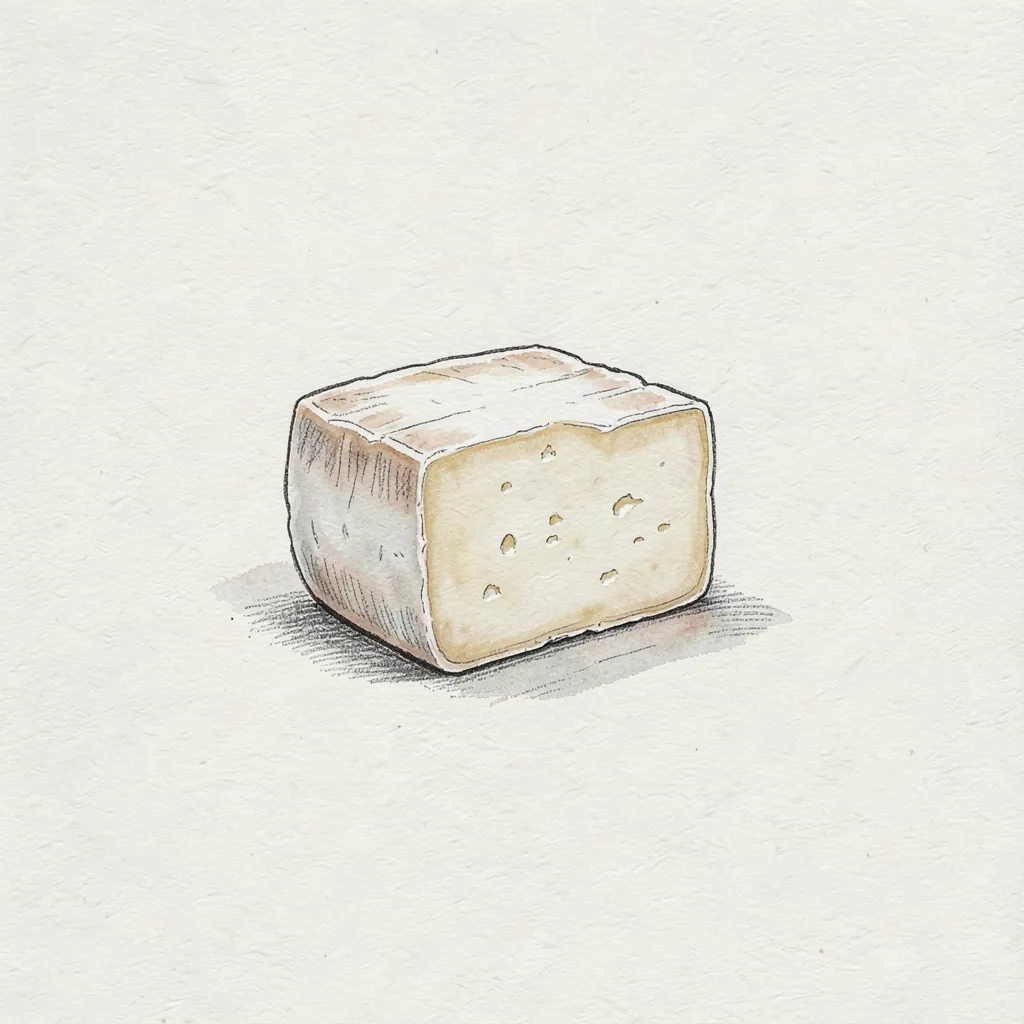
It is formed in a rectangular loaf, and the pale paste has a scattering of small round holes. A smear of ripening bacteria is encouraged on the rind, which gives a mild aroma even when the taste stays gentle. Some loaves also contain caraway seeds. Young Danbo is an everyday sandwich cheese, and an older loaf is stronger and more savory.
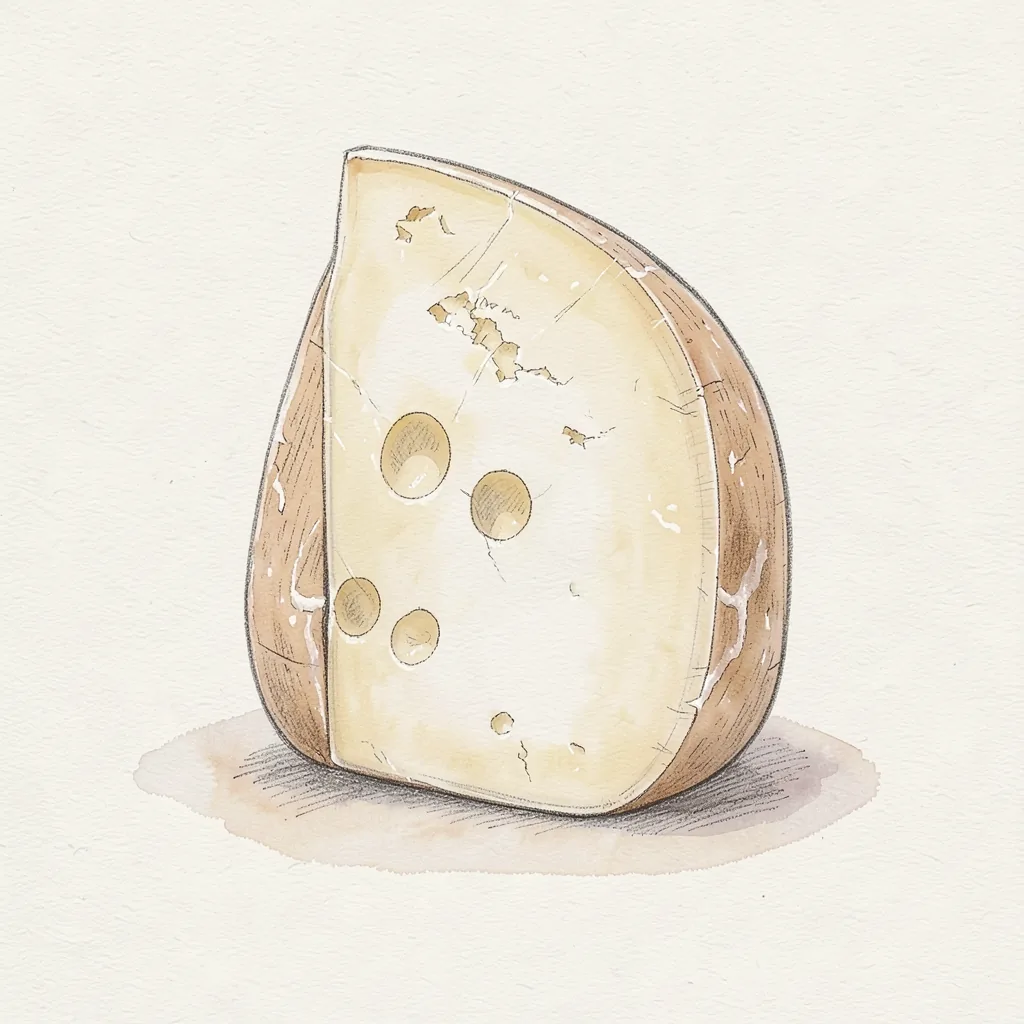
The interior is ivory to light yellow, springy, and easy to slice. The flavor of a young loaf is buttery, a little acidic, and nutty rather than sharp. Caraway, when it is present, adds a warm savory note that Danes often want in a cheese for bread. The rind may be dry and smooth, and some retail pieces are given a coat of wax after ripening. It is a washed-rind cheese in the make, even if the shop piece looks tidy and mild.
History
Danbo took its name from Denmark and became one of the country's familiar cheeses. The rectangular shape and the small eyes made it easy to recognize on a breakfast table and in a packed lunch. Dairies on Funen and elsewhere in Denmark made loaves for local bread as well as for wider sale. A caraway version grew up beside the plain cheese and stayed traditional. The cheese was never a single farmhouse oddity, and creamery production is how most people meet it now.
Age became a way to split one cheese into several tastes. A short ripening gives the mild loaf many families buy for children and for open sandwiches. A long ripening deepens the smear aroma and makes the flavor sharp, and some of those older loaves carry their own trade names. Caraway seeds go into the curd for a traditional spiced variant that is sold beside the plain cheese. Both styles remain Danish sandwich cheeses first.
How it is made
Pasteurized cow's milk is cultured and set with rennet. The curd is cut, stirred, and drained, then pressed in rectangular molds so the loaf keeps straight sides. Small eyes form in the paste as it knits. If caraway is wanted, the seeds are mixed in before molding. Salt is added in the curd or by a brine bath, depending on the dairy, and the goal is a supple interior rather than a dry grating paste.
During ripening the loaves are washed or smeared so a surface culture can grow. That culture builds the mild smell people notice before they taste the cheese. A short keep leaves the loaf mild and elastic. A longer keep firms it a little and makes the flavor broader and sharper. Before packing, some makers wipe the surface and add a thin wax coat so the cheese holds moisture in the shop, and that wax is a finish rather than the source of the flavor.
Taste
Young Danbo tastes of sweet milk, butter, and a light tang, with a nutty echo. The paste is moist and springy, and the small holes make a slice look open without being crumbly. Salt is balanced, not fierce. The smear can give a gentle savory smell that is stronger than the taste. If caraway is in the loaf, it shows as a warm, slightly bitter seed note through the mild cheese.
Older Danbo keeps the same buttery base and adds a fuller, sharper edge. The aroma from the rind grows, and some people find a well aged loaf pungent even though the paste is still sliceable. It should smell clean and savory, not rotten. Caraway loaves taste spicier and a little drier in impression because the seeds interrupt the soft paste. A waxed piece may hide the rind smell until you cut it, so let a slice sit out briefly and both the mild sweetness and the tang come forward.
In the kitchen
In Denmark, Danbo is sliced for breakfast and for open sandwiches on rye or wheat bread. Raw onion, radish, cucumber, or a slice of cold meat are usual partners, and the mild cheese does not fight them. It also melts in a toasted sandwich, a cheese sauce, or a gratin. The caraway loaf is especially good with pork, cabbage, or a ham sandwich. Cut even slices, because the springy paste can tear if you saw at it with a dull knife.
Use young Danbo when you want a gentle melt and older Danbo when you want more smell and savor on a sandwich. It grates, but it is not a hard cheese for a long pile of shreds. Heat it gently so it softens without pouring off fat. A plain loaf can take the place of havarti in most family cooking. A caraway loaf should be saved for recipes where the seed taste is welcome, because it will mark a mild sauce.
Around the world
Danbo is a standard cheese in Denmark and easy to find there in mild, aged, and caraway forms. Abroad it shows up in shops that stock Scandinavian food, sometimes under a brand name rather than the word Danbo. Read the label for caraway if you need the plain taste. Havarti is the cheese many shops offer instead, and it is milder and usually has no smear character. Esrom is another Danish semi-soft cheese, but it is stronger and not a quiet substitute.
Fynbo comes from Funen as well, and buyers sometimes mix the two names. Fynbo is generally firmer and closer to a mild gouda style, while Danbo is springier and tied to the smear rind. For a sandwich, havarti or a young gouda will do if Danbo is missing. For the caraway note, a seeded havarti or a slice of Danish caraway cheese is closer than a plain mild block. Tell the difference by the holes, the rectangle, and the faint rind aroma before you cook.