Cow
What it is
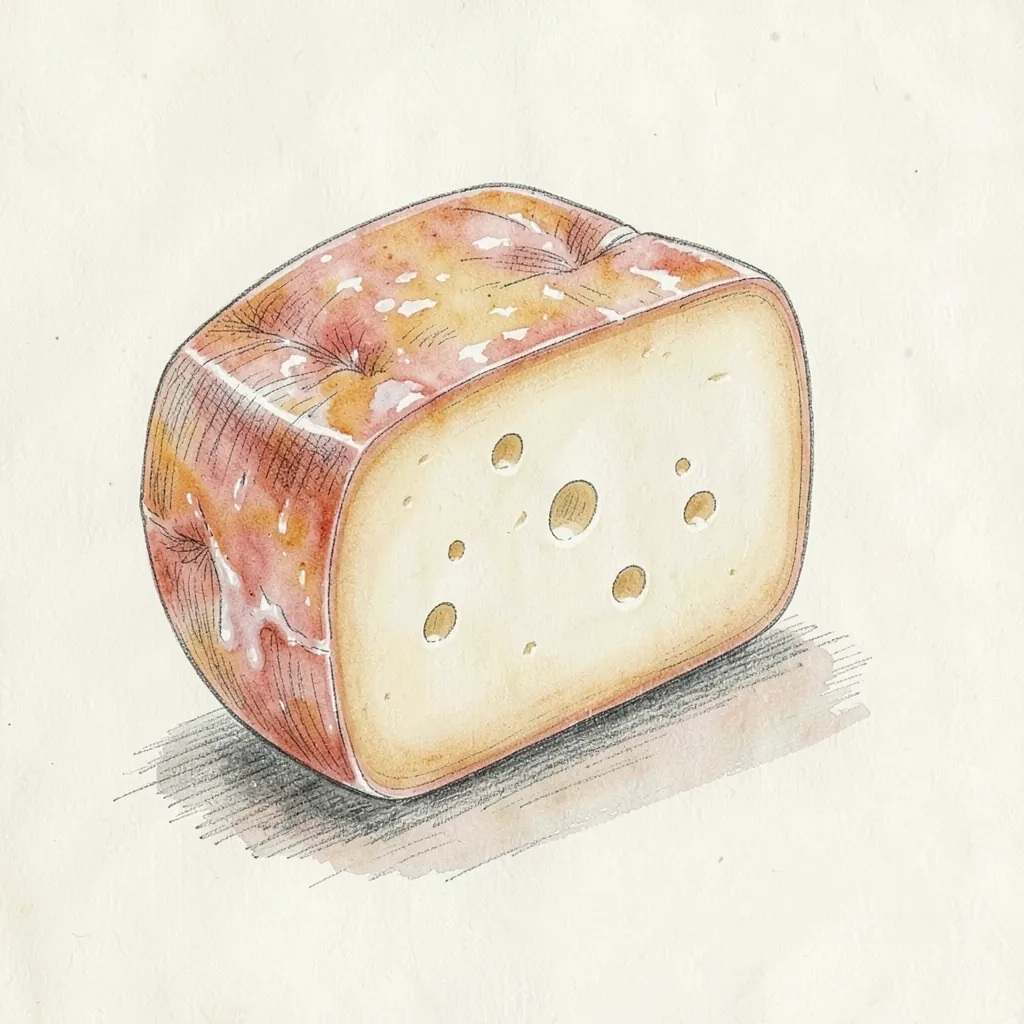
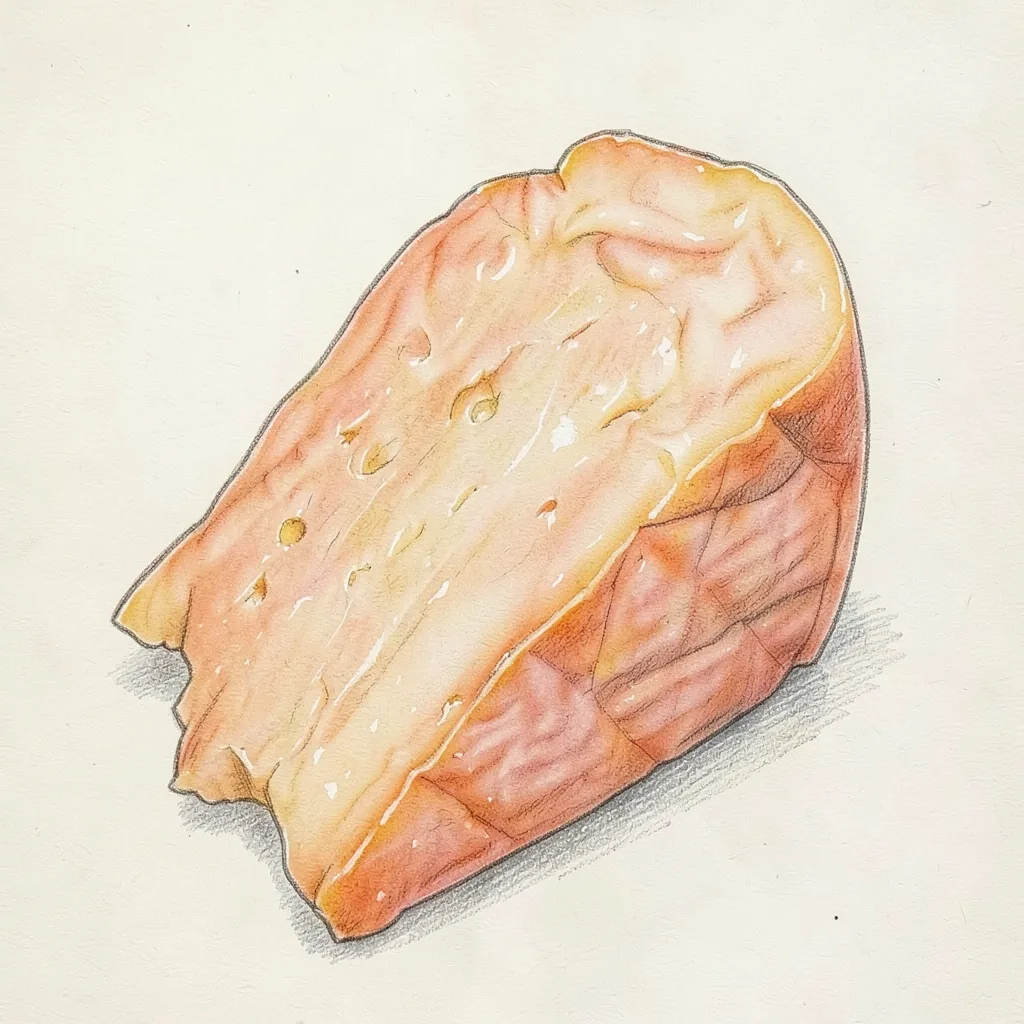
It is made from pasteurized milk and ripened with a washed rind. The paste is pale yellow, smooth, and creamy, with small slit holes. A reddish yellow coat forms after the surface is brushed with salted water and red cultures. The aroma is stronger than the taste, which runs from mild and tangy to a little sharp.
A smaller portion sold in a little wooden box is called Mondseer Schachtelkäse, which means Mondseer box cheese. The cheese in the box is the same style, only cut down for sale. Whole pieces are usually flat disks. Austrians eat it on bread, in salads, and in hot dishes that need a melting washed-rind cheese. It is a regular cheese in Austria, not a rare showpiece.
History
Stories about the first Mondseer do not all agree, so a single origin tale is best left aside. What is clear is that the cheese has a settled place in Austrian dairying. The name belongs to Austria, and the cheese is still made there from cow's milk. For a time the boxed form was a common way to sell a small piece. That package gave the cheese its longer market name.
Production is no longer limited to one dairy. Other Austrian plants make Mondseer, so a shopper may see more than one label. The shared points are pasteurized cow's milk, a washed rind, and a supple paste with small openings. It sits near Munster and Limburger in the broad family of smear-ripened cheeses. Those cousins explain the style, but they are not the same cheese.
How it is made
Makers start with pasteurized cow's milk, whole or partly skimmed, and set a curd. The curd is cut and drained so the cheese will be supple rather than hard. It is shaped into a flat round and salted. During ripening, workers brush the surface by hand with salt water that carries red smear cultures. That wash builds the yellow-orange rind and the savory smell.
The cheese is ready while it is still moist and sliceable, and it does not dry into a grating wheel. Small irregular holes, more like slits than round eyes, stay in the paste. The rind is a thin washed coat, not a bloomy white mould and not a wax shell. After ripening, some cheese is packed whole and some is portioned into wooden boxes. The box is packaging, not a different recipe.
Taste
Mondseer smells more forceful than it tastes at the first bite. The aroma is milky, slightly sour, and cellar-like, with the savory note typical of a washed rind. On the tongue it is sweet and sour, lightly acidic, and buttery. A longer-kept piece turns a bit sharper and more pungent. The paste itself stays smooth, and the salt is noticeable without being harsh.
The rind carries most of the smell, so taste the pale interior first if you want a milder bite. There is no blue vein and no goat tang, because this is a cow's milk cheese. A cold piece hides the aroma, so let it warm before you judge it. The flavor should be savory and tangy. A soapy or bitter note means the piece is past its best.
In the kitchen
Slice Mondseer for bread, boiled potatoes, or a simple cheese board. It melts in a gratin, on toast, or through a pan of vegetables. The washed rind can stay on if you like the aroma, or you can trim it for a milder dish. It also works in a cheese salad, where the creamy paste contrasts with crisp leaves. Use a moderate heat so the cheese softens instead of separating into oil.
Pair it with rye bread, onion, or a sharp pickle that can stand up to the rind. A light beer or a dry white wine is a common table match in Austria. It is not a cheese to grate over pasta in a dry snow of shreds. Cubes or slices keep the texture you paid for. Wrap leftovers well, because the smear smell will move to other food.
Around the world
Mondseer is well known in Austria and less known in ordinary supermarkets elsewhere. Importers and European cheese counters sometimes stock it, often near other washed-rind cheeses. The wooden box is a useful clue when the portion is small. Read the label for cow's milk and a washed rind. A generic Austrian slice with holes is not automatically this cheese.
Limburger and Munster are the practical substitutes when a shop has no Mondseer. Both are washed-rind cow's milk cheeses with a savory smell and a supple paste. Limburger is often stronger. Munster can be closer in richness, though a French wheel and an Austrian disk are still different cheeses. A mild washed-rind cheese will cook in a similar way, but it will not carry this name.