Mixed milk
What it is
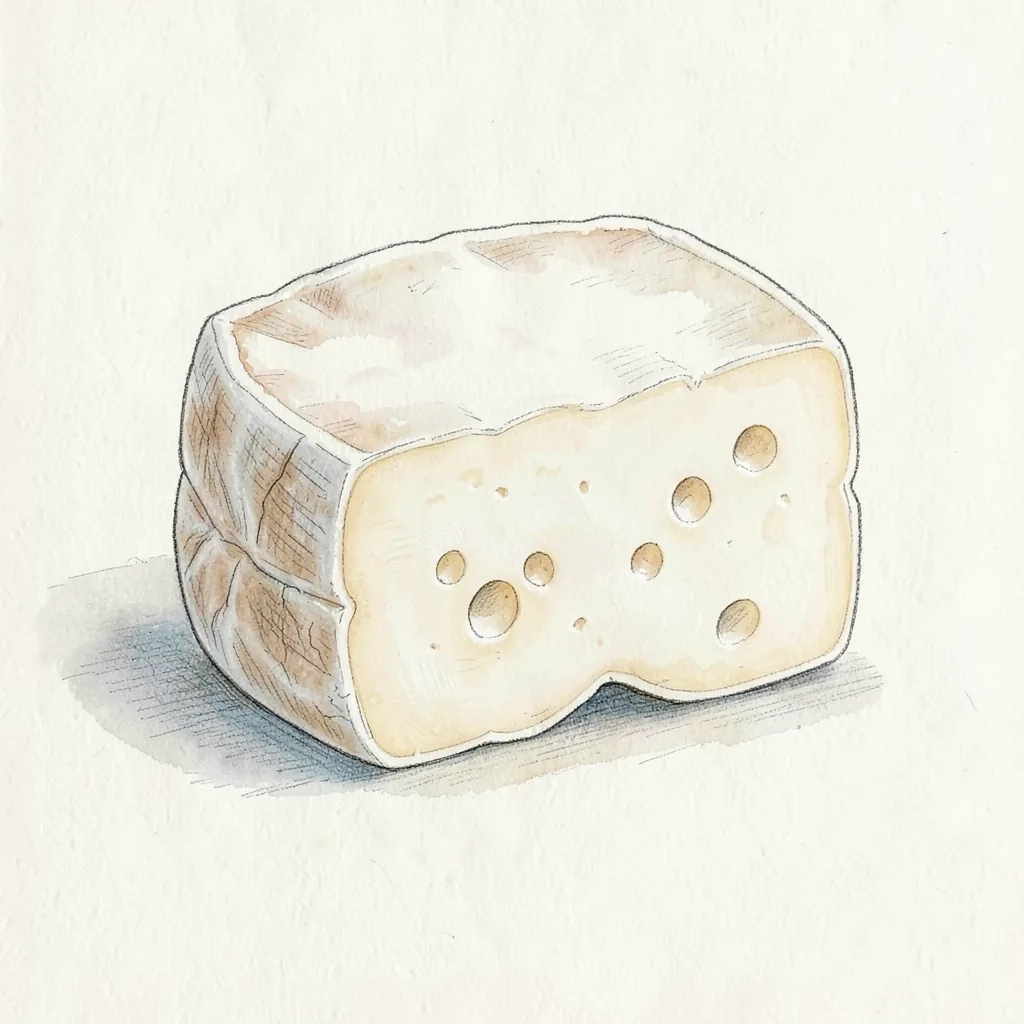
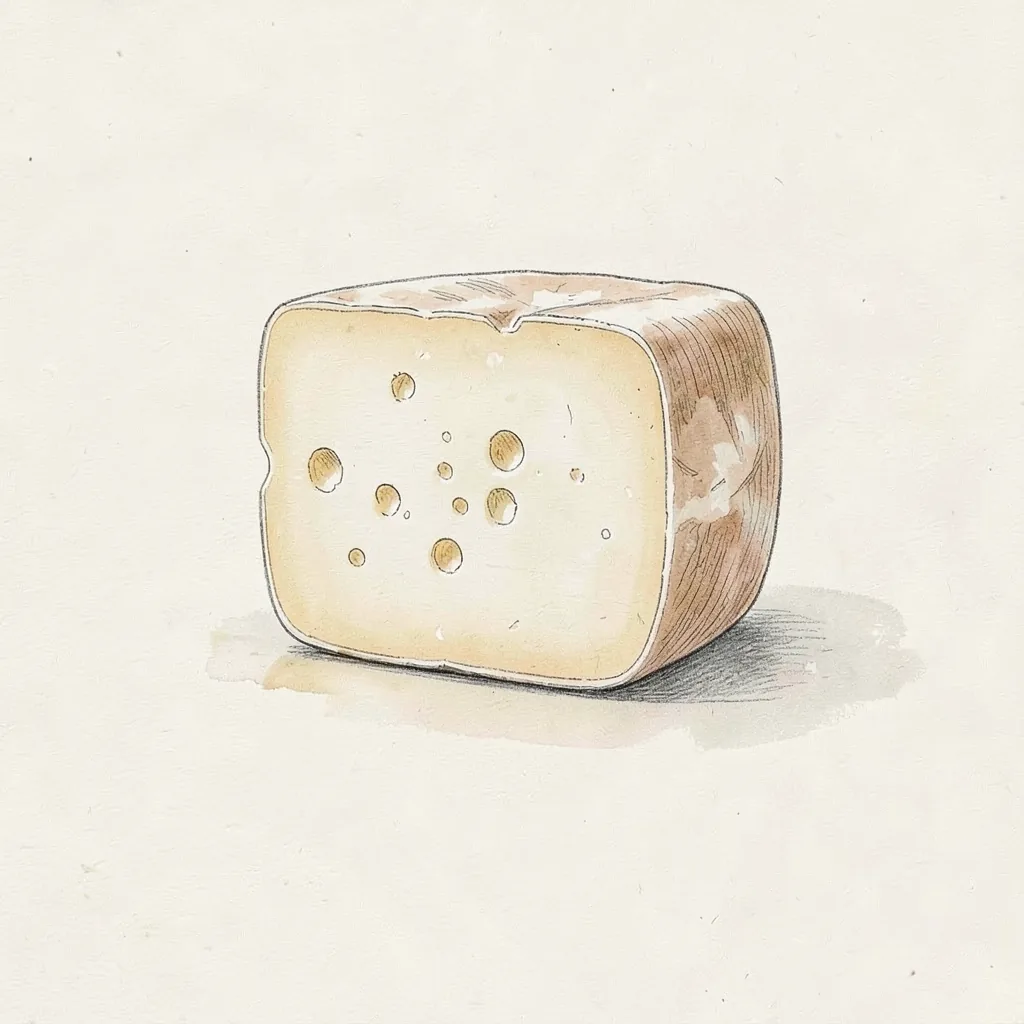
Makers use sheep's milk, goat's milk, or a mixture of the two, and they often mix herbs into the curd. The paste is white, rich, and crumbly, with no rind to cut away. Salt and wild herbs shape the smell, and the cheese is eaten in small pieces rather than in neat thin slices. It is a cheese that is salted and then packed away to mature.
People in those regions have long packed the curd into leather containers or clay pots. The result is stronger than a fresh farmer's cheese, and it can taste sharp and salty, with thyme or other mountain herbs in the aroma. It is still a table food, often with flatbread, greens, and garlic. It is not a blue cheese, even when the flavor is pungent. Shops in Armenia sell it, and it is a food you buy rather than a project to make at home.
History
Motal has a long place among herding communities in Syunik and Artsakh, where sheep and goats supplied everyday milk. The cheese was a way to keep that milk, and the pot or the leather sack was the store. Wild herbs from the hills went into the curd, which gave each batch a local smell. The method stayed with rural makers rather than with one factory recipe. It is a regional food of Armenia, and the regions named with it are part of its identity.
Similar herbed curds exist in neighboring food cultures, and stories about the cheese travel across the Caucasus. Here the home is Armenia, with Syunik and Artsakh as the regions. Families kept it for the table when fresh milk was scarce. The leather sack, called a tik, is the container many descriptions share, and clay pots appear in other accounts of the same tradition. Both versions are packed tightly and left to mature, and both stay crumbly and salty.
How it is made
Makers curdle sheep's milk, goat's milk, or a mix of the two, then drain the curd and break it up. The pieces are salted, and in the brined path they rest in brine before the next step. The curd is crumbled by hand and mixed with herbs such as wild thyme. It is packed tightly into a leather container or a clay pot so little air remains. The cheese then matures until the paste holds together but still breaks into crumbs.
Some batches use partly skimmed milk with extra curd, but whole milk from sheep or goats is the common base. There is no molded rind and no blue piercing. The container holds moisture and aroma while the cheese firms. When the pot or sack is opened, the paste comes out in moist crumbs rather than as a neat wheel. Salt helps keep it, and the herbs are mixed through the curd, not only sprinkled on the surface.
Taste
The taste is salty, sharp, and herbal, with a rich crumb that softens slightly on the tongue. Thyme is the herb most often named, though other hillside plants can appear. The smell is stronger than the look, because the paste is plain white. Brine gives a tang, and the aging gives a savory depth. It is not sweet or mild like a cheese eaten the day it is made, and a small piece on bread is the right amount.
Texture is soft and crumbly, not elastic, and not hard enough to grate into a fine powder. The fat makes the crumbs feel rich even when the edges look dry. If the herbs are generous, they lead the flavor, and the milk sits behind them. Sheep's milk gives a fuller taste, and goat's milk can add a brighter edge. A mix of the two is common, and the finish is salty and lingering, which is why bread and fresh greens are the usual partners.
In the kitchen
Serve Motal in crumbs or thick pieces with lavash or another flatbread, and add basil, green onion, or garlic for a familiar plate. It can top a salad where a salty cheese is welcome, but use less than you would of a mild cheese. Heat is not the main path, because the cheese is already intense and can turn oily if you fry it. Crumble it over warm vegetables at the last moment. It is a board and salad cheese more than a melting cheese.
A small amount seasons a stuffing or a grain dish, because the herbs in the cheese already carry flavor. Do not expect it to stretch or to form a smooth sauce. If a recipe needs a mild melt, choose another cheese and keep Motal for the table. Store it covered and cold so the surface does not dry into harsh crumbs. Bring it out a short time before eating so the aroma opens, and pair it with something fresh and crisp.
Around the world
Outside Armenia, Motal is a specialty, and many shops will not have it. Cooks who know cheeses of the Caucasus may meet a similar herbed curd aged in a skin or a pot. Those cousins are not the same cheese, even when the method looks alike. When you do find Motal, the label should point to sheep's milk, goat's milk, or both, and often to herbs. It is a food to eat in small amounts with bread, not a block you keep for grating through the week.
Bryndza is a crumbly sheep's milk cheese that can stand in when you need salt and a soft break on bread. Tulum is another salted cheese traditionally packed in a skin, and it gives a sharp savory bite in a similar role. Neither carries the same Armenian herb mix, so the plate will taste different. Feta is brined and cleaner, and it lacks the matured herbal crumb. If you want this cheese, look for Motal from Syunik or Artsakh rather than a generic white block.