What it is
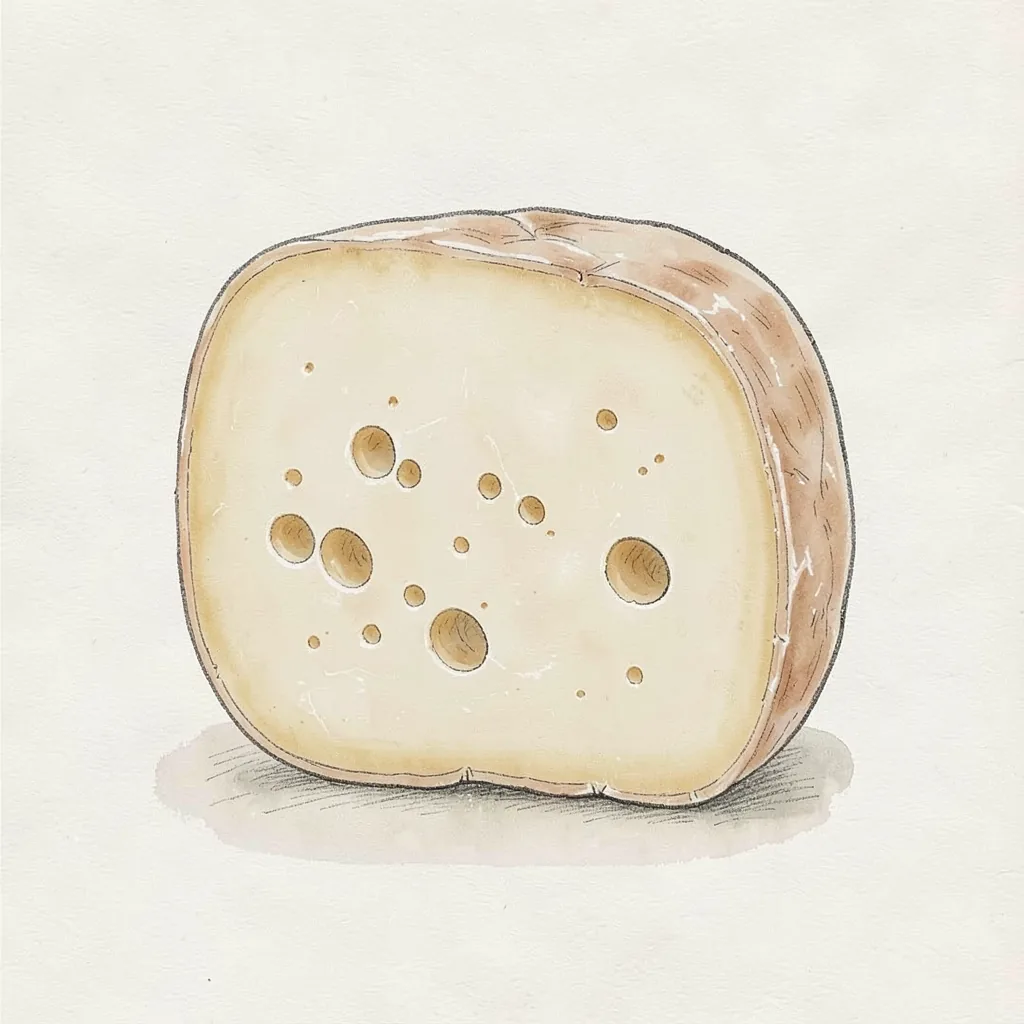
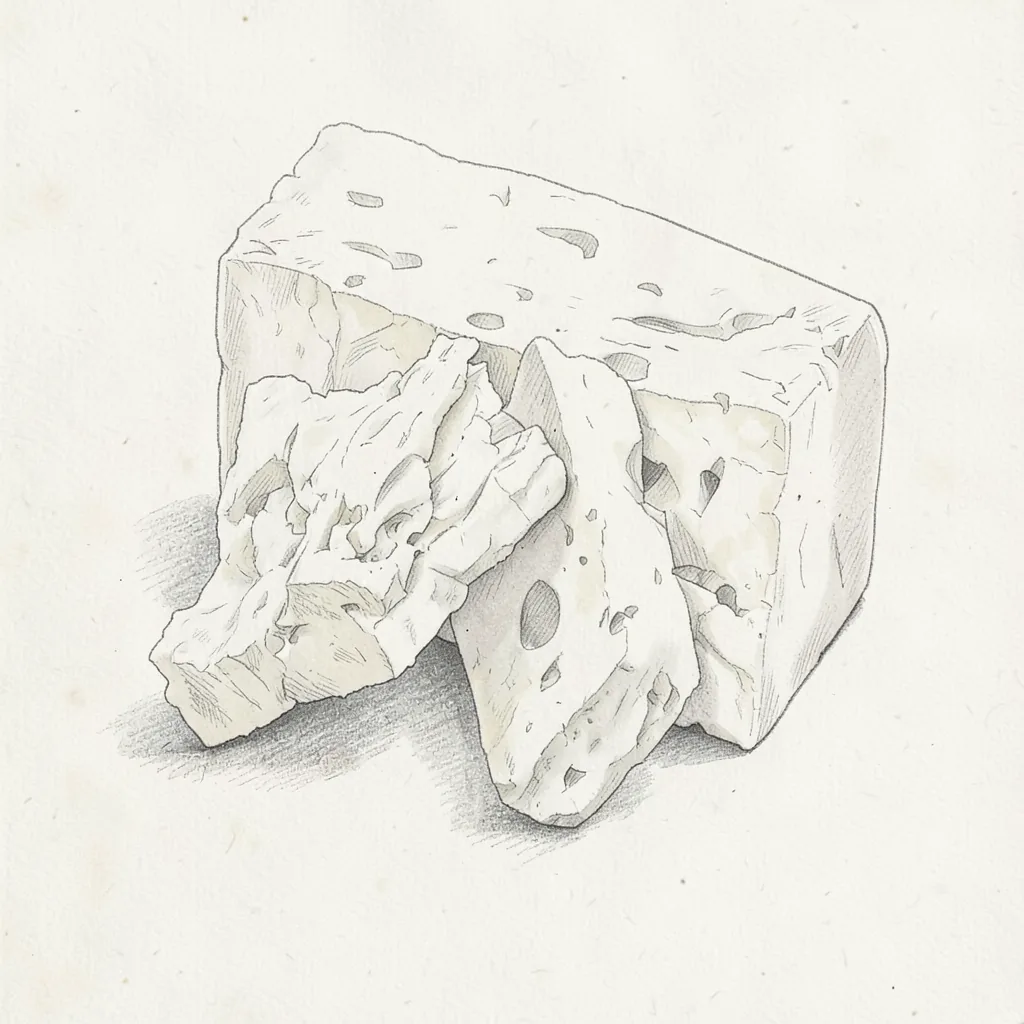
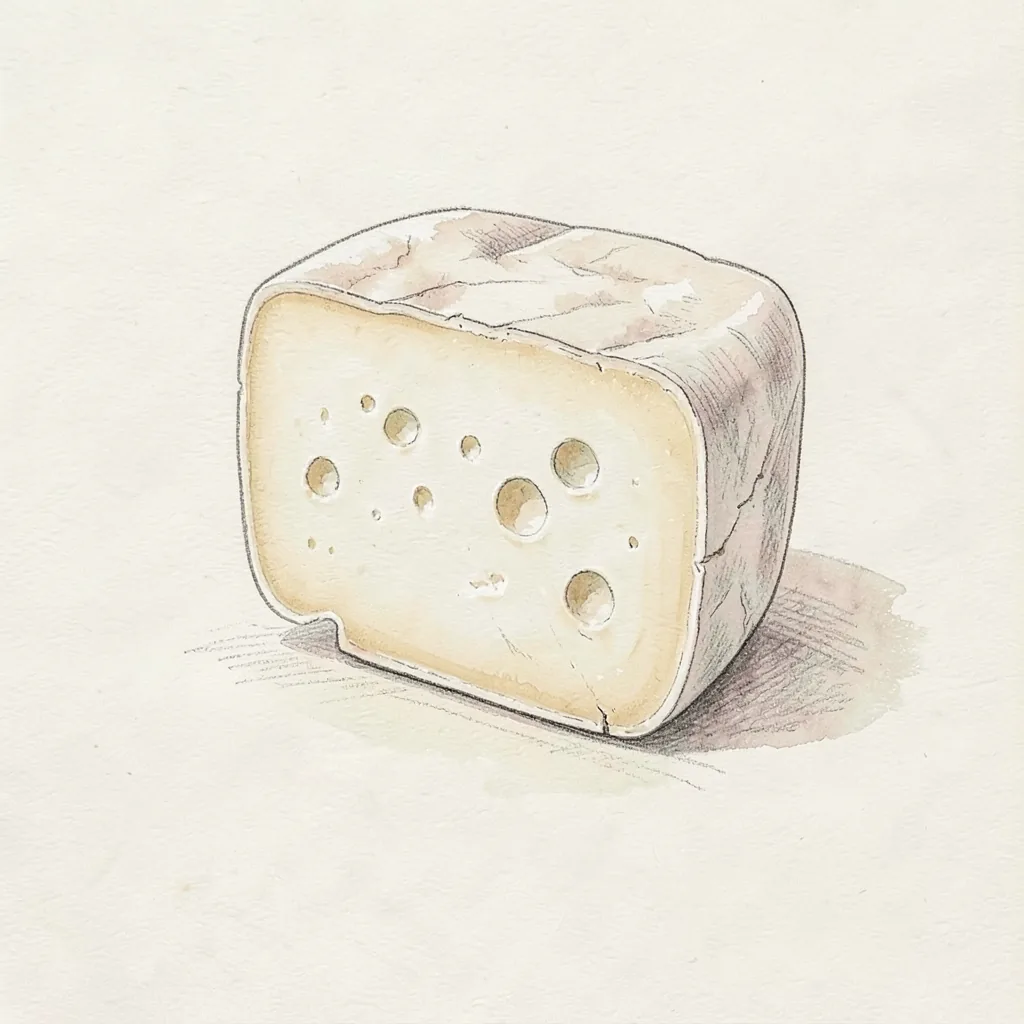
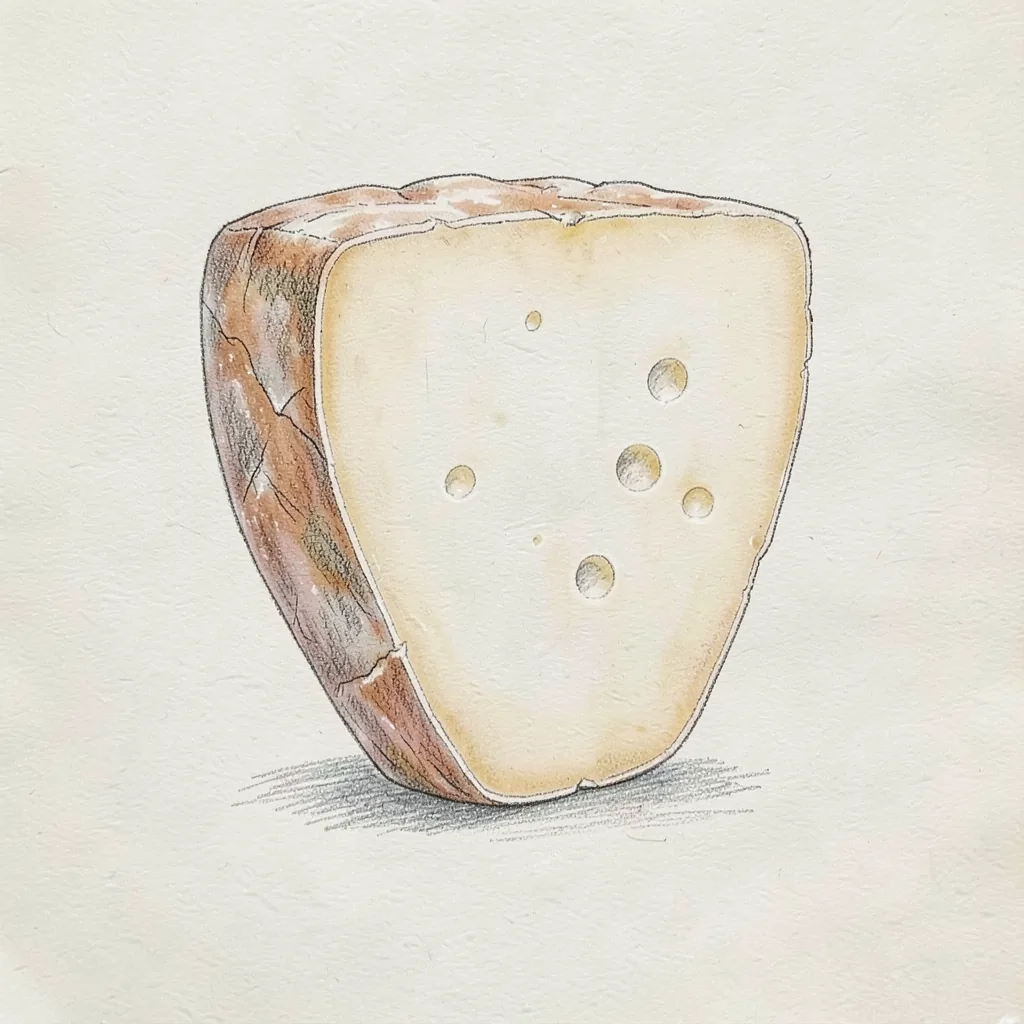
Makers pack the curd into a tulum, a cleaned animal skin, or into a tin that copies that old container. The cheese is salty, crumbly, and sharp after it rests. It is a pantry cheese in many Turkish kitchens, not a soft fresh cheese. Buyers usually find it as a white or cream-colored block with a dry break.
The name comes from the skin bag, and that bag still shapes how people think about the cheese. A piece from Erzincan tastes different from a piece packed in İzmir, Tunceli, or Aydın. Some batches are drier and more granular. Others stay a little moister and milder. The shared points are salt, a firm crumble, and a flavor that grows stronger with time.
History
Herders in Turkey stored cheese in animal skins long before shops sold it in plastic or tins. The skin kept air out, and the salt kept the curd safe on the move. Over time the method became a named style, Tulum, tied to Erzincan, İzmir, Tunceli, and Aydın. Each district kept its own habits for the season, the salt, and how long the bag rested. The cheese stayed a rural food that later moved into city markets.
Written recipes are scarce, and most knowledge passed from maker to maker. The skin bag was practical in high pastures where wooden shelves were few. When dairies grew, some switched the same curd into metal tins, especially around İzmir. The tin is easier to ship, and it still carries the Tulum name. Shoppers now see both the older skin-aged cheese and the tinned kind side by side.
How it is made
Makers warm the milk, set a curd, and cut it so the whey can drain. They salt the pieces and press them until the paste is tight and only a little moist. The curd then goes into a cleaned animal skin, or into a tin that stands in for the skin. The container is closed and kept in a cool place. Resting time dries the paste and builds a sharp, salty taste.
Nothing about the method is fully uniform across Erzincan, İzmir, Tunceli, and Aydın. Some makers crumble the curd before salting, and others press a denser cake. Skin-aged cheese often picks up a faint animal-hide note, while tin-aged cheese stays cleaner and a bit milder. Both styles are ready when the paste breaks in dry crumbs instead of bending. The outside is not a thick rind, because it is only the face of the packed curd.
Taste
A young piece is salty and milky, with a clean tang. Longer aging makes it sharper, drier, and more savory. The crumble feels granular on the tongue, not creamy or elastic. Skin-aged batches can taste faintly of the hide, and that note is part of the style for many eaters. Tinned batches lean milder, with salt and a light bite in front.
Salt is the loudest flavor, and a sour edge sits just behind it. There is little butterfat richness compared with a soft washed cheese. The finish can be peppery without any added spice. Regional batches differ, so one wedge may taste grassy and another more cellar-like. If the piece smells sharply of ammonia, it has gone too far for most tables.
In the kitchen
Crumble Tulum over salads, eggs, or roasted vegetables when you want salt and a dry texture. It does not melt into a smooth pool, so it is a poor choice for a cheese sauce. Grate or crush a firm piece over warm dishes, where the heat softens the edges only a little. On a board it pairs with tomatoes, olives, and flatbread. A little goes far because the salt is strong.
Turkish cooks use it in börek fillings and in simple breakfast plates with bread and tea. It can stand in for a salty crumbly cheese in omelets. Soften a dry batch with a spoon of olive oil if the crumbs feel dusty. Do not expect it to stretch or brown like a melting cheese. Keep the piece wrapped, and use it within a short time after you open the pack, because the cut face dries fast.
Around the world
Outside Turkey, Tulum is still a specialty item, found in Turkish grocers and some cheese shops. Shoppers in Europe and North America usually meet the tinned kind first, because it travels more easily than a skin. The name can confuse people who expect a soft French cheese or a fresh white cheese. Reading the region on the label helps, since Erzincan, İzmir, Tunceli, and Aydın are not the same product. Ask for a taste if the shop keeps an open piece.
Cooks abroad treat it like other salty crumbly cheeses, grating it over greens or mixing it into pastry. It is not a standard supermarket block in most countries. Importers sometimes use a vague label that hides the regional style. Look for the word Tulum and for the district if you want a specific taste. A small piece is enough to learn the flavor before you buy a large tin.