Mixed milk
What it is
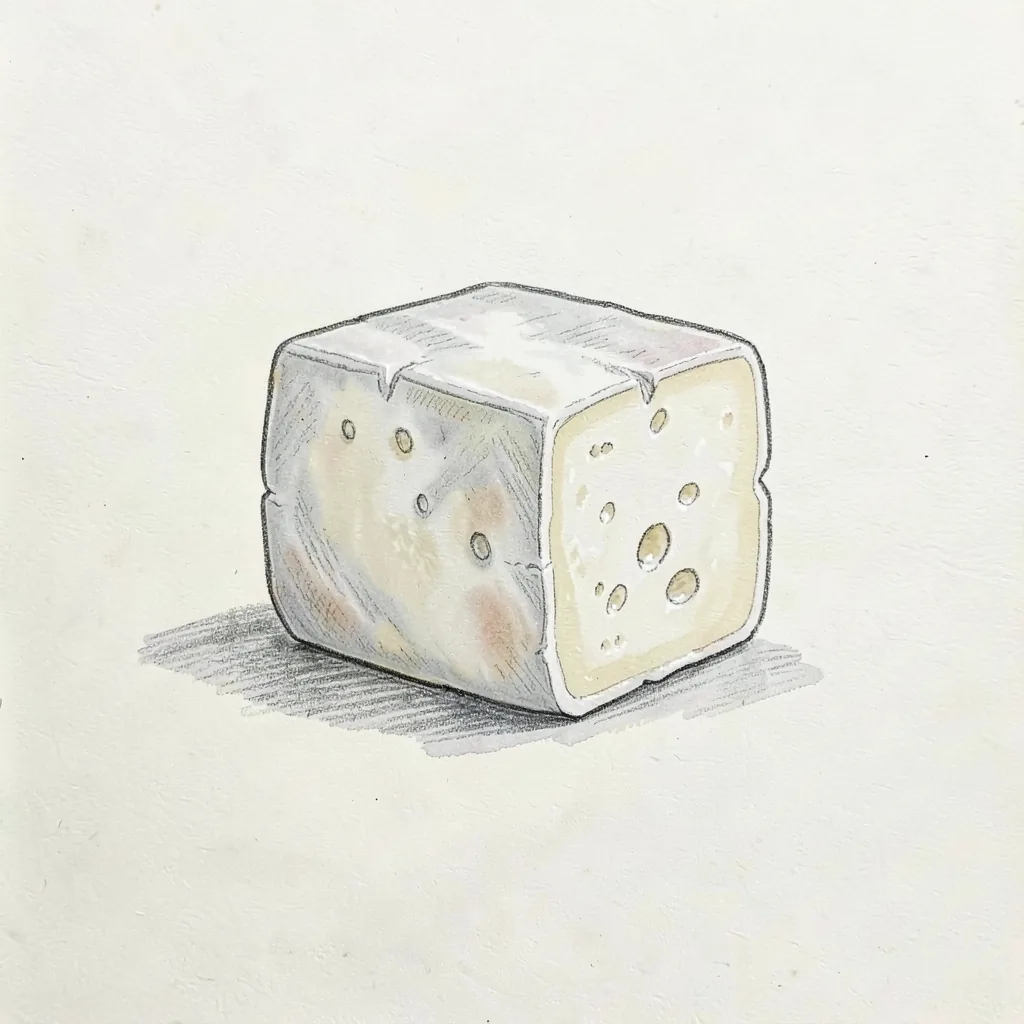
Makers boil the curd and season it with mahlab and mastic, which sets it apart from a plain salted white cheese. The block has no rind. It is stored in brine, so the first bite is salty. After a soak, the spice and the milk flavor come forward.
The cheese is semi-hard when cold and much softer when it is fried. That change is why cooks trust it in hot pastry and in a pan. Mahlab brings a warm cherry and almond note, and mastic adds a light piney resin note. Together they make the aroma more perfumed than a plain brine cheese from the same broad region. Nabulsi is a cooking cheese and a breakfast cheese, not a long aged grater.
History
The name comes from Nablus, a city long known in the Levant for this boiled white cheese. Households and dairies both made it as a way to keep sheep's milk and goat's milk in a form that could travel in brine. Mahlab and mastic went into the curd so the cheese had a scent of its own. The habit is older than plastic tubs and export labels. No single firm owns the name, and local makers still produce it beside larger dairies.
Palestinian cooks kept the cheese in everyday meals and in sweet pastry, and neighboring Levantine kitchens used the same style of block. It stayed a brine cheese, even as factories took over work that once happened in small dairy rooms. Spice level is not identical everywhere. Some pieces taste strongly of mastic, and some are quieter. The shared signs are a white paste, a boiled curd, and a salty bath.
How it is made
Sheep's milk, goat's milk, or a mixture is warmed and curdled, and the curd is cut and drained. The distinctive step is a boil. Heat firms the curd and helps it keep its shape later in a pan. Ground mahlab and mastic are mixed through so the scent is inside the paste, not only on the surface. The curd is then shaped into blocks or thick discs.
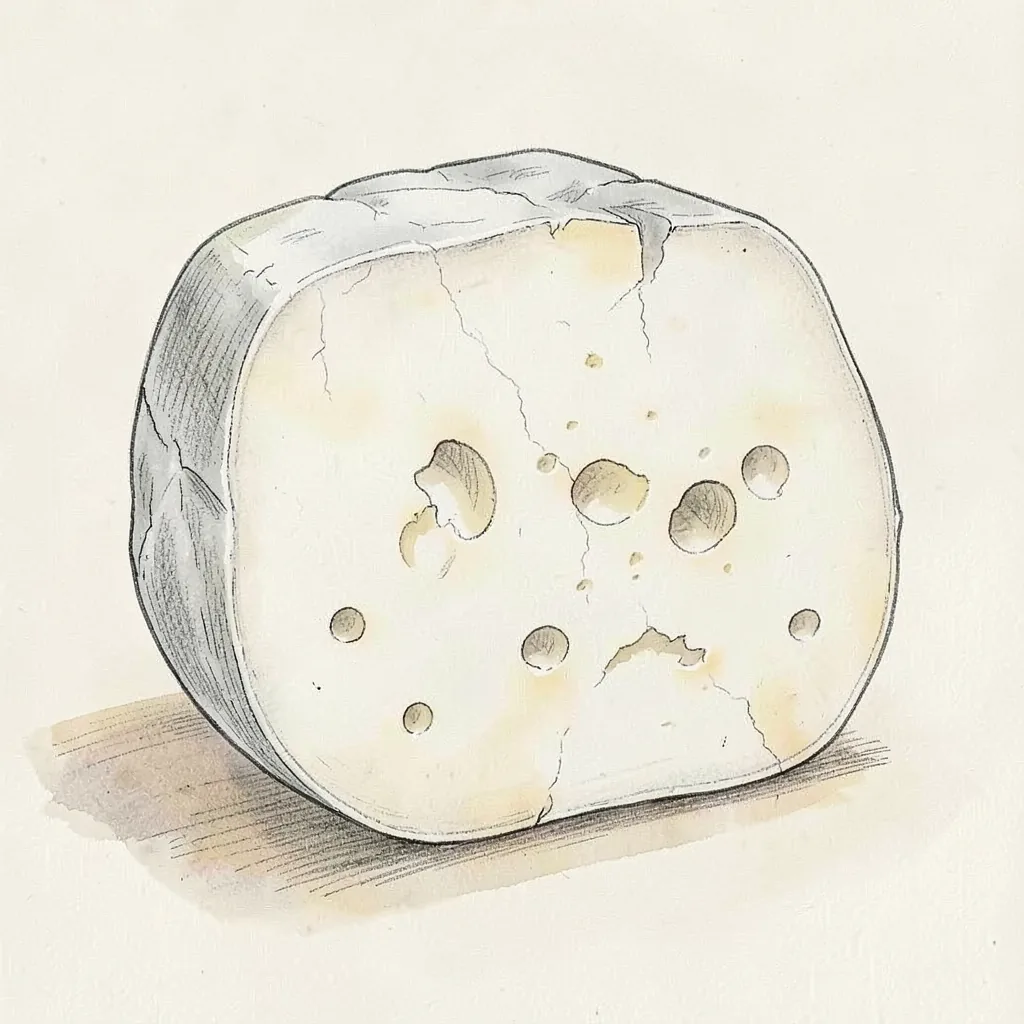
Salt and brine finish the cheese. Blocks go into salty water, which seasons them and keeps them white and moist. There is no bloomy rind and no wax. A piece sold in a tub should look smooth, with a tight paste and no cracks full of loose whey. Before cooking, many people soak the cheese so the brine does not overpower the mahlab, and that soak is a kitchen step, not part of the make.
Taste
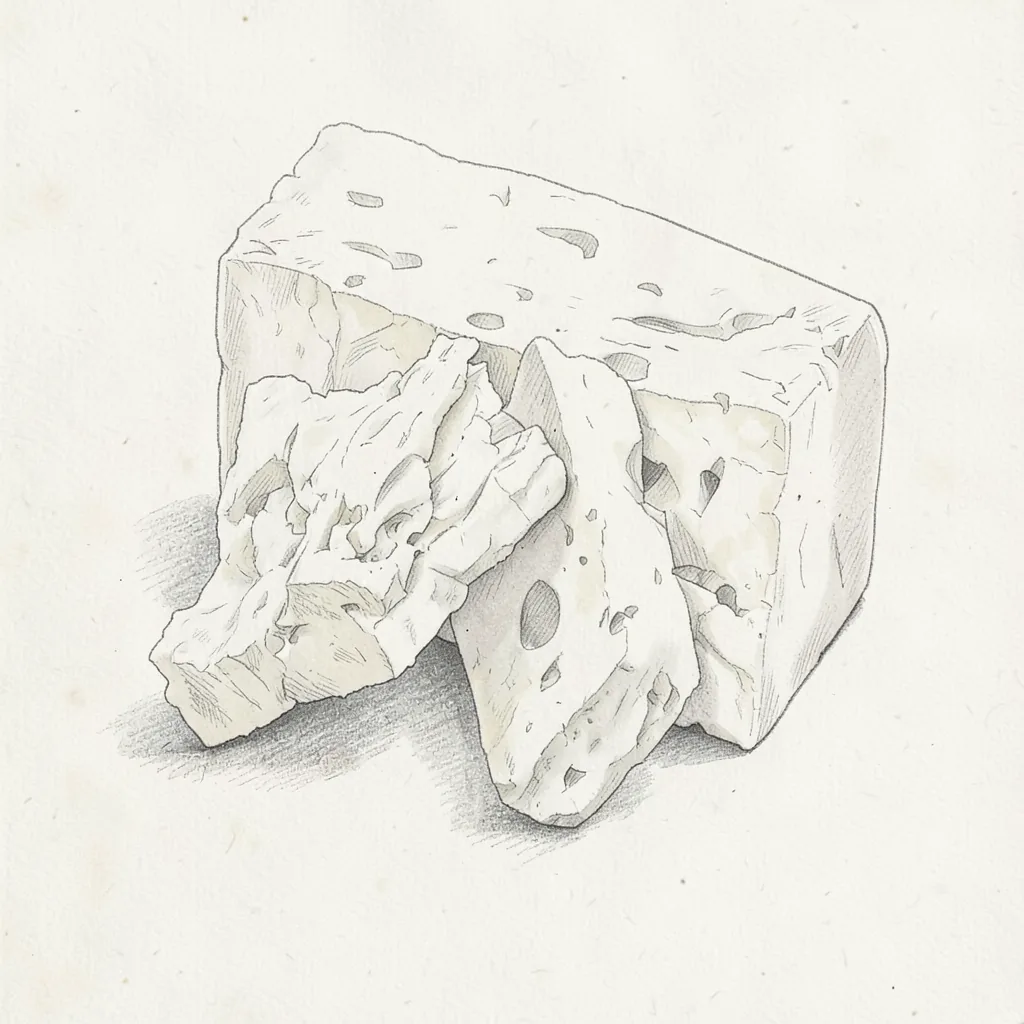
Cold Nabulsi is salty, dense, and aromatic. The milk taste is clean, and the sheep and goat character is gentle rather than sharp. Mahlab reads as a soft almond and cherry note, while mastic is resinous and slightly piney. Too much mastic can turn bitter, so a good piece stays perfumed, not harsh. The texture is firmer than a plain soaking cheese and less crumbly than a dry grating cheese.
Fry or bake the cheese and the texture changes more than the spice does. The outside can brown, and the center turns soft, stretchy, and rich. Salt evens out in a sweet dish because syrup and pastry dilute it. Eaten plain, a well soaked slice is mild enough for bread and fresh tomatoes. If the aroma is only harsh salt, with no mahlab and no mastic, you may be holding a different white cheese.
In the kitchen
The famous use is knafeh, where soaked Nabulsi is shredded or sliced and baked inside pastry, then finished with syrup. The cheese should stretch when the piece is broken open. Cooks also fry thick slices in a little oil or butter until the faces color and the middle softens. That fried slice is eaten with flatbread. It is a common breakfast and a common street food across the Levant.
Because the cheese is salty, do not add much more salt in the pan. A water soak, with the water changed, gives you control over the brine. Once it is mild enough, it can go into savory pies as well as sweets. It is not a salad crumble, and it is not a hard grater. Heat is what makes it interesting, so keep the pan moderate and do not scorch the mastic.
Around the world
Nabulsi cheese is a staple in Palestinian kitchens and across the Levant, and jars of it travel with grocers who serve those communities abroad. You will see it in brine, often in squares, next to other white cheeses. The label matters, because a plain white cheese will not bring mahlab and mastic to a recipe. In Nablus the cheese is part of local food identity. Elsewhere it is a specialty import rather than a standard dairy item.
Cooks far from the Levant usually meet the name through knafeh rather than through a plain cheese board. Restaurants may use Nabulsi, Akkawi, or a mix, depending on what the local dairy case holds. Akkawi is milder and less perfumed. Halloumi will grill, but it will not give the same soft stretch inside sweet pastry. If a shop has neither cheese, say so, because a salty crumbly brine cheese is not the same filling.