Cow
What it is
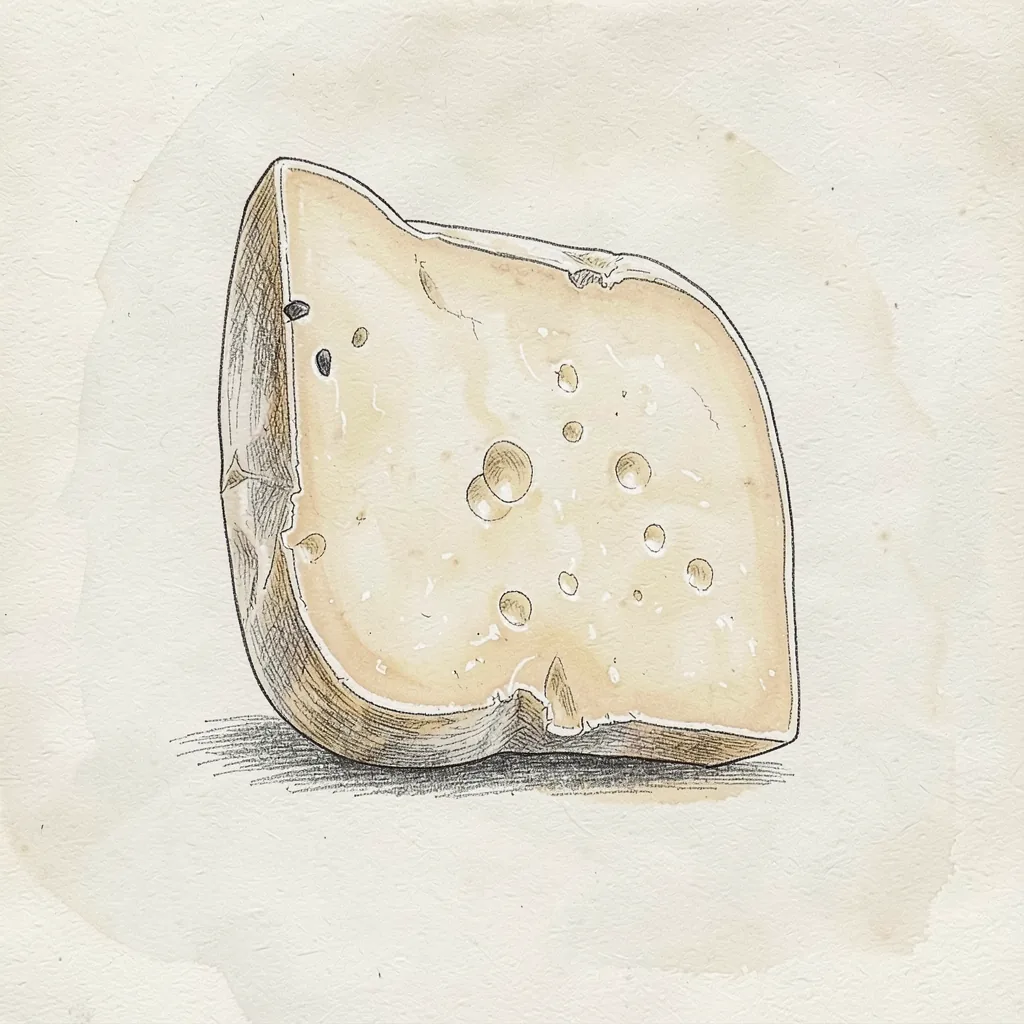
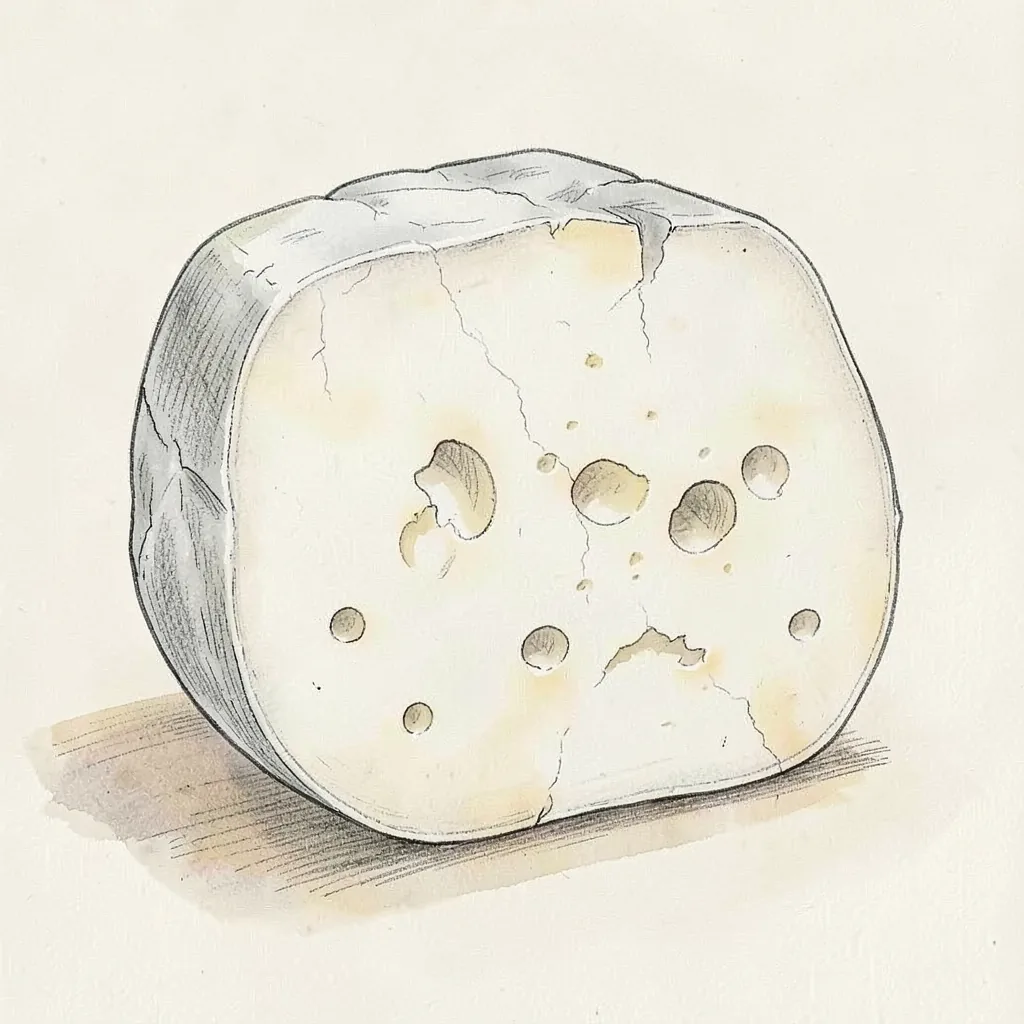
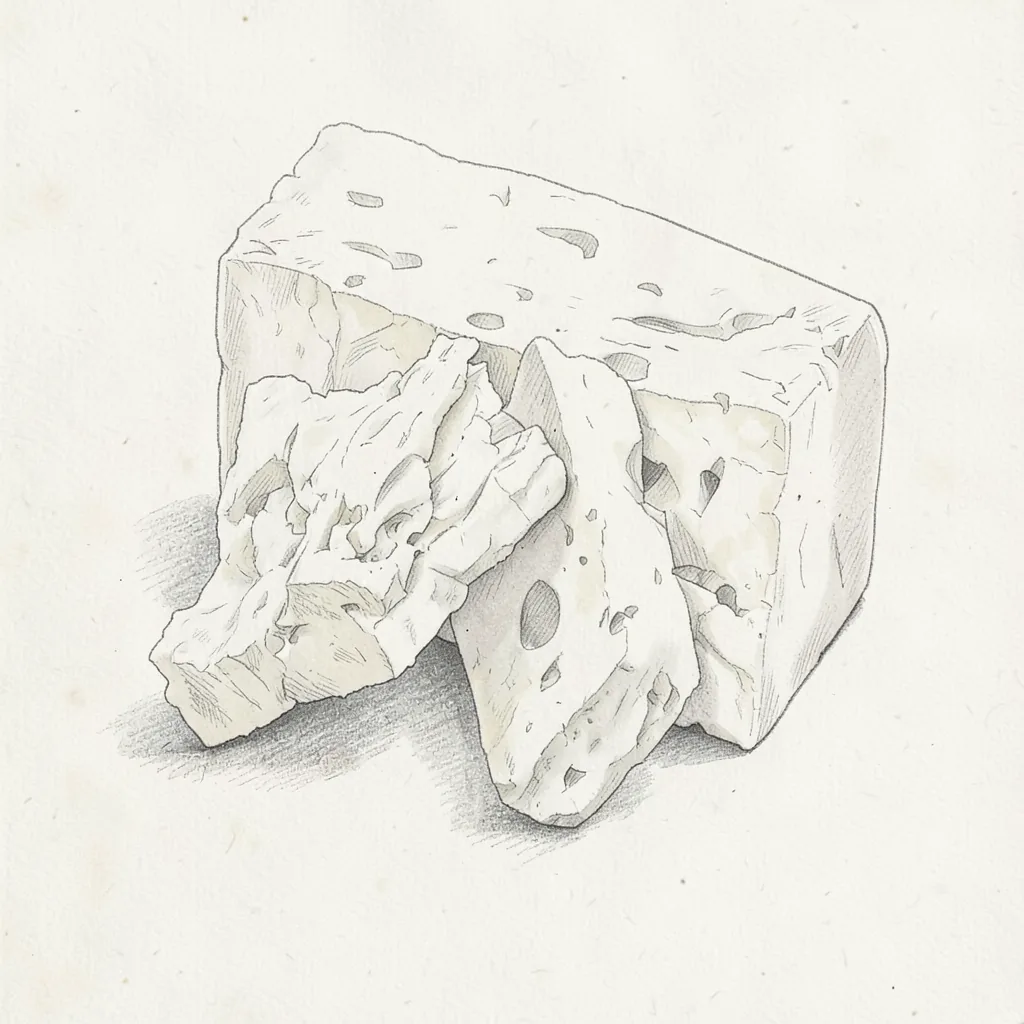
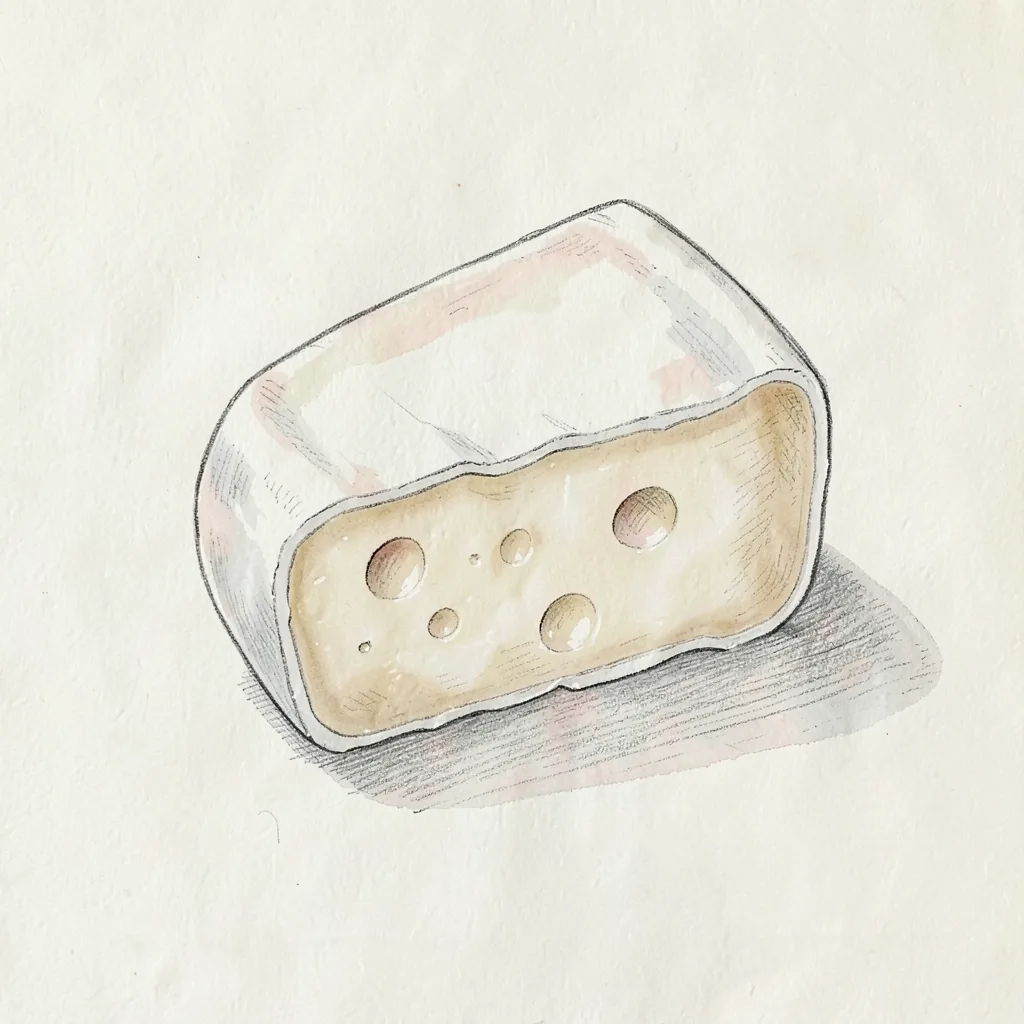
The block is pale, smooth, and semi-soft, and it has no rind. It sits in salty whey so it will keep, which makes the first taste quite salty. A soak in fresh water pulls some of that salt out before cooking or a meal. What remains is mild, milky, and a little elastic.
Cooks use it both as a table cheese and as a melting cheese. It softens and stretches when heated, which is why it goes into sweet pastry and savory pies. On a plate it is quieter than a sharp aged cheese, and it does not crumble like a very salty brine cheese. Slices can sit with bread, olives, and vegetables. A block that has not been soaked will taste much saltier than one that has.
History
The name Akkawi points back to a Levantine white cheese kept in brine, and Cyprus became one of the places where that style stayed in daily use. Makers there still salt the curd and store it in whey so households can keep it. The cheese was never a single brand. It is a category that dairies and small makers both produce. Shoppers meet it as a plain white block, not as a decorated wheel.
Trade around the eastern Mediterranean carried the same idea to many kitchens, so a block from Cyprus can look much like a block from a neighboring country. Salt level, moisture, and the exact shape still change by maker. Some pieces are a bit firmer, and some are springier. None of those differences creates a new name. The constant is a mild white cheese that lives in brine until someone is ready to cook or eat it.
How it is made
Milk is curdled, and the curd is cut so whey can drain. The curds are then gathered and pressed lightly into a solid block with a smooth face. Salt is worked in, or the block is held in brine, because salt is what lets the cheese keep. There is no wash, no white mold, and no long cave aging. The finished loaf stays pale from the outside through the center.
After the press, the cheese may rest in its brine until a dairy packs it for sale. That rest firms the block a little and seasons it all the way through. A very fresh piece can feel springy, while a piece kept longer in salt tastes sharper. Makers do not add a flavored rind or a wax coat. If you buy it, you usually get a plain rectangle or a thick slice from a larger loaf.
Taste
Straight from the brine, Akkawi is salty first and mild second. Under the salt there is a clean milk flavor, with a light tang and almost no bitterness. The paste is moist and supple, closer to a firm fresh cheese than to a crumbly one. It does not have the spice of a mold ripened cheese, and it does not have a rind flavor. A short soak makes the salt step back so the milky taste can show.
Texture is part of the pleasure, and a good piece bends a little before it breaks. In the mouth it feels smooth, not grainy, and it does not squeak the way some very fresh curds do. Heat changes the block. It softens, turns stretchy, and tastes a bit sweeter as the salt spreads through a dish. If a piece is harsh, chalky, or sour in a dirty way, it has been kept too long or stored badly.
In the kitchen
In Cypriot and Levantine cooking, Akkawi is a dessert cheese as well as a savory one. For knafeh, cooks soak it, shred or slice it, and tuck it into pastry with syrup. The cheese melts into soft strands instead of staying in salty cubes. The same melting habit suits pies and filled breads. On a savory table, slices go with cucumber, tomato, olive oil, and flatbread.
Because salt varies, taste a piece before you season the rest of a dish. A long soak in cold water, with the water changed, gives a milder result for pastry. A short soak is enough when you want the cheese to stay lively beside vegetables. It is a poor grater, since the paste is moist and the flavor is gentle. Grill heat can brown the outside, but the center will soften rather than hold a firm squeaky slice.
Around the world
Akkawi travels with Levantine grocers, and it is easy to find in Cyprus and in cities with a strong eastern Mediterranean food trade. Tubs and vacuum packs of brine keep the block wet on the shelf. Outside that trade, many shoppers have never seen the name, even if they know knafeh from a restaurant. A menu may simply say sweet cheese pastry. The cheese inside is often Akkawi, or a close brine cheese used the same way.
When a shop has no Akkawi, a mild white brine cheese is the practical stand-in, but it will not always melt the same way. Halloumi is the Cypriot cheese more people know, and it keeps its shape on a grill instead of stretching. Feta is saltier and more crumbly, so it suits a salad better than a stretchy pastry filling. Read the label, soak the block if the brine tastes heavy, and expect a quiet milk flavor.