Cow
What it is
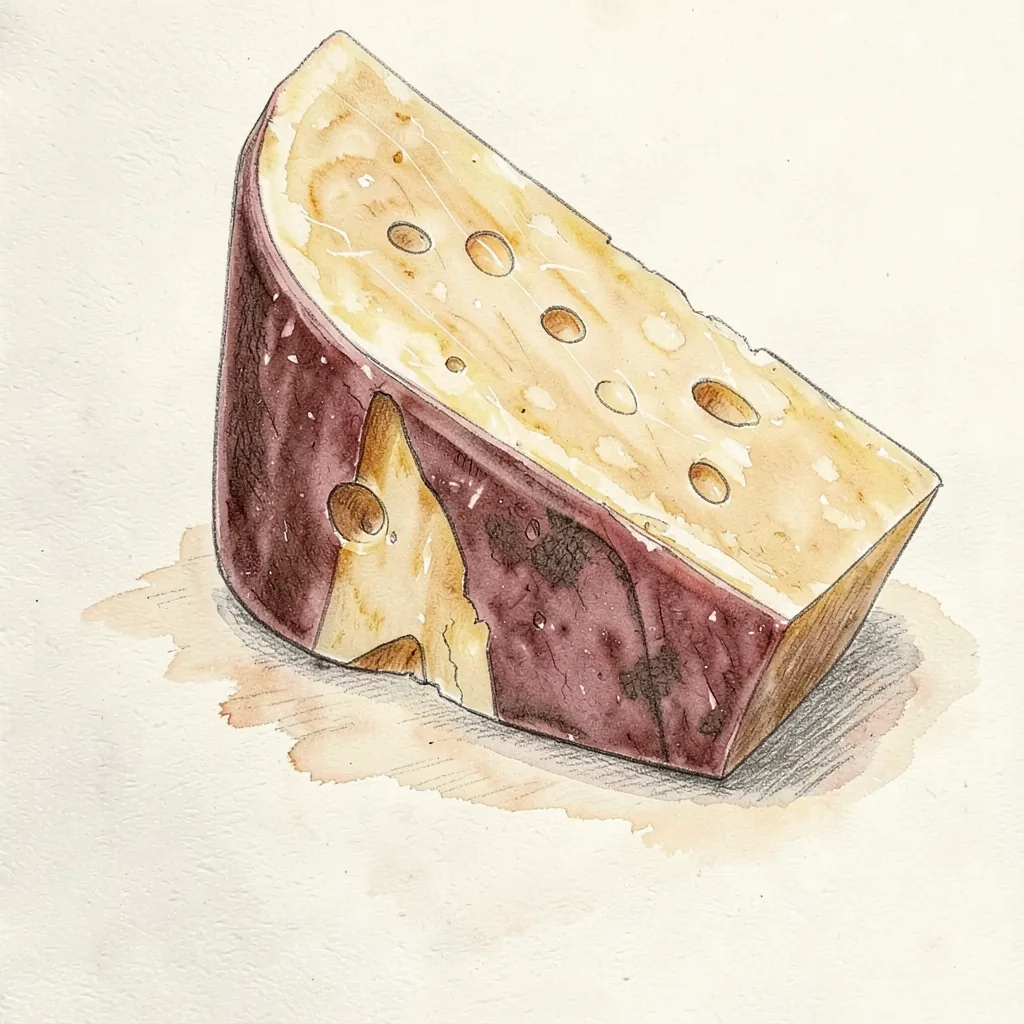
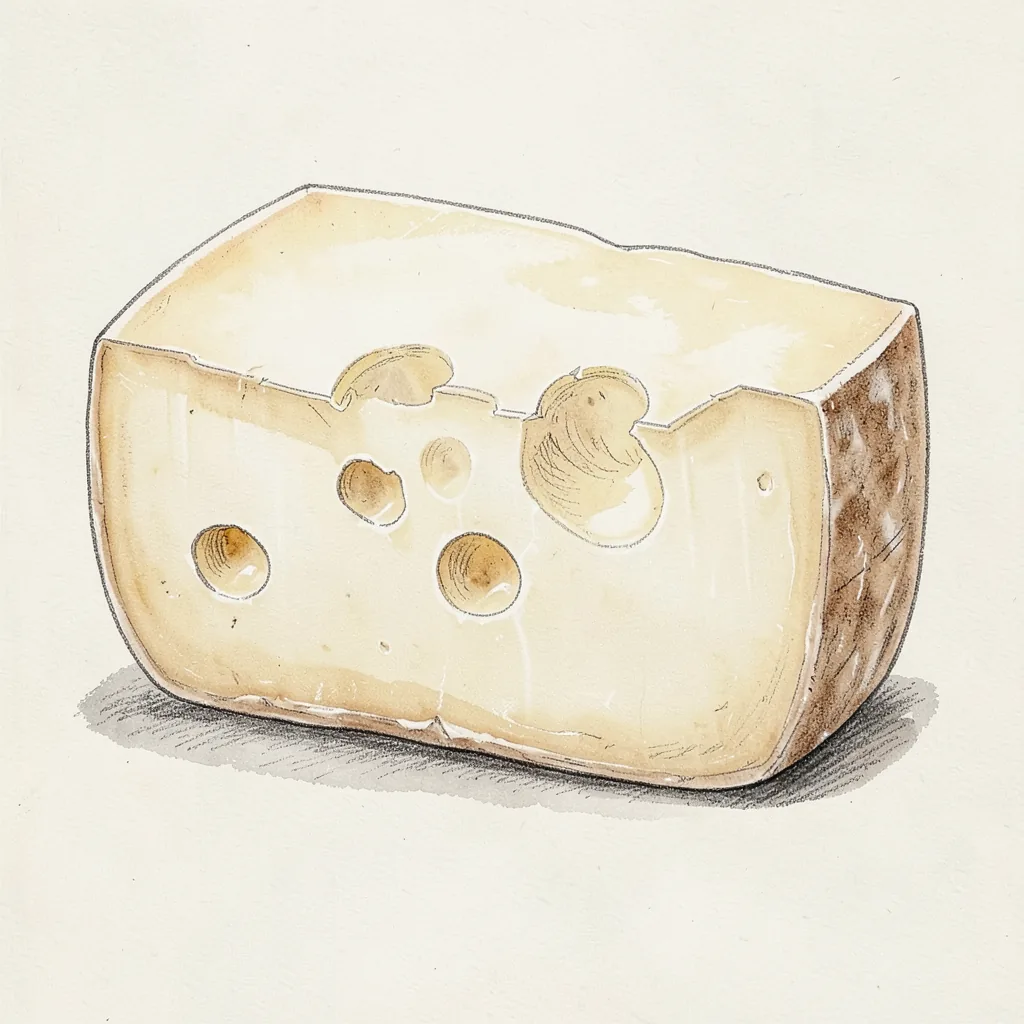
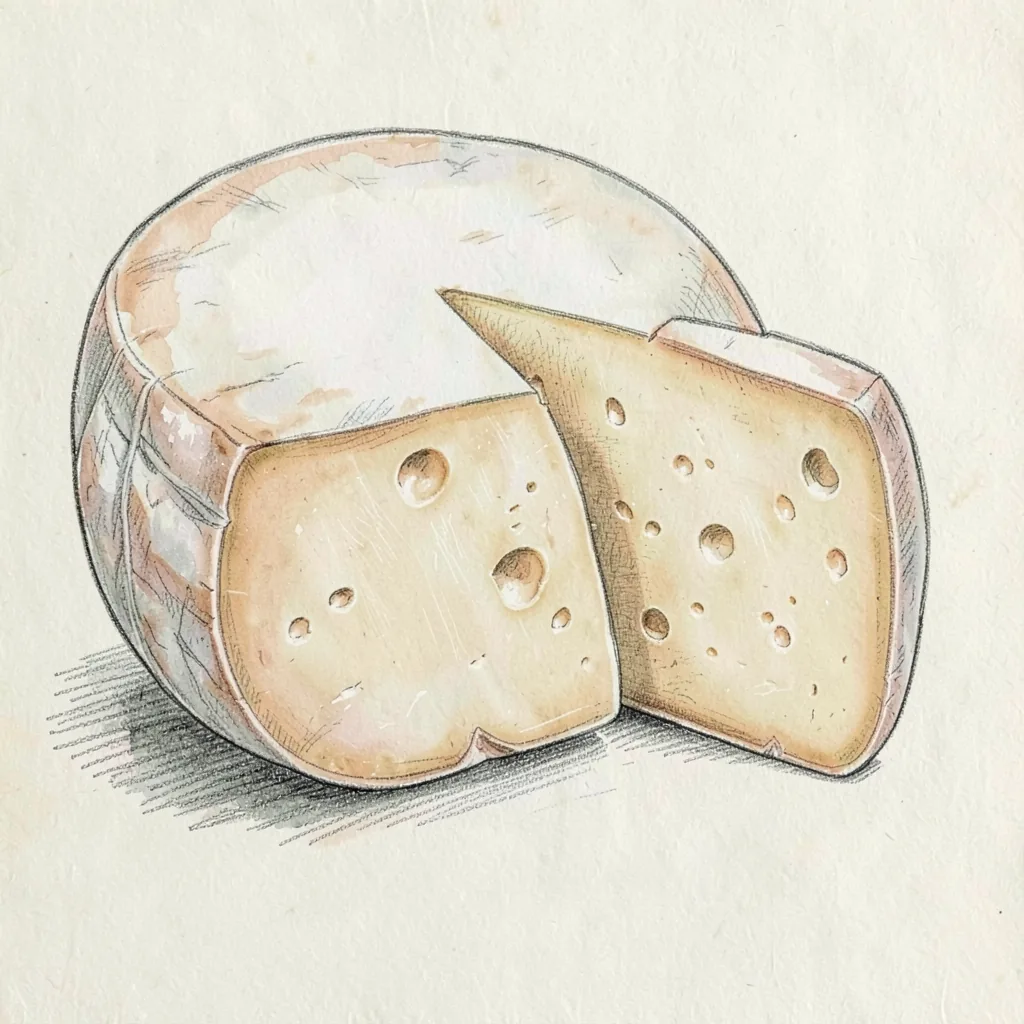
A dark brown coat covers a pale paste with large holes, and that coat is not meant to be eaten. The flavor is mild, nutty, and a little sweet, without a pungent rind smell. Wheels, blocks, bars, and slices are sold for the table. Belgians eat it on bread, grate it over hot food, and melt it in simple dishes.
The usual cheese is the full milk version, sometimes sold as Nazareth Classic. A lighter version keeps a similar mild nutty taste with less cream and a gentler salt level. Both are commercial dairy cheeses, made to taste steady from pack to pack. The holes are part of the look, so a slice appears open rather than dense. It is a Belgian cheese only, and the name does not mean a cheese from the city of Nazareth in the Levant.
History
The cheese takes its name from Nazareth in Belgium, the place it first came from. It was made as a mild cheese with holes, the kind households could slice and cook with every day. Production later moved into a larger dairy trade, and the name stayed on the packs. The dark coat remained the easy way to spot it. No single farm recipe has to explain the piece you buy now, because it is a steady commercial cheese still tied to that place name.
Over time the line grew to include a classic piece and a lighter piece, plus formats with the coat cut away for easy slicing. The taste goal stayed mild and nutty, with a slow age rather than a quick fresh curd. Cheese croquettes and melted sandwiches made the name familiar in Belgium beyond the cheese counter. It did not become a pungent washed rind or a blue. Shoppers who want a strong Belgian specialty need another name, because this one stays mild and full of holes.
How it is made
Pasteurized cow's milk is set with cultures and rennet. The curd is cut, stirred, and pressed into forms that can hold large holes as the cheese ages. Brine or dry salt seasons the paste, and a slow rest builds the mild nutty aroma. A food coloring helps turn the coat dark brown. Producers treat that coat as a cover, not as a part you eat, and the finished cheese is cut for wheels, blocks, bars, or slices.
The lighter cheese starts with milk that has had some of the cream removed, and it is salted more lightly than the classic piece. Bars without the coat are the same style of paste, packed for slicing. The cheese is not washed with a bacterial smear, not rubbed with ash, and not stretched. Holes, a smooth pale interior, and a mild aroma are the signs of a normal batch. Once it tastes nutty, it is ready to sell, and the finished cheese should be kept cold.
Taste
The taste is mild and subtle, with a nutty note and a soft buttery sweetness. It is savory enough for a sandwich and gentle enough for people who avoid strong cheeses. The paste feels smooth and slightly firm, and the holes make each slice look open. Salt is moderate on the classic cheese and lower on the light one. Cold slices taste quieter, and a piece at room temperature shows more nut and more cream.
There is no ammonia, no blue mold, and no spicy washed rind. A fruity note can show beside the nuts in some batches. The brown coat is not an edible rind, so do not judge the cheese by biting it. If the paste tastes bitter, the piece is not at its best, and a good slice smells clean and faintly nutty. The finish is medium and never harsh, which is why the cheese can melt into a dish without taking it over.
In the kitchen
Lay Nazareth on bread, cube it for a snack, or grate it over pasta, soup, and baked dishes. It melts smoothly, so it suits a grilled sandwich, a shared melted pot, or a cheese sauce. Belgian cooks also bread it and fry it as cheese croquettes. Trim the brown coat before you cook, since it is not for eating, and the bars sold without a coat save that step. Do not treat it as a dry dusting cheese only, because the paste is richer than that.
For a board, cut thick slices or sticks and let them warm a little. Mustard, apple, or a simple green salad sits well beside the mild nutty taste. In a hot dish, add the cheese late enough that it melts but does not turn oily. The lighter version works in the same recipes when you want less richness. Wrap leftovers and refrigerate them, and use the cut face before it dries out.
Around the world
Nazareth is easy to find in Belgium and only sometimes seen in export cases. The name confuses people who think of the city in Israel, but this cheese is Belgian cow's milk with holes. It will not taste like a brined white cheese from the Levant. In a foreign shop it may sit near other mild cheeses that also have holes. Look for the dark coat, or for the word Nazareth on a Belgian pack, and slices without the coat are still this cheese if the label says so.
Gouda is the everyday stand-in for slicing and melting, though it may lack the same large holes. Maasdam and Leerdammer bring holes and a mild nutty taste, and they can fill a sandwich or a sauce. Passendale is another Belgian cheese, and it should not be treated as the same piece even though both are mild. If a recipe asks for Nazareth, a mild semi-hard cheese will cook in its place. Trim the brown coat before cooking if the name on the pack must match.