Cow
What it is
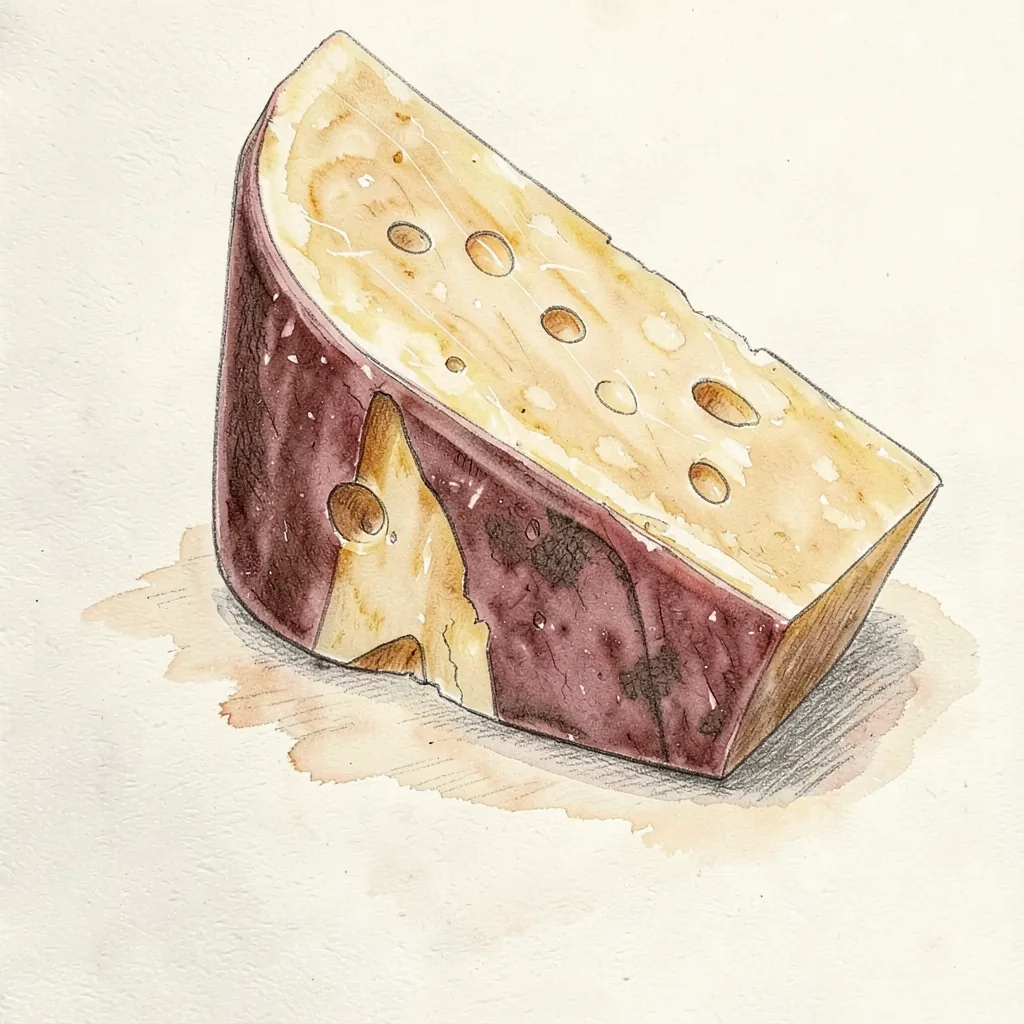
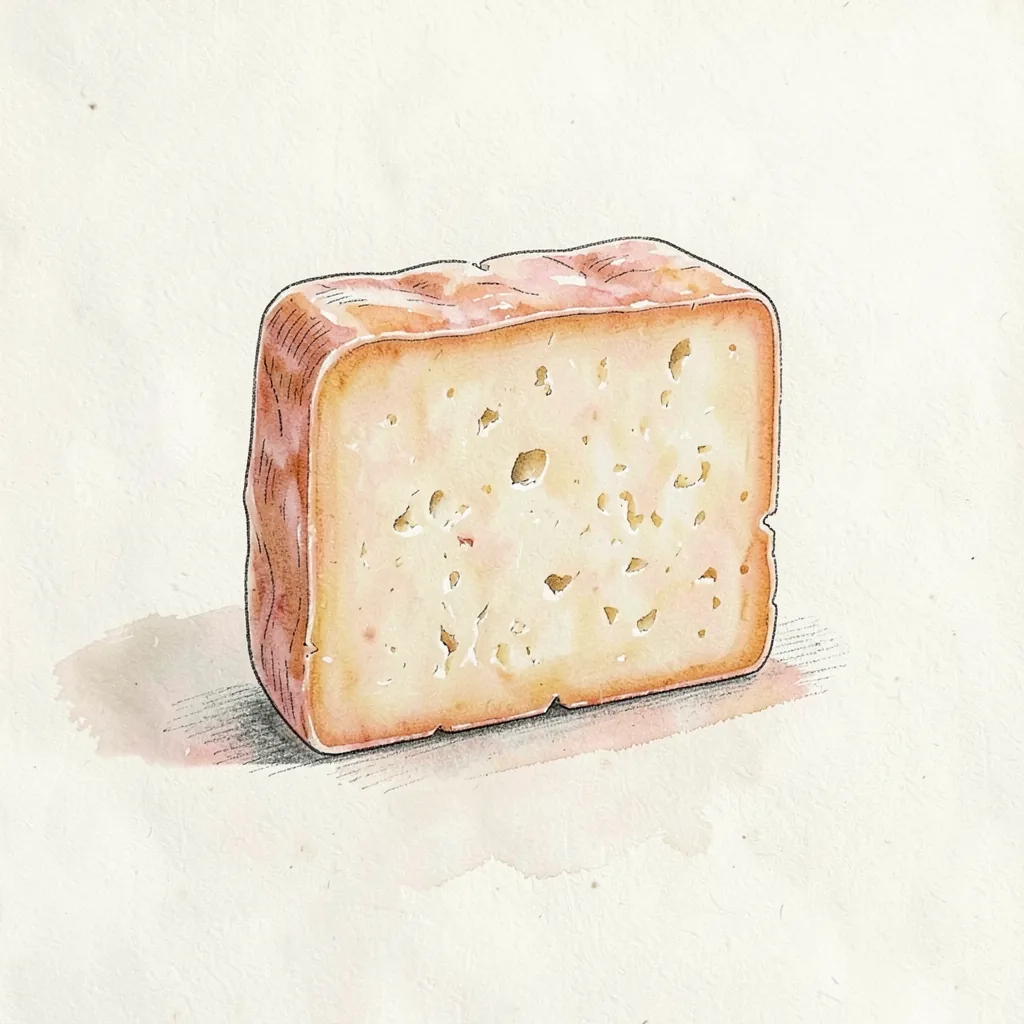
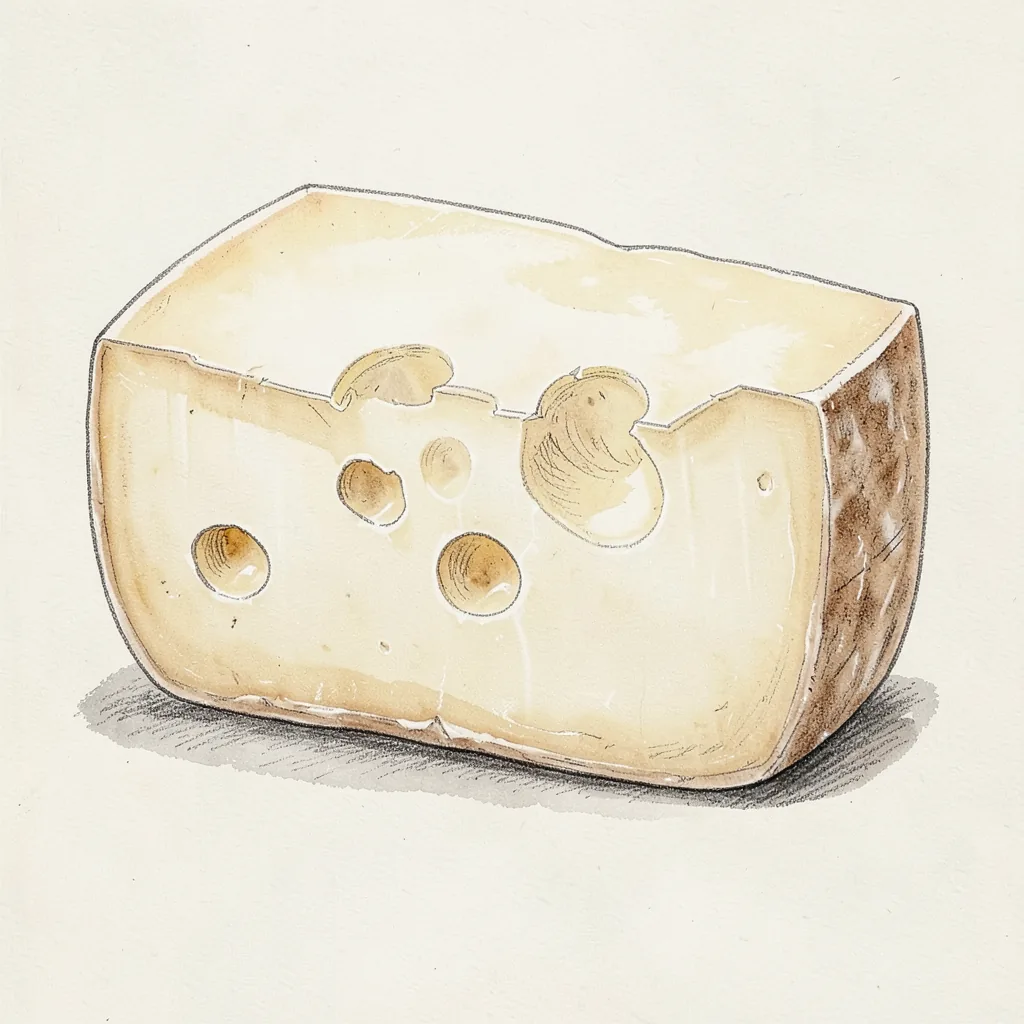
It is made from pasteurized milk, and the wheels are round with a bulging shape that some people compare to a small loaf. The rind is brown, firm enough to hold the cheese, and dotted with light mold, and it is edible. Inside, the paste is golden, creamy, and marked with small holes. The taste is mild and slightly sweet, which makes it an easy table cheese.
The texture is supple and a little damp, not hard and not runny. Slices hold their shape when they are not chilled and soften on bread. It is not a blue cheese, and it is not a washed smear cheese with a powerful smell. Younger pieces are the mildest, while pieces kept longer in the dairy taste a bit fuller but stay gentle. People use it on a board, in a sandwich, or melted over vegetables.
History
Passendale is a modern Belgian dairy cheese, not a farm recipe from a single mountain hut. The spelling Passchendaele is an older form of the same name. The cheese was developed for a wide public, with a shape and a mild taste that travel well. It became one of the Belgian cheeses people recognize outside the country. The story is a dairy story, not a monastery story, and the milk is pasteurized cow's milk from Belgian production.
Belgian cheese culture includes abbey styles, strong washed rinds, and mild loaf-shaped cheeses. Passendale sits with the mild group. It is often set beside Gouda in shops because both are approachable cow's milk cheeses with small holes, but the Belgian cheese is softer and sweeter. Maasdam is another lookalike because of its eyes, yet Maasdam is usually nuttier and firmer. Knowing those neighbors helps a buyer pick the right mild cheese instead of assuming every eyed cheese is the same.
How it is made
Pasteurized cow's milk is cultured and set with rennet. The curd is cut, stirred, and warmed enough to give a supple paste rather than a hard grating cheese. It is molded into the characteristic round form and salted before ripening starts. The rind turns brown with scattered white mold, while the interior develops small irregular holes. Nothing in the make adds spices, smoke, or a wax jacket.
Some wheels are sold younger, when the paste is especially soft and the taste is very mild. Others are kept longer so the flavor deepens a little and the texture settles. Both remain semi-soft cow's milk cheeses with the same loaf-like outline. The white bloom on the rind is part of the look, not a sign that the cheese has failed. If the paste smells of ammonia or the rind is slimy, that piece is past its best, while a sound wheel smells sweet and milky.
Taste
The flavor is mild, creamy, and a little sweet, with a soft buttery finish. It is less salty than many firm Dutch-style cheeses and less nutty than a long-aged Gouda. The small holes do not change the taste, but they make the slice look open and tender. The rind is edible and adds a light earthy note if you include it. A cold slice hides the sweetness, so let it warm a little before a tasting.
Aroma is sweet and milky, sometimes with a hint of toasted butter. There is no peppery burn and no blue sharpness. If you taste only the rind, you may think the cheese is stronger than it is, but the center is the part most people want on bread. Between a younger wheel and a longer-kept wheel, the difference is depth, not a jump into a harsh flavor. Both stay friendly to eaters who avoid strong cheese.
In the kitchen
Lay slices on bread with ham and mustard, or a piece of fruit. The mild sweetness works with apple, pear, or a few nuts. Melt it over potatoes, toast, or a vegetable gratin, where it softens into a creamy layer rather than long pasta-filata strings. In a sauce, stir it in off a hard boil so it stays smooth. Cubes can sit in a salad if the other ingredients are not already very salty.
The rind can be eaten, but trim it if you want a perfectly smooth melt. Bring the cheese out of the fridge a short while before a board so the texture relaxes. It pairs with Belgian-style beers and with simple white bread, and it does not need chutney to be pleasant. Because the flavor is gentle, do not hide it under a very hot spice paste. Leftover wedges should be wrapped so the cut face does not dry and harden.
Around the world
Passendale is one of the Belgian cheeses most likely to appear in export shops and supermarket specialty cases. The loaf shape and the brown rind with pale spots are the visual clues, and a label may use the spelling Passchendaele. If the cheese in front of you is very firm, bright orange, and heavily waxed, it is probably a different style. Gouda and Maasdam are the usual neighbors, and both can confuse a hurried shopper. Read the country and the name, not only the holes.
Gouda is the practical substitute when you need a mild cow's milk cheese for a board or a melt. Choose a younger Gouda, because an old one is sharper and drier than Passendale. Tilsit can also stand in, and it is a bit stronger and more aromatic, which is why some cooks already use Passendale when Tilsit is hard to find. Havarti is another mild, supple option for sandwiches. None of these copies the brown loaf rind, but all of them can do the kitchen work.