Cow
What it is
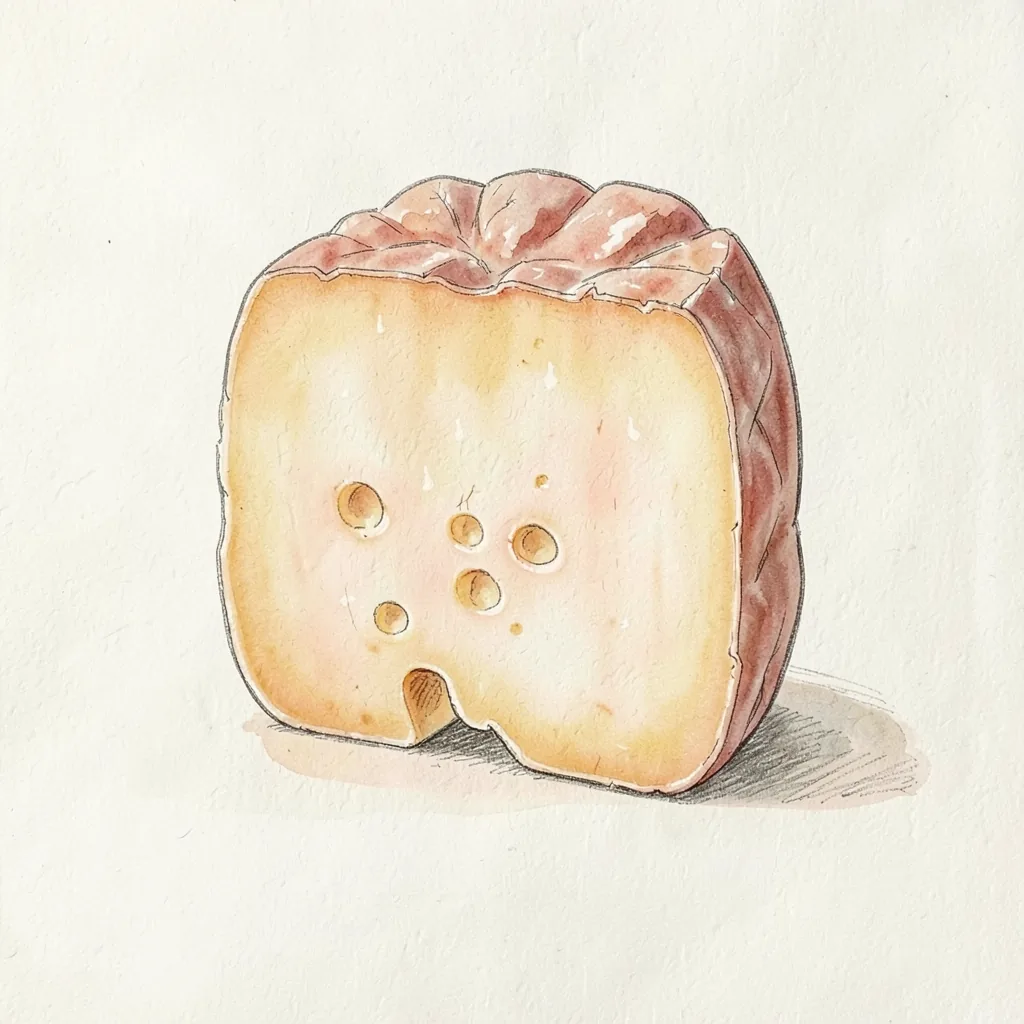
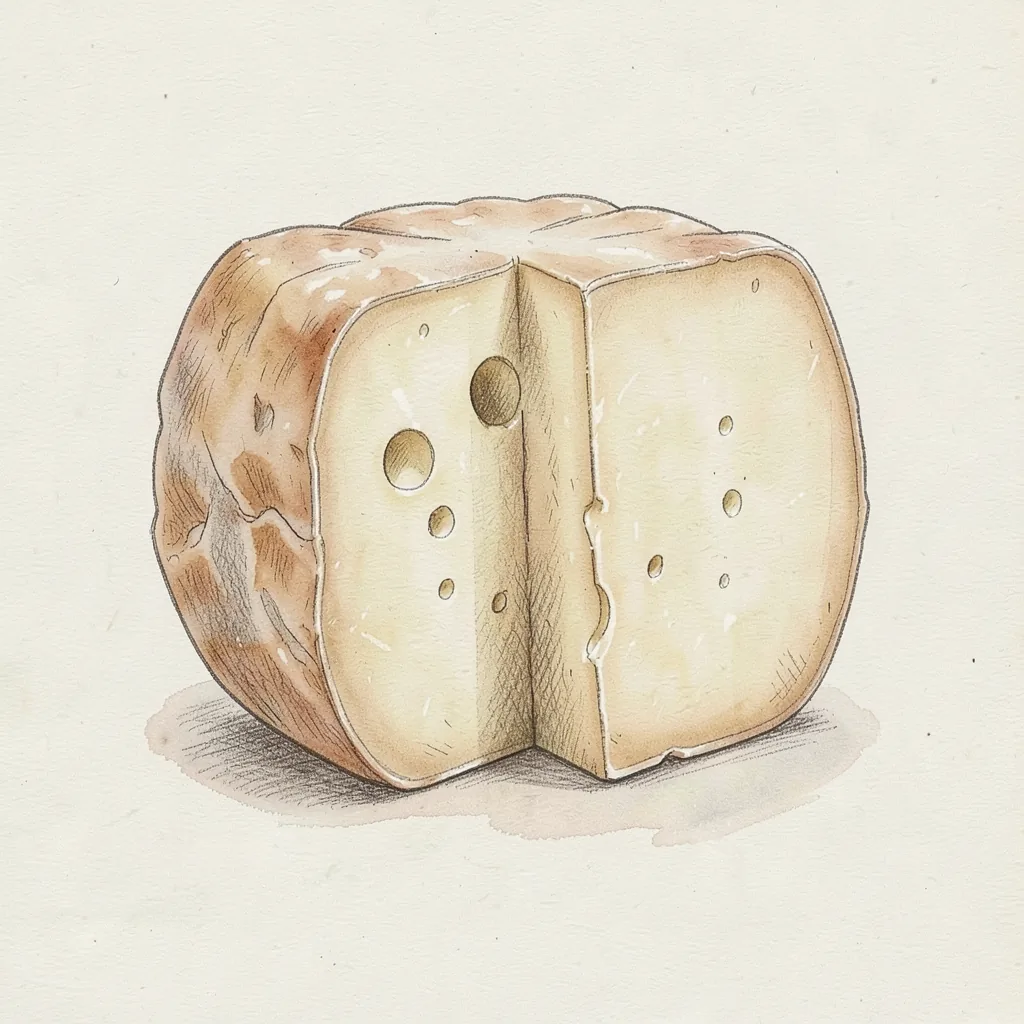
The small rounds are fully ripened, so the paste is even rather than a white core inside a riper coat. A smooth surface runs from yellow to gray-green, and some pieces are sold with hop leaves on the outside. Caraway is a usual seasoning. The cheese can be firm enough to slice, or dry enough to grate.
A sliceable Nieheimer is sharp, tangy, and still moist enough for bread. A drier piece, sometimes called a grating cheese, is harder and keeps longer. Both come from soured cow's milk curd, salt, and often caraway. They are not the same piece in the kitchen. The sharper, drier round belongs on a grater, while the moister round sits better on a board with buttered bread.
History
Nieheimer sits in the German sour-milk tradition, beside other low-fat cow's milk cheeses that need no rennet. Farm dairies soured skimmed milk, cooked the curd, and shaped small rounds with salt. Caraway, and at times a cover of hop leaves, set this round apart from a plain sour-milk cheese. The hops were a practical way to help the cheese dry and keep. The style remained a farmhouse food rather than a large factory loaf.
The even paste is the point cooks still notice. Many German sour-milk cheeses keep a white, younger center and ripen from the outside inward. Nieheimer is worked so the paste finishes evenly, with no chalky core. A longer rest makes it drier and suitable for grating, which is why some sellers call the hard form a grating cheese. The small size stayed practical for a simple bread-and-cheese meal.
How it is made
Makers start with cow's milk, often skimmed, and let it sour. Heat then brings the protein together into a lean curd, and rennet is not used. The curd is drained in cloth until it is dry enough to mill or pound. It rests in a wooden form in a warm place so the sour curd can ripen before it is shaped. Salt goes in at the kneading stage, and caraway is added when a spiced cheese is wanted.
The ripened curd is kneaded, formed into small cylinders, and dried. Some makers add a little milk or beer so the mass will bind. Hop leaves may cover the rounds, which led to the loose name hop cheese, though a true hop cheese is a different product. A shorter finish leaves a sliceable cheese. A longer, drier finish turns the same curd into a hard grating cheese with very little fat.
Taste
Nieheimer tastes sharp, clean, and piquant, with a sour edge that is firm rather than milky-sweet. Caraway, when it is used, gives a warm seed note through the paste. The smell is savory and a little tangy, not the soft cream smell of a young bloomy cheese. A moister round is pungent but still fresh on the tongue. A dry grating piece is harsher, saltier, and more concentrated.
The paste is even in color and smooth on the cut, with no white unripe core. Yellow to gray-green on the outside, it looks plain next to a washed orange rind. The body can be sliceable or hard, and that change is the main split in the mouth. Fat is scarce, so the cheese feels lean, not buttery. People who like a mild creamy cheese may find the sharp sour finish too direct.
In the kitchen
Slice a moister Nieheimer onto buttered bread, or set it on a board with raw onion, a common plate for German sour-milk cheese. The sharp taste stands up to beer and to dark rye. Grate the dry form over boiled potatoes, eggs, or a simple soup, where a little goes far. Do not expect a silky melt, because the cheese is lean and already firm. Heat can soften a slice in a pan, but it will not stretch.
Cooks sometimes work the cheese into a warm spread with butter, the way other German sour-milk cheeses become a cooked cheese. Keep the heat gentle and add a splash of liquid if the paste tightens. Caraway already in the cheese is usually enough spice. Wrap the cut face, because the low-fat paste dries and hardens in open air. If you only have the hard grating form, use it as a seasoning, not as a sandwich slice.
Around the world
Nieheimer is still a German specialty, and many shops outside Germany never stock it. Visitors meet it more often in a German cheese shop, at a market, or on a regional plate than in a supermarket abroad. The small round with hop leaves is the easy clue when it is sold that way. Exporters sometimes group it with other sour-milk cheeses, which hides the even paste and the grating form. Ask whether the piece is sliceable or dry before you buy it for a recipe.
Harzer is the closest cousin in a foreign shop, another German cow's milk sour cheese, low in fat and sharp on bread. Handkäse is the broader hand-shaped sour-milk style, often with a white center that Nieheimer does not keep. Olomoucké tvarůžky, from Czechia, is a pungent sour-milk cheese in a small shape, but the aroma is its own. None of those is a hop-covered Nieheimer round. If you need a substitute, choose a firm sour-milk cheese and season it with caraway.