Cow
What it is
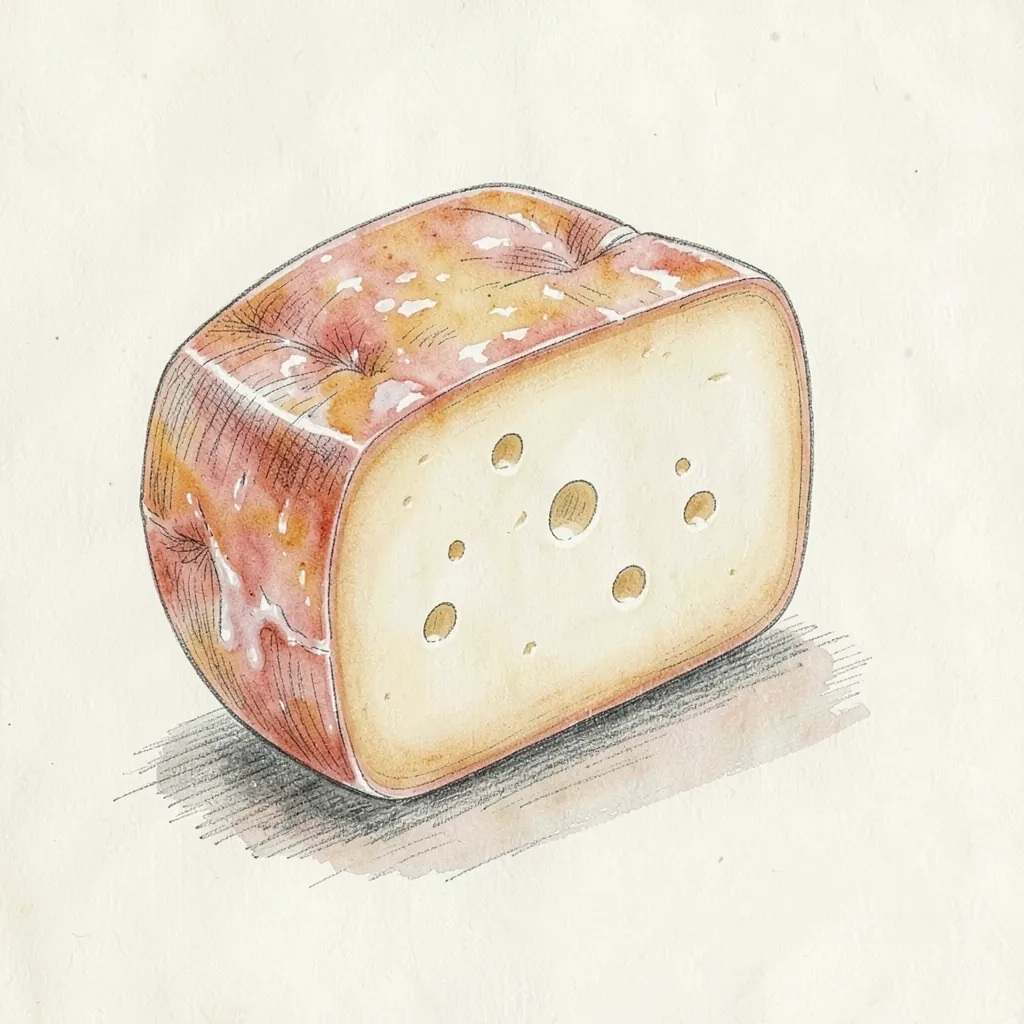
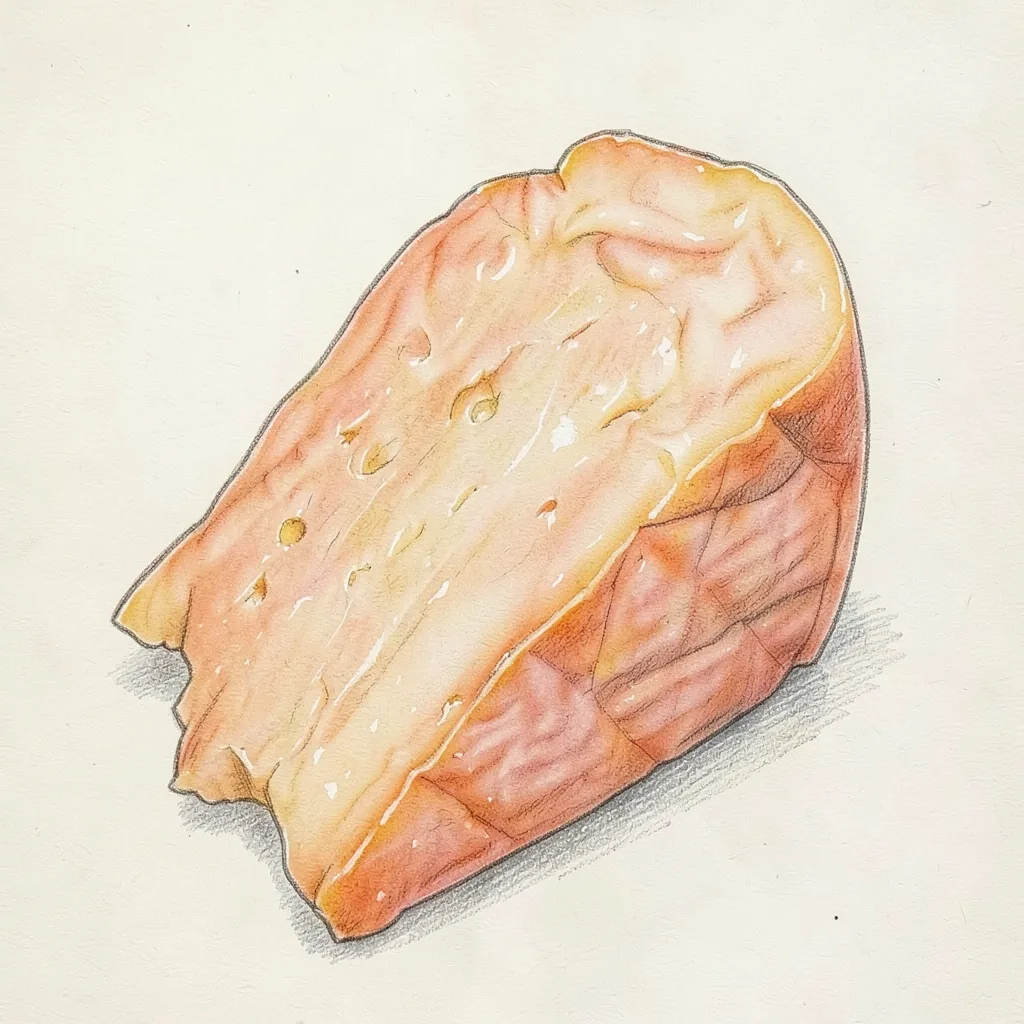
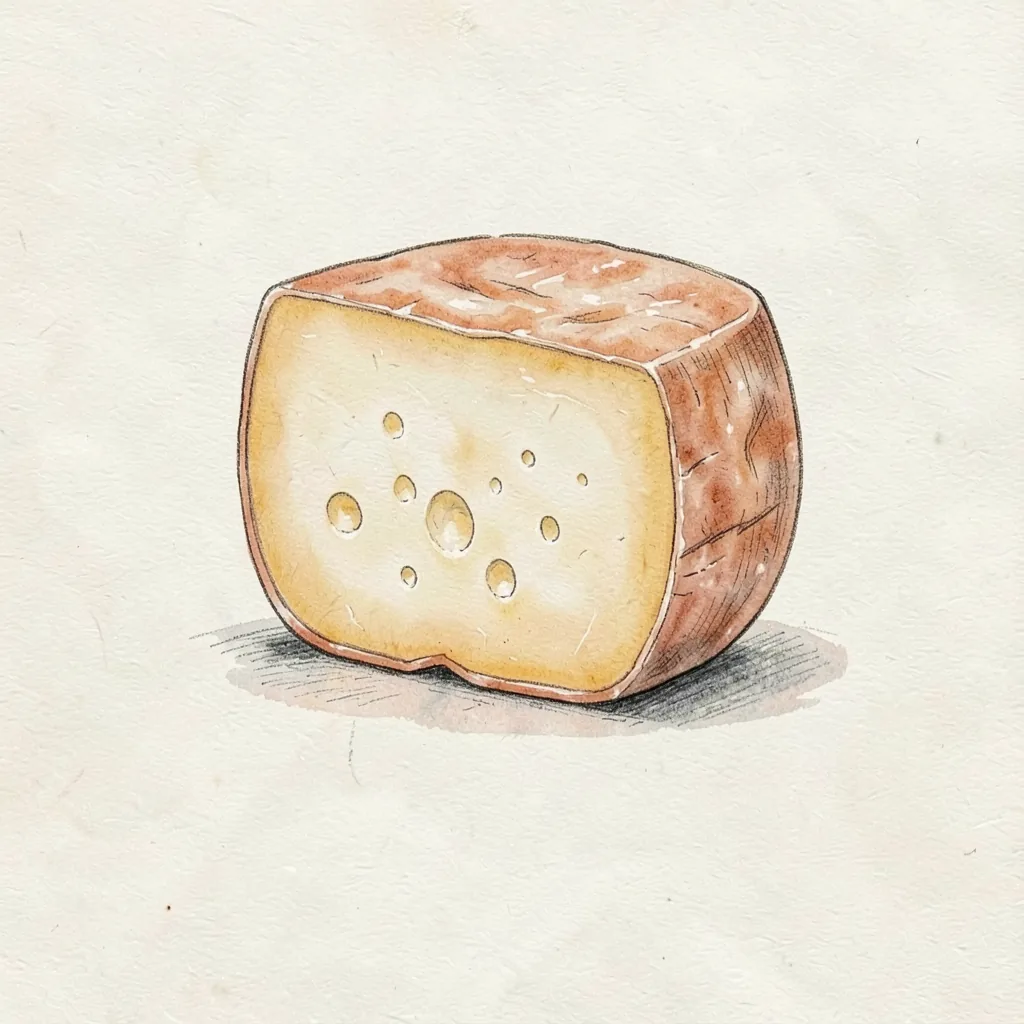
The pieces are small, the surface is sticky and yellow to orange, and the paste inside is pale and rich. A ripe center can slump on the knife and almost dissolve on the tongue. Hungarian shops treat it as a bold table cheese, not as a mild slicing cheese for everyday sandwiches. The aroma belongs to the style, so a powerful smell alone does not mean the piece has spoiled.
A younger piece is milder at the center, saltier near the rind, and still firm enough for a clean slice. A fully ripe piece is creamier, sharper, and more pungent, with a faint ammonia note at the back of the nose. Both are Pálpusztai, and they do not behave the same way on a plate. Keep the cheese wrapped and cold, because the smell moves into other food in a shared box. Take it out a short while before serving so the paste softens and the flavor opens.
History
Pálpusztai belongs with the small washed-rind cheeses that central European dairies set out beside beer. Hungarian makers built it as a soft cow's milk cheese whose surface is tended with salt brine and a smear culture. The name sounds like a farm on the plain, but accounts of the cheese say it does not name a real village. The style moved into ordinary shops as a finished small piece rather than as a wheel from one dairy. That shop form is still how most people meet it.
The smell comes from Brevibacterium linens, a surface bacterium also used on Limburger. Makers encourage that culture on the outside, and the flavor then moves inward as the cheese ripens. A short ripening suits the small size, so the center turns creamy before the piece dries out. Hungarian dairies still sell it as a living washed-rind cheese, with no thick wax coat to hide the surface. Buyers who want a mild everyday block can choose a plainer Hungarian cheese instead.
How it is made
Cow's milk is pasteurized, then set with rennet and a lactic culture until a soft curd forms. The curd is cut, drained, and salted in brine so the small portions hold their shape. They then go into a humid room, where the surface is washed with a culture of Brevibacterium linens. Makers turn the pieces and repeat the wash so the rind grows evenly and stays moist. The finished surface is yellow, slightly sticky, and strongly aromatic.
Ripening moves from the outside inward, which is why a small piece works better than a large wheel. The center starts firmer and becomes soft, glossy, and almost runny if the cheese is kept until fully ripe. There is no blue mold, no bloomy white coat, and no cloth binding around the paste. Salt, moisture, and the smear culture do the flavor work. Dairies in Hungary wrap the pieces so the smell stays in the pack until you open it.
Taste
The smell arrives first, and it is barny, yeasty, and sharp enough to surprise a new buyer. On the tongue the paste is salty, savory, and smooth, with a richness that the lean smell does not suggest. A ripe center can taste faintly of broth, while the edge near the rind is stronger and a little bitter. Ammonia shows up when the cheese is very ripe, and that note should stay light rather than harsh. People who enjoy washed-rind cheeses often find the flavor quieter than the aroma.
A cool piece from the fridge tastes tighter and saltier, and a short rest at room temperature lets the paste soften. Fat carries the flavor, so the cheese feels full even in a thin smear on bread. It is not sweet, not nutty in the alpine way, and not spicy from pepper or herbs. A firm, bright center tastes milder than a piece that slumps and smells of ammonia. Trust a clean wrapper and a creamy interior more than the power of the smell alone.
In the kitchen
Serve Pálpusztai on dark bread with raw onion, mustard, or a sharp pickle. It is a board cheese for people who want one strong piece, not a mild cube in a large mixed plate. Beer is the usual partner, because the bubbles and the bitterness stand up to the rind. A thin smear on a warm boiled potato can work, and so can a little on rye toast. Do not build a delicate cream sauce around it, because the aroma will take over the pot.
Use a small amount and taste before you add more, because the rind is stronger than the pale paste looks. A ripe piece spreads with a knife, and a grater is the wrong tool for this soft texture. Heat softens it further, but it will not stretch, and a long bake can turn the smell harsh. Keep it away from mild cheeses in the same box, or those cheeses will pick up the scent. One small piece is usually enough for several open sandwiches.
Around the world
Pálpusztai is eaten mainly in Hungary, and that is where the choice in shops is widest. Outside the country it appears at counters that already stock washed-rind cheeses, often near Limburger or Munster. The small wrapped piece is easy to try without buying a large wheel. Visitors sometimes mistake the smell for spoilage and leave it on the shelf. A sticky rind and a soft center are normal, and they show a cheese that was ripened on purpose.
Limburger is the closest substitute when a shop has no Pálpusztai, because it carries a similar smear rind and a salty, pungent paste. French Munster can also stand in on a strong board, though the wheel is larger and the texture is not identical. Liederkranz, an American washed-rind cheese, sometimes confuses buyers who shop only by smell. None of those cheeses is Hungarian. Read the label if the country of origin matters, because a strong rind alone does not make a cheese Pálpusztai.