Cow
What it is
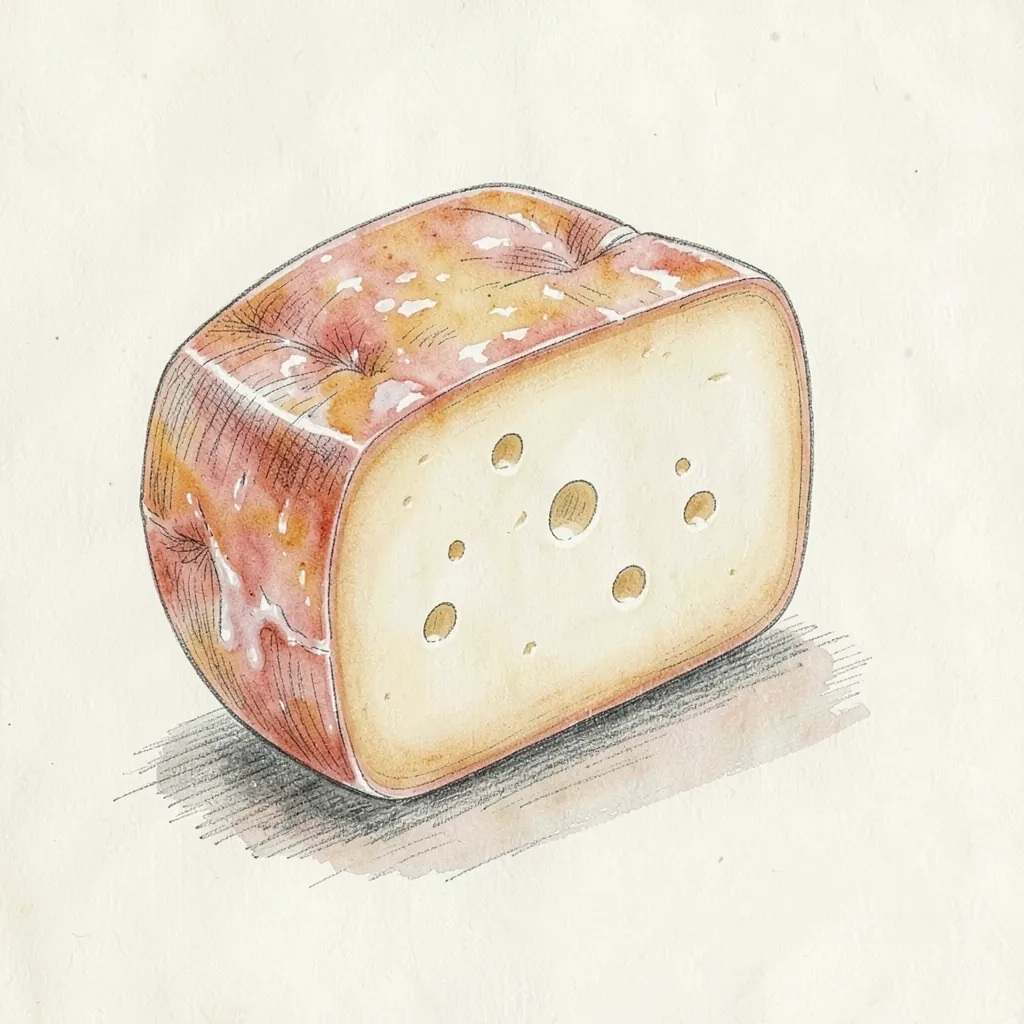
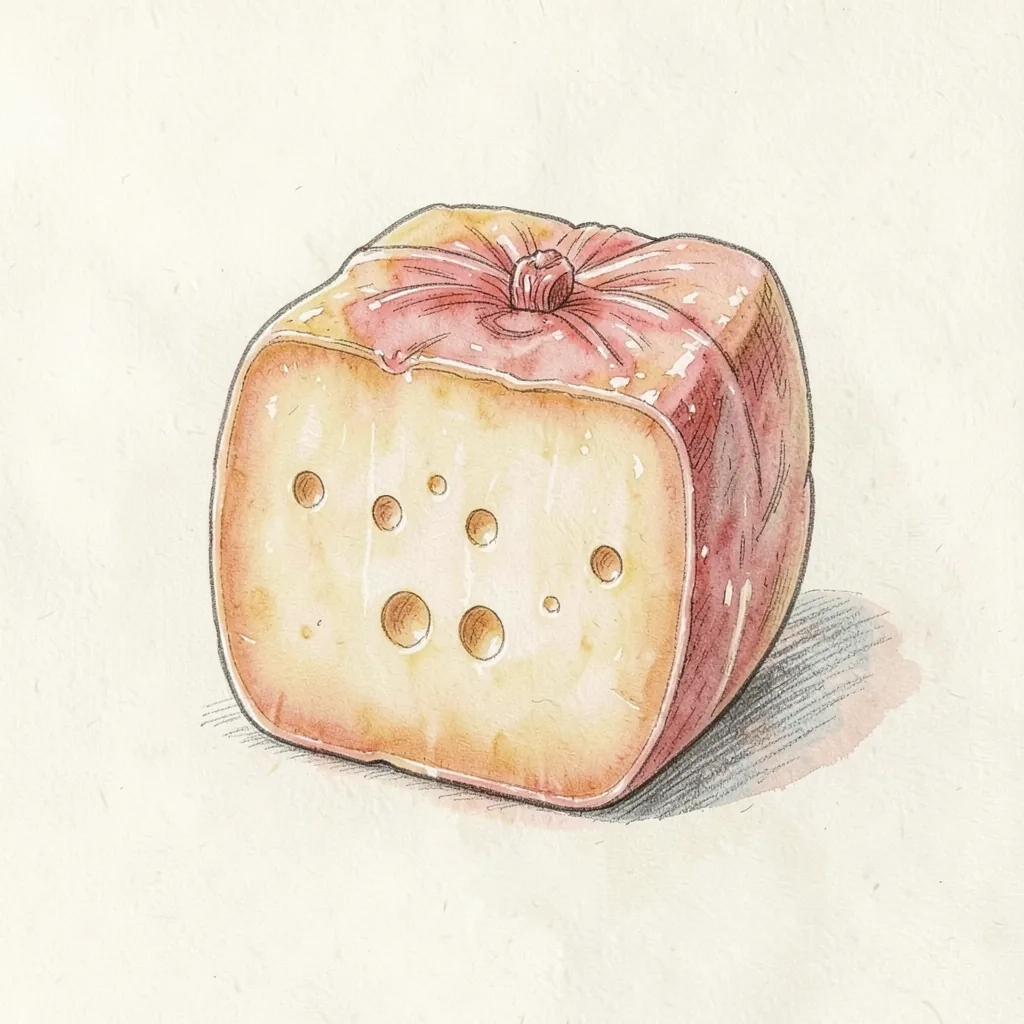
It was developed in the United States as a local answer to Limburger, for eaters who wanted that style without relying only on imports. The name refers to a German singing society, a wreath of songs, rather than to a town in Europe. The cheese is semi-soft, with a pale interior and a tacky orange-tan rind. Its smell is famous, and the flavor is milder than that smell suggests.
A young piece starts firmer and becomes softer and more spreadable as the surface smear ripens it. The taste is buttery, salty, and savory, with a barnyard note that should stay clean rather than rotten. It is not a blue cheese, and it is not a mild slice for a plain child's sandwich. Serve a small amount with dark bread, and let people meet the aroma before they take a large bite. Cheese straight from the cold smells quieter than cheese that has warmed on the plate.
History
German-speaking communities in the United States wanted a cheese like the pungent washed-rind cheeses they knew from home. Dairies answered with Liederkranz, a cow's milk cheese whose surface is washed so the ripening cultures can develop. The name was chosen for its German sound and its link to choral clubs, not because the recipe came from one European village. It became a known American specialty rather than a copy sold under the Limburger name alone. Small blocks, often in a box, were the usual form in shops.
Production moved among plants in the United States, and there were times when the cheese left the market. It later returned, still as a washed-rind cow's milk cheese in the same general style. The name stayed on the label, which is why shoppers look for that word and not for a type that any dairy may make. Today it sits near brick and domestic Limburger. The path is a creamery story as much as a farmhouse one, and the flavor still aims at that old smear-ripened target.
How it is made
Cow's milk is set with cultures and rennet, and the curd is cut and drained for a soft, moist body. The pieces are salted and formed into small blocks rather than into large alpine wheels. During aging, the surface is washed or smeared so the bacteria that thrive on Limburger can grow. That smear turns the rind tan to orange and builds the aroma that fills a room. The interior stays pale and knits into a smooth, supple paste that yields under a knife.
The keep is long enough for the rind to soften the paste from the outside, but the cheese is not held until it dries into a hard block. Too little time leaves it mild and firm, with only a hint of the style. Too much time can push the aroma toward ammonia, which makers and shops try to avoid. Finished blocks are wrapped to hold moisture and to keep the smell from spreading. A good piece looks moist, with an even rind and no dark slime or cracked, hollow center.
Taste
The first impression is the smell: earthy, sweaty, and a little like cooked onion, in the manner of a washed rind. On the tongue the cheese is milder, with butter, salt, and a meaty savor. A well-kept piece is creamy, not bitter, and the finish is savory rather than harshly sour. The rind carries more of the aroma than the pale center does. If the only note is sharp ammonia, the block has gone too far and will not be pleasant on bread.
Compared with Limburger, Liederkranz is often a bit softer in flavor and a bit more buttery, though the family link is obvious at once. Brick cheese is the milder American relative in the same broad group. A ripe Liederkranz should still have a clear funk, not a blank dairy taste. A bland piece has not been ripened enough, or it was kept so cold that the smear stalled. Warm a slice on a plate before you decide that you dislike the cheese.
In the kitchen
Spread ripe Liederkranz on dark bread or rye, with raw onion, mustard, or a tart pickle. It melts over potatoes or in a toasted sandwich if you like a strong cheese and do not mind the aroma in the kitchen. Small cubes can top a burger or a baked potato for people who already enjoy washed rinds. Apples, pretzels, and other hearty snacks sit well beside it. Delicate fish and sweet desserts are a poor match and will taste confused next to the funk.
Use less than you would of a mild melting cheese, because the aroma fills the dish and the room. Trim the rind if you want a calmer flavor in a sauce, and keep it on if you want the full character on bread. Do not boil the cheese hard, or it can turn oily and grainy instead of creamy. Store it tightly wrapped and cold, away from butter and mild foods that pick up smells. Finish an open package soon, while the paste is still moist.
Around the world
Liederkranz is an American cheese, and it is most often found in the United States rather than on a European counter. Shops abroad rarely carry this exact name, even when they stock Limburger every week. Some delis that still keep traditional washed-rind blocks will have it, or can order it. The word on the label matters, because other cheeses with an orange rind are much milder. If a counter has never heard the name, ask for a domestic Limburger or another small washed-rind block.
Limburger is the direct substitute, with the same smear-ripened idea and a similar strong smell on the rind. Brick cheese is gentler and easier to find in many American shops, and it can stand in when you want less aroma. Neither is a perfect copy of a ripe Liederkranz block at its best. On bread, Limburger is the honest swap and will not surprise a fan of this style. In a melted potato dish, a milder washed-rind cheese will still melt, but the plate will taste quieter.