Cow
What it is
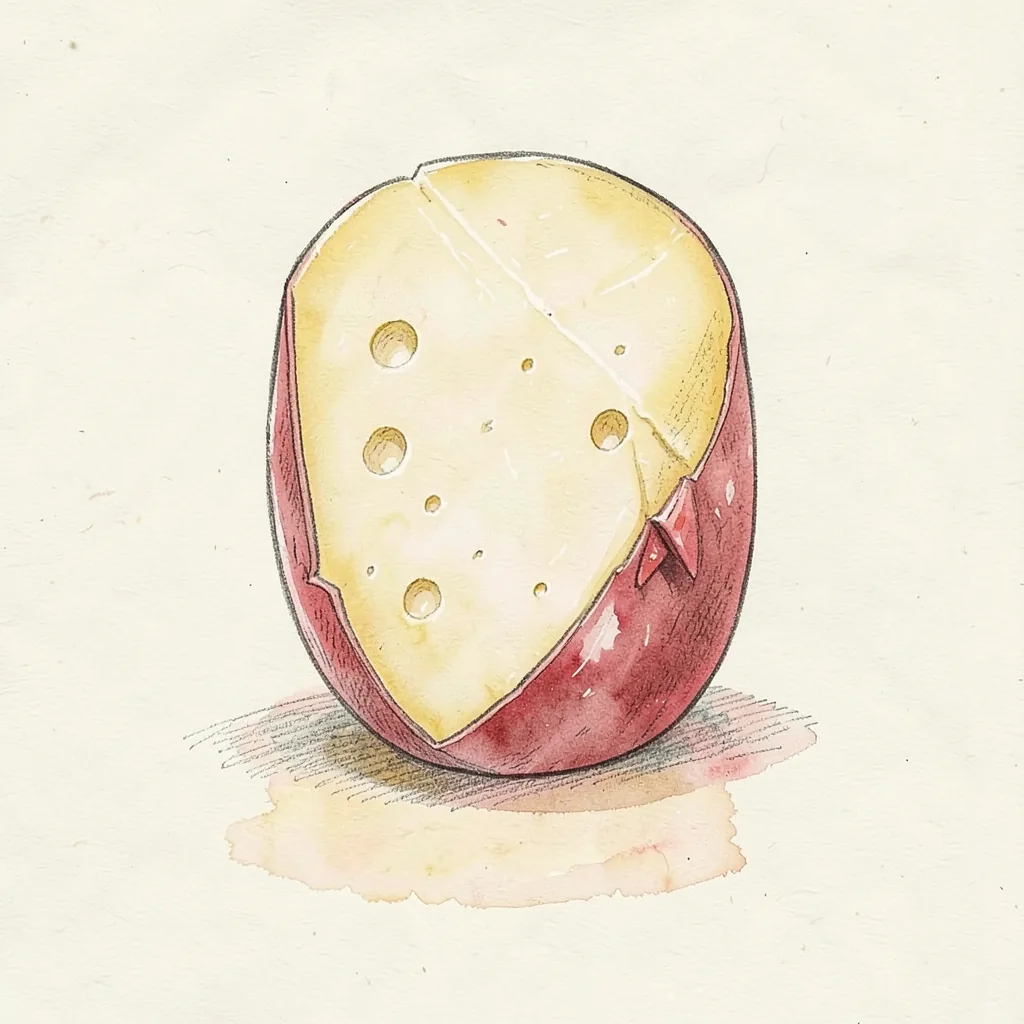
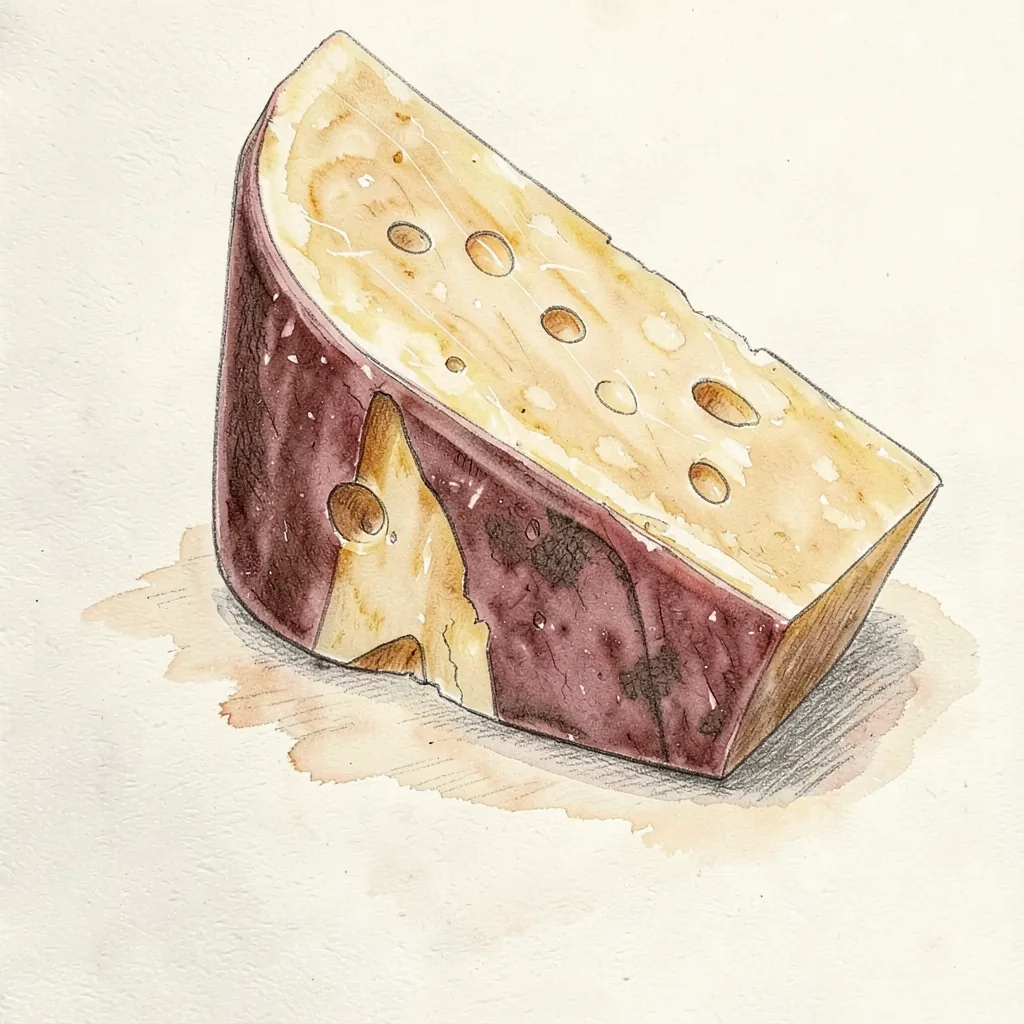
The make follows Gouda, with a smooth semi-hard paste, but the flavor is nuttier than a very young Dutch wheel. Sellers present it as a cheese with an Italian temperament and a Dutch body. It slices, shreds, and melts, so it moves from a board to a pan without a fuss. The paste is pale gold and close textured, and it is not built around large eyes or a pungent washed rind.
Time in the aging room builds the nutty note, while the texture stays supple enough to melt. It is not a dry granular cheese that you only grate into powder. Salt and sweetness sit together, and the finish is mild rather than sharp. Shoppers meet it under the Parrano name, which is a brand, not a Dutch town. Another Dutch brand in the same case is easy to mix up with it, and both are cow's milk cheeses made for the kitchen.
History
Parrano grew up in the Dutch cheese trade as a bridge between two familiar tastes. Producers already knew how to make a supple Gouda-style wheel from cow's milk. They pushed the flavor toward the nutty savory side that cooks expect from an Italian hard cheese, and they kept the melt. The result was sold under an Italian-sounding name, with a clear Dutch origin. It was a product choice, not a farm cheese from one village.
The cheese stayed in the Gouda family even when the marketing leaned Italian. Buyers have treated it as a Gouda-style wheel with a stronger flavor than a plain young one. It did not replace aged Gouda, and it did not replace a true Italian grana. It filled a gap for a pasteurized cow's milk cheese that shreds cleanly and still tastes nutty. A cook can slice it for a snack or melt it on a hot dish, and that double use explains the brand.
How it is made
Parrano is made from pasteurized cow's milk in the Dutch way used for Gouda. Starter cultures and rennet set the milk, the curd is cut, and warm water replaces part of the whey so the paste stays sweeter and more elastic. The curd is pressed into wheels and salted. A coating protects the outside while the cheese ages. The interior becomes smooth and semi-hard, and the color deepens slightly as the wheel matures.
Aging lasts long enough for a nutty flavor and stops while the wheel can still bend and melt. The paste does not dry into a brittle grating block. Some wheels are kept longer than others, and some are flavored, but the plain cheese is the reference. There is no blue mold and no soft bloomy rind. What you buy is ready to eat, with sweetness and salt already in balance, and the body still feels like a Dutch kitchen cheese.
Taste
The taste is nutty, buttery, and gently sweet, with a salty edge that keeps it savory. It is fuller than a very young Gouda and milder than a long-aged Italian grana. The paste feels smooth, with a slight firmness and a moist bite, and some wheels show tiny crystals as they mature. There is no bitter rind flavor in the interior. The smell is warm and milky, not pungent, and people who want a sharp bite may find it polite.
Texture carries the other half of the story. The cheese slices without falling into dust, and it shreds into pieces that melt. On the tongue it is supple, not chalky and not runny. The nutty note grows with age, while the body stays closer to a young Dutch wheel than to a dry mountain cheese. It tastes like a cheese for cooking and for a simple snack, not like a fierce grating block.
In the kitchen
Shred Parrano over pasta, risotto, or a gratin, and let gentle heat melt it. It also slices for sandwiches and for a board, where the nutty sweetness works with fruit or plain bread. Because the paste is semi-hard but still moist, it melts more readily than a very old grana. Do not cook it so hard that the fat separates and the nutty note turns dull. A short melt is enough, and the cheese should bring both flavor and a soft stretch.
On a board, cut thin slices or small chunks rather than fine crumbs. It pairs with apples, nuts, and simple crackers, and it does not need a sweet coating. For a sauce, stir shreds into warm liquid off a hard boil so the melt stays smooth. Wrap the cut face, because leftover shreds dry out quickly. A true grating cheese can finish a dish when you only need a sharp powder, but you will lose the easy melt that this wheel gives.
Around the world
Parrano is an export cheese, and many buyers meet it far from the Netherlands, in shops that stock Dutch and Italian cooking cheeses side by side. The label leans on an Italian mood, so people sometimes file it with Parmesan. The milk, the make, and the texture are Dutch. In import markets it is a brand name on a Gouda-style wheel, meant for home cooking. It is not a farmhouse wheel tied to one Dutch town.
Prima Donna is the easy mix-up, because it is another Dutch cow's milk brand with a similar nutty, meltable character. Gouda is the wider family, and a young or medium Gouda will melt in the same way but may taste milder. Parmigiano Reggiano is the flavor people imagine, yet it is drier, grainier, and less of a melting cheese. If a recipe names Parrano and you cannot find it, a nutty Gouda-style wheel is the fair swap.