Cow
What it is
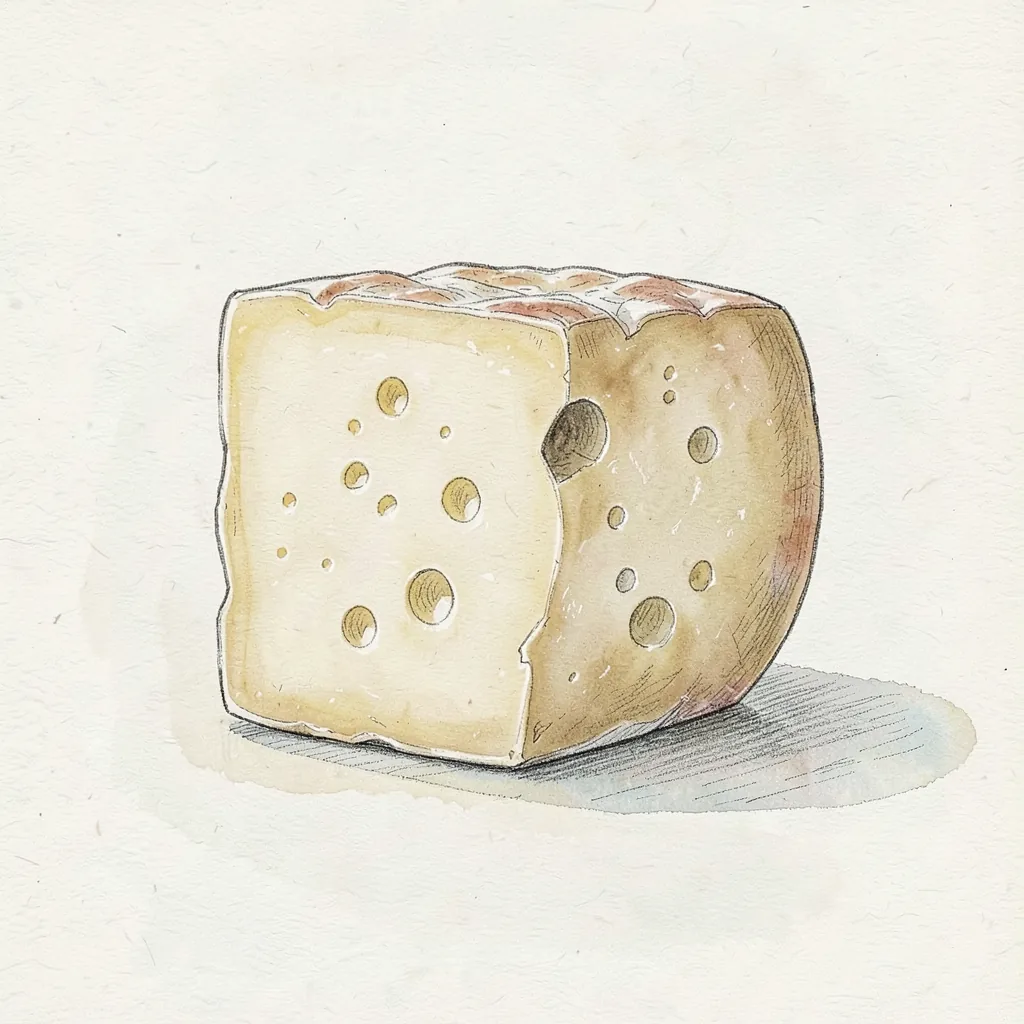
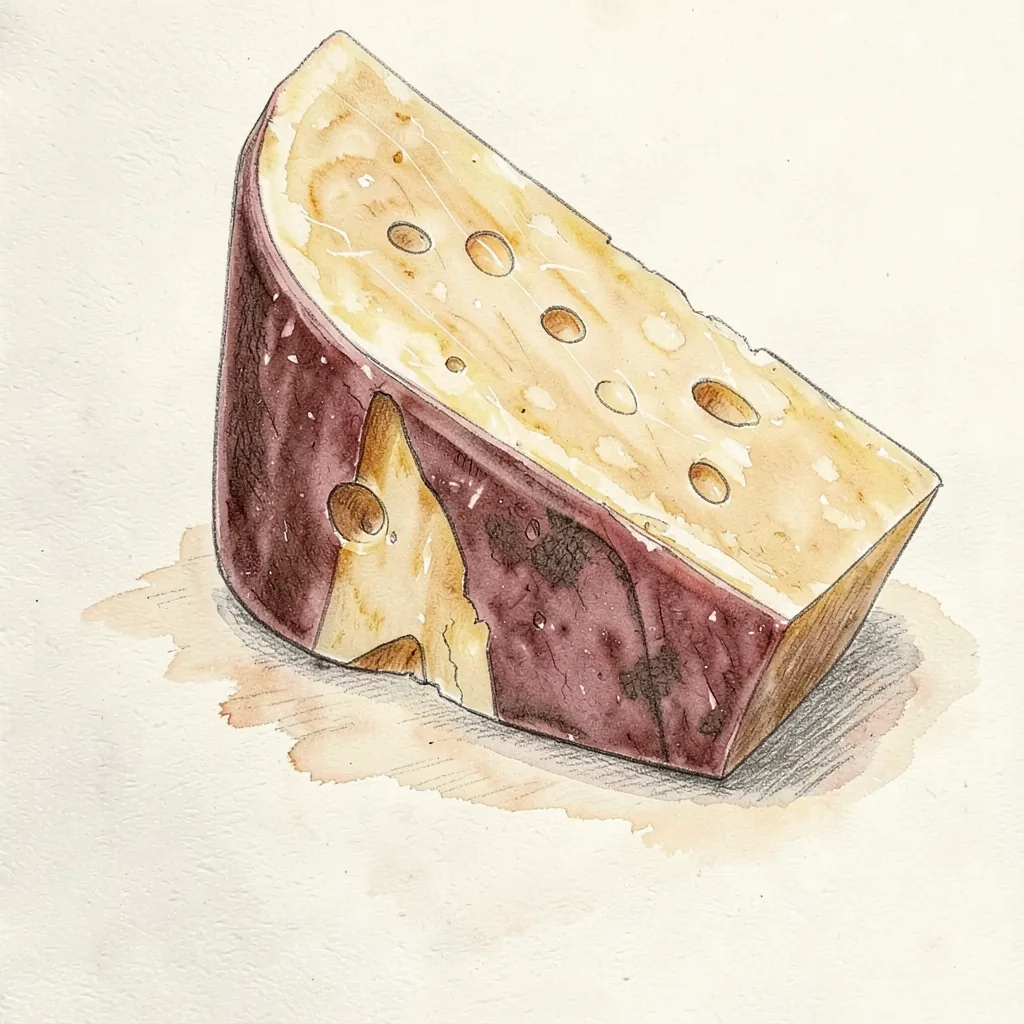
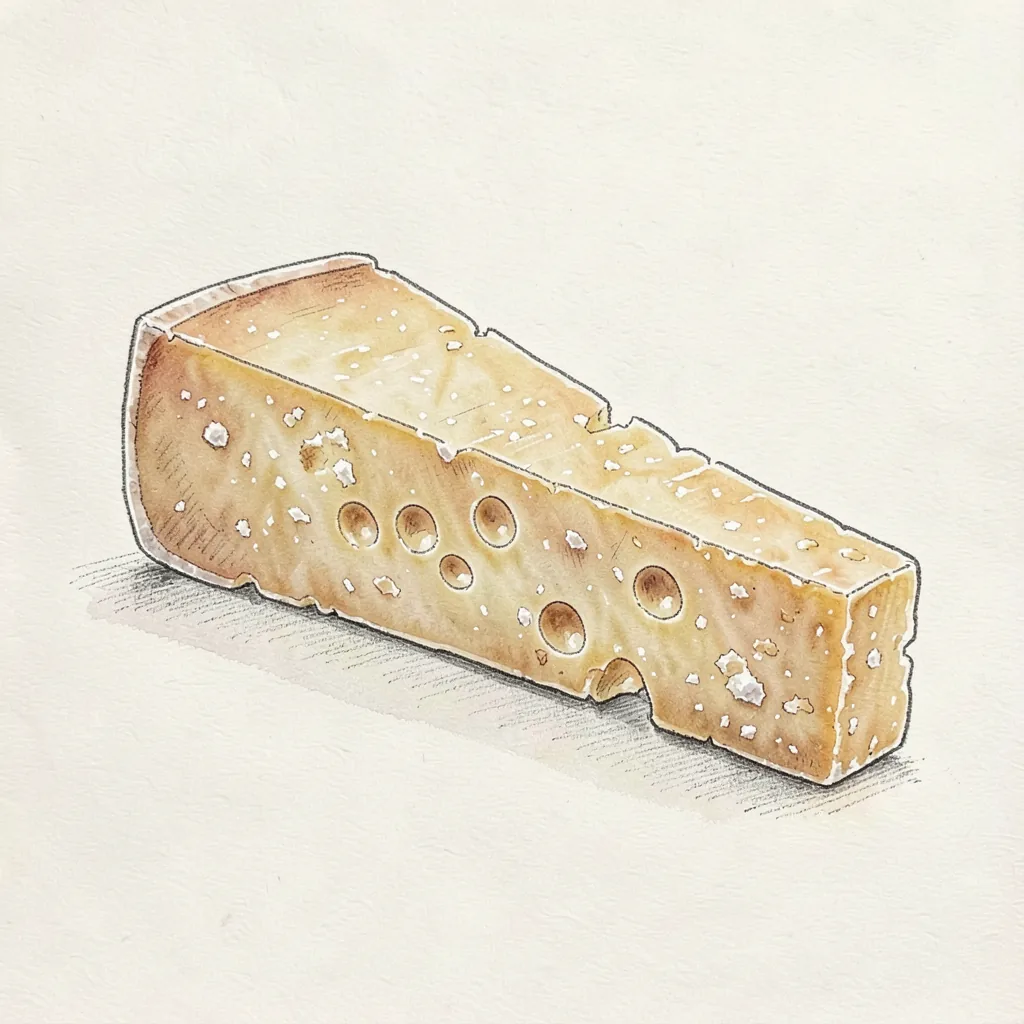
Makers built it to join a creamy Dutch body with the nutty savory taste people expect from an Italian hard cheese. The paste is pale gold, close, and supple on younger wheels. Longer aging makes it firmer and more savory, and small crystals can appear. It is a trade name, not a cheese from one Dutch town.
Shop pieces range from a milder wheel that slices and melts to a drier, sharper piece meant for a board or a grater. The brand covers that range under one name, so the label age matters more than the logo. A young cut is smooth and gentle. An older cut tastes deeper, with a light crunch from the crystals and a firmer bite. Both are Prima Donna, and they do not behave the same way in a pan.
History
Prima Donna entered the Dutch cheese trade as a brand, not as a farmhouse wheel tied to a village. Producers already knew the Gouda method, with cow's milk pressed into a supple wheel. They steered the flavor toward the nutty, savory side associated with Italian hard cheese, and they kept a paste that could still melt. The Italian-sounding name sat on a Dutch make. Buyers met a familiar shape with a stronger taste than a very young Gouda.
The brand later split into ages rather than into different milks. A shorter rest keeps the cheese mild, creamy, and easy to slice. A longer rest deepens the nut flavor, dries the paste a little, and lets tiny crystals form. Those ages still share the cow's milk base and the Dutch pressing method. Shops often use the label color to tell the ages apart, and no single town claims the cheese.
How it is made
Prima Donna is made from cow's milk in the pressed Dutch style used for Gouda. Cultures and rennet set the milk, the curd is cut, and warm whey handling helps the paste stay supple and slightly sweet. The curd is pressed into wheels and salted. Aging happens on wooden shelves until the chosen flavor is ready. The interior stays close textured, without the large round eyes of an Alpine cheese.
The length of aging is the main split inside the brand. A shorter age leaves a moister, milder wheel that bends and melts. A longer age firms the paste, sharpens the nutty taste, and can grow small white crystals. The milk stays cow's milk across those ages, and only the time on the shelf changes. The cheese is sold ready to eat, with salt and sweetness already in balance.
Taste
Young Prima Donna tastes buttery, mildly sweet, and lightly nutty, with a smooth bite. Salt is present but not harsh, and the finish is clean. Older pieces keep that sweetness and add a deeper savory note, closer to a hard Italian cheese, while the body stays moister than a dry grana. Tiny crystals add a faint crunch on the longer aged cheese. The smell is warm and milky, not sharp or ammoniated.
Texture tells the age as clearly as flavor does. A young slice bends, feels moist, and does not crumble, while an older slice breaks more readily and may show small crystals. Neither version is a blue, a washed rind, or a fresh curd. People who want only a fierce grating cheese may find even the older wheel a bit round and sweet. People who want a plain mild slice may prefer the younger one.
In the kitchen
Use a younger Prima Donna when you need melt. Shred it over pasta, into a sauce, or across a gratin, and keep the heat gentle so the fat does not separate. Slices also sit well in a sandwich or on warm bread. The nutty sweetness carries a simple dish without a heavy hand of salt. An older piece can still melt, but it is better shaved or grated where you want a sharper finish.
On a board, cut thin slices of the younger cheese and small chunks of the older one. Apples, pears, nuts, and plain bread all fit, and the cheese does not need a sweet glaze. For a sauce, stir shreds into warm liquid away from a hard boil so the melt stays smooth. Wrap the cut face, because the paste dries in open air. If a recipe wants only a dry powder of hard cheese, a true grana will be sharper, and you will lose the easy melt.
Around the world
Prima Donna travels as an export brand, and many buyers meet it far from the Netherlands. Shops that stock Dutch cooking cheeses and Italian hard cheeses often put it between those groups. The name can make a shopper look in the Italian section, but the milk and the make are Dutch. It is sold ready cut or in wedges, not as a farmhouse wheel from one valley. In home kitchens it is a brand people use for both the board and the pot.
Parrano is the closest mix-up, because it is another Dutch cow's milk brand with a nutty taste and a paste that melts. Gouda is the wider family, and a medium Gouda will slice and melt in a similar way, often with a milder flavor. Parmigiano Reggiano is the Italian taste the brand points toward, yet it is drier and less eager to melt. If the label age is unclear, choose the younger piece for cooking and the older piece for grating.